Last updated October 31, 2026
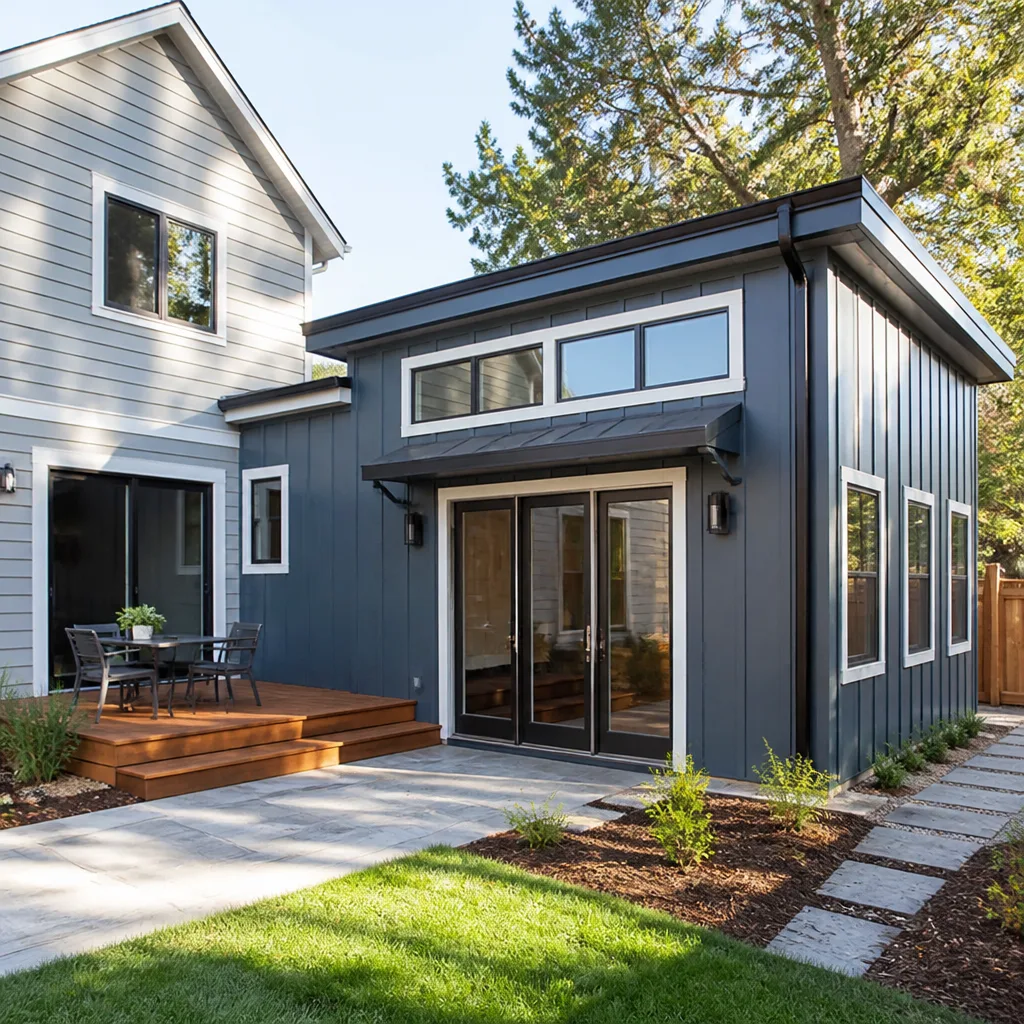 Home additions & ADU
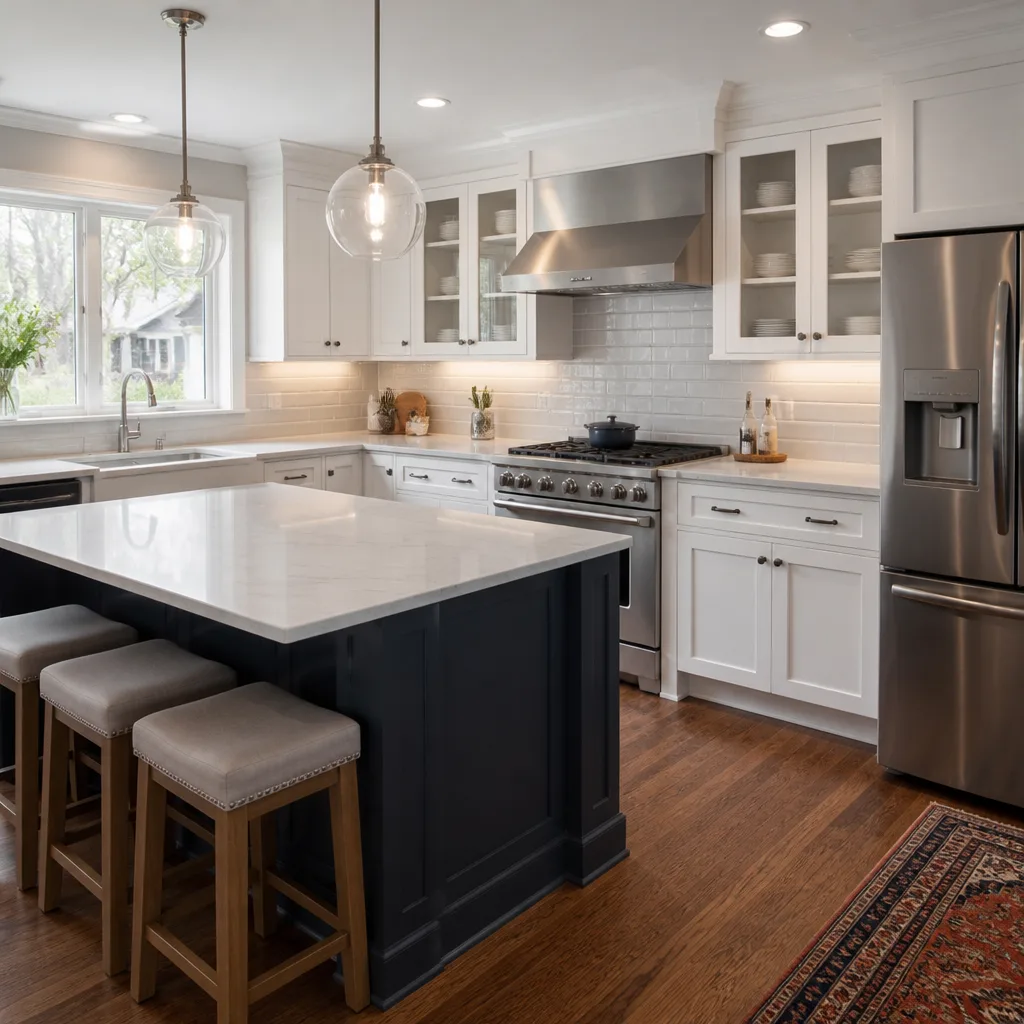 Kitchen remodeling
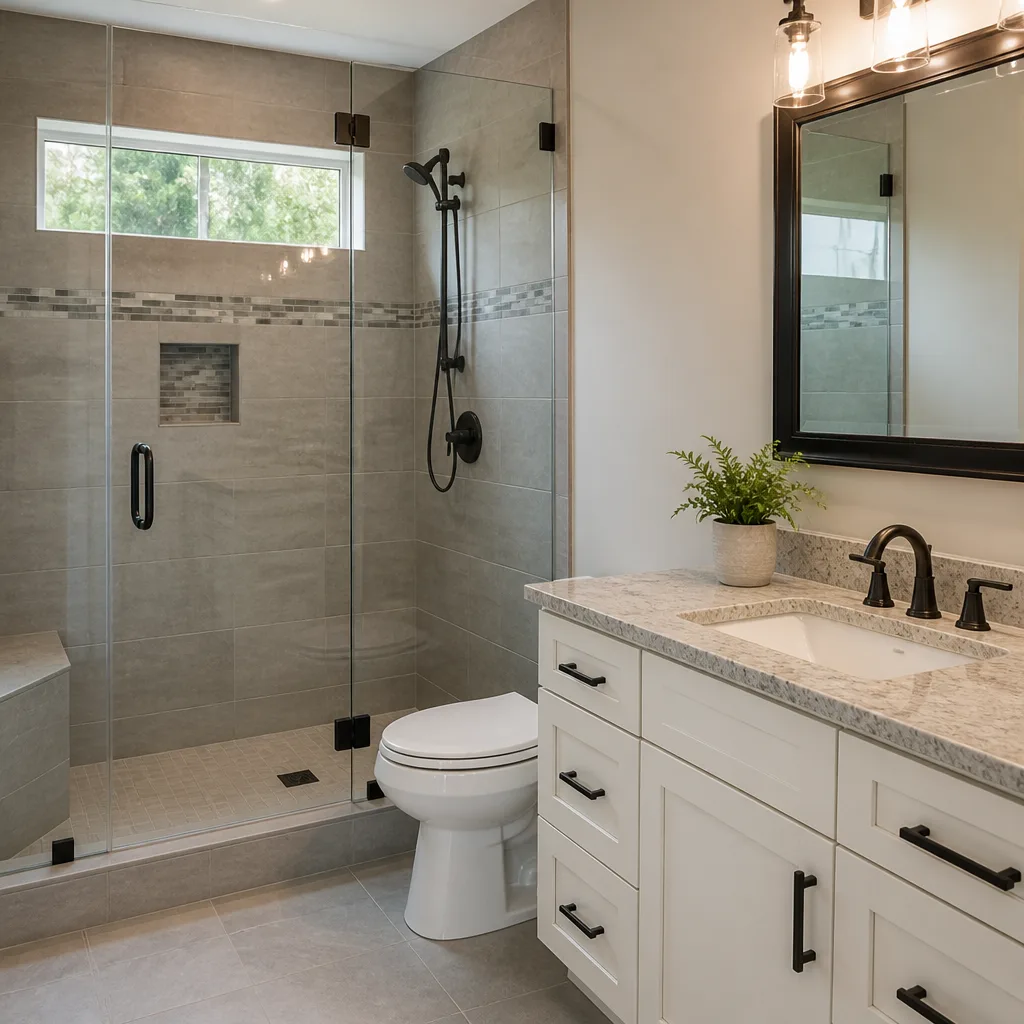 Bathroom remodeling
 Roofing
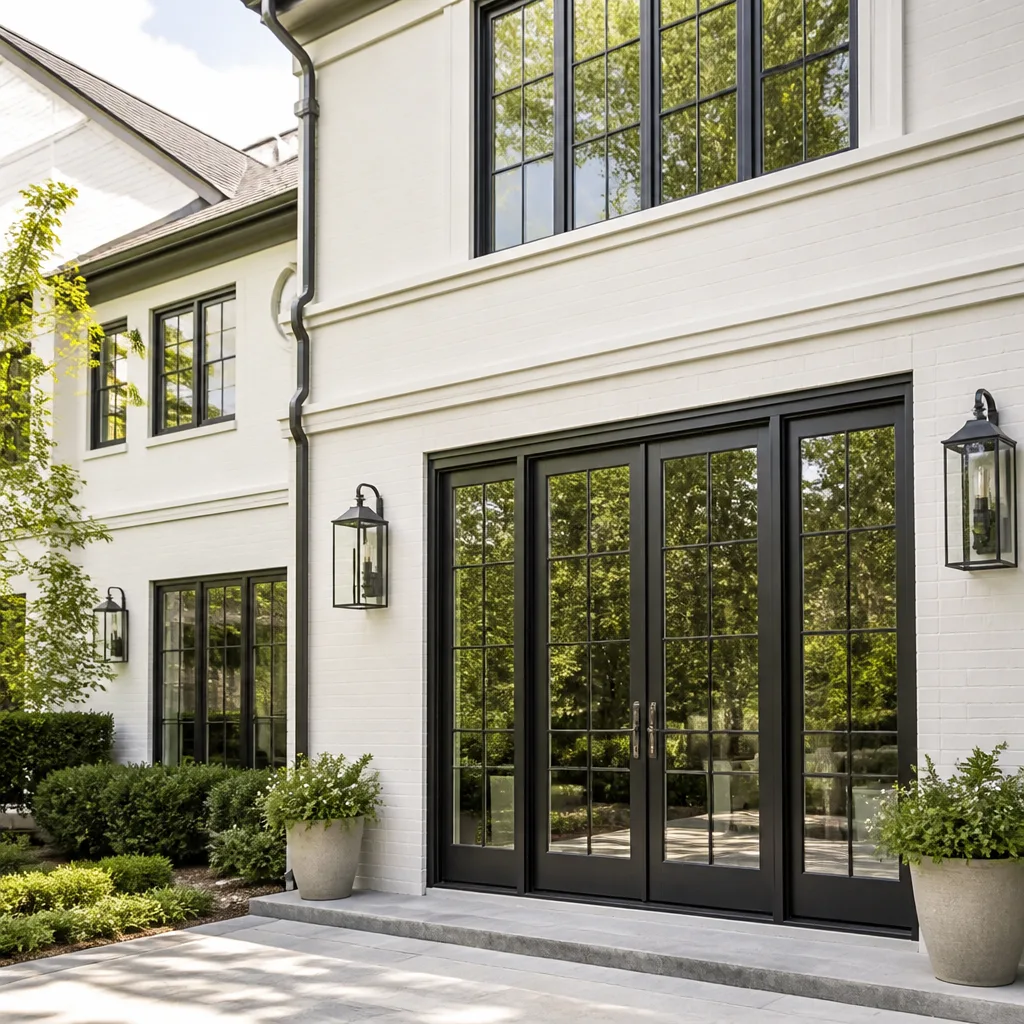 Windows & doors
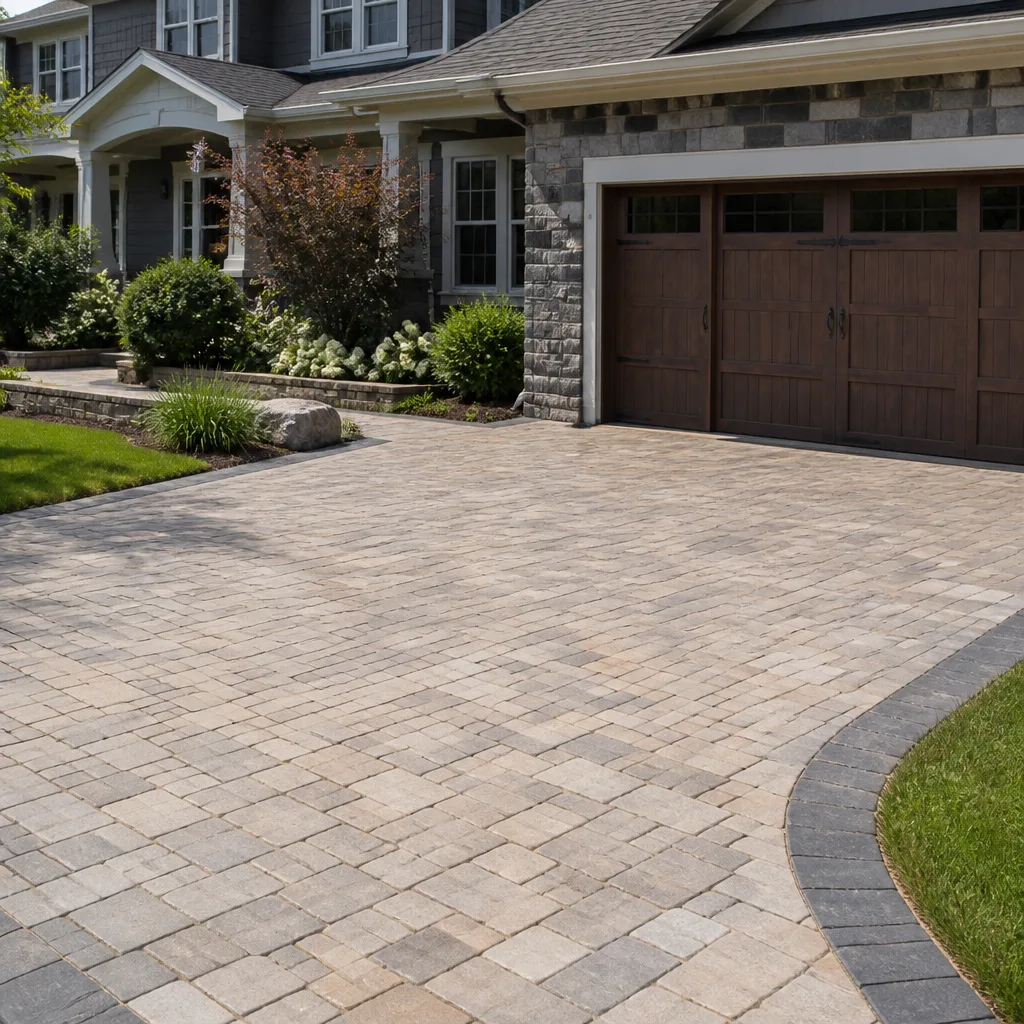 Driveway & pavers
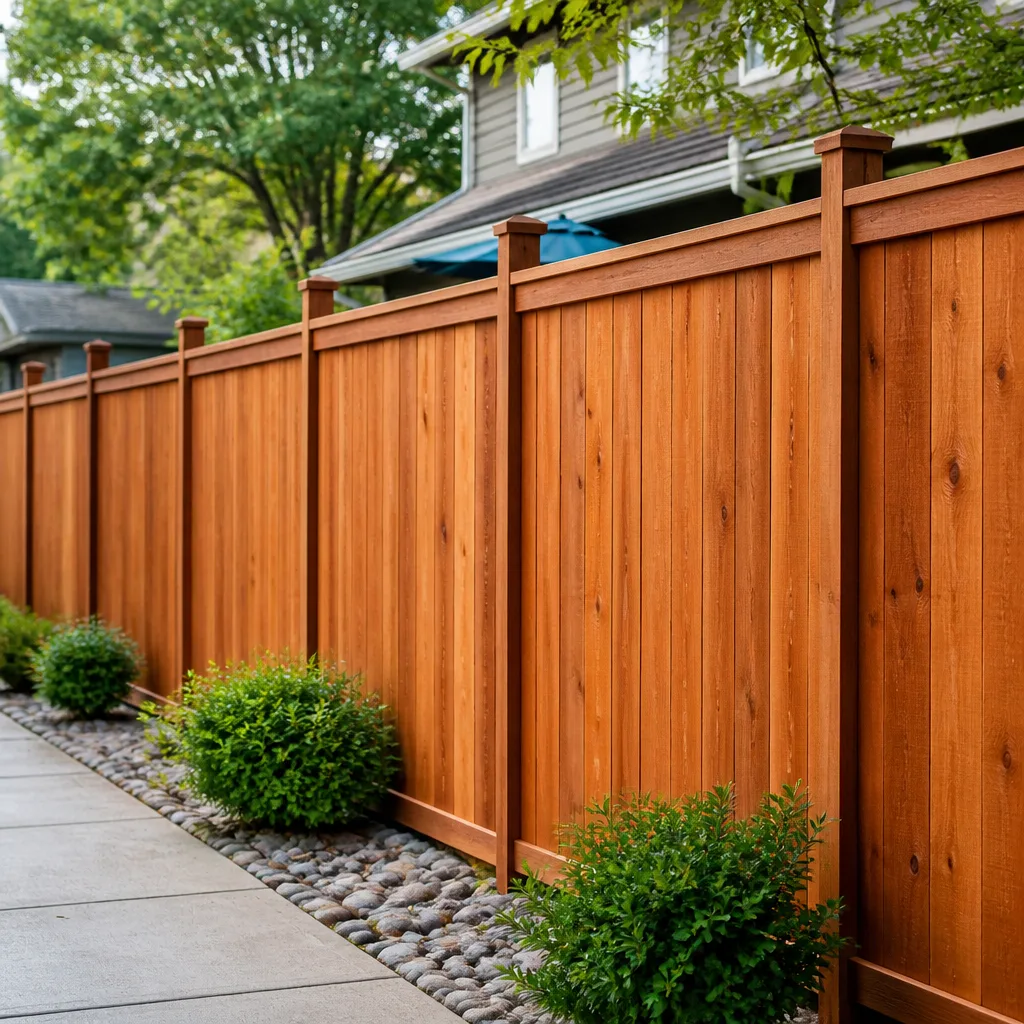 Fence
Free written scope consultation - allowances, timeline, and change-order rules on paper before a single trade is scheduled
General Contractor Maintenance Checklist for Chinatown Homeowners
Most maintenance checklists assume you live in a single-family house with a pitched roof, a lawn, and four walls that belong only to you. That assumption falls apart fast in Chinatown, where a large share of the housing stock was built before 1970, where attached and semi-attached construction is the norm, and where the urban micro-climate grinds away at exterior surfaces differently than it does in the suburbs. This guide is built for what Chinatown homes actually are. You’ll learn which maintenance items deserve your attention, which ones you can safely handle yourself, and where a licensed general contractor’s walk-through will catch what a standard checklist will not.
Styles & brands we work with
Quick Answer
A Chinatown home maintenance checklist should prioritize flat and low-slope roof drainage before the winter rain season, party-wall and shared-structure inspections for attached units, and monitoring of pre-1970 galvanized and cast-iron plumbing that behaves very differently from modern PEX. Most homeowners can handle monthly drainage cleanup and visual checks, but an annual general contractor walk-through is the most reliable way to catch structural and waterproofing issues before they turn into five-figure repairs. For related reading, see our General Contractor Troubleshooting: Common Problems and How to Fix Them.
Table of Contents
- Roof and Drainage Checks for Flat and Low-Slope Roofs
- Party Walls and Shared Structure Inspection Items
- Plumbing Monitoring for Pre-1970 Galvanized and Cast-Iron Systems
- Exterior Masonry, Stucco, and Siding Checks
- Seasonal Maintenance Schedule for Chinatown
- DIY Tasks vs. General Contractor Walk-Throughs
- Common Mistakes to Avoid
- When to Call a Professional
- Frequently Asked Questions
- The Bottom Line
Roof and Drainage Checks for Flat and Low-Slope Roofs
Chinatown has a significant number of buildings with flat or low-slope roofs, a style that made sense for mid-century construction but demands more attention than a pitched roof ever will. A pitched roof sheds water by gravity. A flat roof depends on a functioning drainage system, and when a single scupper or drain clogs, water pools. Over time, standing water attacks the membrane, finds a seam, and works its way into the structure below. In our experience walking Chinatown properties, roof drainage is the single most common source of preventable water damage in this area.
Los Angeles gets most of its rain in a few short, intense bursts between December and March. That pattern means drainage systems sit dry and neglected for eight months, then get asked to move serious volumes of water overnight. Leaves from street trees, urban grit, and plastic debris accumulate in drains and scuppers all through the dry season. When the first heavy rain hits, the system backs up immediately. We recommend checking flat roof drainage twice in the fall, once in October and again in late November.
Here is the step-by-step drainage check we run on flat and low-slope Chinatown roofs:
- Clear every scupper, drain basket, and downspout opening of leaves, sediment, and trash. Even a partial blockage slows water enough to create ponding.
- Inspect the roof membrane for blisters, cracks, and pulled seams. Pay close attention to penetrations like vent pipes, skylights, and HVAC curbs, where most leaks begin.
- Look for ponding areas that remain wet 48 hours after rain. Persistent ponding indicates low spots that may need tapered insulation or a new drain location.
- Check parapet walls and coping caps for cracked mortar, failed sealant, or rusting metal. Water entering through a parapet can travel far from the visible entry point before showing up inside.
- Test the overflow drains. If primary drains clog, overflow drains are the only thing stopping water from ponding enough to cause structural loading. Many older Chinatown buildings have clogged or missing overflow protection.
If you are not comfortable working at height, do not get on the roof. A fall from even a single-story commercial roof is a serious, life-changing injury. Hire a roofer or a General Contractor in Chinatown for the inspection. Roofing material selection matters too. While this guide focuses on maintenance, when the time comes to replace a flat roof, we generally look at manufacturers like GAF and CertainTeed for membrane longevity and warranty depth. A well-maintained flat roof on an older Chinatown building can last 15 to 25 years depending on material and exposure, but a neglected one can fail in half that time.
Party Walls and Shared Structure Inspection Items
Attached and semi-attached construction is common throughout Chinatown, and it changes the maintenance equation in ways a detached home never faces. A party wall is legally shared, which means problems on your neighbor’s side become problems on your side weather, pests, and fire protection are all connected. Standard homeowner checklists rarely mention party walls at all, which is precisely why they become expensive surprises.
The first thing to understand is that a party wall is a system, not just a wall. It includes the shared wall assembly, the roof intersection where the two buildings meet, parapet walls, any shared drainage, and sometimes shared utility chases. When we do a walk-through on an attached Chinatown property, here is what we inspect:
- Roof intersection flashings: Where your roof meets the neighbor’s roof or wall, the flashing is the weak point. Look for pulled fasteners, dried sealant, and visible gaps. This is the number one source of water intrusion in attached buildings.
- Parapet wall condition: Parapets on party walls are exposed on three sides and deteriorate faster than any other wall surface. Check for cracked stucco, spalling brick, and rusting cap flashing.
- Shared plumbing vent stacks: In older construction, vent stacks sometimes run inside or alongside party walls. A clogged or cracked vent affects drainage in both units and can be a real coordination challenge to repair.
- Fire separation condition: Many pre-1970 Chinatown buildings have fire separation that falls short of current code. Look for gaps where utilities pass through the party wall, missing fire blocking, or ceiling penetrations that were never sealed.
- Termite and pest pathways: Attached buildings offer pests continuous hidden pathways between units. If your neighbor has a termite issue, your side of the wall is already exposed. Annual inspections catch activity early.
- Settlement and movement signs: Diagonal cracks near party wall corners, doors that suddenly stick, or visible separation between the wall and the ceiling can indicate differential settlement between the two structures.
- Check water pressure at a fixture once per quarter. Use a simple pressure gauge that threads onto a hose bib or laundry connection. Normal residential pressure is 40 to 60 psi. A steady decline suggests galvanized supply line degradation.
- Flush a toilet and watch the refill. If the refill is slow while other fixtures are off, the supply line to that branch may be restricted.
- Run hot water in a sink for two minutes, then feel the pipe under the sink. If the hot water pipe is barely warm while the water is hot, you are losing heat through a corroding pipe wall, which also means the pipe itself is thinning.
- Look for discoloration. Brown or orange water after the tap has been off for several hours, especially first thing in the morning, is a sign of rust inside galvanized lines.
- Note any sewage odor near floor drains or in wall cavities. A cast-iron drain line with a developing crack will sometimes emit odor before it actually leaks water.
- Stucco cracks wider than 1/16 inch, especially those radiating from window corners or door headers. These often indicate structural movement or failed flashing.
- Efflorescence, the white chalky mineral bloom that appears on brick and stucco. It means water is moving through the wall and depositing salts on the surface. Catch it early and fix the water source before the surface begins to spall.
- Paint failure on wood trim or siding within two years of application. Premature paint failure usually means moisture is getting into the wood from behind, not a problem with the paint itself.
- Rust streaks below metal fasteners or flashing. Rusting fasteners expand and can crack the surrounding stucco or masonry.
- Vegetation growing from wall cracks or at the base of walls. Root systems force cracks wider and hold moisture against the surface.
- Inspect and repair all exterior caulking and sealants around windows, doors, and penetrations while surfaces are fully dry.
- Paint or seal exposed wood trim and siding. Chinatown’s particulate load shortens the life of unprotected wood significantly.
- Check exterior masonry and stucco for the cracks and efflorescence described in the previous section.
- Service any roof and yard drains while dry, clearing out months of accumulation.
- Inspect fencing and hardscaping, if present. Wood fencing rots at the soil line, and concrete hardscaping shifts with the expansive adobe soils found in pockets of central LA.
- Plan any interior remodeling work. Dry-season construction avoids many weather-related delays, which we cover in more detail in our Timberline Contractors home guide.
- Clean all roof drains and scuppers again before the first major storm, even if you did it in October.
- Walk the interior after every significant rain event, checking ceilings, window sills, and baseboards for moisture or staining.
- Check that downspouts direct water at least three feet away from the foundation. In attached buildings, check that your downspout is not directing water onto the neighbor’s foundation or property.
- Monitor indoor humidity and ventilation. Closed-up rain-season homes in older Chinatown buildings can develop condensation issues, especially in kitchens and baths without proper exhaust.
- Look for new cracks in walls or ceilings after heavy rain. The ground absorbs water and expands, and buildings on older foundations can shift visibly within a single wet season.
- Clearing roof drains, scuppers, and gutter debris at ground level or on safely accessible roofs.
- Documenting visual observations with photos and notes over time, creating a maintenance history that contractors can use.
- Checking water pressure with a gauge and monitoring for slow drains.
- Testing GFCI outlets and smoke detectors monthly.
- Cleaning range hood filters, bathroom exhaust fans, and dryer vents.
- Inspecting caulking and noting cracks for later professional repair.
- Structural evaluation of roof framing, party walls, and foundation conditions.
- Waterproofing assessment of roof membranes, flashings, and below-grade walls.
- Plumbing system diagnosis for age, material condition, and code compliance.
- Electrical panel and wiring evaluation for safety and capacity, including any pre-1970 knob-and-tube or cloth wiring.
- HVAC and ventilation adequacy for the building’s size and use.
- A written prioritized repair list with cost ranges for budgeting.
- Treating a flat roof like a pitched roof. Flat roofs need drainage maintenance every fall, not just a visual check after a leak starts. Ignoring a clogged scupper for one rain season can destroy a roof system that had years of life left.
- Assuming a party wall is the neighbor’s responsibility. In attached Chinatown buildings, party wall problems are almost always shared problems. Waiting for the neighbor to fix something on their side only gives water and pests more time to spread to your side.
- Painting over stucco cracks without fixing the cause. Paint seals the surface and hides the symptom while water continues to enter behind the wall. The crack will reappear, and the hidden damage will be worse.
- Putting off a repipe because the plumbing “still works.” Galvanized and cast-iron systems fail gradually until they fail suddenly. A full repipe costs thousands, but emergency water damage repair plus repipe costs far more, and usually involves reconstruction.
- Ignoring drainage because it only rains a few months a year. LA rainfall is infrequent but intense, which means drainage problems compound between rains and reveal themselves all at once. A system that failed in March needs repair before November, not next spring.
- Skipping the contractor walk-through because you are not remodeling. Maintenance inspection and remodeling are separate services with separate purposes. A walk-through finds problems before they force you into unplanned remodeling.
- Choosing the cheapest material for exterior repairs. Urban particulate, sun exposure, and building movement demand more from exterior finishes here. Cheap paint and caulk fail in two years. Quality products from manufacturers like PGT and CGI for windows and doors, or CWS for exterior refinishing, last multiples longer in this environment.
If you notice any of these issues, document them with photos and contact your neighbor. Shared repairs are legally complicated in attached housing, especially in older buildings where ownership of the wall itself may be defined in decades-old deed language. Having a licensed contractor examine the wall and provide a written scope of work can clarify who is responsible for what before cost becomes an argument.
Plumbing Monitoring for Pre-1970 Galvanized and Cast-Iron Systems
A significant portion of Chinatown’s housing stock still carries original galvanized steel and cast-iron plumbing. These systems behave nothing like modern PEX or copper. They degrade from the inside out, and the first sign of failure is usually not a dramatic burst pipe but a slow decline in water pressure, rust-colored water at the tap, or the sound of water running when nothing is on.
Galvanized pipes corrode internally over decades, building up mineral scale and rust that narrows the effective pipe diameter. By the time a galvanized supply line is 50 or 60 years old, the interior opening can be reduced to the diameter of a pencil. You will notice it first at fixtures that run for longer periods, like showers and washing machines. Water pressure drops progressively, and no amount of faucet aerator cleaning will fix it.
Cast-iron drain lines fail differently. They typically fail at the bottom of horizontal runs, where sewage sits against the pipe wall and corrodes from the inside. The first signs are slow drains, gurgling sounds from toilets, or a sewage odor that comes and goes. Eventually, the bottom of the pipe flakes away entirely, and you have a collapsing drain system under the slab or in the walls.
Here is a monitoring routine we recommend for older Chinatown plumbing:
If you are in a pre-1970 building and the plumbing has never been replaced, plan for a repipe eventually. The good news is that full repipes in this scale of building are well within the scope of a Home Remodeling in Chinatown project, and many clients choose to combine a repipe with a kitchen or bath renovation since walls are already open. For fixtures and finishes after the repipe, we have access to plumbing brands including Kohler and Toto, so the visible hardware lasts as long as the new pipes behind it.
Exterior Masonry, Stucco, and Siding Checks
Urban particulate is hard on exterior surfaces. Chinatown sits in a dense urban core with vehicle exhaust, regional dust, and occasional industrial particulates. These contaminants settle on stucco, brick, and siding, and over time they embed into the surface. Combined with winter moisture, they can accelerate staining, efflorescence, and even surface erosion. Homes in this area need exterior surface attention more frequently than homes in coastal or hillside neighborhoods where rain and wind scrub the surfaces naturally.
Stucco is the most common exterior finish on older Chinatown buildings, and it has a specific failure signature. Hairline cracks that stay hairline are cosmetic. Cracks wider than the edge of a credit card are structural or moisture-related and need professional evaluation. The danger with stucco is that water enters through a crack, gets trapped behind the finish, and slowly rots the framing or rusts the wire lath behind the wall. By the time stains appear on interior drywall, the hidden damage is already significant.
Here is what to look for on exterior surfaces:
For homeowners considering re-siding a worn exterior, James Hardie fiber-cement siding is our standard recommendation for urban environments. It holds up to particulate exposure better than wood, resists moisture far better than traditional stucco repairs, and comes with manufacturer warranty support that most stucco patch jobs cannot match. When exterior surfaces need more than spot repair, a full Home Renovation in Chinatown may be the right path, and material choice becomes a long-term decision rather than a band-aid.
Seasonal Maintenance Schedule for Chinatown
The climate in Chinatown breaks down into two practical maintenance seasons: the long dry stretch from April through October, and the shorter but far more demanding rain season from November through March. The most effective maintenance plan works with that rhythm rather than following a generic four-season checklist written for the Northeast or Midwest.
Use the dry season for projects that require dry surfaces and open access: painting, caulking, stucco repair, deck and fence work, exterior wood replacement, and any waterproofing work. Use the rain season for observation; that is when your drainage systems and waterproofing details either prove themselves or fail. Watching how your building handles rain tells you exactly where to focus your next dry season.
Dry Season Checklist (April through October)
Rain Season Checklist (November through March)
DIY Tasks vs. General Contractor Walk-Throughs
There is a real division between what a homeowner can reasonably handle and what requires the eye of a licensed general contractor. The homeowner’s role is observation and basic clearing. The contractor’s role is evaluation, diagnosis, and correction. The line between the two is where most expensive mistakes happen, because homeowners either overestimate what they can fix or ignore what they cannot see.
Homeowner DIY Maintenance Tasks
Licensed General Contractor Walk-Through Items
We recommend scheduling one comprehensive walk-through every two to three years, or annually if you own an attached building or a property built before 1960. In our experience, the walk-through fee pays for itself by catching a $3,000 flashing repair before it becomes a $25,000 structural rotation and drywall job.
Common Mistakes to Avoid
When to Call a Professional
Call a licensed general contractor when you see persistent ponding on a flat roof after clearing drains, diagonal cracks in walls or ceilings, water stains that reappear after drying, sewage odor that comes and goes, or any sign of termite activity in an attached building. If you’re new to hiring in this area, our How to Hire a Construction Contractor in Chinatown: A Step-by-Step Guide walks you through the process. These are not items that resolve themselves. Call when your home is pre-1970 and has never had a comprehensive plumbing and structural evaluation. And call before you buy, if you are purchasing an older Chinatown property and want to know what the seller’s inspection missed. Timberline Contractors offers free estimates in Chinatown, call (866) 253-5808.
Frequently Asked Questions
Inspect flat roof drainage twice in the fall, once in October and again in late November, and after any rain event that drops more than one inch in a day. Flat roofs in Chinatown collect urban debris and tree litter during the dry season, and a single clogged drain is all it takes to create ponding that attacks the roof membrane. If you are not comfortable on a roof, call a contractor for the inspection; it is safer and they will check the flashings you cannot see from the ground. Call (866) 253-5808 to schedule a roof and drainage assessment.
A party wall is the shared wall between two attached or semi-attached buildings, and maintenance responsibility is typically shared between both property owners, though the specific terms are often buried in decades-old deed language. In practice, water damage, pest issues, or structural problems in a party wall affect both sides regardless of where they start. If you spot a potential party wall problem, have a licensed contractor document it with photos and a written scope before approaching your neighbor, so the conversation starts with facts rather than blame.
You likely need a repipe if you have galvanized steel supply lines or cast-iron drains that are original to the building, especially if you are seeing declining water pressure, rust-colored water, recurring drain clogs, or sewage odors. These systems were never designed to last this long, and they fail from the inside out. A plumbing evaluation from a general contractor can tell you what material you have, what condition it is in, and what a repipe will cost before you are forced into an emergency repair.
Yes, Timberline Contractors operates as a full-scope general contractor, which means interior remodeling, exterior envelope work, roofing, fencing, hardscaping, and even ADU construction can all be managed under one contract with one accountable party. This structure eliminates the coordination chaos that comes with hiring a separate roofer, plumber, stucco specialist, and remodeler on the same project. Look at our General Contractor in Chinatown page for more on how full-scope management works.
Attached Chinatown homes need party wall flashing and parapet inspection at roof intersections, fire separation checks where utilities pass through shared walls, shared drainage coordination with neighbors, and settlement monitoring along shared wall corners. None of these appear on standard single-family checklists, and they are the items most likely to cause expensive damage in older attached construction. An annual walk-through by a contractor who knows this building type is the most reliable way to catch these issues early.
Most general contractor walk-throughs in Chinatown run from $250 to $600 depending on property size, age, and scope of evaluation, and many contractors including Timberline Contractors will credit the inspection fee toward future work if you proceed with a project. A comprehensive inspection on a pre-1970 attached building with roof access, plumbing evaluation, and structural review is at the higher end of that range. Call (866) 253-5808 to get an exact quote for your property; estimates are free.
The Bottom Line
Chinatown homes need a maintenance approach that respects what they actually are: older, often attached, with flat roofs and aging plumbing that standard checklists fail to address. Prioritize drainage before the rain season, inspect party walls as shared systems, monitor pre-1970 plumbing closely, and pay attention to exterior surfaces that urban exposure wears down faster than suburbs. Handle observations and simple clearing yourself. Bring in a licensed general contractor for structural, waterproofing, and system evaluations every two to three years. For more guides & resources on maintaining older urban homes, visit our blog. A few hundred dollars of proactive inspection consistently beats tens of thousands in reactive repair. Call (866) 253-5808 for a free estimate on any maintenance-related repair or full-scope renovation in Chinatown.
Written by the team at Timberline Contractors, serving Chinatown since 2018.
See the difference
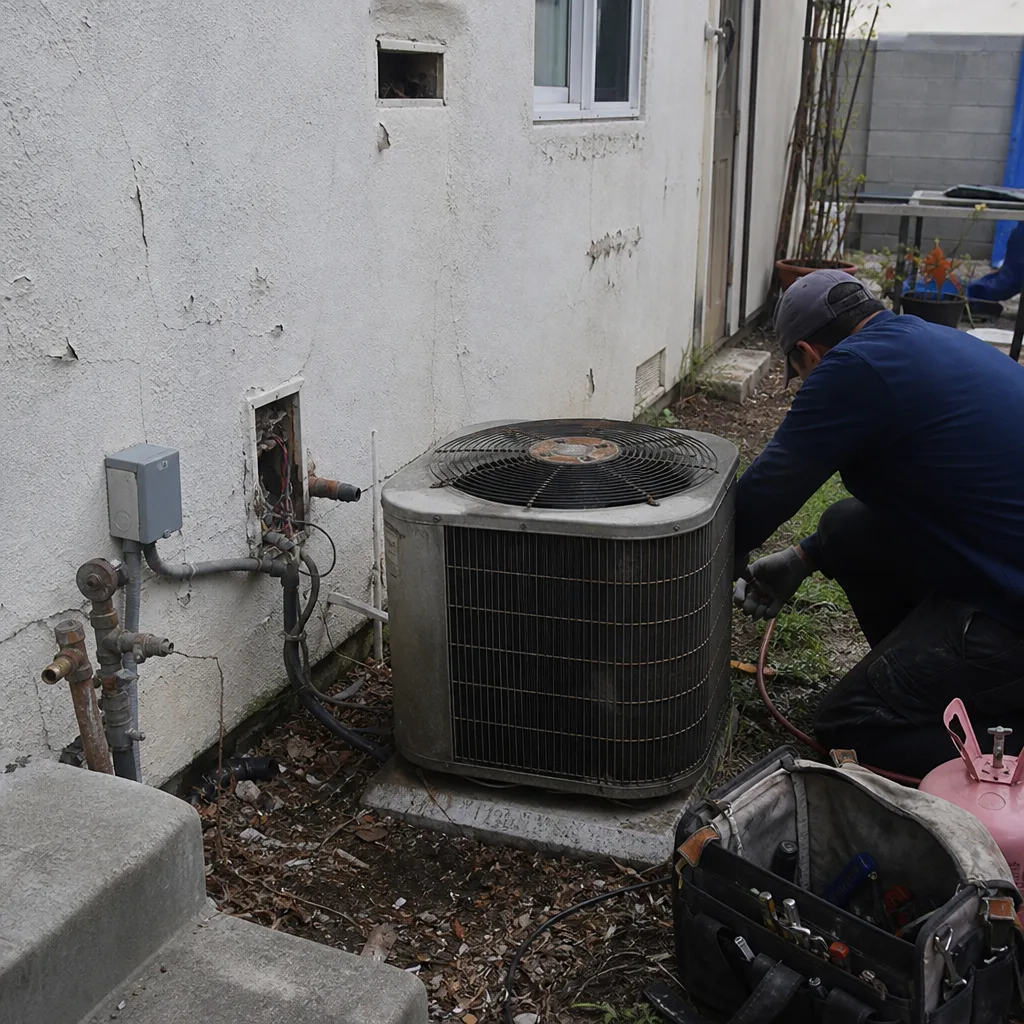 Before
 After
 Before
 After
 Before
 After