
Last updated October 31, 2026
 Kitchen remodeling
 Bathroom remodeling
 Home additions & ADU
 Roofing
 Windows & doors
 Driveway & pavers
 Fence
Free written scope consultation - allowances, timeline, and change-order rules on paper before a single trade is scheduled
General Contractor Troubleshooting: Common Problems and How to Fix Them
Most homeowners assume remodeling disasters begin with a hammer swing gone wrong. In our experience across Chinatown, they actually start weeks earlier, in a spreadsheet cell nobody updated, a material lead time nobody checked, or a handoff conversation between trades that never happened. This guide walks through the real failure points in a general contracting project and gives you practical, specific fixes. You’ll learn what to watch for in week one, how to handle a subcontractor who vanishes, what a legitimate change order looks like versus a padded one, and how to document everything so you’re never caught without leverage.
Quick Answer
Most general contractor problems trace back to three upstream failures: unclear scope in the contract, unmanaged material lead times, and poor coordination between subcontractors. Fix them by getting a written schedule of values before work starts, requiring weekly written updates, documenting every conversation, and hiring a GC who manages the entire project under one contract instead of leaving you to coordinate trades yourself.
Styles & brands we work with
Table of Contents
- Week One Warning Signs That Predict Mid-Project Problems
- How to Tell a Legitimate Change Order From a Padding Scheme
- What to Do When a Subcontractor Goes Dark Mid-Project
- Material Substitution Red Flags: When “Equivalent” Isn’t Equal
- How to Document Problems in Real Time So You Have Leverage
- Permit and Inspection Problems: What Actually Gets Flagged in Chinatown
- Payment Schedule Disputes: Why Draw Schedules Go Wrong
- Common Mistakes to Avoid
- When to Call a Professional
- Frequently Asked Questions
Week One Warning Signs That Predict Mid-Project Problems
The first five business days of a remodel tell you more about how the next three months will go than any sales pitch ever could. We’ve walked onto projects in Chinatown where demolition had already started and the answer was obvious within an hour: this job was going to fight the homeowner the entire way. Here are the five signs we look for, and exactly what to say to your contractor when you spot them.
Sign 1: No written schedule of values. A schedule of values is a line-by-line breakdown of every cost category in your project: demolition, framing, plumbing rough-in, electrical, drywall, tile, finish carpentry, and so on. If your contractor can’t produce one, or produces one that reads “labor and materials” as a single line item, you have no way to verify that payments match progress. Say this: “Can you send me the schedule of values with cost codes for each phase? I want to track progress against the draw schedule.” If they push back, that’s a red flag the size of a sheet of plywood.
Sign 2: No designated project manager. Someone needs to be the single point of contact. If the answer to “who do I call with questions?” is “anyone on the crew,” you’ll spend your project playing telephone. A legitimate GC names one person. The fix: “Please put the project manager’s name and cell number in writing, and confirm they’ll be on-site at least once per day.”
Sign 3: Demolition starts before permits are posted. In Chinatown, like everywhere else in California, permits must be posted at the job site before work that requires them can begin. If the dumpster shows up and walls start coming down before the permit card is visible, you’re being set up for a stop-work order. The fix: “I need to see the posted permit before demo continues.” No permit, no demo. That’s not you being difficult. That’s you protecting your property from a code enforcement nightmare.
Sign 4: The material order list is vague. Ask for the purchase list of what’s been ordered and confirmed. If the answer is “we’ll order when we get there,” expect a three-week stall when the tile you picked is suddenly backordered. The fix: “Send me the confirmed PO list with lead times for every item over $100.” This forces upstream planning and exposes gaps before they become delays.
Sign 5: No daily log system. A contractor who doesn’t track daily progress in writing can’t tell you what happened two weeks ago when a dispute arises. Ask: “How do you log daily work? I’d like a copy at the end of each week.” If they look confused, that’s the whole answer.
One more Chinatown-specific note: many of the older buildings here have lath-and-plaster walls, not drywall. That changes demo scope, dust containment, and disposal costs. A contractor who quotes Chinatown work without mentioning lath-and-plaster either hasn’t looked at the building or doesn’t know the difference. Either way, that’s your cue to ask harder questions before signing. We work on these buildings regularly, and the difference between a crew that knows how to handle plaster dust and one that doesn’t is visible by day two.
How to Tell a Legitimate Change Order From a Padding Scheme
Change orders are the single most common source of budget overruns in remodeling, and the line between legitimate and padded is not always obvious. A legitimate change order responds to something discovered after the walls are open: rotted framing, outdated wiring that won’t pass inspection, a plumbing stack in a different place than the original plans showed. A padded change order responds to a contractor who bid too low and needs to recover margin on your back.
Here’s the distinction in practical terms. Ask these four questions every time a change order lands in your inbox:
- What specifically changed, and why couldn’t it have been known at bid time? If the answer is “we didn’t look at the crawl space,” that’s a bidding failure, not a legitimate change. If the answer is “the original 1920s wiring is cloth-insulated and won’t pass,” that’s a discovery.
- Can I see the supporting documentation? A legitimate change order includes a photo of the condition, a reference to the relevant code section, or a manufacturer spec sheet. Vague “unforeseen conditions” language without evidence is how margins get rebuilt.
- Which line items does this change affect, and which does it not? A legitimate change order adjusts the specific line items it touches. A padded one adds a percentage to the whole job “for coordination.” Coordinate what, exactly?
- Will there be a credit back for anything removed? If you upgrade from stock laminate to Cambria quartz, you should be charged the difference, not the full price of the quartz. The deleted item’s cost should be credited.
A clear, itemized change order process is one of the things we build into our contracts from day one. When you work with a contractor who manages the entire scope, you see the actual line items. When you hire trade-by-trade, each subcontractor has their own change order incentives, and nobody is accountable for the total. That’s how a $4,000 electrical change becomes a $12,000 cascade across three trades that each need to “rework” their scope.
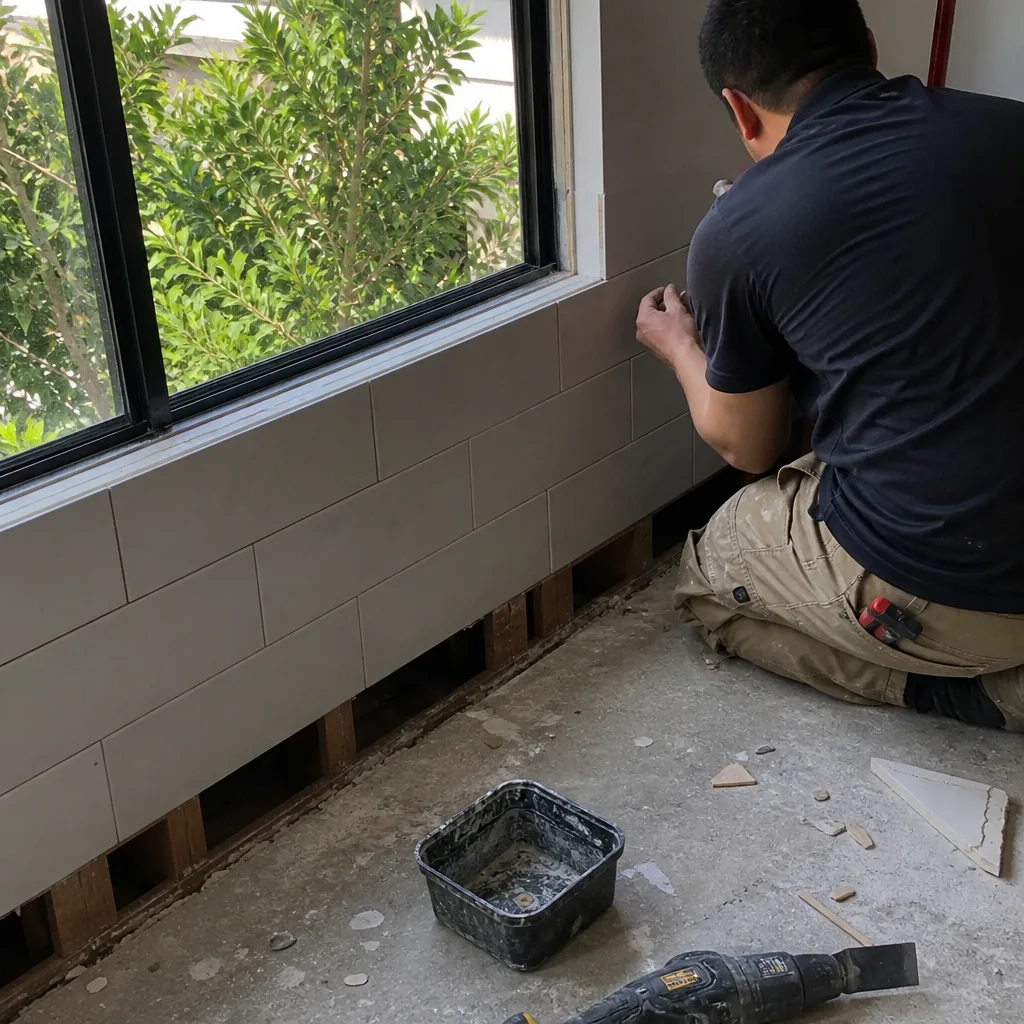
Real example from a Chinatown project: a homeowner was told by a subcontractor that the existing subfloor needed full replacement before tile could go down. The ask was $6,800. The homeowner asked for a photo. The subfloor had a single soft spot about two feet square, repairable for under $400 in materials and a half day of labor. The change order became a $600 repair. The photo request saved $6,200. That’s the whole game: evidence over assertion, every time.
What to Do When a Subcontractor Goes Dark Mid-Project
A subcontractor who stops returning calls is not just a scheduling annoyance. It’s a payment risk, a lien risk, and a signal that your general contractor doesn’t have the relationships to keep the job moving. Here’s the escalation path, step by step.
Step 1: Notify your GC in writing the same day. A phone call is fine for urgency, but send an email that same afternoon. “As of today, [subcontractor name] has not responded to calls or texts for three days. Please advise on the plan to get this phase back on schedule.” This starts the documentation clock. If this becomes a dispute, you want a paper trail that shows you flagged it early.
Step 2: Ask for the GC’s backup plan in 48 hours. A competent general contractor has a second-tier relationship with another trade or the ability to pull someone from another project. If the answer is “we’re trying to reach them,” that’s not a plan. The response you want: “We’ve scheduled [alternate subcontractor] to walk the site Thursday and will have a new schedule to you by Friday.”
Step 3: Address lien exposure immediately. In California, subcontractors and suppliers can file mechanics liens against your property if they haven’t been paid, even if you paid the general contractor in full. When a sub goes dark, they may also be going unpaid, which means a lien could be coming. Ask your GC for lien waivers from that subcontractor covering all work completed to date. If the GC can’t produce them, you have a problem with your GC, not just with the sub.
Step 4: Know when to escalate. If a sub has been dark for two weeks and your GC hasn’t replaced them, you’re not in a scheduling hiccup. You’re in a management failure. This is the point to have a direct conversation about remedies, including whether you’ll be withholding the next draw until the work is back on track.
This entire problem category is why the single-source GC structure exists. When we run a project in Chinatown, there is no “not my problem” handoff between trades. The plumber, the electrician, the drywall crew, and the tile installer all answer to the same project manager, and the project manager answers to you. If a sub goes dark, the fix is our job, not yours. That accountability is the core reason to hire a Timberline Contractors home team that manages the full scope instead of a loose collection of separate contractors.
Material Substitution Red Flags: When “Equivalent” Isn’t Equal
Almost every remodeling contract contains language about substitutions. The words vary: “of equal or better quality,” “comparable product,” “contractor’s discretion.” Some of this is necessary. Manufacturers discontinue lines, backorders happen, lead times stretch. But substitution language is also where a contractor protects margin at your expense, and the difference between a legitimate protection and a margin game is knowable.
Red flag 1: “Equivalent” without a definition. What does equivalent mean for a window? U-factor? Solar heat gain coefficient? Air infiltration rating? If the contract says “or equal” but doesn’t define equal, the contractor can install a window that looks vaguely similar but performs completely differently. The fix: before signing, ask that any substitution requires written approval from you, with the specific product model and spec sheet attached. You should not be approving “a comparable window.” You should be approving an ES Windows model ESW-7200 instead of the Therma-Tru product originally specified.
Red flag 2: Substitution proposed after the contract is signed, with urgency. “The tile you picked is backordered 12 weeks, but we have this other one that’s basically the same and available now.” The pressure to decide quickly is the tell. A legitimate contractor gives you options and time. A margin-protecting contractor gives you one option and a deadline. Take the time anyway. Verify the backorder yourself with a quick call to the supplier if you can.
Red flag 3: The substitution changes the product category, not just the brand. Substituting one quartz brand for another is a conversation worth having. Substituting quartz for laminate is a different conversation, and the credit owed to you should be significant. We see this most often with install categories: a homeowner specifies a Schluter waterproofing system, and the crew shows up with a different membrane that doesn’t carry the same warranty integration. The materials look similar. The long-term failure risk does not.
What legitimate substitution looks like: The contractor identifies the issue early, presents you with two or three options that are genuinely comparable in performance and price, includes the spec differences in writing, and lets you choose without pressure. One advantage of working with a contractor who has access to 50-plus brand partners is that we can usually find a true equivalent from another manufacturer in our network quickly, which is how material problems stay small instead of becoming project-stopping crises. A homeowner in Chinatown who specifies Brizo faucets and finds them backordered doesn’t need to take whatever the supply house has on the shelf. She needs a contractor who can pull from eight plumbing fixture brands in the same tier and present real options.
How to Document Problems in Real Time So You Have Leverage
Disputes in construction are won or lost on documentation, and most homeowners do it backwards. They document the problem after it becomes a crisis. By then, the evidence is scattered, the memories are fuzzy, and the contractor’s version has hardened into the official record. Here’s a documentation system that works, built around the way actual disputes unfold.
Daily photo log. Take three to five photos of the job site every evening, from the same general angles, with a date and time stamp. Do this even when things look fine. You’re not looking for problems. You’re building the record that will show exactly when a problem appeared. If a cracked tile shows up three weeks after installation, your daily photo log shows the crack appeared on day 17, not that it was “always there.” Cloud storage with automatic timestamps beats a camera roll.
Email every conversation that matters. After every site meeting, send a follow-up email that restates what was agreed. “Per our conversation today, you confirmed the Cambria quartz countertops are ordered with a six-week lead time, arriving the week of the 14th.” If the contractor disagrees, they’ll reply. If they don’t reply, you have a contemporaneous record that’s hard to dispute later. This habit is not passive-aggressive. It’s how professionals in every industry operate.
Keep a running issue log. A simple shared document, updated weekly, with three columns: issue, date identified, status. Share it with your contractor every Friday. An issue log changes the dynamic from reactive to proactive. When a problem sits in the log for three weeks with no update, that’s visible. When it’s addressed, that’s visible too. This is the closest thing to a project management dashboard most homeowners will ever have.
Document what you paid, when. Every payment should have a matching lien waiver from the GC and, when applicable, from major subs. California law gives you strong protection here, but only if you exercise it. A homeowner who pays a draw without collecting lien waivers is essentially paying for the same work twice: once to the contractor, and once more to the lien claimant if the contractor doesn’t pay their subs.
The unglamorous truth is that the homeowners who get good outcomes in disputes are not the loudest or the most aggressive. They’re the ones with the photo log, the email trail, and the issue log that tells a complete story. If you’re planning a project in Chinatown, start the documentation habit on day one. It costs nothing and it’s the single highest-leverage thing you can do. This is the kind of process we build into our own project management, because we’d rather show a homeowner the daily log than argue about what happened three weeks ago.
Permit and Inspection Problems: What Actually Gets Flagged in Chinatown
Chinatown has some of the most specific building conditions in California. The neighborhood has a high concentration of older buildings, many with historical character and the structural realities that come with decades of previous remodels layered on top of each other. That context shows up in the permit and inspection phase in predictable ways.
The most common inspection flags we see in Chinatown:
- Unpermitted work from a previous owner. You buy a building, start a remodel, open a wall, and find electrical work or plumbing that was never permitted. The city will require it to be brought up to current code before your new work can be signed off. This is not your fault, but it is your problem. Your GC should have pulled the property’s permit history during the scoping phase, not after demolition.
- Seismic retrofit conditions. Depending on the building’s age and construction type, the city may require certain seismic upgrades as part of a significant remodel. A contractor who doesn’t know this until the inspector mentions it is a contractor who hasn’t done much work in the area.
- Lath-and-plaster demo requirements. Older Chinatown buildings have plaster walls that generate significant dust during demolition. Proper containment, negative air pressure, and lead-paint protocols (for pre-1978 buildings) are typically required. A crew that skips containment gets flagged and shut down.
- Narrow street and alley access. Dumpsters, material deliveries, and equipment staging are all more complicated in dense urban neighborhoods. The city regulates street use permits and dumpster placement. Your GC should handle this without you ever learning about it, but if the dumpster shows up without a permit, that’s a fine coming your way.
The fix for most permit problems is the same: pick a contractor who does enough work in Chinatown to know the common flags before the inspector does. If you want to dig into what a full-scope General Contractor in Chinatown handles, the scope includes pulling all permits, scheduling inspections, and managing corrections. That’s not an add-on service. That’s the job.
Payment Schedule Disputes: Why Draw Schedules Go Wrong
Most payment disputes come down to a mismatch between what you think you’re paying for and what the contractor thinks they’ve earned. The fix is not to pay less. It’s to structure payments so they track demonstrable progress instead of calendar dates or, worse, vague “milestone” percentages that mean whatever the contractor wants them to mean.
The wrong way: 50% upfront, 25% at “midpoint,” 25% at completion. Midpoint of what? Who decides? A contractor who’s overextended has every incentive to declare midpoint early.
The right way: A draw schedule tied to specific, verifiable completions. You have a four-draw schedule. Draw one covers materials ordered (with POs shown to you) and demo complete. Draw two covers rough plumbing, electrical, and framing inspection passed. Draw three covers drywall and tile installation complete. Draw four covers final inspection passed and punch list cleared. Each draw requires a lien waiver from the GC covering the previous draw’s work.
What to do when a dispute arises mid-project:
- Freeze the next draw. Do not pay another cent until the dispute is documented in writing. Paying to “keep the project moving” while a dispute is unresolved eliminates your leverage.
- Put the dispute in writing with a specific ask. “Draw three is scheduled for tile installation complete. As of today, the floor tile in the primary bath is not installed. I’ll release draw three when the tile is complete and an inspection or walkthrough has confirmed it.”
- Request a full accounting of the previous draws. Ask for receipts or invoices matching what you’ve paid. If the contractor can’t show where the money went, you’re not dealing with a cash flow problem. You’re dealing with a management problem.
- Involve your lien waiver rights. In California, that’s your strongest tool. No waiver, no draw.
This is another area where the full-scope structure helps. When a single GC manages Home Remodeling in Chinatown from demo through final inspection, the draw schedule maps to actual project phases that one accountable party controls. When you hire trade-by-trade, each sub wants their own payment schedule, and none of them align with your total project progress. You end up holding the bag on coordination, which is exactly what you were trying to avoid by hiring a general contractor in the first place.
Common Mistakes to Avoid
- Signing a contract without a schedule of values. If the contract doesn’t break down costs by phase and line item, you can’t verify that payments match progress. You’ll end up ahead of the work, which means you lose all leverage if things stall. Ask for the schedule of values before you sign, not after.
- Making verbal change order approvals. A verbal “yeah, go ahead” becomes a $3,000 line item with no paper trail. Every change, no matter how small, gets confirmed in writing with cost and schedule impact. If a contractor resists that, treat it as the red flag it is.
- Paying upfront for materials that haven’t been ordered. A deposit for materials is standard. A deposit for materials with no proof of purchase is a loan, not a payment. Ask for POs or receipts before releasing material deposits.
- Ignoring the permit requirement for work that needs it. Some homeowners in Chinatown feel pressure to skip permits for “minor” work. The problem comes when you sell, refinance, or make an insurance claim and the unpermitted work surfaces. You’ve saved a few weeks and created a multi-thousand-dollar problem for future-you.
- Assuming “licensed and insured” means you’re protected. Licensing and insurance are table stakes, not a guarantee of good outcomes. Verify the license is active, check the insurance certificates, and then watch the week-one signals. A license tells you they’re legal. It doesn’t tell you they’re competent.
- Not collecting lien waivers with every payment. This is the single most common mistake we see in California. You pay the GC, the GC doesn’t pay a sub, the sub files a lien against your property. The waiver is your proof. Never release a payment without one.
- Waiting to document until something goes wrong. The photo log, the email follow-ups, the issue log: these habits are boring until they’re the only reason you’ll win a dispute. Start day one, not day forty when the problem has already metastasized.
When to Call a Professional
Some problems are yours to solve with a phone call or a sharp email. Others require bringing in a professional general contractor who can assess what’s actually happening and fix it. Call a professional if: you’ve spotted two or more of the week-one warning signs and don’t trust the trajectory of your current project; you’re looking at a change order over $5,000 and can’t verify the underlying need; a subcontractor has gone dark and your GC hasn’t replaced them within two weeks; you’ve received a notice of a mechanics lien or a preliminary notice; or you’re planning a significant remodel in Chinatown and want to start with a contractor who manages the entire scope from day one. Home Renovation in Chinatown projects with older building stock benefit from a contractor who knows the area’s specific conditions. Timberline Contractors offers free estimates in Chinatown. Call (866) 253-5808 to schedule yours.
Frequently Asked Questions
Poor communication and unclear scope, which usually shows up as unexpected change orders, scheduling delays, or work that doesn’t match what was discussed. The most effective fix is to require a written schedule of values before signing and weekly written updates throughout the project. Homeowners who do this report dramatically fewer surprises. If you’re starting a project in Chinatown, ask specifically about the contractor’s experience with older buildings in the area. For how to hire a construction contractor in Chinatown: a step-by-step guide, see our detailed walkthrough. Call (866) 253-5808 if you want help scoping a project correctly from the start.
A legitimate change order responds to a condition that couldn’t have been known at bid time, includes photo or code documentation, adjusts specific line items rather than adding a blanket percentage, and credits back any deleted items. A padded change order is vague, urgent, and unsupported by evidence. Ask for the photo, the code reference, and the line-item breakdown every time. Estimates are free at (866) 253-5808 if you want a second opinion on a change order you’ve received.
Stop work that requires permits until the permit is pulled and posted. Proceeding without permits exposes you to stop-work orders, fines, and problems at resale. In Chinatown, many older buildings have complicated permit histories, which makes a contractor who knows the local codes and inspection process even more important. For seasonal construction care for Chinatown: year-round homeowner’s guide, see our tips on protecting these older structures. A legitimate general contractor handles permits as part of the job, not as an afterthought.
At minimum, expect a written update at the end of every week covering progress made, issues encountered, next week’s plan, and any cost or schedule changes. The best contractors also check in daily or every other day with a quick photo or status note. If you’re waiting longer than a week for updates, you’re not being managed. You’re being tolerated.
Yes, you can fire a general contractor mid-project, but the consequences depend heavily on your contract’s termination clause, the payment schedule, and how much documentation you have. California law provides strong protections for homeowners, but you need evidence: photo logs, email trails, and records of what was paid and what was completed. Before taking that step, consider whether you can replace the GC with another firm that can take over the project. Timberline Contractors has taken over mid-project remodels in Chinatown, and the process is always easier when the homeowner has documentation. Call (866) 253-5808 to discuss your situation.
A reasonable schedule ties every payment to verifiable completion: materials ordered (with POs shown), demo complete, rough inspections passed, finishes installed, and final inspection passed. Never agree to 50% upfront. The exact split varies by project size and scope, but each draw should correspond to work you can see and verify. If a contractor pushes for large upfront payments without documented progress points, that’s a sign to keep looking.
The Bottom Line
Most general contractor problems are not the result of bad luck or a cursed project. They’re the result of upstream decisions about scope, materials, and communication that a competent contractor could have caught early. The fix is not to become a construction expert. It’s to demand the documentation habits that make good work visible: a schedule of values, a defined draw schedule, an issue log, lien waivers with every payment, and a contractor who manages the full scope under one point of accountability. Whether you’re planning a project in Chinatown or you’re already mid-project and feeling the strain, the principles are the same. Ask for evidence. Document everything. For more guides & resources, explore our blog. And call us at (866) 253-5808 for a free estimate if you want to start a project with a contractor who runs the process the way it should be run.
Written by the team at Timberline Contractors, serving Chinatown since 2018.
See the difference
 Before
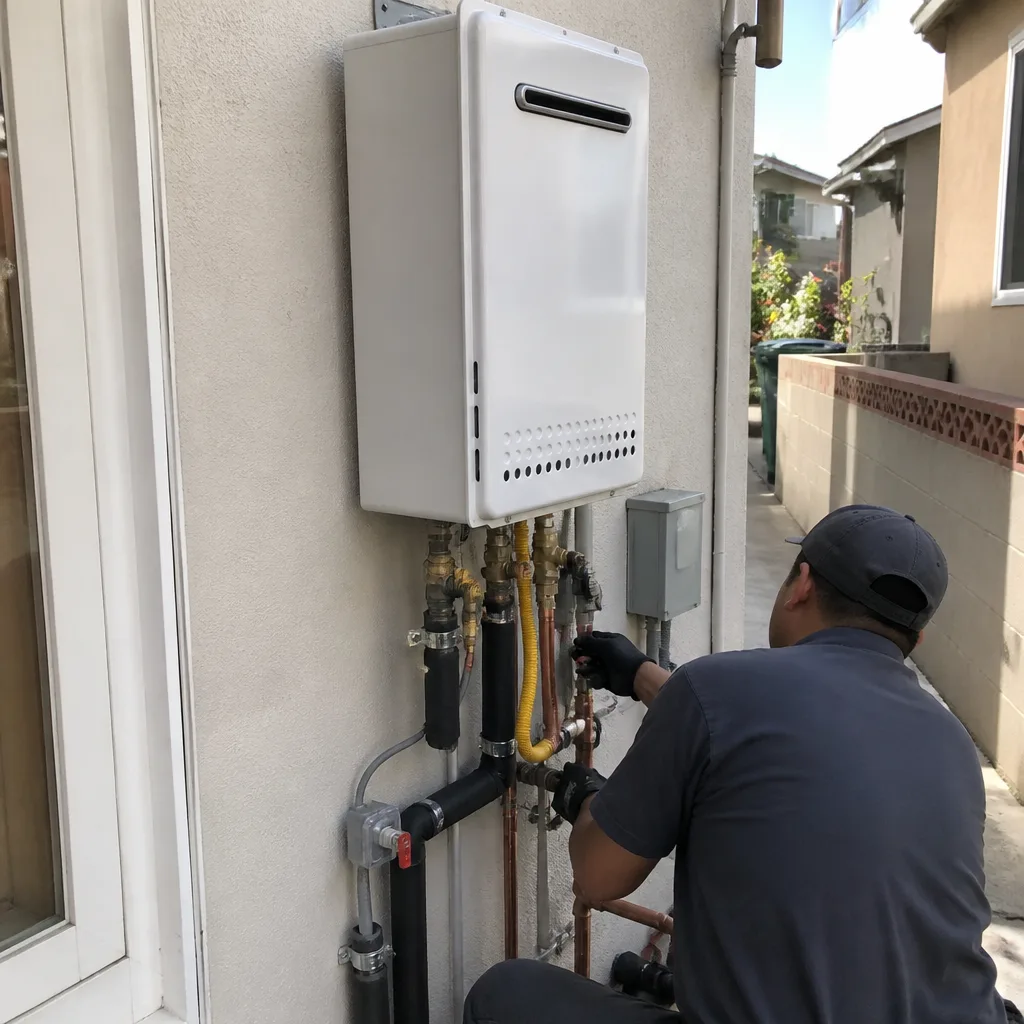 After
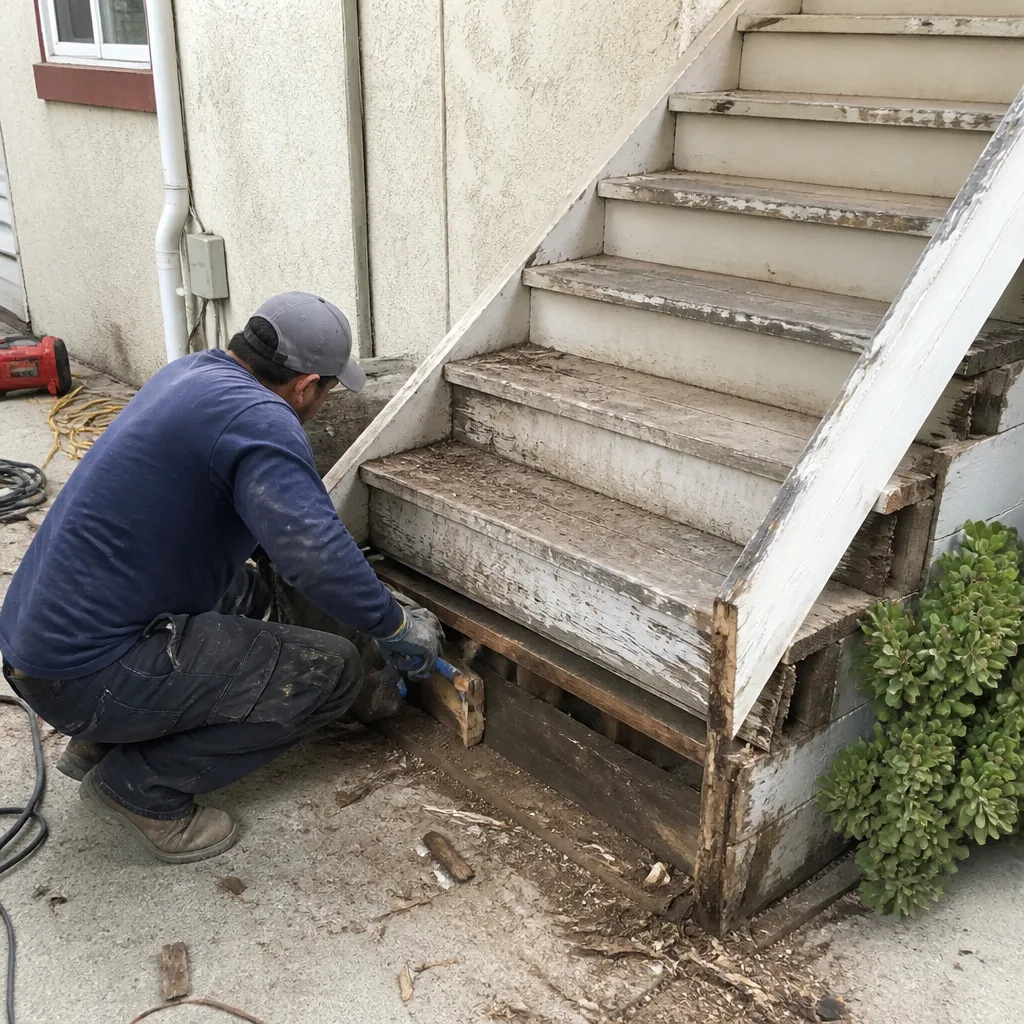 Before
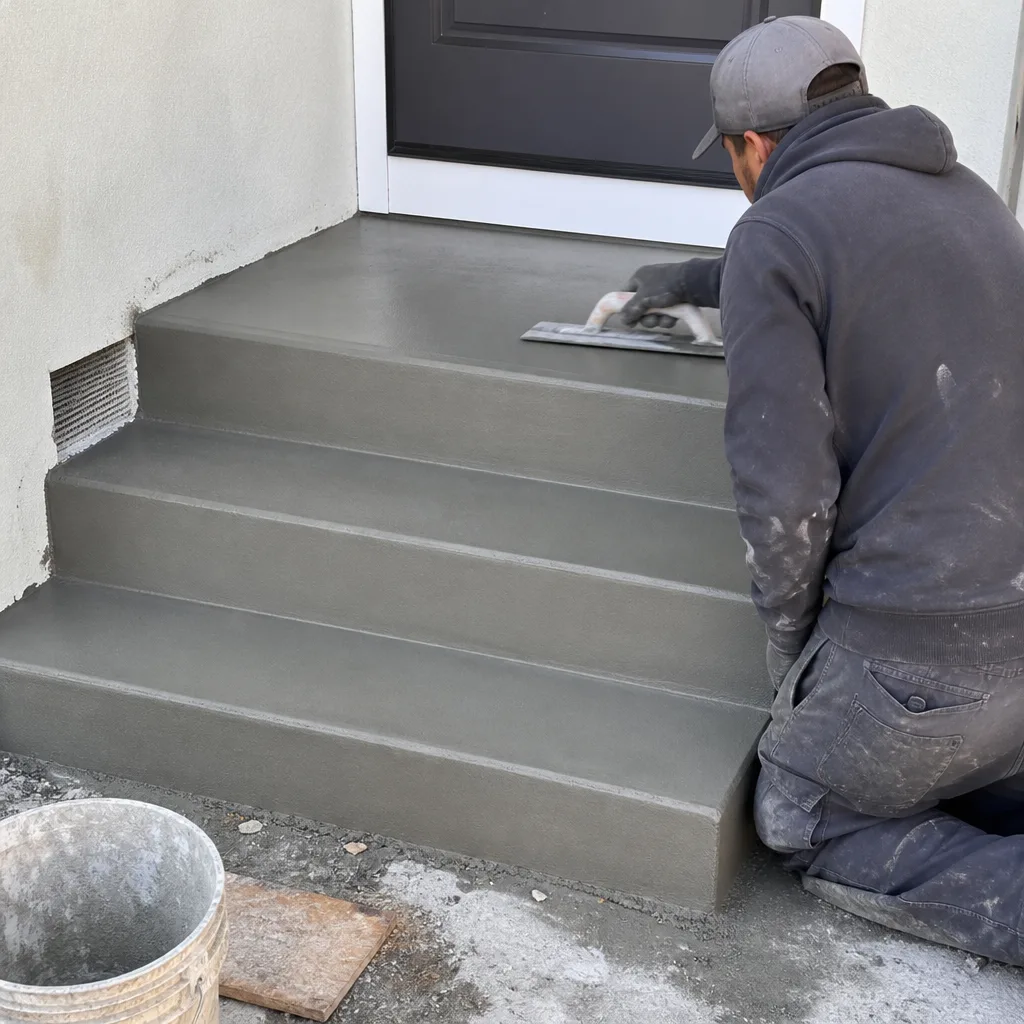 After
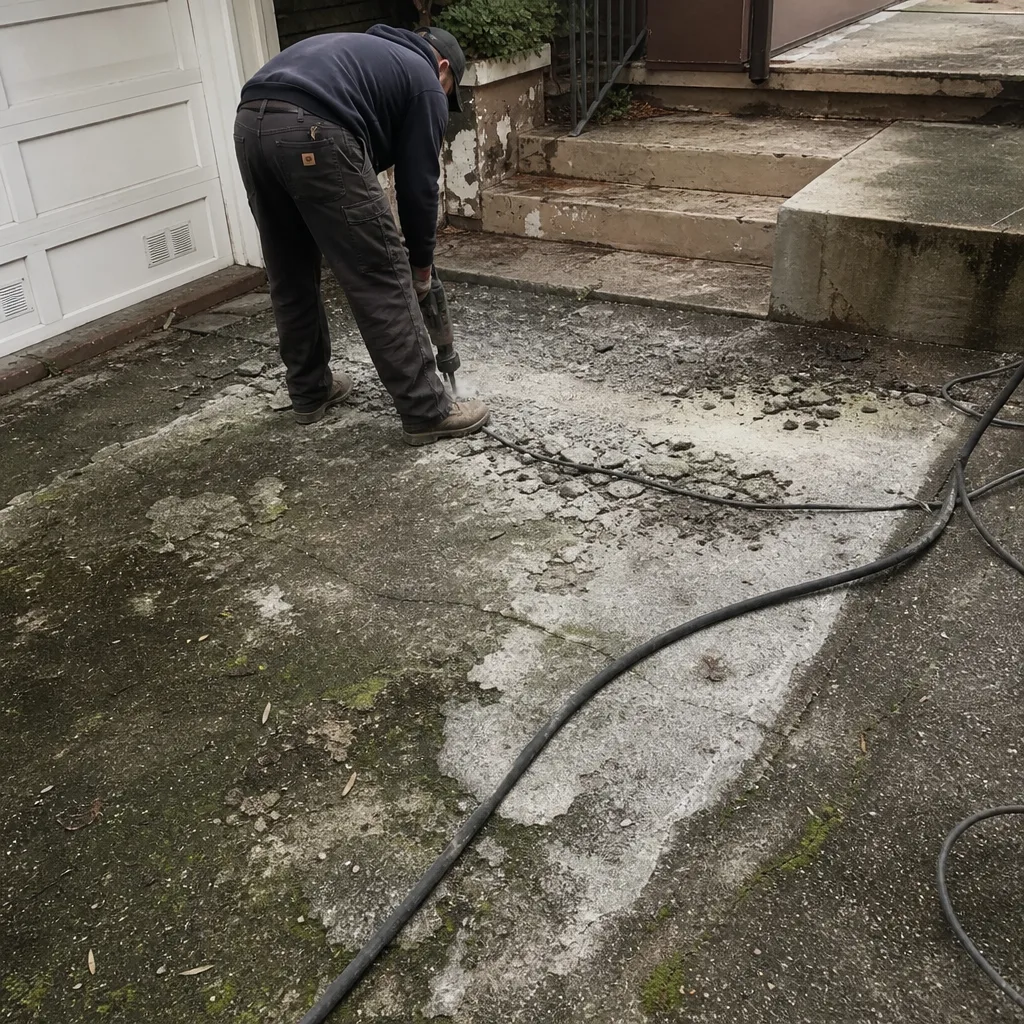 Before
 After