Last updated October 31, 2026
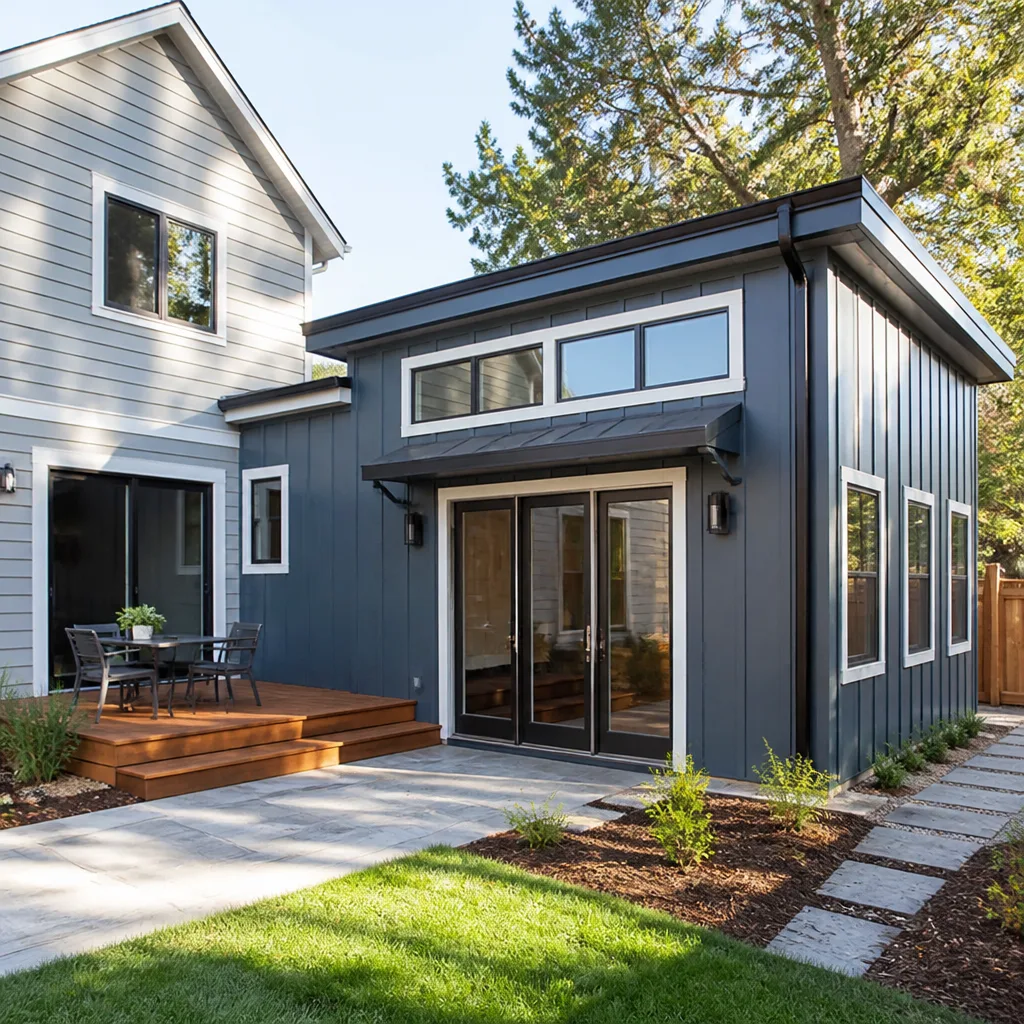 Home additions & ADU
 Kitchen remodeling
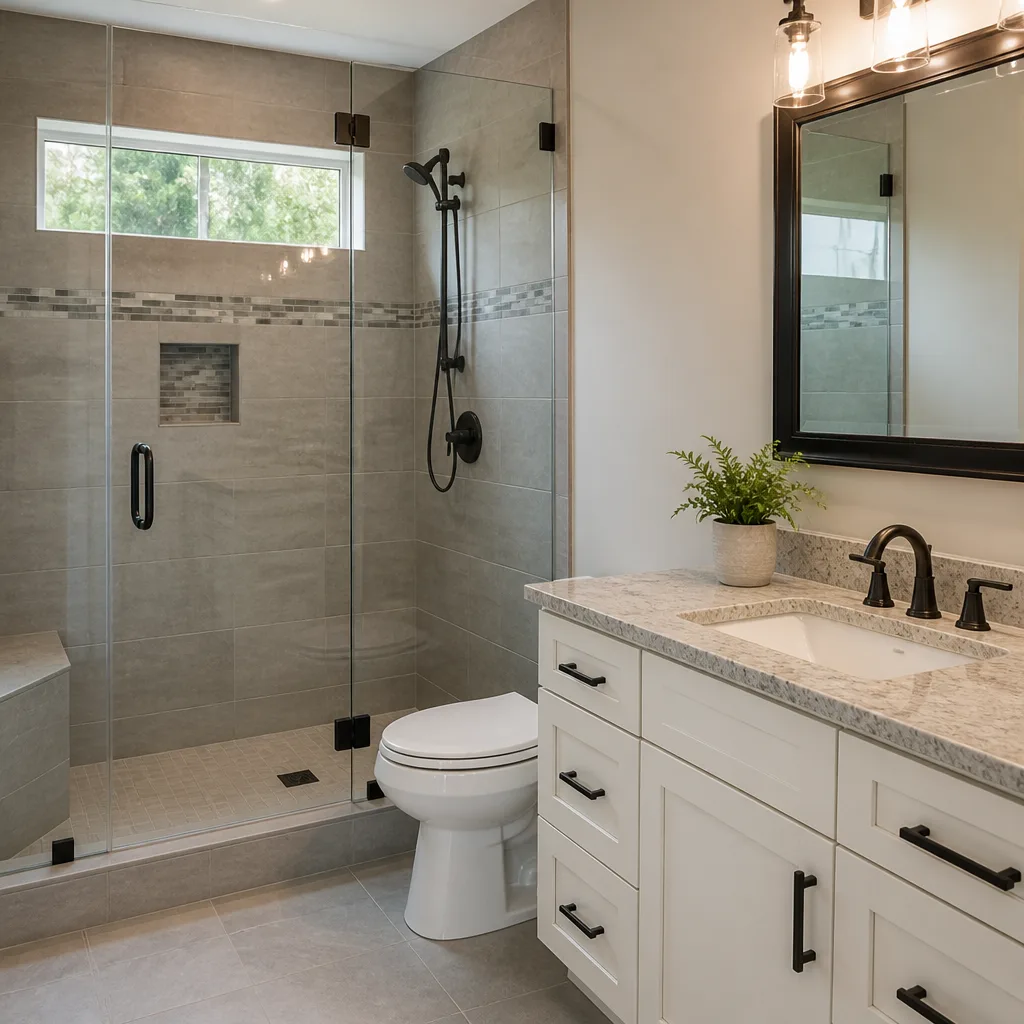 Bathroom remodeling
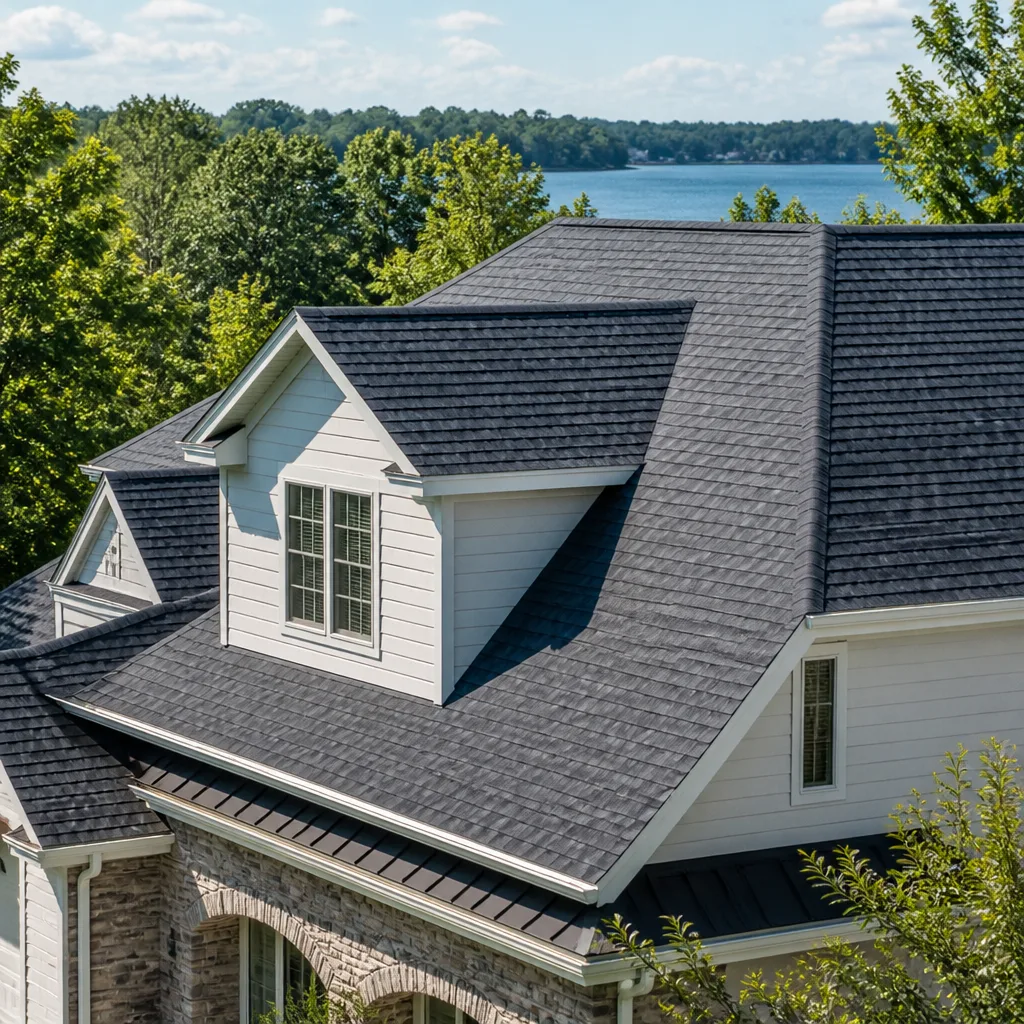 Roofing
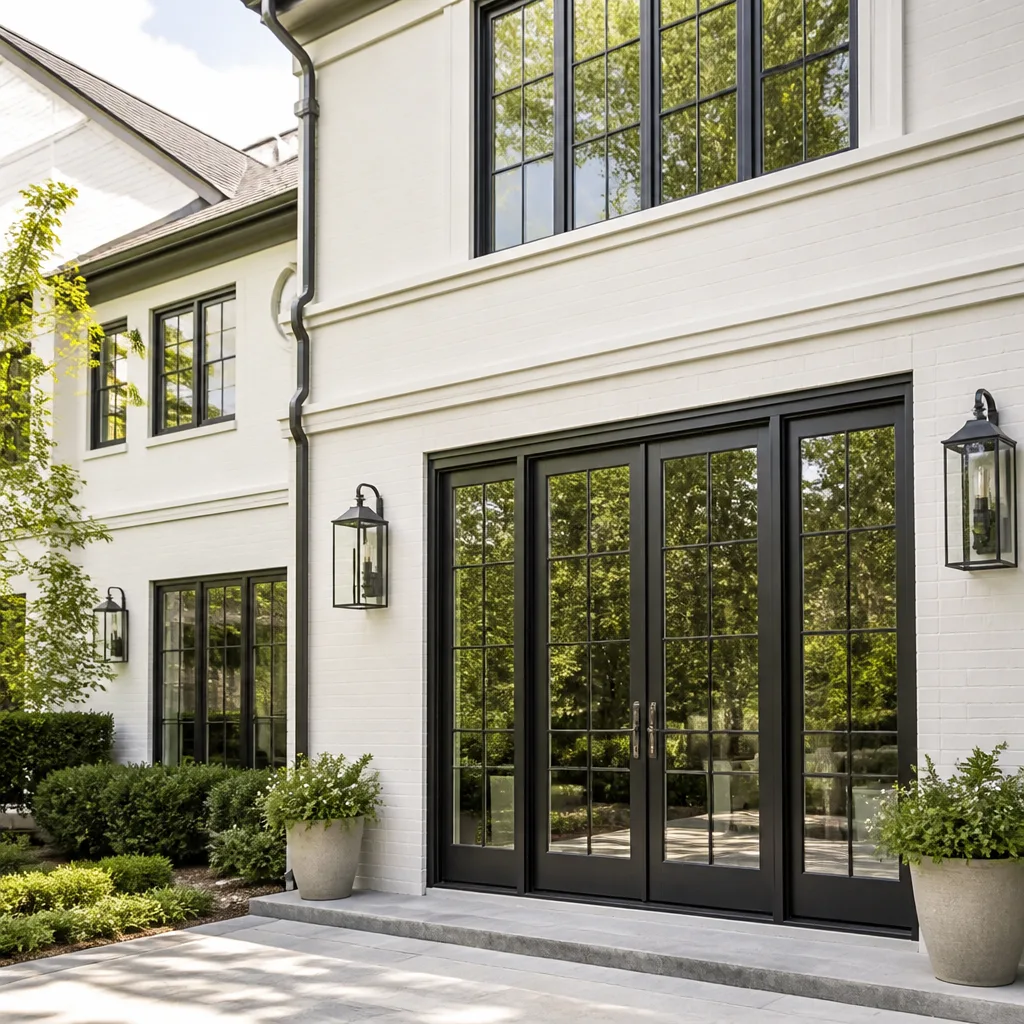 Windows & doors
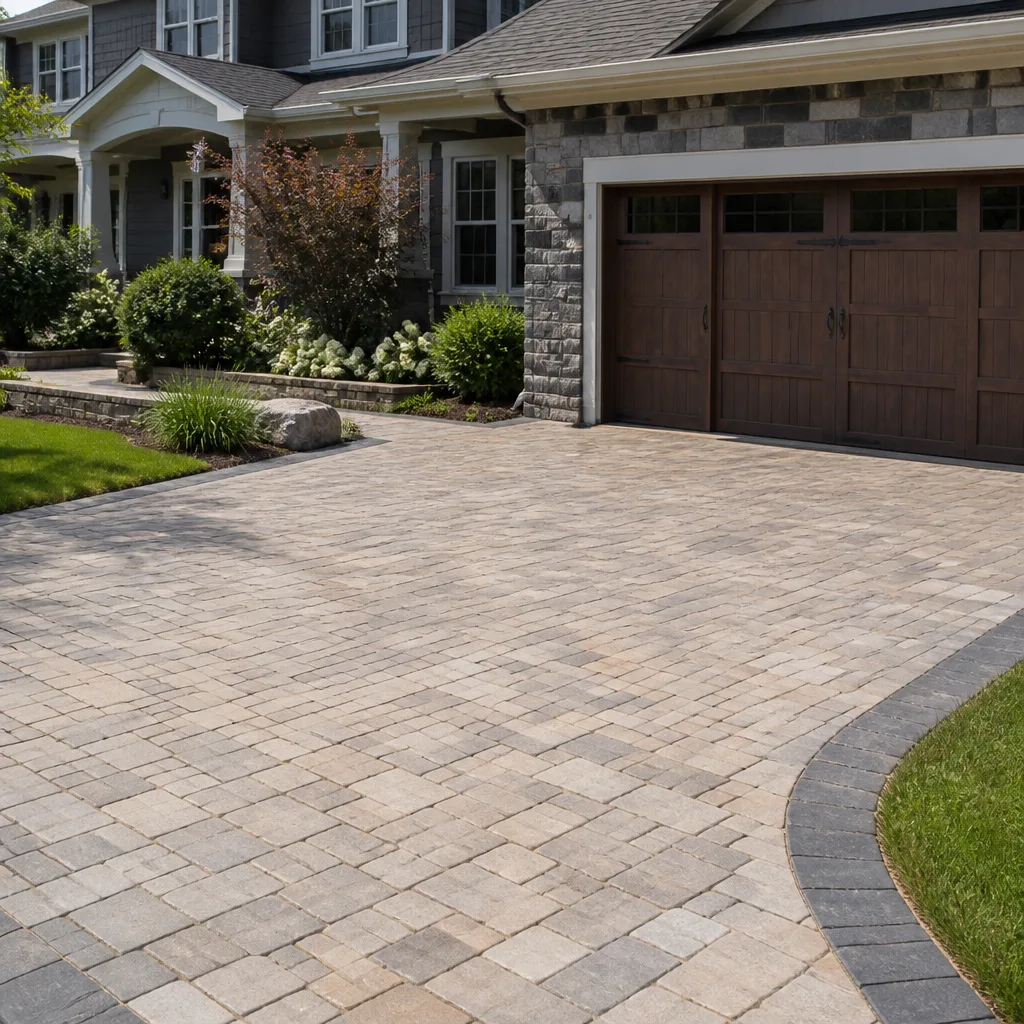 Driveway & pavers
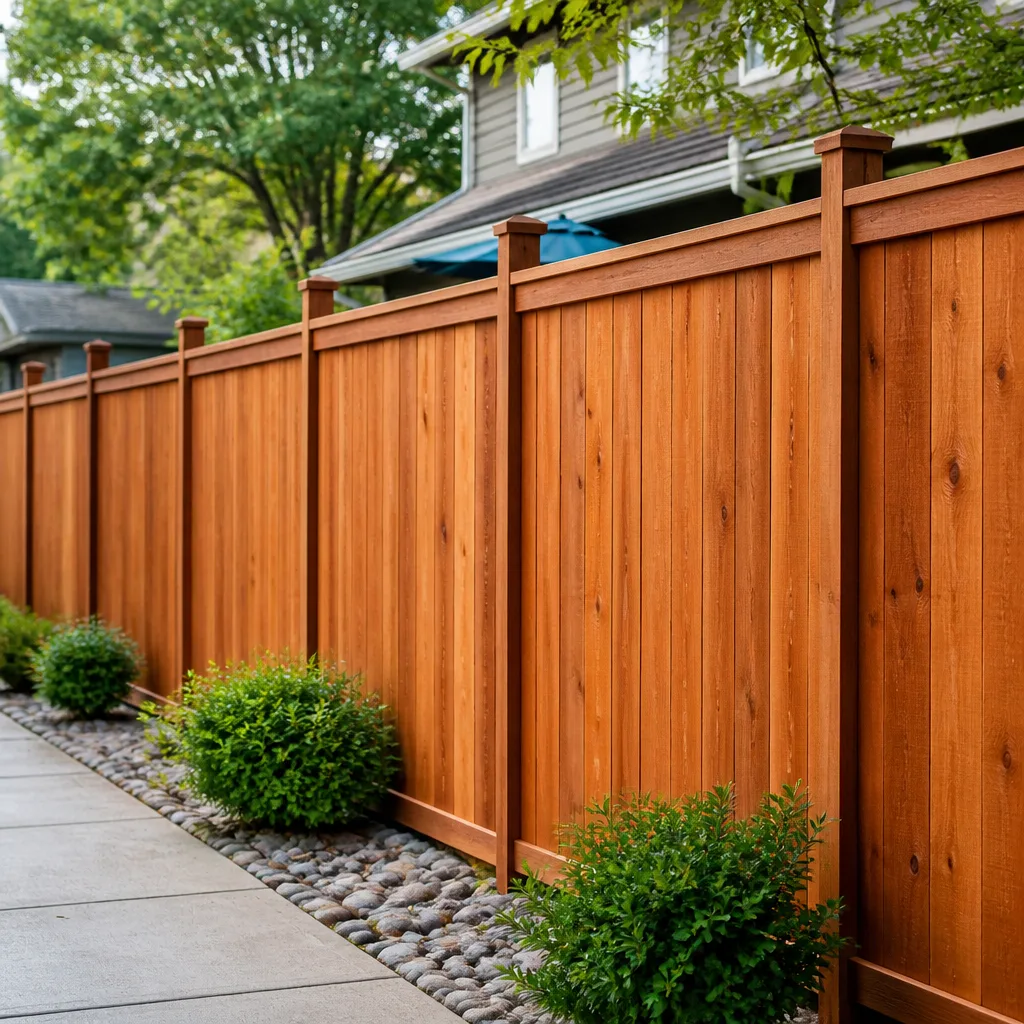 Fence
Free written scope consultation - allowances, timeline, and change-order rules on paper before a single trade is scheduled
Seasonal Construction Care for Chinatown: Year-Round Homeowner’s Guide
Most homeowners prepare for winter in October. In Chinatown, the real preparation window for rain season is September, because by the time November storms arrive, any flat roof with a slow drain or any unsealed exterior joint has already started failing silently. That’s the peculiar reality of maintaining a home in this neighborhood: we don’t get snow, we rarely see frost, but we do get eight months of relentless UV exposure, a three-month window where sudden downpours test every seal and flashing, and an urban heat island that bakes materials at rates suburban homes never experience. This guide maps construction care to what Chinatown weather actually does, not what a generic four-season calendar assumes.
Styles & brands we work with
Quick Answer
Seasonal construction care in Chinatown breaks into three real phases: dry-season protection (May through October, when UV and heat accelerate material degradation), pre-rain preparation (August through September, when sealing, drainage, and roof inspections prevent most water intrusion), and rain-season defense (November through April, when the focus shifts to monitoring and responding). The most critical window is September, not October or November, and flat roofs, exterior sealant, and drainage systems are the three areas where early attention prevents the majority of expensive failures.
Table of Contents
- Chinatown’s Real Climate: Why the Four-Season Model Fails Here
- Month-by-Month Maintenance Calendar for Chinatown
- The Dry Season: Why May Through October Causes the Most Long-Term Damage
- Pre-Rain Preparation: The August and September Checklist That Prevents Water Claims
- Urban Heat Island Effects: What Dense City Blocks Do to Paint, Sealant, and Composites
- DIY vs. Licensed Contractor: Which Tasks You Can Handle and Which Protect Your Warranty
- Materials That Last in Chinatown’s Climate: What We Spec for Longevity
- Common Mistakes to Avoid
Chinatown’s Real Climate: Why the Four-Season Model Fails Here
Chinatown sits in a Mediterranean climate zone, which sounds pleasant until you understand what it actually means for a building envelope. We get roughly 15 inches of rain per year, nearly all of it concentrated between November and March. The other seven to eight months are dry, sunny, and increasingly hot. That concentration is the problem. A roof, a window seal, or an exterior joint doesn’t just experience rain, it experiences prolonged drought followed by sudden saturation, and that cycle stresses materials in ways a steady-drizzle climate never does.
Wood framing and trim expand and contract with moisture swings. Roofing membranes, especially on the flat and low-slope roofs common throughout the older housing stock here, bake under months of direct sun, then cool rapidly when the first storm hits. Sealants lose elasticity during the dry stretch, and when rain finally arrives, those brittle joints are what leak. The damage isn’t caused by the rain itself. The damage is caused by what the dry season did to the material before the rain ever fell.
We’ve also got inversions and marine layer mornings that keep humidity surprisingly high during parts of the dry season, even without rainfall. That humidity feeds mildew on shaded north-facing walls, while the south-facing walls get baked by afternoon sun. The same house can experience two different climates at once. Chinatown’s older commercial-residential mix compounds this: many buildings date from the 1920s through the 1960s, built with materials and methods that predate modern waterproofing standards.
Understanding this rhythm matters because every maintenance task on this page is scheduled around it. When we plan a home remodeling project in Chinatown, the season dictates sequencing: roofing before rain, interior work during winter, exterior painting in late spring. The calendar isn’t a preference. It’s physics.
Month-by-Month Maintenance Calendar for Chinatown
This calendar reflects what we actually see on service calls in Chinatown, mapped to the weather patterns that drive failures. Use it as a baseline and adjust for your specific building’s age, roof type, and exposure.
- January: Inspect interior ceilings and walls for water stains after the first major storms. Check crawlspace or basement for standing water. Clean gutters and downspouts during dry breaks, because debris accumulates faster when the deciduous street trees drop their remaining leaves.
- February: Inspect roof flashings around chimneys, vents, and parapet walls. These are the most common leak points on the older flat and low-slope roofs common in Chinatown. Test sump pumps if you have them. Monitor for mildew on north-facing exterior walls after extended damp periods.
- March: Schedule any major roof repairs now, while contractors still have dry-weather windows. Inspect window and door weatherstripping for gaps that let damp air in. Check exterior wood trim for soft spots, particularly where two roof planes meet or where downspouts discharge.
- April: Begin the transition to dry-season thinking. Clean and inspect the roof surface. Clear any accumulated debris from scuppers, drains, and valleys. Check exterior caulking and sealant joints as the weather warms and the material becomes easier to evaluate.
- May: Apply UV-protective sealants to exposed wood. Schedule exterior painting if needed, because the stable warm-dry pattern allows proper curing. Inspect stucco and siding for hairline cracks that will expand under summer heat.
- June: Evaluate hardscaping (concrete, pavers, retaining walls) for movement caused by thermal expansion. Check fencing, especially wood posts, for dry rot that accelerates during hot weather. Inspect roof membranes for blistering or alligatoring.
- July: This is peak heat stress month. Inspect any elastomeric roof coatings for cracking or peeling. Check AC condensate lines and make sure they’re discharging away from the foundation. Confirm that exterior wood, especially door and window frames, hasn’t developed open joints.
- August: Shift into pre-rain mode. This is the month to test all drainage, inspect the entire roof surface, re-seal exterior joints, and address any deferred exterior maintenance. The goal is finishing all exterior waterproofing work by late September.
- September: Complete the full pre-rain checklist (below). Clean gutters thoroughly, even if they don’t look full. Inspect and test all exterior sealant. If you’re planning a home renovation in Chinatown that touches the building envelope, this is the last practical window to start before rain-season risk.
- October: Final walkthrough of the exterior envelope. Check every window, door, and penetration. Confirm drainage paths are clear. Inspect attic or roof cavity for signs of past leaks that need addressing before the first storm.
- November: First-rain monitoring. After each significant storm, check interior for staining, especially around windows and at wall-ceiling intersections. Clear any debris that accumulates on the roof or in gutters between storms.
- December: Inspect exterior lighting and any electrical exposed to weather. Check for standing water on the roof 48 hours after rain; if it’s still ponding, the drain system needs attention. Verify that downspout extensions are directing water at least three feet from the foundation.
This calendar matters because the dry season is when you fix things, and the rain season is when you monitor them. Homeowners who reverse that order end up paying emergency-repair pricing for work that should have been planned maintenance.
The Dry Season: Why May Through October Causes the Most Long-Term Damage
Everyone worries about rain. Rain is visible, dramatic, and immediately damaging. But the dry season in Chinatown is where the real long-term material degradation happens, and it happens quietly. Here’s what prolonged heat and UV actually do to building materials.
Roofing membranes. Flat and low-slope roofs, which cover a large portion of Chinatown’s housing stock, absorb enormous solar energy during summer. On a 95-degree day, a dark roof surface can reach 150 to 170 degrees. That heat accelerates oxidation of asphalt-based membranes, causing them to become brittle, crack, and lose their waterproofing integrity. By the time rain arrives, the membrane that looked fine in June has developed micro-cracks that leak in November.
Wood elements. Exterior trim, fascia boards, door frames, and window frames made of wood lose moisture content during the dry season and shrink. The joints open. Paint film, if it’s older or was applied over damp wood, cracks and peels. Those open joints become entry points for the first rain, which then causes swelling, rot, and paint failure in a cycle that repeats every year.
Hardscaping and concrete. Dry-season heat causes concrete, pavers, and masonry to expand. Poorly designed control joints or missing expansion joints lead to cracking, heaving, and spalling. In Chinatown, where many properties have older concrete walkways, steps, and retaining walls, thermal expansion is the primary driver of hardscape failure, not freeze-thaw cycles like in colder climates.
Sealants and caulking. Every exterior joint, window perimeter, door frame, and penetration is sealed with some type of flexible compound. Polyurethane, silicone, and latex sealants all degrade under UV exposure. The dry season is a relentless UV bath that breaks down the polymers. After five or six months of continuous sun, many sealants have lost their elasticity and begun pulling away from one or both surfaces. That’s why pre-rain sealing is an annual task, not a once-every-five-years task.
The practical takeaway: if you only do exterior maintenance when you see rain damage, you’re about six months too late. A general contractor in Chinatown who inspects your property during the dry season can catch these developing failures before they become water intrusion claims.
Pre-Rain Preparation: The August and September Checklist That Prevents Most Water Claims
In our experience, most water intrusion claims in Chinatown share a common root: the failure happened during the dry season, but the homeowner only discovered it after the first storm. The single most valuable maintenance practice here is a thorough pre-rain exterior check, completed by late September. Here’s the checklist we walk our clients through.
- Inspect the entire roof surface. Look for blisters, cracks, exposed seams, lifting membrane edges, and ponding areas. Pay special attention to penetrations: vents, pipes, skylights, and HVAC curbs. On flat roofs, check the condition of the roof-to-wall flashing at parapets.
- Clean all gutters, downspouts, scuppers, and roof drains. Even partial blockage causes water to back up and find alternate paths, which in a flat-roof building often means the interior. Test downspouts with a hose to confirm they’re actually flowing.
- Check every exterior sealant joint. Run a visual inspection around all windows, doors, vents, hose bibs, electrical penetrations, and anywhere two materials meet. Look for cracking, pulling away, or gaps. A quality polyurethane or hybrid sealant applied in September will still be flexible when the first rain hits in November.
- Inspect flashings and counterflashings. On parapet walls, chimney bases, and roof-to-wall transitions, the metal flashing is your first line of defense. Look for rust, lifted sections, missing fasteners, and failing sealant at the top edge.
- Verify drainage paths. Walk the property during a hose test and confirm water flows away from the foundation. Check the slope of soil and hardscape at the foundation perimeter. Downspout extensions should discharge at least three feet from the building.
- Check window and door weatherstripping. Compressed or missing weatherstripping allows wind-driven rain to enter. Pay attention to the bottom sweeps on exterior doors and the interlocking seals on operable windows.
- Inspect for existing moisture damage. Look at interior ceilings for faint staining, especially around the perimeter. Check attic spaces for dark streaks or mold on the underside of roof sheathing. These indicate active leaks that need repair, not paint.
None of these tasks are glamorous. None of them are expensive, relative to the cost of repairing water damage. But they’re the difference between a building that stays dry through a wet winter and one that develops a chronic leak. If you’re not comfortable on a ladder or your roof isn’t safely walkable, this is exactly the kind of exterior work we handle as part of a broader home renovation or standalone maintenance scope.
Urban Heat Island Effects: What Dense City Blocks Do to Paint, Sealant, and Composites
Chinatown isn’t suburban Los Angeles, and the difference matters for your building. Urban heat island effect refers to the way dense concentrations of pavement, concrete, brick, and dark roofs trap heat, raising ambient temperatures several degrees above surrounding areas with more vegetation. In practical terms, the exterior of a Chinatown building experiences significantly more thermal stress than an equivalent structure in a leafier neighborhood.
What does that mean for materials? Exterior paint on south-facing and west-facing walls loses gloss, chalks, and deteriorates faster here than in areas with tree canopy. Composite decking and synthetic trim expand more during peak heat, which puts stress on fasteners and connections. Sealant joints that might last three to four years in a coastal climate can fail in two to three years in a dense urban block. Window seals, especially on older aluminum-framed units, degrade faster when ambient temperatures stay elevated into the evening hours, as they do in Chinatown’s tighter blocks.
We’ve seen this show up most dramatically on flat roofs overolder commercial-residential buildings. The nighttime cooling that lets materials relax doesn’t happen as fully here, because the surrounding building mass radiates stored heat back into the air. The roof stays hot longer. The thermal cycle becomes more extreme. The failure comes sooner.
The mitigation strategy is material selection. When we specify exterior products for Chinatown projects, we lean toward materials engineered for high-UV and high-heat environments: Therma-Tru fiberglass entry doors, which resist the warping and seal failure that plague wood doors in this climate; elastomeric roof coatings designed for hot-climate performance; exterior paints with high UV-resistance ratings; and fiber-cement siding rather than wood, because James Hardie products hold up to sustained heat without the expansion and contraction cycles that tear apart lesser materials. The right material costs more upfront and fails less over time. In Chinatown’s climate, that math works out in the homeowner’s favor every time.
DIY vs. Licensed Contractor: Which Tasks You Can Handle and Which Protect Your Warranty
Some seasonal maintenance is genuinely DIY-friendly. Some isn’t, and a surprising number of warranty agreements explicitly require professional installation or maintenance to remain valid. Here’s the honest breakdown for Chinatown homeowners.
Tasks most homeowners can handle safely:
- Cleaning gutters and downspouts (from a stable ladder, with proper positioning)
- Visual inspection of the roof, siding, and foundation from ground level
- Checking weatherstripping and replacing worn strips as needed
- Testing downspout drainage with a garden hose
- Monitoring for interior leaks and documenting them with photos
- Trimming vegetation away from the foundation and roof edge
Tasks that require a licensed contractor, especially on an aging building:
- Walking or working on a flat roof, particularly if it’s been more than five years since the last professional inspection. Roof surfaces that look solid can hide soft or water-damaged substrates, and a misstep can cause more damage than the original issue.
- Re-sealing exterior joints at height, on the roof, or around upper-story windows. The fall risk alone justifies hiring this out, and the sealant applied from an unstable position is rarely applied correctly.
- Repairing or replacing roof flashings, membrane seams, or drain assemblies. These are the components that keep water out, and improper repair is worse than no repair.
- Addressing any water damage that has reached the building framing or interior finishes. Water intrusion in Chinatown’s older structures often means dry rot, which requires opening up the wall or ceiling, removing damaged material, and rebuilding.
- Any work on a material still under manufacturer warranty. Many roofing membrane warranties, for example, require that repairs be performed by a manufacturer-certified contractor. Doing the work yourself can void the warranty, which means you’ve traded a small maintenance cost for the full replacement cost down the line.
Here’s the reality we’ve seen play out in Chinatown more than once: a homeowner handles a roof repair themselves, it leaks, the insurance claim gets denied because the work wasn’t done by a licensed contractor, and the homeowner now owns the entire repair bill. When in doubt, the free estimate costs nothing, and a licensed general contractor can tell you honestly whether a task is DIY-appropriate or needs professional attention.
Materials That Last in Chinatown’s Climate: What We Spec for Longevity
If you’re planning exterior work, a home remodeling project, or just replacing worn components one at a time, the material you choose determines how often you’ll revisit the same maintenance task. Chinatown’s climate rewards certain materials and punishes others. Here’s what we’ve learned to specify and why.
Entry doors. Wood doors are beautiful and also the most maintenance-hungry option in this environment, because they absorb moisture during the rain season and bake during the dry season. Therma-Tru fiberglass doors solve most of those issues: they’re dimensionally stable in heat, they don’t rot, and they accept a high-quality factory finish that holds up to UV. For homes where direct sun hits the front door for hours a day, this is the most durable option available, and the warranty reflects that.
Windows. Older aluminum-frame windows conduct heat and cause seal failures. Modern vinyl, fiberglass, or thermally broken aluminum windows, like those from ECO Window Systems or ViewLux, manage thermal stress far better. The key isn’t just the material, it’s the installation: a premium window installed with improper flashing will leak regardless of how good the window itself is.
Roofing. Flat roofs need membranes designed for high-UV environments. For sloped roofs, we lean on manufacturers like GAF, CertainTeed, and Owens Corning, whose product lines include roofing materials engineered for the specific heat-load profile of Southern California. The shingle or membrane choice matters less than the installation detailing, which is why the person installing the roof matters more than the brand printed on the package.
Siding. Wood siding in Chinatown’s dry-wet cycle is a maintenance treadmill. James Hardie fiber-cement siding eliminates most of that: it’s engineered to withstand sustained heat, it doesn’t expand and contract like wood, and it holds paint significantly longer. For homeowners who want the look of wood without the annual maintenance battle, this is the standard answer.
Sealants and coatings. The cheapest tube of caulk at the hardware store is the most expensive product you’ll ever buy here, because you’ll redo it every year. Quality polyurethane, hybrid polymer, or high-performance silicone sealants cost three to four times as much and last three to four times as long. Same logic applies to roof coatings: an elastomeric coating selected for hot-climate performance pays for itself in avoided leaks.
The thread running through all of this is simple: in Chinatown, the material matters as much as the installation. When we spec a project, we’re matching the product to the environment, not just to the aesthetic. That’s why we bring access to 50-plus vetted brand partners rather than pushing a single product line. From cabinetry to roofing, from countertops like Cambria and Silestone to plumbing from Kohler and Grohe, the goal is the same: a material that survives this climate without demanding rework every season.
Common Mistakes to Avoid
- Waiting until October to prepare for rain. By October, roofing contractors in Chinatown are already booked into December. The materials that need sealing or repair have already started failing. September is the real deadline.
- Ignoring dry-season damage because there’s no visible leak. The most expensive repairs we see are dry rot and structural damage that developed over years of unnoticed dry-season material degradation. A roof that isn’t leaking in July can still be failing structurally.
- Painting over water stains or soft wood. Paint doesn’t repair rot or stop an active leak. The water keeps moving behind the paint film, and the rot spreads. The stained area needs the source addressed first, then the finish.
- Assuming a flat roof is maintenance-free until it leaks. Flat roofs need more proactive inspection than sloped roofs, not less, because water sits on them longer and any weakness is immediately tested.
- Choosing materials based on installed cost alone. A cheaper sealant, a cheaper paint, or a cheaper membrane fails sooner and costs more to repair or replace than the premium product would have cost in the first place. In this climate, the cheap option is the expensive option.
- DIYing high-risk work to save money. Roof work at height, sealant application at elevation, and any repair involving flashings or drainage should be done by a licensed contractor, both for safety reasons and because improper work voids warranties and insurance claims.
- Treating exterior envelope and interior remodel as separate projects. A remodel that doesn’t address existing exterior water intrusion is a remodel that will get damaged. The building envelope and the interior are one system, and in Chinatown, the envelope is the part that fails first.
When to Call a Professional
If you’ve spotted water staining, bubbling paint, soft wood, a roof that ponds water, or sealant joints that have cracked and pulled away, the failure has already started. These are not cosmetic issues, and they don’t get better with time. A licensed contractor can assess whether what you’re seeing is minor, moderate, or structural. Structural issues, active leaks, and any work on a roof or at height should always go to a professional. If your property has a flat or low-slope roof, if it’s more than 40 years old, or if it’s had previous leak repairs that didn’t hold, you should have a professional inspection before each rain season. Timberline Contractors offers free estimates in Chinatown, and we’re happy to walk the property and tell you honestly what’s urgent, what can wait, and what it will cost. Call (866) 253-5808 to schedule a free estimate.
Frequently Asked Questions
Start in August and complete all exterior work by late September. The rain season in Chinatown typically begins in November, but the preparation window closes earlier because contractors book out and materials need time to cure properly before the first wet weather. By October, the practical window for major exterior work has largely passed.
A flat roof should be professionally inspected at least once per year, ideally in August or early September before the rain season. Flat roofs fail without visible warning more often than sloped roofs because water sits on them longer, and small weaknesses become big problems quickly. If the roof is more than 10 years old or has been repaired before, twice-yearly inspection is prudent.
Faint brown or yellow staining on ceilings, especially along the perimeter or around penetrations like vents and skylights, is the most common first sign. Also watch for bubbling paint, peeling wallpaper, musty odors, and warped or soft wood around windows and doors. Any of these means water has already entered the building and the source needs to be found.
Yes, measurably. Dense urban blocks trap heat, raising ambient temperatures and slowing nighttime cooling. Materials experience more thermal stress, sealants degrade faster, and paint and roofing membranes show accelerated UV aging. This is a documented phenomenon, and it’s why material selection and annual maintenance matter more in Chinatown than in greener neighborhoods.
Gutter cleaning, ground-level visual inspections, weatherstripping replacement, drainage testing with a hose, and vegetation trimming are all reasonable DIY tasks for a homeowner who’s comfortable with basic tools. Anything on the roof, anything at height, anything involving flashings or sealants at elevation, and anything structural should go to a licensed contractor. The savings from DIY disappear fast when improper work voids a warranty or causes a leak.
Most homeowners insurance policies do not cover damage caused by gradual deterioration, including dry rot that developed over months or years of undetected moisture intrusion. Insurance typically covers sudden and accidental events, not maintenance-related failures. That’s why the pre-rain inspection matters: it catches the conditions that lead to those uninsurable losses. To discuss your specific property, call (866) 253-5808 for a free estimate and a professional assessment.
The Bottom Line
Chinatown doesn’t follow the four-season maintenance script, and the homeowners who treat this neighborhood’s climate as just a milder version of somewhere else are the ones who end up paying for emergency repairs. The dry season causes more long-term damage than the rain does. September is the real deadline for exterior work, not October. Flat roofs, sealant joints, and drainage systems are the three areas that prevent most water intrusion claims. The material matters as much as the installation, and the cheap option is usually the expensive option over a three-year window. If any of this hits close to home, get a professional assessment before the next rain season. Timberline Contractors serves Chinatown homeowners with free estimates and honest, specific guidance. Call (866) 253-5808 to schedule yours.
Written by the team at Timberline Contractors, serving Chinatown since 2018.
See the difference
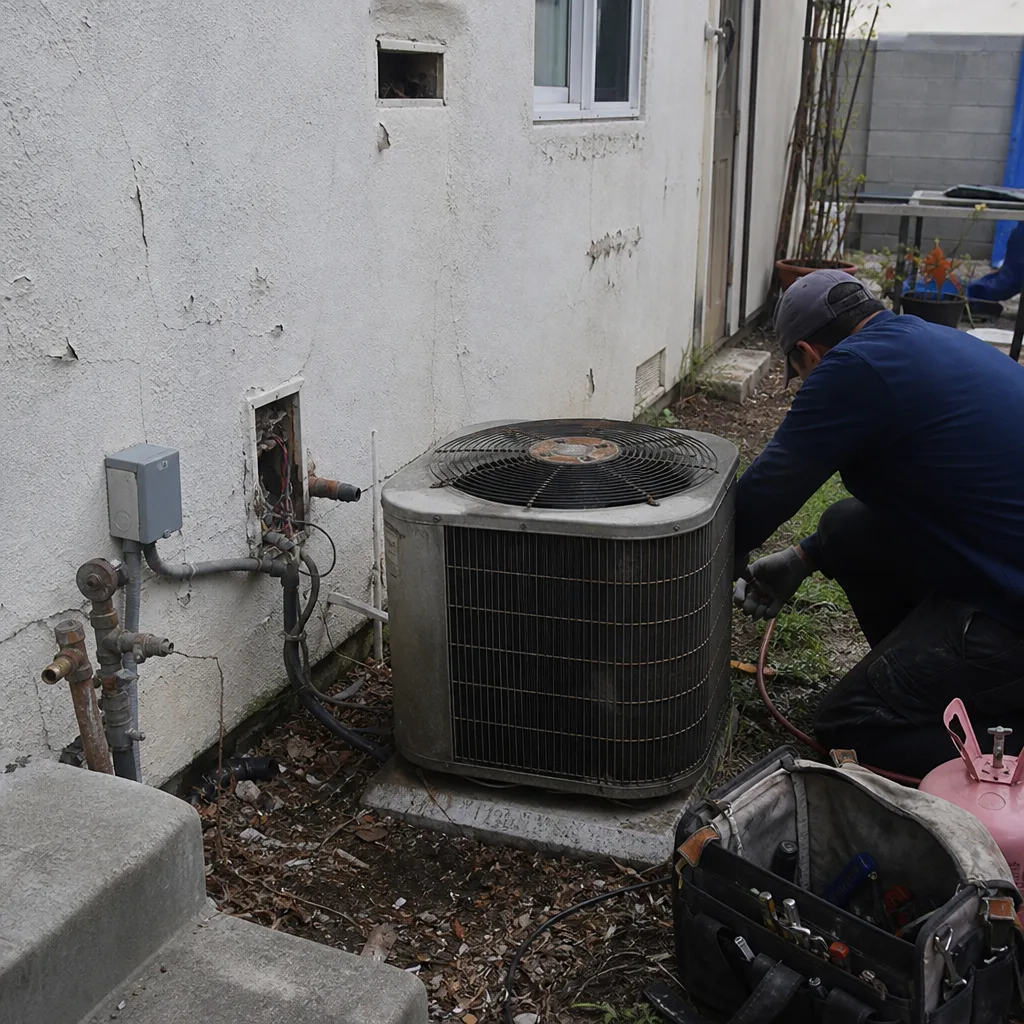 Before
 After
 Before
 After
 Before
 After