Last updated October 31, 2026
 Kitchen remodeling
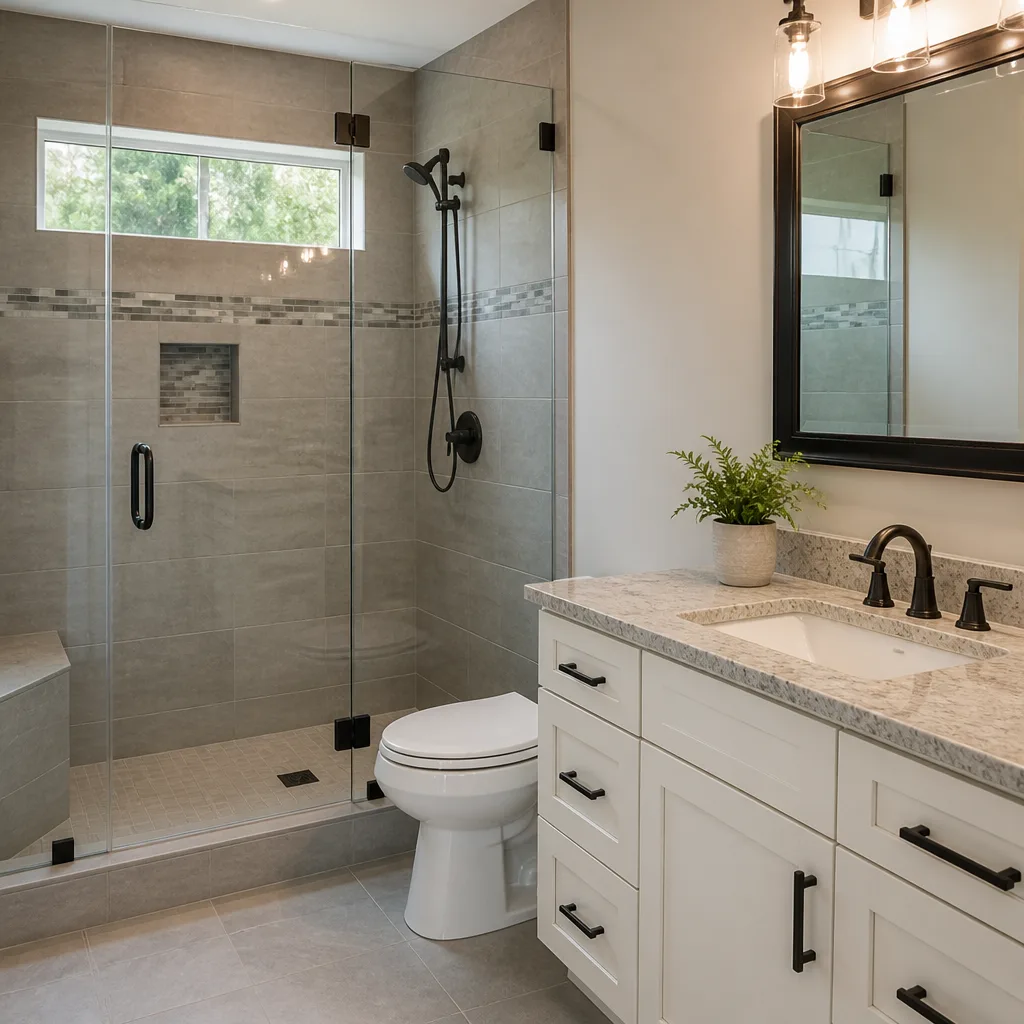 Bathroom remodeling
 Home additions & ADU
 Roofing
 Windows & doors
 Driveway & pavers
 Fence
Free written scope consultation - allowances, timeline, and change-order rules on paper before a single trade is scheduled
How to Hire a Construction Contractor in Chinatown: A Step-by-Step Guide
The single most common regret we hear from Chinatown homeowners after a bad contractor experience isn’t cost overrun. It’s discovering their “general contractor” was essentially a middleman who hired five unvetted subs and disappeared after the deposit cleared. This guide walks you through the vetting process the way an experienced builder would: focused on urban logistics, material sourcing, and accountability. For more guides & resources, see our blog. By the end, you’ll know exactly what to ask before signing anything in Chinatown.
Styles & brands we work with
Quick Answer
To hire a construction contractor in Chinatown, verify their license and insurance, ask for proof of urban project experience with dense-street logistics, confirm they have direct relationships with material suppliers rather than buying job-to-job, and scrutinize the contract for staging plans, delivery language, and permit-pull responsibility. Insist on a single-source general contractor who manages their own crews or vetted subcontractors under one accountable contract. Always get written line-item bids and check references from completed Chinatown projects.
Table of Contents
- Why Chinatown Requires a Different Vetting Checklist
- Step 1: Verify License, Insurance, and Bonding
- Step 2: Confirm Actual Urban Project Experience
- Step 3: Ask About Material Sourcing and Brand Relationships
- Step 4: Distinguish a True GC From a Coordinator
- Step 5: Read the Contract for Urban-Specific Clauses
- Step 6: Structure Payment Schedules for Urban Projects
- Common Mistakes to Avoid
- When to Call a Professional
- Frequently Asked Questions
- The Bottom Line
Why Chinatown Requires a Different Vetting Checklist
Chinatown is not a suburban cul-de-sac, and hiring a contractor like it was is the fastest way to end up with a stalled project. Streets are narrow, parking is a negotiation, delivery trucks need permits, and many buildings are older with structural quirks that standard estimates miss. A contractor who mostly builds out in the sprawling edges of the city may never have dealt with alley-adjacent material staging or a building department that wants specific documentation for work on older structures.
We’ve walked through enough Chinatown job sites to know that the logistics matter as much as the craftsmanship. A crew can do flawless tile work, but if the mortar delivery can’t reach the site before the parking window closes, the schedule collapses. When you’re vetting a contractor, ask about their last three projects in dense neighborhoods. Not just the finish photos. Ask how they staged materials, where they parked, and what they did when the delivery window shrank. A blank stare is your answer.
Urban experience shows up in the details. Contractors who work in Chinatown regularly know which suppliers deliver early, which buildings require sidewalk permits for dumpsters, and how to sequence a bathroom demo when the only access is a stairwell that hasn’t been updated since the building went up. That knowledge is not academic. It’s the difference between a project that finishes in nine weeks and one that drags into month four because every material delivery fights the street.
The General Contractor in Chinatown page explains our full-scope approach to this kind of work, but the core idea is simple: urban competency is a skill, not a title.
Step 1: Verify License, Insurance, and Bonding
This is the non-negotiable foundation. In California, any contractor doing work over $500 in labor and materials must hold a valid state contractor’s license. You can verify a license number through the Contractors State License Board website in about ninety seconds. Write the number down from the contract, check it, and confirm the name on the license matches the name on your paperwork. Not a DBA that sounds close. The exact legal entity.
Insurance matters just as much. Ask for a certificate of insurance directly from the carrier, not a photocopy the contractor hands you. You want to see general liability coverage and workers’ compensation. If a worker gets hurt on your property and the contractor lacks workers’ comp, that claim typically falls back on your homeowner’s insurance. In Chinatown’s older buildings, where confined stairwells and aging structures add risk, this is not a detail to skip.
- Check the license number against the CSLB database. Confirm it’s active and not suspended.
- Verify the entity name on the license matches your contract exactly.
- Request a certificate of insurance sent directly from the insurance agent to you, naming you as certificate holder.
- Confirm workers’ compensation coverage is in place. Ask specifically. Don’t assume.
- Ask about bonding for larger projects. A contractor bond protects you if the contractor abandons the job or violates the contract.
We carry full general liability and workers’ compensation coverage on every project we run in Chinatown. No exceptions. If a contractor hesitates on any of these requests, that hesitation is information.
Step 2: Confirm Actual Urban Project Experience
License and insurance confirm a contractor is legal. They do not confirm the contractor can execute a project on a tight Chinatown street with limited staging and an HOA or building association watching every dumpster placement. That requires evidence, not promises.
Ask for addresses of completed projects in dense neighborhoods. Then ask follow-up questions about those projects that only someone who actually ran them would know. Where did the dumpster go? How did the drywall get to the third floor? What happened when the delivery truck couldn’t park? A contractor who did the work will answer instantly. A contractor who subcontracted everything to an unvetted crew will start hedging.
- Ask for three references in dense urban neighborhoods, not just past clients with large suburban lots.
- Request before-and-after photos that show material staging, not just finished kitchens.
- Ask about their largest urban project and what specifically was hardest about the logistics.
- Inquire about building-association or HOA experience if your Chinatown building has one. Documentation and approval processes differ from single-family work.
- Ask whether their crews are in-house employees or subcontractors, and if subs are used, how they’re vetted and supervised.
At Timberline Contractors, we run our projects with direct accountability over every phase. That includes our home renovation work in Chinatown, where we’ve learned that the most expensive contractor is often the one who has to redo the delivery schedule three times because they never planned for the street.
Step 3: Ask About Material Sourcing and Brand Relationships
Here’s a question most guides skip: where do your materials actually come from? A contractor who buys whatever’s cheapest at the lumber yard that week is making your home a hostage to supply-chain fluctuations. A contractor with established relationships at specific manufacturers can specify product, confirm availability, and handle warranty claims without disappearing.
Brand relationships matter because they change what you can actually choose. If your contractor has a direct account with a quartz manufacturer, you can pick a Cambria slab, confirm the lead time, and know exactly what’s arriving. If they’re buying through a third-party reseller, you’re getting whatever that reseller has in stock, often with markup stacked on markup and no direct warranty pathway.
When you interview a contractor, ask which manufacturers they buy from directly. Listen for specifics. At Timberline, our clients choose from a curated roster of more than 50 brand partners spanning cabinetry, countertops, roofing, windows, plumbing, fencing, and hardscaping. That means when a client wants James Hardie siding or a GAF roofing system, we’re ordering through established accounts, not job-shopping at the nearest supplier. For exterior work, we can specify products from manufacturers including Atlas and Tamko for roofing, or Boral and PGT for windows and doors, depending on the project and the performance requirements.
This also affects warranty service. If a faucet fails three years after installation, a contractor with a direct relationship with the manufacturer can often get a replacement handled quickly. A contractor who bought it on clearance at a discount warehouse will shrug and suggest you call the store. That difference shows up in year three, not week one. Our home remodeling services in Chinatown are built around this principle: specify the material once, buy it through a channel we know, and stand behind it.
Step 4: Distinguish a True GC From a Coordinator
The most important distinction in hiring is between a real general contractor and what the industry quietly calls a “paper contractor.” A paper contractor shows up with a license and a clipboard, then hands every phase of the work to specialty subs they’ve never worked with before. They coordinate schedules, take a percentage, and vanish when the tile guy and the plumber start arguing about whose mistake flooded the subfloor.
A true general contractor is accountable for the whole build. That means they manage the sequence of trades, inspect the work at transition points, and take responsibility when something fails between trades. The distinction shows up in small ways. A real GC can tell you when the countertop template gets measured relative to cabinet installation. A coordinator will say “the countertop company handles that.”
In Chinatown, where access constraints make coordination harder, the coordinator model fails predictably. Every handoff becomes a logistics problem no one owns. The electrician can’t park because the plumber’s truck is still in the loading zone, the plumber leaves early, the electrician reschedules, and suddenly your kitchen has wires hanging for two weeks. A single-source contractor sequences the work to avoid these collisions because they own the schedule end to end.
Ask directly: who will be on-site managing the work each day? Will it be the same person from start to finish? What is the process when a sub fails inspection? A real GC answers with specifics. A coordinator says “we work with trusted partners” and changes the subject.
Step 5: Read the Contract for Urban-Specific Clauses
Most construction contracts are written for generic conditions. Your Chinatown project needs clauses that address site-specific realities. When you’re reviewing a contract, you’re not just looking for price and scope. You’re looking for evidence that the contractor has thought through how this specific project will actually get built on this specific street.
Red flags appear quickly. A contract with no mention of staging, dumpster placement, delivery windows, or street parking is a contract written by someone who hasn’t built in a dense neighborhood. A contract that says “contractor will obtain necessary permits” without specifying which permits, who pays for them, and what happens if they’re delayed is leaving you exposed. A vague “all materials included” clause without a specification list means the contractor can swap in cheaper materials mid-project and point to the contract.
- No staging plan language. Where will materials be stored on-site or nearby? What are the delivery windows?
- No dumpster or debris removal terms. Who arranges the dumpster permit? What happens if the dumpster can’t be placed?
- Vague permit language. Which permits does the contractor pull? Which are the owner’s responsibility? What happens when the building department delays?
- “Materials as selected” without a spec sheet. That phrase lets the contractor buy the cheapest available and charge you the allowance.
- No change-order process defined. Ensure the contract requires written change orders signed by both parties before any extra work begins.
- Unrealistic timeline with no penalty clause. A timeline without a completion clause and a defined process for delays protects the contractor, not you.
A good urban contract will read more like a logistics document with a price attached than a one-page bid. That’s what you want. At Timberline, our Chinatown contracts include staging plans, delivery coordination language, and specific permit responsibility clauses because we build in this environment regularly. If a contractor balks at these additions, that’s your signal.
Step 6: Structure Payment Schedules for Urban Projects
Payment schedules in dense urban projects need to reflect the actual milestones, not the generic “30-30-30-10” template that works for large suburban builds. In Chinatown, where material deliveries might be staggered because of access constraints, the milestone markers should align with what’s actually been installed and inspected, not what’s been promised.
The standard structure looks like this: a deposit to secure the schedule, progress payments tied to completed phases, and a final payment held until the final walkthrough and punch list are done. The key is specificity. “Completion of rough framing” is a milestone. “Delivery of materials to site” is not, because materials sitting in a Chinatown alley are not value added to your home.
- Deposit: No more than 10% or $1,000, whichever is less, under California law for home improvement contracts. This secures your place on the schedule.
- Demolition complete and debris removed: First progress payment tied to actual completed work you can see.
- Rough-in complete and inspection passed: Payment after the building inspector signs off on rough plumbing, electrical, and framing. Not before.
- Finishes installed: Cabinets, countertops, tile, fixtures. This is the bulk of the contract value and should be the largest progress payment.
- Final walkthrough and punch list items resolved: Hold back 5-10% until every item on the punch list is fixed and the final inspection is passed.
Never pay for work not yet completed. Never pay in cash. Never let payments get ahead of inspected milestones. A contractor who pushes for large upfront payments on a smaller urban project is often trying to use your money to fund another job. That’s how the middleman model works: your deposit pays last month’s crew, and when the chain breaks, you’re left with a half-finished kitchen and a contractor who won’t return calls.
Common Mistakes to Avoid
- Hiring based on the lowest bid without comparing scope. A low bid in Chinatown often means the contractor didn’t account for access constraints, permit delays, or staging costs. The change orders will arrive by week two.
- Skipping the license verification because a friend recommended the contractor. Recommendations are useful, but licenses lapse and circumstances change. Check the CSLB database every time.
- Signing a contract without a material specification list. If the contract says “countertop” without specifying Cambria quartz or a comparable product, you’re signing up for whatever’s cheapest that week.
- Paying for phases before they’re inspected. Rough-in payments should follow inspection approval, not the contractor’s word that the work is done.
- Assuming the contractor will handle all permit logistics. Some contracts make the owner responsible for certain permits. If you don’t know which ones, you’re exposed.
- Ignoring the staging and access plan. In Chinatown, a project without a staging plan is a project that will stall at the first delivery conflict.
- Hiring a contractor with no direct relationships to material suppliers. If materials are sourced job-to-job, you’ll pay retail-plus and have no warranty pathway when something fails.
When to Call a Professional
If your project involves structural work, plumbing, electrical, or any modification that requires a permit in Chinatown, you should not be acting as your own contractor. The risk isn’t just quality. It’s liability, code compliance, and resale value. A failed DIY structural modification can exceed the original project cost to fix. Timberline Contractors offers free estimates in Chinatown and can walk you through scope, materials, and timeline before you commit to anything. Call (866) 253-5808 to schedule a walkthrough.
Frequently Asked Questions
General contractor fees in Chinatown typically run 15% to 25% of the total project cost, depending on scope and whether the contractor is managing the full build or charging a coordination fee. A full-service GC managing all phases from demolition to final punch list will be at the higher end of that range, but the cost is often offset by fewer change orders and better material pricing through direct supplier relationships. Call (866) 253-5808 for a detailed estimate specific to your project.
A full kitchen remodel in Chinatown typically takes 8 to 12 weeks from demolition to final inspection, though access constraints and building department schedules can extend that timeline. Smaller projects with minimal structural changes can finish in 6 to 8 weeks. The single largest variable is material lead time, which is why choosing a contractor with direct manufacturer relationships matters for hitting the schedule. For advice on keeping projects on track through every season, read our Seasonal Construction Care for Chinatown: Year-Round Homeowner’s Guide.
Most renovations in Chinatown that involve structural modifications, electrical work, plumbing changes, or wall removal require a permit. Cosmetic updates like painting, cabinet refacing, or replacing fixtures typically do not. Your contractor should identify which permits are needed and clarify who pulls them before the contract is signed. If a contractor suggests skipping permits, that’s a disqualifying red flag.
Ask for their license number and verify it, request a certificate of insurance sent directly from the carrier, ask for addresses of three completed projects in dense urban neighborhoods, ask which material manufacturers they buy from directly, and ask who will be on-site managing the work daily. A contractor who answers all five questions with specifics is worth considering. One who hedges is not.
Generally no for a Chinatown project. Suburban experience does not prepare a contractor for narrow streets, limited staging, dumpster permit requirements, or building association approvals. The logistics are different enough that hiring a contractor without urban experience usually means the project becomes their learning curve at your expense. Look for someone who has worked in dense neighborhoods and can show you the completed projects.
Start with a written material specification list so there’s no ambiguity about what’s being installed, confirm the scope covers all phases in writing including staging and debris removal, and require written change orders signed by both parties before any extra work begins. Most surprise costs come from vague contracts that allow the contractor to make substitutions or add unapproved scope. A detailed contract with a clear change-order process eliminates most of that risk.
The Bottom Line
Hiring a construction contractor in Chinatown requires looking past the license number and digging into the three things that actually determine success: urban logistics experience, direct material relationships, and single-source accountability. The contractor who passes the paper test but can’t explain how they’ll stage materials on your street is not prepared for your project. The contractor who subcontracts everything to unvetted crews without direct supervision is not accountable for your outcome. Vet hard, ask for specifics, and choose the contractor who treats your Chinatown project like the dense, complex build it is. Timberline Contractors serves Chinatown with full-project accountability from foundation to ridge cap, and we’re happy to walk through your scope at no cost. Call (866) 253-5808 to schedule your free estimate.
Written by the team at Timberline Contractors, serving Chinatown since 2018.
See the difference
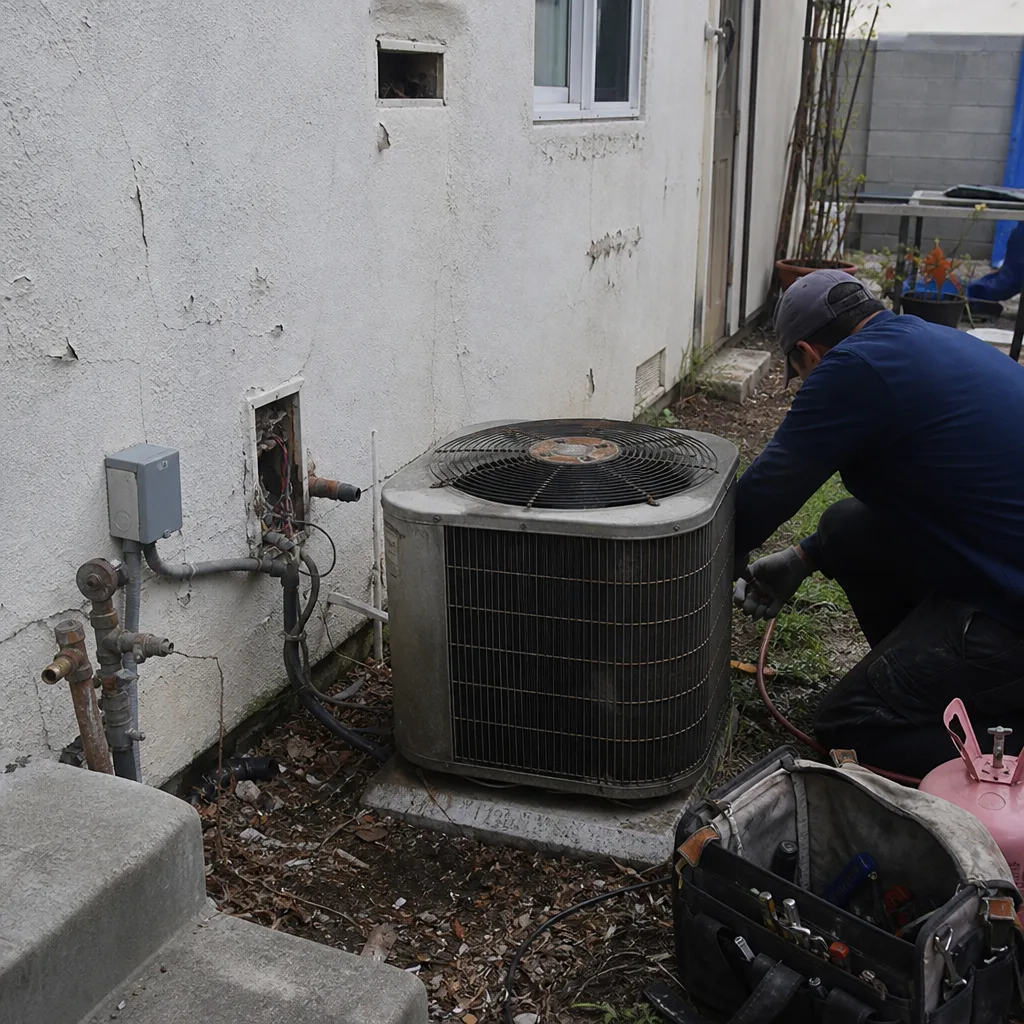 Before
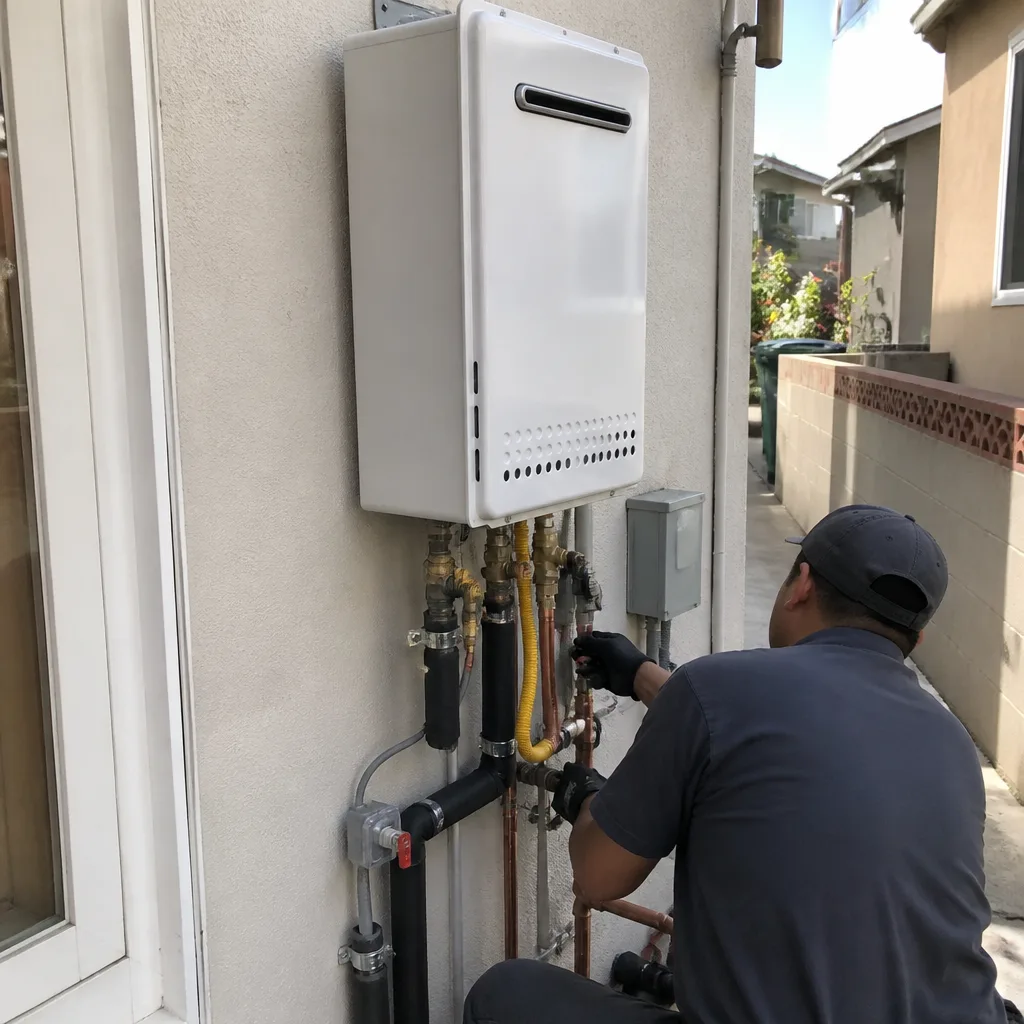 After
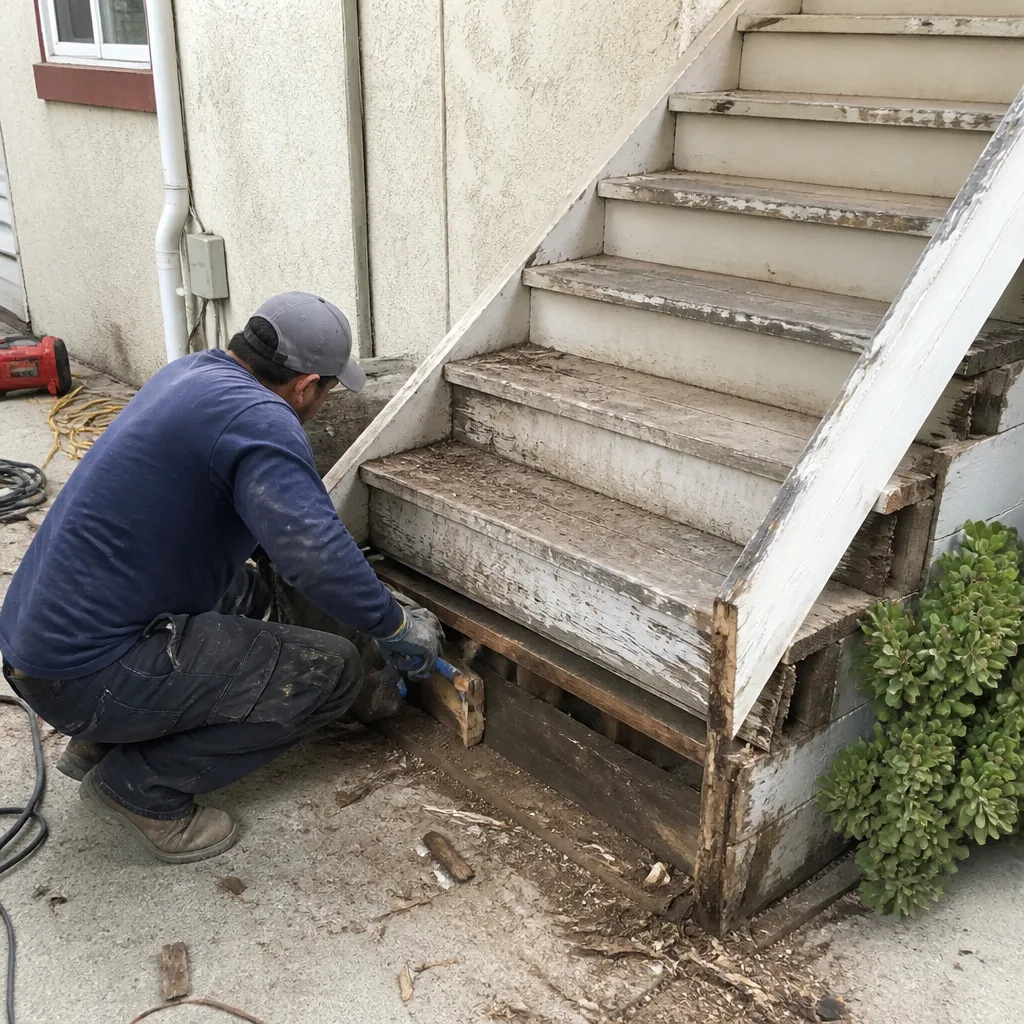 Before
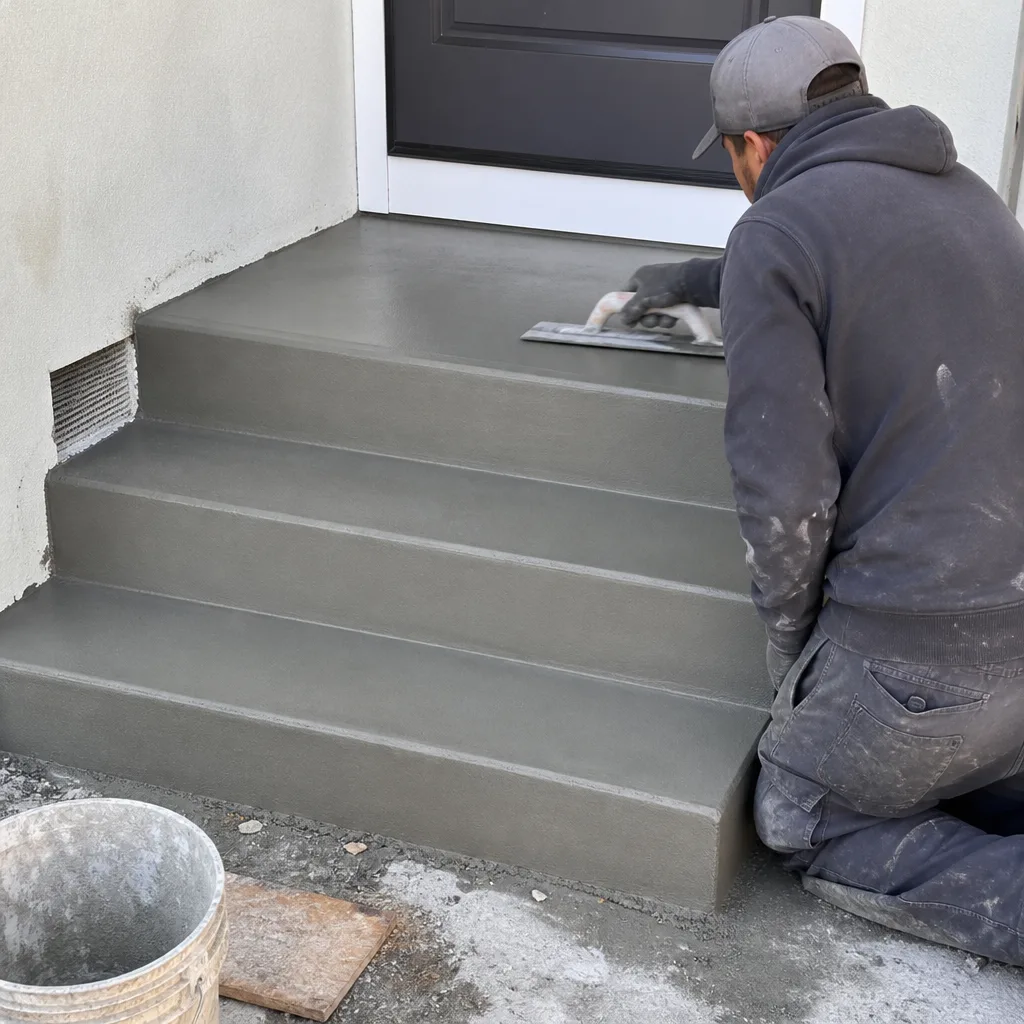 After
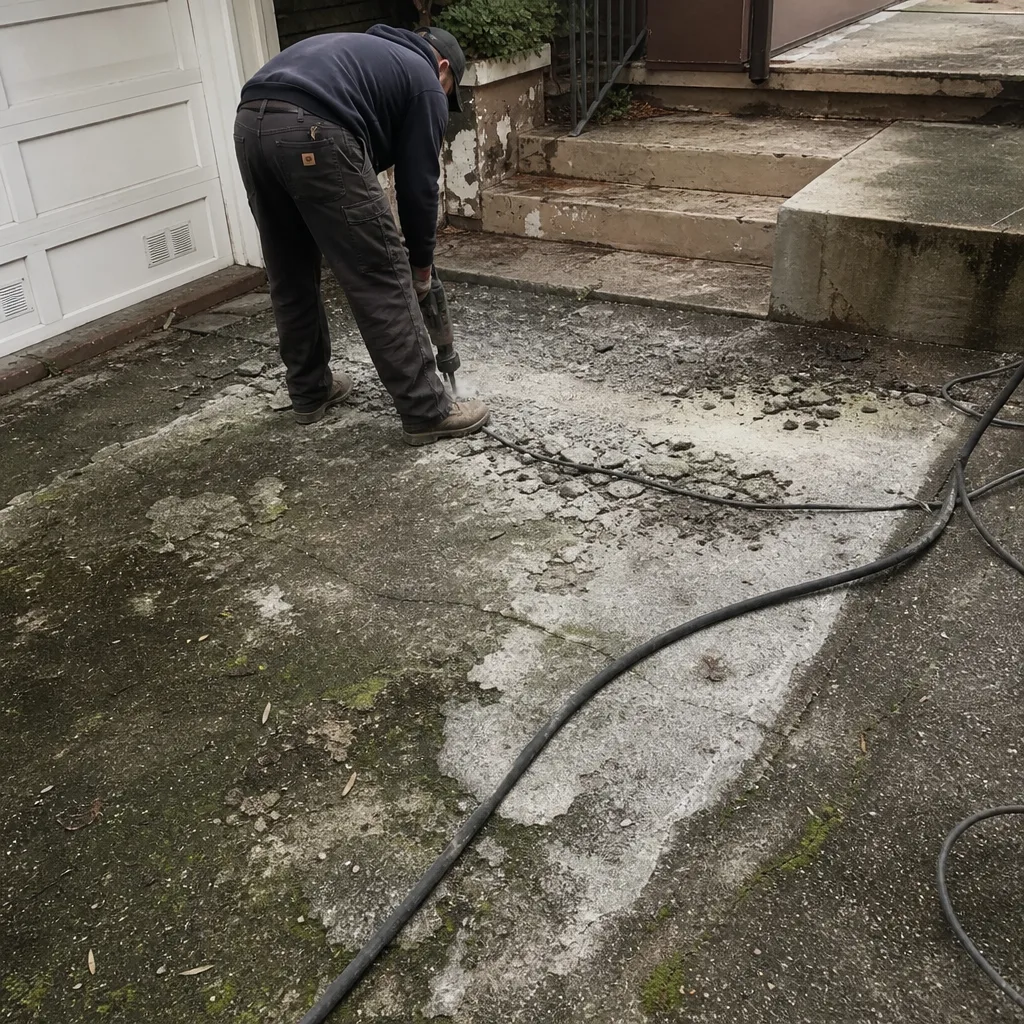 Before
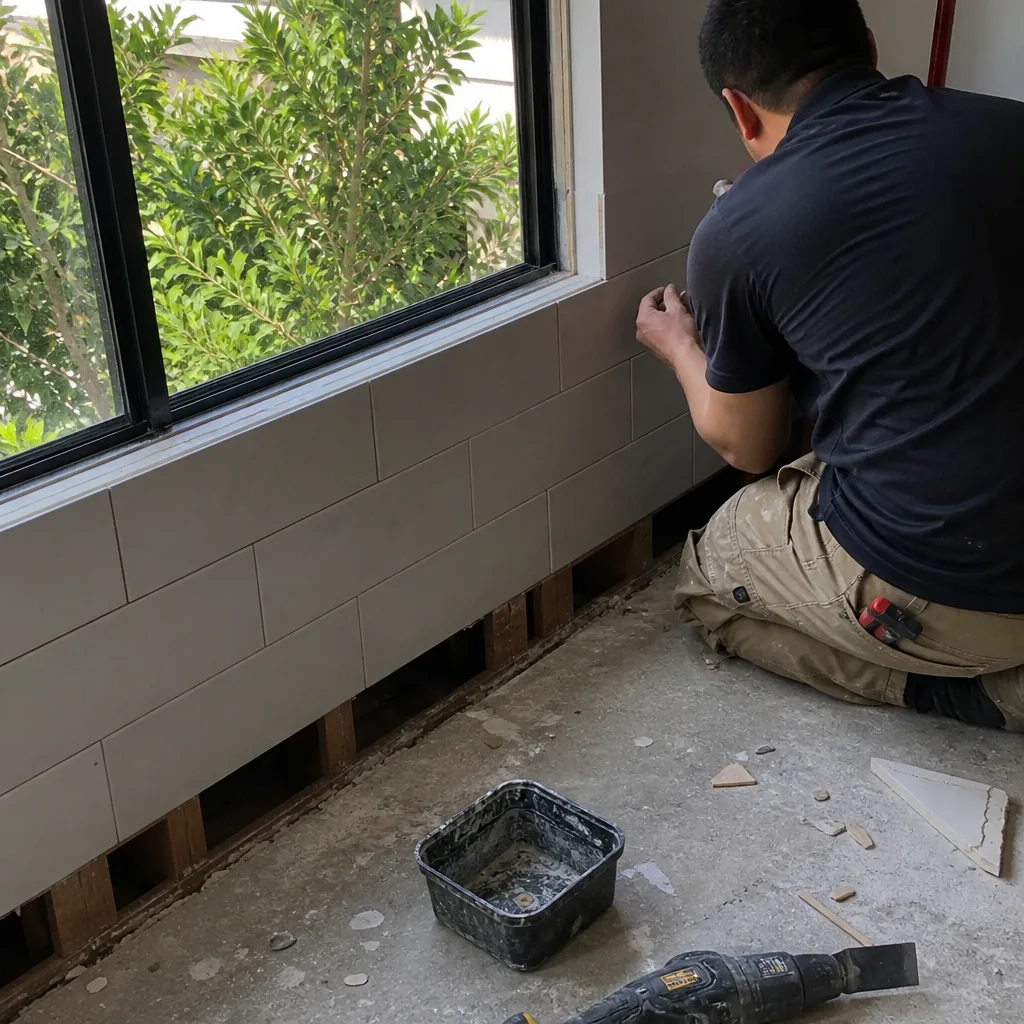 After