
Last updated October 31, 2026
 Home additions & ADU
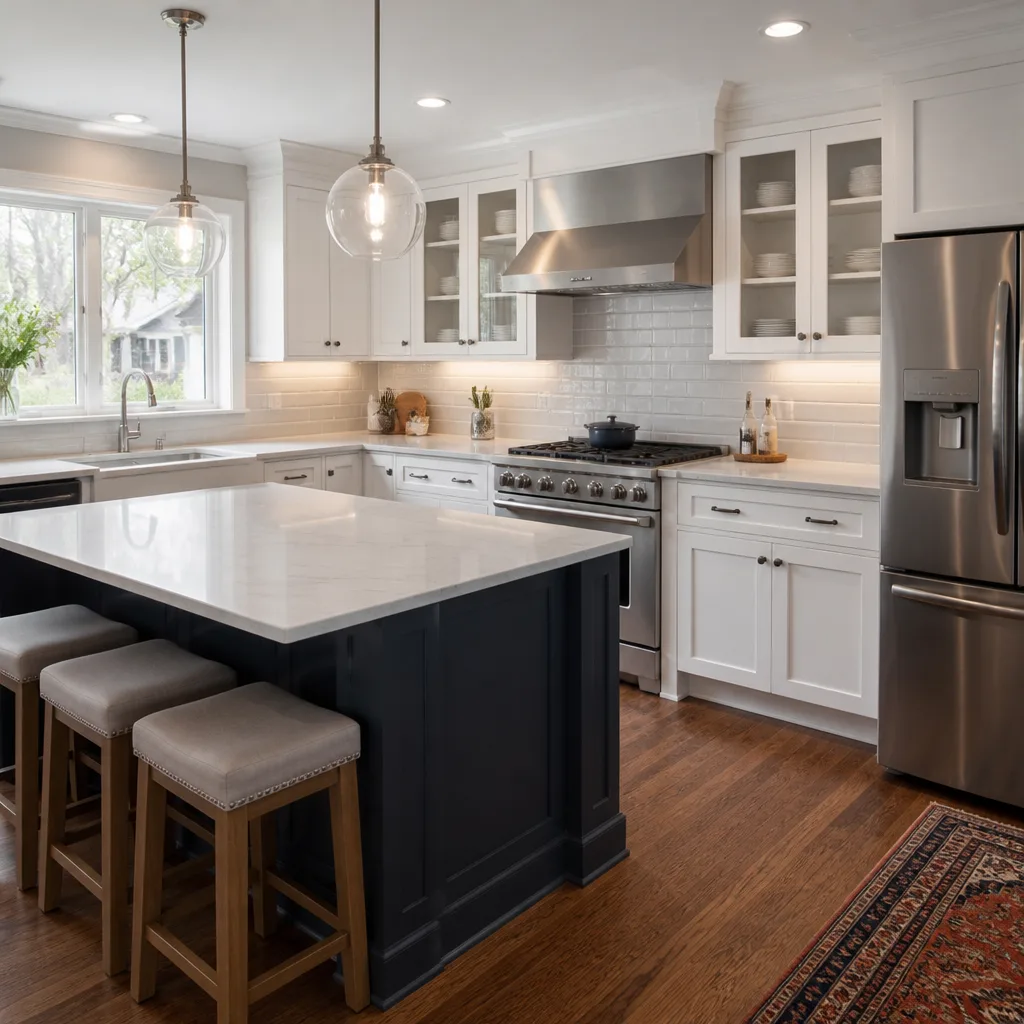 Kitchen remodeling
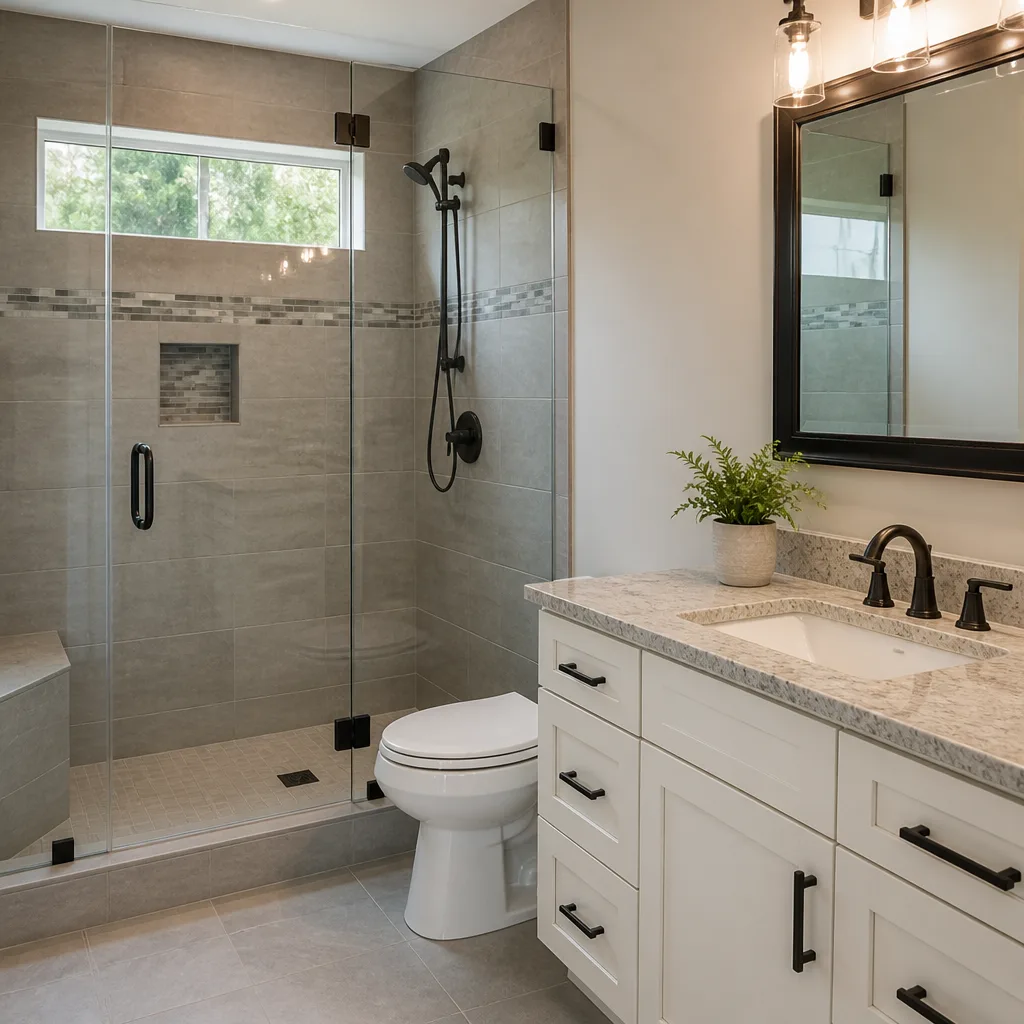 Bathroom remodeling
 Roofing
 Windows & doors
 Driveway & pavers
 Fence
Free written scope consultation - allowances, timeline, and change-order rules on paper before a single trade is scheduled
The Complete General Contractor Guide for Chinatown Homeowners
Most homeowners think a general contractor is just a middleman who hires subcontractors and adds a markup. That’s the wrong mental model, and it leads to bad decisions. The truth is a qualified GC is the single point of accountability for every trade, every material order, every inspection, and every warranty claim on a job that might involve 15 different specialty crews. This guide walks you through what a general contractor actually does in Chinatown, what you should expect to pay, how to vet candidates, what the contract should contain, and the questions most people forget to ask until it’s too late.
Styles & brands we work with
Quick Answer
A general contractor in Chinatown manages your entire construction project from permits to final inspection, coordinating all subcontractors, ordering all materials, and absorbing liability for schedule and budget. You need one for any project involving multiple trades, structural changes, or work requiring a building permit. The right contractor saves you 15 to 25 percent versus hiring trades yourself, simply by eliminating coordination failures, rework, and gaps in scope.
Table of Contents
- What Does a General Contractor Actually Do?
- What Should Chinatown Homeowners Expect to Pay?
- How to Vet a General Contractor, Step by Step
- Understanding the Contract, Line by Line
- Chinatown Construction: Code and Permit Realities
- Material Selection and Brand Partnerships
- Common Mistakes to Avoid
- When to Call a Professional
- Frequently Asked Questions
- The Bottom Line
What Does a General Contractor Actually Do?
A general contractor has three core jobs: planning, coordination, and accountability. Planning means translating architectural drawings into a construction sequence, a material procurement schedule, and a realistic budget. Coordination means scheduling electricians, plumbers, framers, tile setters, painters, and inspectors so they don’t collide with each other. Accountability means the GC absorbs the blame when something goes wrong, fixes it, and deals with the warranty fallout. That last part is what you’re really paying for.
Here’s what that looks like on a typical home remodeling project in Chinatown:
- Pre-construction: Site assessment, scope definition, permit applications, material selections, subcontractor bids, contract negotiation.
- Demolition and rough-in: Demolition, framing, electrical rough-in, plumbing rough-in, HVAC modifications, first inspection.
- Enclosure: Windows, doors, roofing, siding, waterproofing, insulation, second inspection where required.
- Finishes: Drywall, paint, tile, countertops, cabinetry, flooring, trim, fixtures.
- Closeout: Final inspections, punch list, cleaning, walkthrough, warranty documentation.
Each of those phases involves 3 to 6 different trade crews. If you hire them yourself, you become the GC, without the buying power, the trade relationships, or the experience to know when a sub is cutting corners. In Chinatown, where many buildings are older and have undocumented structural quirks from previous renovations, that experience matters more than it does in newer subdivisions. For a deeper look at local conditions, see The Complete Guide to Construction in Chinatown.
What Should Chinatown Homeowners Expect to Pay?
General contractor pricing in Chinatown follows a predictable range. The GC’s fee typically runs 10 to 20 percent of the total project cost, on top of materials and subcontractor labor. For reference, a kitchen remodel in this area generally lands between $45,000 and $90,000, while a primary bathroom runs $25,000 to $55,000. A full home renovation with structural work can exceed $200,000, and ADU construction typically starts around $180,000. These are 2025 market ranges, not quotes, but they’ll help you spot bids that are dangerously low or padded. For detailed figures, see our Construction Cost Breakdown: The Chinatown Homeowner’s Reference for 2026.
- Kitchen remodel: $45,000 to $90,000 depending on cabinet grade, counter materials, and layout changes.
- Bathroom remodel: $25,000 to $55,000, with high-end fixtures and tile pushing the range upward.
- Whole-home renovation: $150,000 to $400,000, driven by structural scope and finish level.
- ADU construction: $180,000 to $350,000 depending on size, site access, and foundation requirements.
- Exterior envelope work (roof, siding, windows): $30,000 to $80,000 depending on material selection.
What most homeowners don’t realize is that similar-looking bids can hide dramatically different material allowances. A bid that specifies Therma-Tru entry doors, James Hardie siding, and GAF roofing will cost more upfront than a bid with unnamed builder-grade substitutes, and it should. The materials themselves can swing a bid by 20 to 30 percent before you even consider installation quality. We always recommend getting a written line-item budget so you can see exactly where the money goes. That level of transparency is rare, but it’s the only way to compare bids honestly.
How to Vet a General Contractor, Step by Step
Vetting a GC in Chinatown requires more than checking a license number and calling references. Here’s the process we recommend, based on what actually separates reliable contractors from the ones who vanish mid-project.
- Verify the license is active and clean. California’s Contractors State License Board (CSLB) maintains a public database. Check for active status, workers’ compensation coverage, and any disciplinary actions. A suspended license is an automatic no.
- Ask for three references from jobs completed within the last 12 months. Older references are fine, but recent ones tell you how the contractor is operating right now, not how they operated five years ago.
- Visit a job in progress. This is the single most revealing step. You’ll see job site organization, how subs are treated, whether materials are protected, and whether safety is actually practiced. A contractor who won’t let you visit a site is hiding something.
- Request a line-item bid, not a single number. A single number tells you nothing. A line-item breakdown shows you material allowances, labor hours, subcontractor costs, and the GC fee. It also protects you later when change orders come up.
- Ask about brand access. This is a surprisingly reliable proxy for a contractor’s relationships and buying power. A contractor with established partnerships across brands like Cambria, Kohler, Therma-Tru, and GAF has negotiating leverage and warranty backing that a contractor who buys from a retail counter doesn’t.
- Confirm who pulls permits. The GC should pull all building permits in their own name. If a contractor suggests working without permits, walk away immediately. In Chinatown, unpermitted work gets flagged during resale inspections and can block financing.
In our experience, only about a third of contractors we encounter meet all six criteria. The good news is you don’t need a huge pool. You need one qualified GC. Take your time on this step; everything else flows from it.
Understanding the Contract, Line by Line
A construction contract is not a formality, and the California Home Improvement Contract requirements exist because of decades of consumer abuse. Here are the sections that matter most in a Chinatown residential project, and what each one should actually say.
- Scope of work: A room-by-room description of every task, including demolition, framing, electrical, plumbing, finishes, and cleanout. Vague scope language is how contractors justify change orders later. If it’s not written, it’s not included.
- Payment schedule: California law caps the deposit at 10 percent or $1,000, whichever is less. Payment draws should be tied to completed milestones, not calendar dates. Never agree to large upfront payments.
- Change order process: The contract should state that all changes are submitted in writing, priced before work begins, and signed by both parties. Verbal change orders are the number one source of budget blowouts.
- Material specifications: This is where brand names matter. “Quartz countertop” leaves room for the cheapest import slab. “Cambria quartz, selected by owner from approved samples” locks in the quality level. We specify brands like Therma-Tru, ViewLux, and Mr-Glass in contracts precisely so there’s no ambiguity about what gets installed.
- Subcontractor list: The contract should identify which licensed subs will handle plumbing, electrical, and HVAC. You have the right to know who’s working in your home.
- Warranty terms: California requires a one-year fit-and-finish warranty on workmanship. Manufacturer warranties cover materials but are only valid when installation meets manufacturer specifications. Confirm your GC’s workmanship warranty is in writing.
- Project timeline: Include start date, estimated completion date, and expected major milestones. Delays happen, but the contract should explain how they’re communicated and whether you’re entitled to compensation for unreasonable delays.
A legitimate GC will walk you through every one of these sections before asking for a signature. If you’re handed a two-page contract with a single number on it, that’s who they’re protecting, not you. For a deeper look at how this works in practice, our general contractor services page for Chinatown walks through our own contracting standards.
Chinatown Construction: Code and Permit Realities
Chinatown has some of the oldest residential building stock in California, and that creates specific construction challenges you won’t find in newer developments. We’ve worked on buildings with structural framing from the 1920s, undocumented previous renovations, and floor systems that have settled unevenly over decades. This is not a reason to avoid remodeling. It’s a reason to choose a contractor who understands what’s behind the walls before opening them.
Key realities to understand about Chinatown construction:
- Permitting takes longer than you think. Dense urban neighborhoods, historic district overlays, and high application volume mean permit review can take weeks or months, especially for structural changes. Plan for it.
- Building code evolves. A renovation begun today must meet current seismic, energy, and accessibility codes, even if the rest of the building doesn’t. That can add scope, like shear wall installation or foundation improvements, that you didn’t anticipate.
- Access constraints are real. Narrow streets, limited parking, and shared walls affect material delivery, dumpster placement, and work hours. Your contractor needs local experience to schedule around these constraints rather than fight them.
- Unpermitted previous work creates problems. If a previous owner remodeled without permits, your contractor may need to bring that work up to code before proceeding. This is common in Chinatown and can add thousands to the budget.
When we take on a home renovation in Chinatown, we always start with a thorough site assessment that includes checking for unpermitted previous work. It’s better to discover these issues before the contract is signed than halfway through demolition, when you’re already committed financially.
Material Selection and Brand Partnerships
This is the part of the process where the right contractor relationship pays dividends. Most remodelers hand you a limited catalog from one or two suppliers. A general contractor with broad brand partnerships brings the showroom to your project, giving you access to dozens of manufacturers across every category in your renovation. That matters because material quality varies enormously, and the difference between a good remodel and a great one often comes down to items you touch every day: the entry door, the kitchen faucet, the bathroom tile, the siding that protects your house for decades.
Here’s why brand access matters in practical terms:
- Windows and doors: Therma-Tru entry doors and ViewLux windows carry manufacturer warranties that are only honored when installed to spec. A contractor who works with these brands regularly knows the installation requirements. A contractor who buys whatever’s on sale at the lumberyard doesn’t.
- Countertops and cabinetry: The difference between a value-priced engineered surface and a premium Cambria quartz slab is visible and durable. But it’s also a price difference of 40 to 60 percent. You should choose knowingly, not by default.
- Lighting and mirrors: Even smaller brands like Mr-Glass matter. Mirror quality, edge finishing, and mounting hardware age differently depending on the manufacturer. These are the details you’ll notice a year after the project ends.
- Roofing and siding: GAF and James Hardie both back their products with long warranties, but those warranties are conditional. The manufacturer must approve the installation method. A contractor who has installed 50 of their roofs or walls knows exactly what the rep will look for.
The point is not that premium brands are always the right choice. It’s that the choice should be informed, and a contractor’s roster of brand relationships is a strong indicator of the quality threshold they’re comfortable with. We carry partner relationships across 50-plus manufacturers because our clients in Chinatown routinely ask for specific products by name, and we’d rather be the contractor who can deliver than the one who says “we can try to find that.”
Common Mistakes to Avoid
- Choosing the lowest bid without reading the scope. The lowest bid in Chinatown typically excludes permits, underprices materials, and assumes the cheapest possible fixtures. Six months later, you’ll pay the difference in change orders and rework.
- Skipping the permit process. We’ve already covered the resale risks. But it also voids your homeowner’s insurance coverage for the work and puts you on the hook for code violations discovered later.
- Buying materials online to save money. This backfires in two ways. First, contractor pricing on items like Therma-Tru doors or Cambria slabs is often better than what you can find yourself. Second, when materials arrive damaged or incorrect, you’re the one dealing with the supplier while your crew stands idle.
- Signing a contract with vague scope language. “Install kitchen cabinets” is not a scope item. Cabinet count, configuration, brand, finish, hardware, and trim work are scope items. Vague language is a future invoice.
- Making payments too far ahead of work. California caps the deposit at 10 percent. If a contractor asks for 30 or 40 percent upfront, they may be financing their last job with your money. That’s a liquidity problem, not a negotiation tactic.
- Changing your mind mid-project and not documenting it. Every change should be a written change order with a price attached before work proceeds. This single habit prevents more disputes than any other contracting practice.
- Ignoring the warranty details. Manufacturer warranties on windows, roofing, and siding often have maintenance requirements. Know what they are before the job closes out.
When to Call a Professional
If your project involves structural changes, moving plumbing or electrical lines, opening exterior walls, replacing a roof, or adding square footage, you need a licensed general contractor. These scopes require permits, which means drawings, inspections, and code compliance, and the liability for getting any of it wrong is yours until you sign it over to someone qualified. The same applies to renovations in older Chinatown buildings, where the condition under the surface is frequently different from what the drawings suggest. You don’t need a GC to paint a bedroom or swap a light fixture. You need one the moment a project involves consequential decisions you can’t undo cheaply. Timberline Contractors offers free estimates in Chinatown. Call (866) 253-5808 to schedule yours.
Frequently Asked Questions
A general contractor in Chinatown manages your entire construction project from initial planning and permits through demolition, rough-in, finishes, and final inspection. They coordinate all subcontractors, order materials, manage the schedule, handle code compliance, and carry the liability when something goes wrong. You hire one contractor, sign one contract, and pay one invoice, instead of juggling a dozen trades yourself.
Expect to pay a GC fee of 10 to 20 percent of total project cost, on top of materials and subcontractor labor. For a typical kitchen remodel in Chinatown, that means the contractor fee might run $5,000 to $18,000 depending on scope. For a whole-home renovation, the fee can reach $40,000 or more. The fee is not a markup, it’s the cost of project management, purchasing, schedule coordination, and warranty responsibility. Call (866) 253-5808 for a free estimate with a full line-item breakdown.
Yes, for almost any project that changes structure, plumbing, electrical systems, or the exterior envelope. Cosmetic work like painting, flooring, and cabinet door replacement generally doesn’t require a permit. But in Chinatown, where many homes are older and have had previous unpermitted work, your contractor may need to permit not just the new work but older code violations discovered during the process.
A kitchen remodel typically takes 8 to 12 weeks from demo to final inspection. A primary bathroom runs 4 to 8 weeks. A whole-home renovation with structural work typically takes 4 to 8 months. Add permit review time on the front end, which in Chinatown can range from a few weeks to several months depending on scope and city workload.
A general contractor is licensed by the state to manage projects of any size, pull permits, and hire licensed subcontractors for specialty trades. A handyman can legally perform small jobs under $500 in California without a contractor’s license, but cannot pull permits or manage multi-trade projects. If your project involves structural work, plumbing changes, or electrical work, you need a licensed GC.
Almost never. You’ll typically pay more than the contractor’s trade pricing, and when products arrive damaged, delayed, or incorrect, the schedule stops and the finger-pointing begins, with you in the middle. A good GC takes responsibility for material purchasing and the problems that come with it. That’s part of what the contractor fee pays for.
California requires a one-year workmanship warranty on all residential work. Beyond that, material warranties vary by manufacturer. Therma-Tru entry doors, for instance, carry limited lifetime warranties on certain components, while GAF roofing warranties can range from 10 years to lifetime depending on the product line. Your contractor should provide all manufacturer warranty documentation at project closeout, and the workmanship warranty should be in writing.
The Bottom Line
The right general contractor in Chinatown is not a cost, it’s a risk transfer. You’re paying someone to absorb the coordination failures, material delays, code complications, and warranty headaches that come with any significant renovation. Vet thoroughly, read the contract line by line, understand what you’re paying for at the material level, and don’t rush the decision. A well-managed remodel adds value, function, and years of satisfaction to a home. A poorly managed one becomes a punch list you’ll live with, or pay twice to fix. The difference starts with who you hire and the contract you sign. For more guides & resources, explore our blog.
Still have questions about your specific project? Timberline Contractors home offers free, no-obligation estimates for remodeling and renovation work in Chinatown. Call (866) 253-5808 to schedule yours today.
Written by the team at Timberline Contractors, serving Chinatown since 2018.
See the difference
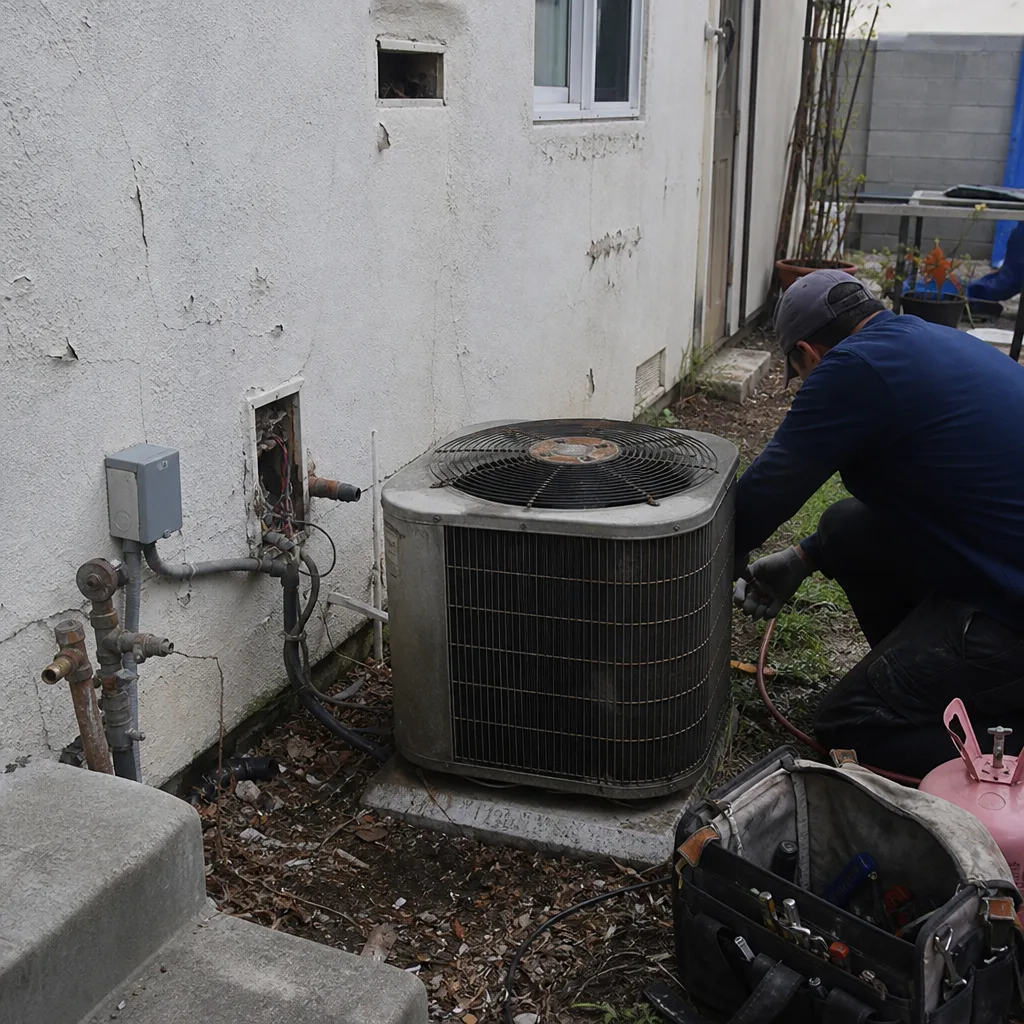 Before
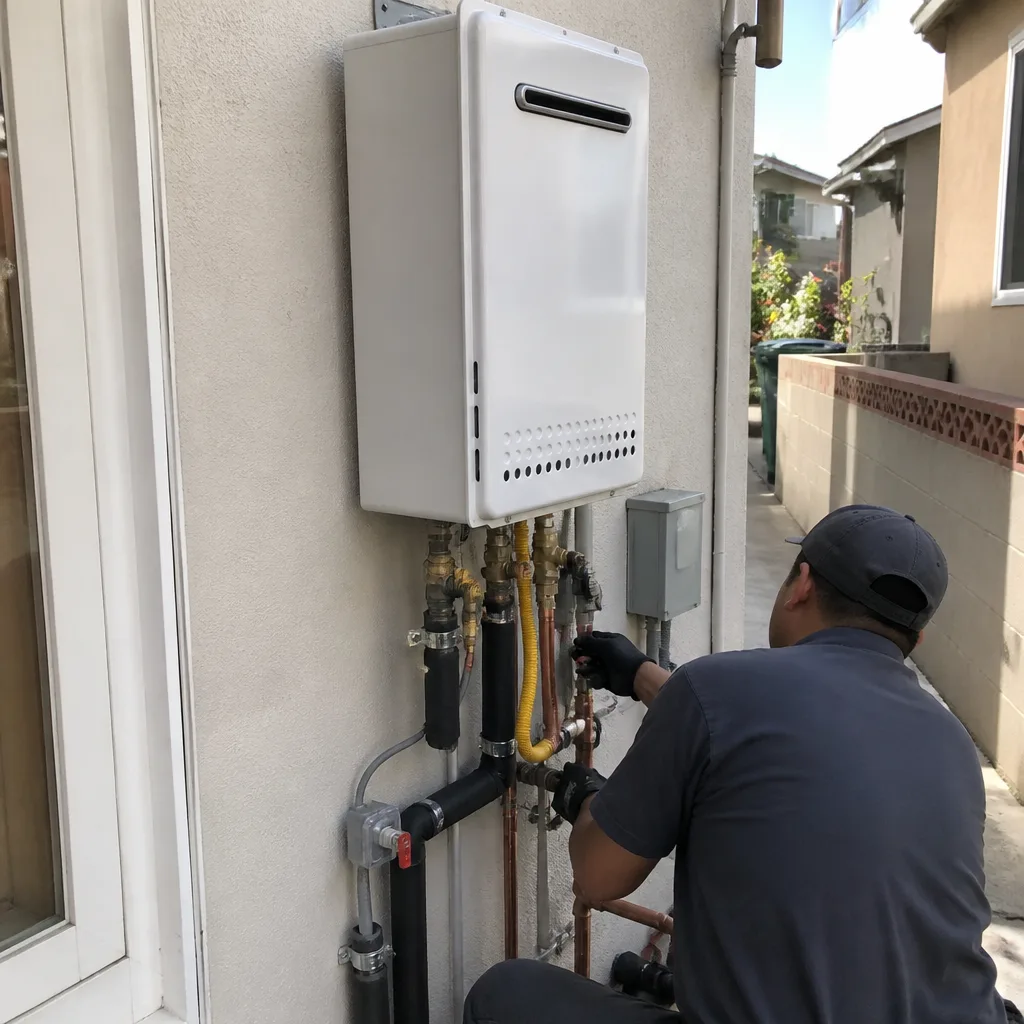 After
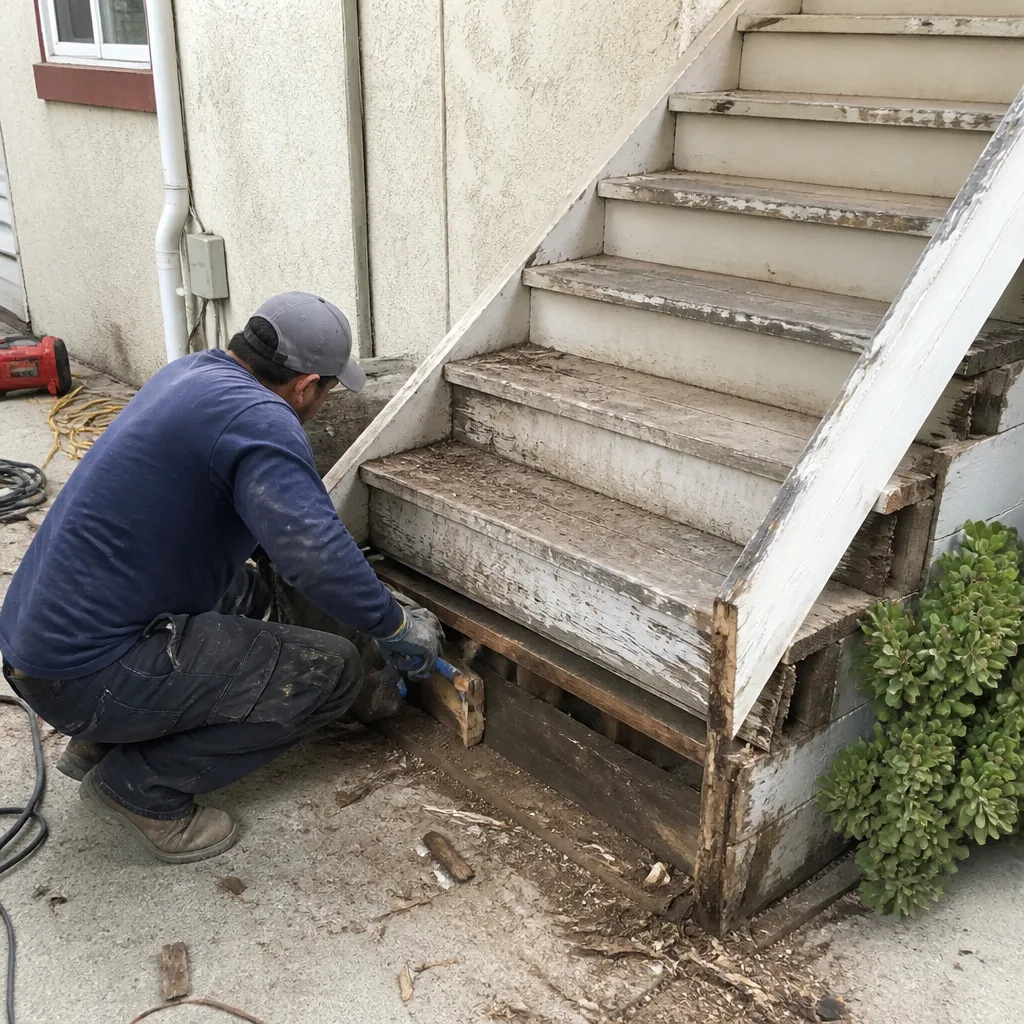 Before
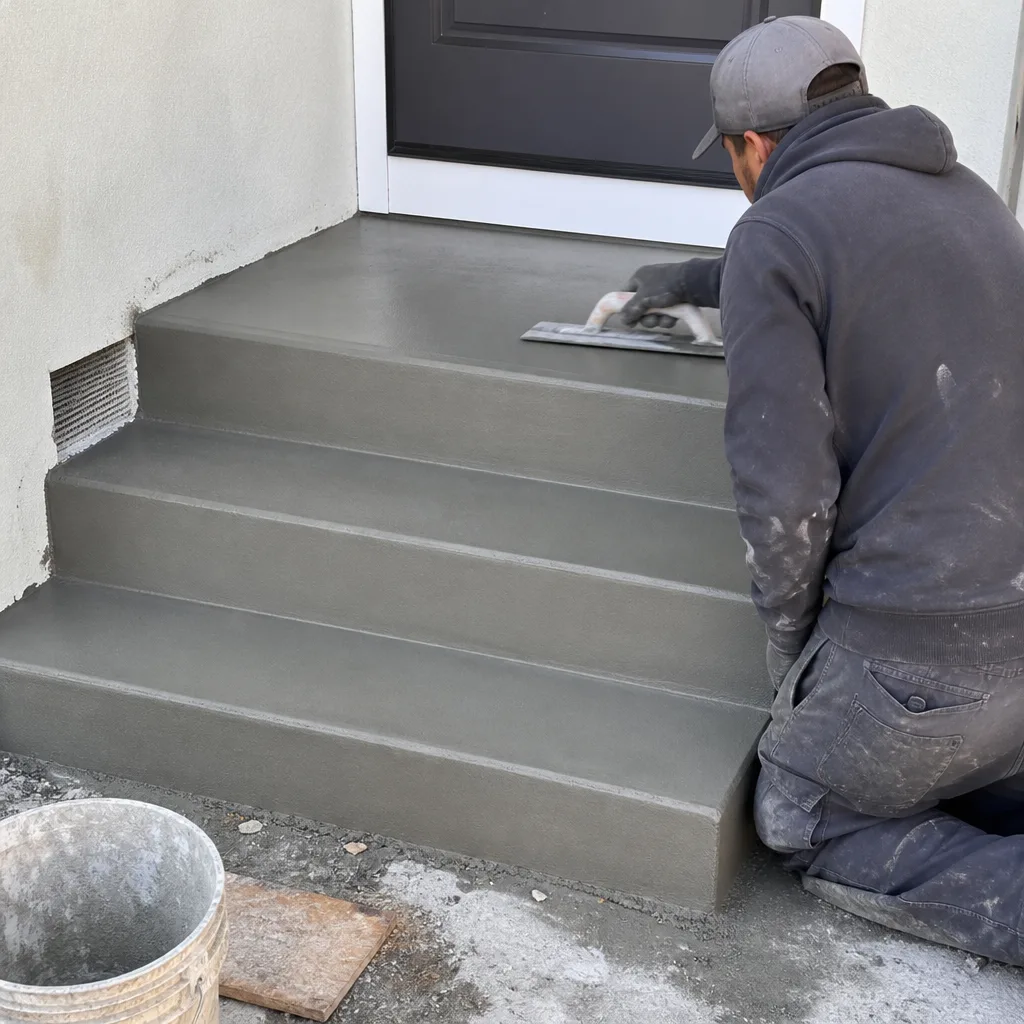 After
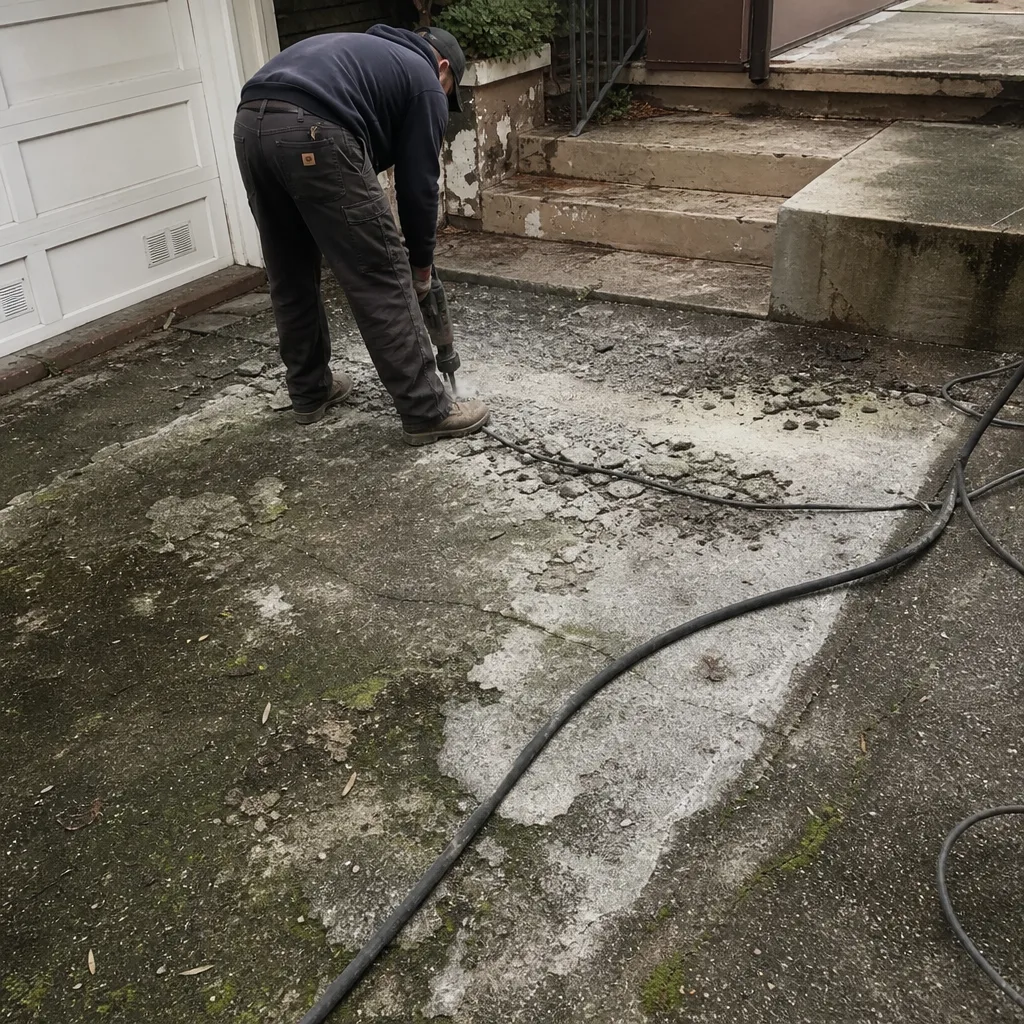 Before
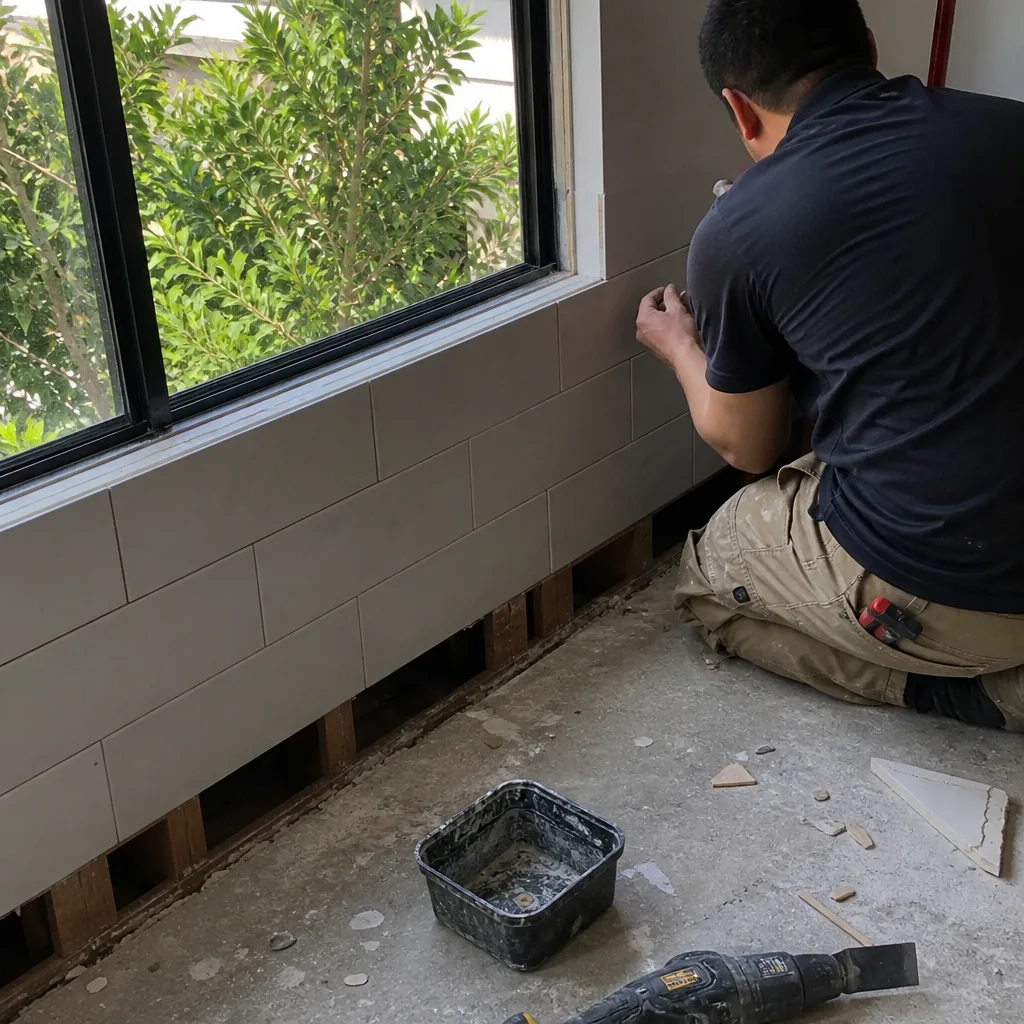 After