Last updated October 31, 2026
 Home additions & ADU
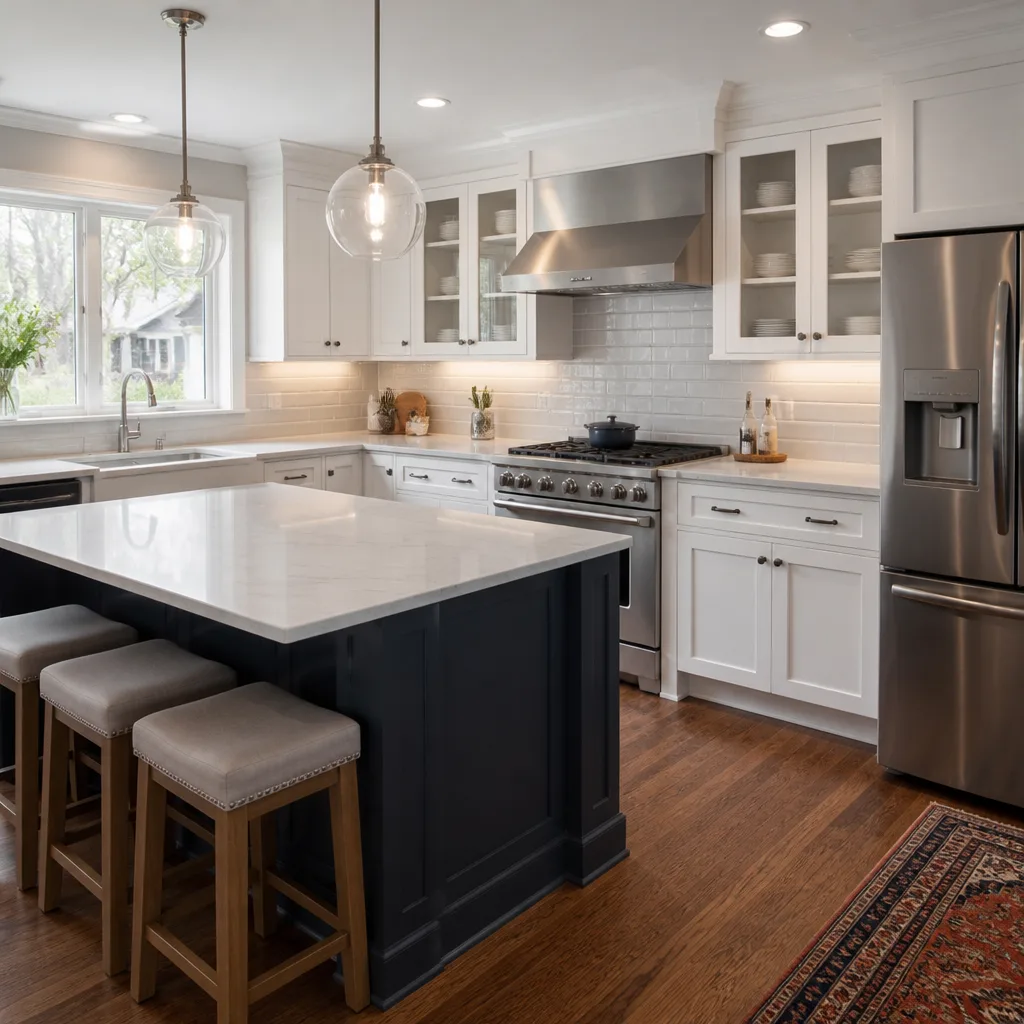 Kitchen remodeling
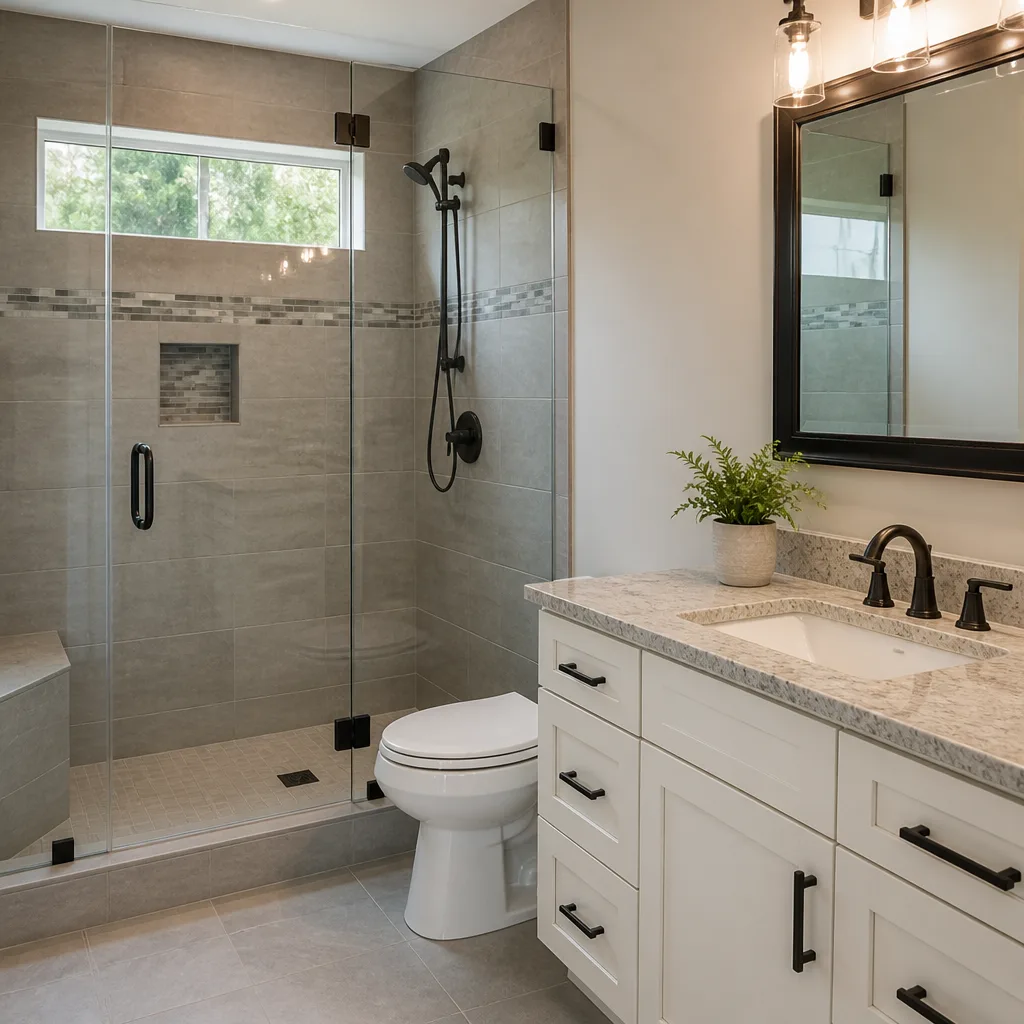 Bathroom remodeling
 Roofing
 Windows & doors
 Driveway & pavers
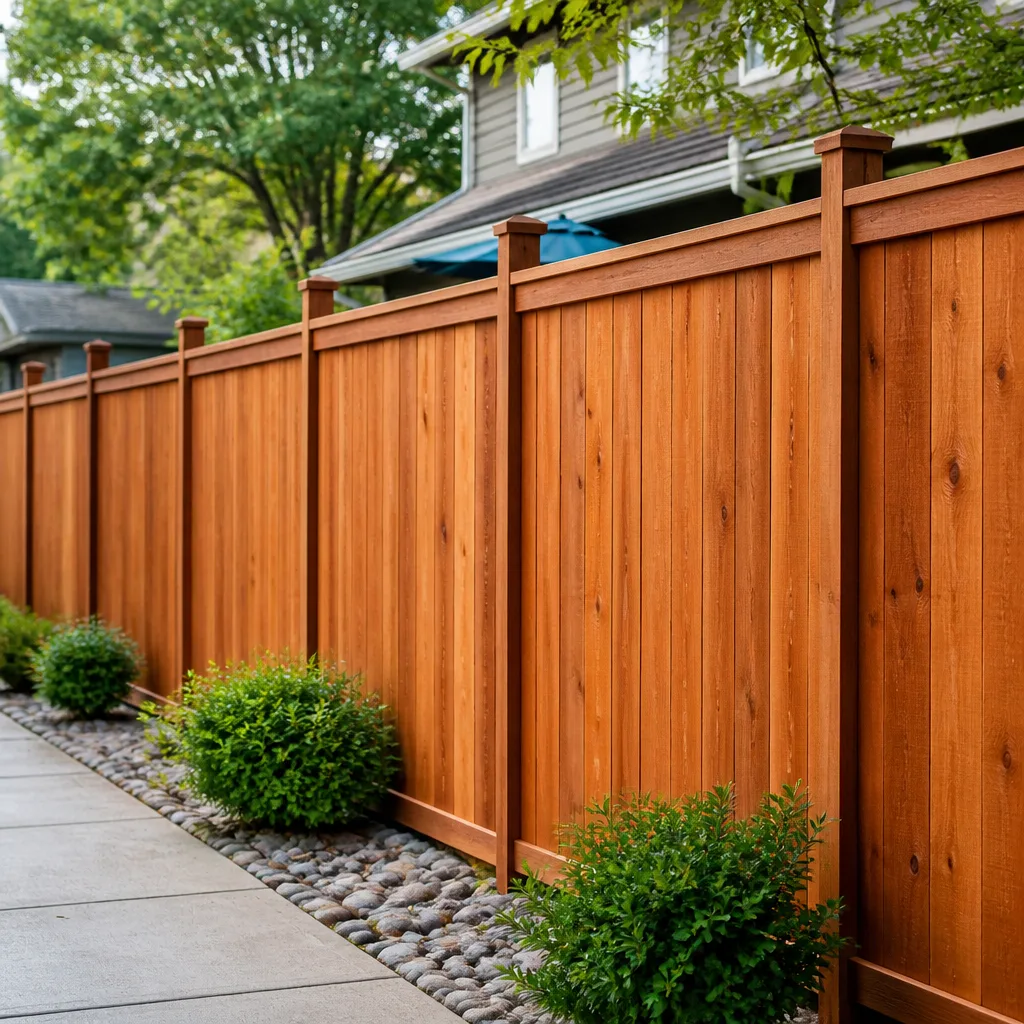 Fence
Free written scope consultation - allowances, timeline, and change-order rules on paper before a single trade is scheduled
DIY vs Professional Construction: The Chinatown Homeowner’s Decision Guide
In California, a homeowner can legally pull their own permit for certain work, but in Chinatown’s attached housing stock, doing it yourself on a structural or plumbing task can void your neighbor’s warranty claims and trigger shared-wall liability that no amount of DIY savings will offset. Most homeowners who call us after a DIY attempt aren’t calling because they lacked skill. They’re calling because they discovered, halfway into a demolition, that the wall they opened wasn’t theirs to open. This guide maps the real decision line in Chinatown, not the one you’ll find in a weekend-warrior tutorial: which projects carry permit liability, which trigger party-wall responsibility, and which are genuinely safe to take on yourself.
Styles & brands we work with
Quick Answer
In Chinatown, DIY is genuinely safe for cosmetic, non-structural, non-electrical, non-plumbing work: painting, trim, flooring over sound subfloor, cabinet hardware, and fixture swaps where shutoffs already exist. Everything else, especially anything touching shared walls, load-bearing framing, drainage, gas lines, or panels, should go through a licensed general contractor, because the permit and liability structure in attached Chinatown housing makes unlicensed work a financial time bomb. If you’re unsure how to vet one, see our guide on How to Hire a Construction Contractor in Chinatown: A Step-by-Step Guide.
Table of Contents
- The Permit Line: Where Chinatown Draws It Differently
- Party Walls and Shared Liability: The Cost No Tutorial Mentions
- Which Projects Are Genuinely DIY-Safe in Chinatown
- Older Chinatown Building Stock: Asbestos, Lead, Wiring, and Plumbing
- The Real Cost Math: Why DIY Savings Are Often an Illusion
- The Hybrid Model: Where Homeowners Can Legitimately Cut Costs
- Warranty Invalidation: The Hidden Price of Unguarded DIY
- Common Mistakes to Avoid
- When to Call a Professional
- Frequently Asked Questions
- The Bottom Line
The Permit Line: Where Chinatown Draws It Differently
California’s permit requirements under the California Residential Code are not a suggestion, but in a city as dense as Chinatown, they function differently than they do in a single-family house on a cul-de-sac in the Central Valley. The moment your project touches a shared wall, a shared roof plane, a shared drainage stack, or any structural member that also supports your neighbor’s unit, the permit is no longer about your house. It is about the building. That shift changes everything.
Start with the baseline. In California, a homeowner can pull an owner-builder permit for work on their own residence. That legal right exists, and we would never tell you it doesn’t. But the right to pull a permit is not the same as the right to be wrong without consequences. When a licensed contractor pulls a permit in Chinatown, the contractor’s license, bond, and insurance stand between the homeowner and the city’s correction process. When an owner-builder pulls a permit, the homeowner is the contractor. Every inspection failure, every code correction, every revision request lands on your kitchen table, and the clock on your project keeps running while you sort it out.
We see the same pattern in Chinatown repeatedly: a homeowner pulls an owner-builder permit for a bathroom remodel in an older walk-up, opens the wall, finds a cast-iron waste stack shared with the unit above, and suddenly the scope has expanded from tile and a vanity to a plumbing repipe that requires coordination with a neighbor who did not plan on any of this. That is not a skill problem. It is a liability problem, and it is the exact point where the DIY decision gets made, whether the homeowner chose it consciously or not.
Here is how we categorize the permit line for Chinatown projects:
- Cosmetic, permit-free: paint, trim, baseboards, crown molding, cabinet hardware, interior door replacement where the frame stays, fixture trim kits, faucet swaps where shutoffs are accessible and sound, and flooring over an existing, structurally adequate subfloor.
- Electrical and plumbing, permit required: any new circuit, any panel work, any outlet added or moved, any drain relocation, any supply line moved, any shower valve replacement, any water heater work, and any gas line touch. In attached Chinatown buildings, a plumbing mistake is not a leak in your unit alone. It is a leak in the unit below, and the remediation bill belongs to you.
- Structural, permit required: any wall removal, any header change, any beam alteration, any roof framing change, any foundation work, and any seismic retrofit item. In Chinatown’s older stock, a wall that looks non-load-bearing in a 1908 building frequently is carrying a surprising amount of the floor above.
- Exterior envelope, permit required: roofing, siding, window replacement where the opening size changes, any stucco or sheathing work, and any parapet repair on a flat roof. These affect the building envelope and frequently trigger shared-wall or shared-roof coordination.
The simplest way to think about it: if a neighbor, an insurance adjuster, or a city inspector will ever look at the work, it probably needed a permit. And in Chinatown, because of the density and the age of the housing stock, those three people are involved in far more projects than most homeowners expect. For a deeper look at how this applies to a full-scope project, our General Contractor in Chinatown page walks through the coordination responsibilities a licensed GC carries on your behalf.
Party Walls and Shared Liability: The Cost No Tutorial Mentions
Chinatown housing stock is overwhelmingly attached. Row houses, walk-up flats over storefronts, and mixed-use buildings share walls, floor assemblies, roof membranes, and drainage stacks. A YouTube tutorial showing a clean demolition in a freestanding suburban house has almost no transferability to a Chinatown row house where your living room wall is also your neighbor’s living room wall, and the electrical in that wall serves both units.
Party-wall liability in California falls under the law of lateral support and the doctrine of nuisance, and it functions through insurance. Your neighbor’s homeowner’s policy covers their damage until the insurer determines the source was in your unit, at which point their insurer subrogates against you or your policy. If the work was done without a permit, or by someone unlicensed, or in a way that violated any building code, your own policy may deny coverage, and the subrogation amount becomes personal.
That is the sentence every Chinatown homeowner should read twice. Unpermitted DIY work that damages a neighbor’s unit can become personal liability that your insurer refuses to defend.
Here is what we have seen in attached Chinatown buildings:
- A homeowner replaced a shower pan without a permit, the liner was installed incorrectly, and the resulting slow leak damaged the ceiling of the unit below. The neighbor’s insurer paid for the ceiling repair, then subrogated against the homeowner. Because the work was unpermitted, the homeowner’s insurance denied the claim. The out-of-pocket total exceeded what a licensed bath remodel would have cost.
- A homeowner removed a wall in a unit in a three-story walk-up, believing it was non-load-bearing. It was carrying a portion of the floor above. The building’s owner filed a complaint, the city required structural remediation, and the homeowner’s insurance walked away because the work was unpermitted and structurally negligent.
- A homeowner in a mixed-use building replaced a water heater without a permit and without a licensed plumber. The relief valve discharge line was run incorrectly, and when the tank over-pressurized, it discharged into the commercial space below, destroying a storefront’s inventory. The commercial tenant’s claim was catastrophic.
The common thread in each of these: none of the homeowners thought they were doing anything dangerous. They were following tutorials, working carefully, and saving money. They simply did not know where the line was because the line in Chinatown is drawn in shared walls, shared drains, and shared roof membranes, not in the visible surfaces of their own unit.
When we manage a remodel in attached Chinatown housing, one of the first things we do is identify every party-wall penetration, every shared stack, every common roof drain, and every structural member that crosses a property line or a unit line. That mapping drives the scope, the sequencing, and the coordination with neighboring units. None of that mapping is available to a homeowner working from a tutorial. It is the coordination work that separates a licensed general contractor from a trade-by-trade approach, and it is the work that keeps you out of a subrogation claim. For more on how this coordination plays out across a full renovation, see our Home Renovation in Chinatown page.
Which Projects Are Genuinely DIY-Safe in Chinatown
We are not here to tell you that every project requires a contractor. That would be dishonest and also bad advice, because there is a meaningful set of tasks in Chinatown that a careful homeowner can do well, safely, and without permit exposure. The key is that these tasks share three characteristics: they change no structure, they touch no plumbing or electrical system beyond existing shutoffs and covered outlets, and they create no condition that could damage a neighboring unit.
Here is the DIY-safe list for Chinatown homeowners, with the boundaries that keep it safe:
Painting and Wall Finishes
Interior painting is the single most DIY-appropriate project in any Chinatown unit. It is cosmetic, it changes nothing structural, and it creates no shared liability. The only caveat: in pre-1978 buildings, surface preparation that involves sanding, scraping, or disturbing painted surfaces more than a minor amount triggers the EPA’s Renovation, Repair, and Painting (RRP) lead rule, which requires lead-safe work practices and, for contractors, certification. A homeowner can do their own lead-safe work, but they need to understand the containment requirements. Test before you scrape in any Chinatown building older than 1978.
Trim, Baseboards, and Crown Molding
Installation of new trim and molding over sound framing is genuinely DIY territory. The work is forgiving, the materials are inexpensive, and mistakes are cheap to correct. Use a miter saw, take your time, and remember that caulk and spackle hide a lot. This work requires nothing but patience and basic tools.
Cabinet Hardware and Door Hardware
Replacing cabinet pulls, hinges, and interior door knobs is mechanical work with no code implications. It is also high-impact: new hardware on old cabinets changes the feel of a kitchen for under $200. No permit, no liability, no risk beyond a stripped screw.
Flooring Over Sound Subfloor
Floating luxury vinyl plank or laminate over an existing, structurally sound subfloor is a legitimate DIY project. The key phrase is “structurally sound.” In Chinatown’s older units, subfloors are often out of level, occasionally rotten at exterior walls, and sometimes loaded with old adhesive. If the subfloor is solid and within tolerance, click-lock flooring is a weekend project. If it is not, you are now in the territory of structural repair, and that requires a professional.
Fixture Swaps Where Shutoffs Exist and Work
Replacing a faucet, a showerhead, or a toilet where the supply shutoffs are accessible and functional is a reasonable DIY task. The boundary is this: if the shutoff valve does not hold, or the supply line is corroded, or you have to move the drain, stop. In Chinatown’s older buildings, shutoff valves frequently fail when first exercised after years of disuse, and a flooding toilet supply in a third-floor walk-up is not a minor inconvenience, it is a building-wide event.
Every one of these tasks shares a safe profile: no permit, no structural change, no shared-building risk, no warranty implications if done with reasonable care. Once a task steps outside that profile, the decision calculus changes entirely, and the savings argument starts to fall apart under scrutiny.
Older Chinatown Building Stock: Asbestos, Lead, Wiring, and Plumbing
Chinatown’s housing stock is among the oldest in the state. A large share of the residential units in the neighborhood were built before 1940, and many before 1920. That age has consequences that no tutorial can prepare a homeowner for, because the tutorial writer has never opened a wall in a 1912 Chinatown walk-up and found what is actually in there.
Asbestos
Buildings constructed before 1980 routinely contain asbestos in flooring, insulation, pipe wrap, duct wrap, plaster, and textured ceiling treatments. In Chinatown specifically, we regularly encounter asbestos in linoleum underlayment, in transite siding panels, and in the mastic used for old flooring. Disturbing these materials without containment releases fibers, and the exposure risk is not theoretical. California’s asbestos regulations require specific handling, testing, and in many cases abatement by a certified professional. A homeowner who starts sanding a pre-1980 floor without testing may be disturbing asbestos-containing material and releasing fibers into a shared building envelope. The testing alone costs under $100. The abatement, if you skip the test and have to clean up afterward, is thousands.
Lead Paint
Any Chinatown building constructed before 1978 likely has lead paint somewhere in its surface history, often buried under decades of repaints. The hazard is in the disturbance: sanding, scraping, and demolition create lead dust that travels through a building, especially through the gaps and shared cavities common in attached housing. The California Department of Public Health takes lead dust enforcement seriously, particularly in buildings where children reside. For homeowners, the answer is not to avoid all work, it is to test before disturbing painted surfaces and to use lead-safe work practices if lead is present. For larger demolitions, a certified contractor with an RRP lead-safe certification is not an upsell; it is the only compliant path.
Wiring
Knob-and-tube wiring persists in some of Chinatown’s oldest buildings, and the condition varies widely. It is sometimes fine, sometimes borderline, and sometimes actively dangerous inside walls. The problem is that you cannot know without opening the wall, and once you open the wall, the California Electrical Code requires that any accessible knob-and-tube be replaced where modifications are made. What starts as a simple outlet addition in a pre-1930 Chinatown unit can become a circuit rewire because the code says you have to. A homeowner who bypasses that requirement to save money has created an uninsurable condition: most homeowner’s insurers either deny coverage outright for homes with active knob-and-tube or exclude fire claims where the wiring was the cause.
Plumbing
Cast-iron waste stacks and galvanized supply lines are common in Chinatown’s older buildings. Cast-iron lasts a long time, usually 80 to 100 years, which means much of the original material in Chinatown is now at or beyond its service life. It corrodes from the inside, it narrows, and it eventually fails, frequently at the joints. Galvanized supply pipe corrodes similarly, reducing flow and eventually leaking at the threads. When a homeowner opens a wall for a bath remodel and finds a 100-year-old cast-iron stack with active corrosion, the right move is to replace it while the wall is open. A contractor knows this, budgets for it, and sequences the work accordingly. A DIY homeowner typically pauses, reassesses, and then either patches around the old stack or goes ahead with a cosmetic remodel that leaves a failing drain behind a new tile wall. In Chinatown, we call that a deferred disaster.
These older-stock realities are the true differentiator in the DIY versus professional decision in Chinatown. A tutorial can teach you to tile. No tutorial can teach you what to do when the wall you opened contains 1912 framing, active knob-and-tube, a corroded cast-iron stack, and asbestos floor tile beneath three layers of later flooring. That is expertise, and it only comes from years of opening walls in this specific building stock. For more on how age-of-stock risk shapes a whole-project renovation, our Home Remodeling in Chinatown page covers the material and sequencing decisions that older buildings force.
The Real Cost Math: Why DIY Savings Are Often an Illusion
The headline number on DIY savings is always appealing: a contractor charges this, materials cost that, so doing it yourself saves the difference. That math works for painting the bedroom. It falls apart for anything that touches permits, structural work, or building systems, and in Chinatown, those are the projects where the difference matters most.
Here is the honest cost breakdown, based on what we see when we get called in to finish or repair DIY work in Chinatown:
- Tool rental and purchase. A homeowner doing a one-time bathroom remodel needs a wet saw, a tile cutter, a demolition hammer for the old mud bed, a drywall lift or panel hoist for ceiling work, and assorted specialty tools. Renting these for two to three weekends runs roughly $400 to $700. Buying the ones you convince yourself you will need again runs $1,200 to $2,000. That cost is real; it is just not in the first draft of the savings calculation.
- Material waste and rework. First-time tile work typically runs 15 to 20 percent material waste versus 5 to 8 percent for an experienced setter. First-time drywall finishing means more mud, more sanding, more primer, and often a second skim coat. First-time waterproofing, if it is wrong, means tearing out what was just built. The waste is not free.
- Permit and inspection costs. If permits are required and you pull them yourself as an owner-builder, the fees are the same as a contractor, but you also carry the correction cycle yourself. Inspectors do not fail contractor work less often than owner-builder work; the difference is who eats the cost of the correction. When a contractor’s work fails inspection, the contractor fixes it, on their time and their cost. When owner-builder work fails inspection, the homeowner fixes it, typically after a learning curve that makes the second attempt better but not faster.
- Time at a realistic hourly rate. This is where the math gets uncomfortable. A competent Chinatown homeowner earning a professional salary values their weekend time at something, and a bathroom remodel done evenings and weekends consumes 12 to 20 full weekends. At a realistic $40 to $70 per hour for your own labor, that is $4,800 to $9,600 in time, before materials. That is not a savings; it is a second job that pays poorly and carries significant personal risk.
- The cost of mistakes that show. Tile layout errors, uneven grout lines, lippage, drywall seams that telegraph through paint, baseboard miters that are visibly off: DIY work is frequently recognizable as DIY work, and in Chinatown real estate, that recognition translates into dollars at resale. Buyers in this market are sophisticated, and visible DIY work on a remodel signals deferred maintenance elsewhere.
- The cost of mistakes that don’t show, yet. This is the category that matters most and the one no tutorial covers. A shower waterproofed incorrectly leaks slowly into the unit below for two years before the ceiling stain appears. An outlet wired with a loose connection arcs intermittently. A water heater vent with insufficient slope backdrafts carbon monoxide. These are the costs that arrive years later, often as an emergency, always at a multiple of what professional work would have cost originally.
When we add this all up, the projects where DIY actually saves money in Chinatown are exactly the ones we listed as DIY-safe earlier: painting, trim, hardware, flooring over sound subfloor, fixture swaps with working shutoffs. The projects where DIY appears to save money, because the tutorial only shows the happy path, are the ones that end with a call to us from a homeowner who opened the wrong wall. The difference between those two lists is the entire content of this guide.
The Hybrid Model: Where Homeowners Can Legitimately Cut Costs
The honest advice is not binary. The choice is not “hire a contractor for everything” versus “do everything yourself.” There is a middle path that preserves the savings motive while eliminating the liability traps, and in Chinatown, that middle path is often the best value per dollar spent.
Here is how the hybrid model works in practice, with the division of labor that keeps you safe:
What the Homeowner Can Do in a Professional Project
- Demolition under supervision. With a contractor managing the permit and the sequence, a homeowner can often handle cosmetic demolition: removing carpet, pulling baseboards, taking down drywall in non-shared, non-load-bearing interior walls after the contractor has confirmed the absence of hazardous materials and confirmed the walls are not structural. This is real labor savings, and the contractor’s oversight keeps it from becoming a liability event.
- Surface preparation. Washing walls before painting, sanding spackle, cleaning subfloors before flooring installation, removing old hardware: these are legitimate homeowner contributions that reduce billable contractor hours without creating risk.
- Material pickup and returns. In Chinatown, material logistics are a meaningful cost. A homeowner willing to handle pickup and return of materials from local suppliers, when the contractor has selected and approved them, saves hourly labor and sometimes delivery fees.
- Interior painting after the contractor’s drywall finish. Professional taping and mud work followed by homeowner painting is a classic cost-sharing arrangement that yields a professional finish on the surface that matters most, with the homeowner’s labor invested in the surface that is most forgiving.
- Hardware and fixture installation. Once a plumber has set the valves, drains, and rough-in, a homeowner can install the finish trim on many fixtures: showerheads, faucet spouts, cabinet hardware, towel bars, and similar surface items. The critical path work stays professional; the cosmetic finishing is homeowner labor.
What the Homeowner Should Never Touch
- Any party-wall or shared-assembly demolition. This is the boundary we emphasized earlier. If the wall, floor, or roof assembly is shared with a neighbor, the contractor handles it, with the permit and the insurance in place.
- Waterproofing. Shower pans, tub surrounds, any wet-area membrane, any flashing. This is the highest-cost failure category in remodeling, and it is the one place where amateur work looks fine for years before it fails catastrophically. Leave it to someone who has done a hundred of them.
- Electrical rough-in, panel work, and device wiring in wet or high-load circuits. The homeowner can install a cover plate. The contractor wires the circuit.
- Gas lines and venting. Gas is unforgiving. The margin between correct and deadly is small, and the inspection process exists for a reason. Never, ever, as a homeowner, touch a gas line.
- Structural modifications. Any beam, header, joist, footing, or shear element. Full stop.
At Timberline Contractors home, we regularly structure hybrid-scope projects for Chinatown homeowners who want to contribute labor without carrying liability, and the savings are real. The key is that the contractor’s insurance, permit, and expertise cover the work that matters, while the homeowner’s sweat equity lands on the work that is genuinely low-risk. This is not a concession; it is good project management.
Warranty Invalidation: The Hidden Price of Unguarded DIY
Material warranties are conditional documents. The manufacturer warrants the product to perform when installed correctly, under specified conditions, by qualified installers. That last clause matters more than most homeowners realize. In remodel categories, the majority of installed-material warranty claims are denied because the installation failed, not because the product was defective.
This is the warranty landscape as we manage it for Chinatown clients:
Roofing
GAF, CertainTeed, Owens Corning, IKO, and the other major asphalt shingle manufacturers issue warranties that are explicitly conditioned on installation by a certified installer using the manufacturer’s specified components. A GAF System Plus warranty requires a GAF-certified contractor. A homeowner who self-installs or hires an unlicensed roofer gets a much thinner material warranty, and almost no manufacturer will pay a labor claim on a roof they cannot verify was installed to spec. In a shared-roof situation, which is common in Chinatown’s attached buildings, that warranty condition becomes even more critical because a roof failure touches multiple units.
Fiber-Cement Siding
James Hardie siding carries a 30-year warranty when installed by a Hardie-certified installer following the installation guide, including the required joint flashing, fastening schedule, and clearance dimensions. Homeowner-installed Hardie that is installed out of spec is not warrantied, and the manufacturer will deny a claim if the fastening pattern or clearances are wrong. This is not theoretical: Hardie’s technical services group is specific about installation defects, and they deny claims accordingly.
Countertops and Cabinet Hardware
Cambria, Silestone, and Caesarstone quartz warranties cover manufacturing defects, not fabrication and installation errors. But the fabrication and installation is where the failure happens: a seam that opens, a corner that chips at a stress point, a sink cutout that cracks. Those claims are routinely denied when the manufacturer determines the fabrication or installation, not the slab, was the problem. The same applies to cabinetry: KraftMaid and Wellborn warranties do not cover hinge failures caused by improper door alignment during installation.
Windows and Exterior Doors
Therma-Tru, PGT, and CGI warranties are explicit about installation conditions: flashing, sill preparation, level and plumb setting, and sealant compatibility all affect coverage. A Therma-Tru entry door installed without the specified sill flashing will leak, and the warranty will not cover the repair because the installation, not the door, was the failure point.
The pattern here is consistent across every manufacturer and every product category: the warranty protects the product, and the warranty presumes professional installation because professional installation is the only reliably verifiable installation. A homeowner who self-installs a high-end product to save money has traded a meaningful warranty for a small installation saving, and in most cases, the trade is not worth making. When we bring brands like a Barrette railing system or a Master Halco fence product into a Chinatown project, the value includes not just the product but the installation path that keeps the warranty intact. That is part of what a contractor relationship actually buys.
Common Mistakes to Avoid
- Assuming a wall in an old Chinatown building is non-load-bearing without verification. We have opened enough 1908-era walls to know that framing logic from 1920 does not follow modern assumptions. A wall that runs parallel to floor joists and looks non-structural may still be carrying a load path from a roof beam or a masonry party wall. Verify with a structural engineer or a contractor before you swing the sledgehammer.
- Opening a shared wall or floor assembly without notifying the neighbor or the building owner. In attached housing, the neighbor has a property interest in the wall you are opening. Bypassing the notification is a fast path to a dispute, and disputes in attached buildings become legal quickly, especially in Chinatown where mixed commercial and residential uses create overlapping interests.
- Skipping asbestos and lead testing in a pre-1978 building because the tests cost money. The tests cost $50 to $150. The cleanup, if you disturb asbestos or create lead dust, starts at $2,000 and goes up from there, before any legal or health consequences.
- Replacing a shower pan or wet-area surface without a permit and without waterproofing expertise. We have said it once; we will say it again: this is the single highest-cost DIY failure category in remodeling. The failure is slow, silent, and expensive, and it damages neighbors.
- Doing electrical work beyond device swaps and assuming it is fine because it “works.” Electricity works right up until it arcs. The issue is not whether the outlet functions; it is whether the circuit is safe at full load, properly grounded, and properly protected. Unpermitted electrical work is also a resale disclosure issue in California, which means it costs you again when you sell.
- Relying on YouTube for code compliance in a city with local amendments. California’s building code is not uniform across jurisdictions, and cities add local amendments. A tutorial filmed in Texas or Ohio has no authority in California, and a tutorial filmed in California may not reflect the specific amendments that apply to a project in a dense city like San Francisco’s Chinatown. Tutorials teach technique; they do not teach code.
- Ignoring the warranty installation requirements on premium materials. Buy the Cambria slab, sure. But install it with a fabricator who is certified by Cambria, or the warranty you paid for is weakened on day one. The same applies to roofing, siding, windows, and doors. The product cost equation includes the warranty, and the warranty price is professional installation.
When to Call a Professional
Call a licensed general contractor when the project touches any shared wall, shared roof, shared drainage, party wall, structural member, or building system. For a full list of what to check seasonally, see our General Contractor Maintenance Checklist for Chinatown Homeowners. Call when permits are required and you do not want to carry the correction cycle yourself. Call when the building was built before 1980 and you haven’t tested for asbestos and lead. Call when the material warranty matters to you and the manufacturer’s installation requirements mean what they say. And call when you have opened a wall and found something you did not expect, because in Chinatown, you will. Timberline Contractors offers free estimates in Chinatown – call (866) 253-5808 and we will walk the project with you and give you an honest read on where the line is.
Frequently Asked Questions
Yes, if the remodel touches the drain, supply lines, shower valve, any wall framing, or any electrical circuit, a permit is required in Chinatown under the California Residential Code. A cosmetic bath refresh that only changes finishes, hardware, and fixtures where the shutoffs and drains remain unchanged may not require a permit, but the moment you open a wall, move a drain, or change a valve, you are in permit territory. Call (866) 253-5808 for a free assessment of what your specific project triggers.
Yes, California allows owner-builder permits for work on your own residence, but by pulling the permit, you become legally responsible for the construction, the inspections, the corrections, and the liability. In attached Chinatown housing, that liability often extends to neighboring units, which is why the owner-builder path is best suited to simple, low-risk projects and not structural or shared-assembly work.
Wet-area waterproofing is the most financially dangerous DIY project in older Chinatown housing, because failures are silent, slow, and shared with neighbors below. Electrical work in pre-1940 buildings with unknown wiring conditions is the most immediately dangerous, especially where knob-and-tube is active. Both should be professional work.
It varies widely, but the pattern we see in Chinatown is that fixing a DIY failure costs roughly two to three times what it would have cost to do the work correctly the first time, because the fix includes demolition of the failed work, remediation of any damage, and then the professional installation. A $5,000 DIY bath remodel that fails waterproofing can cost $15,000 to $20,000 to remediate correctly, especially if the unit below was damaged.
Yes, the hybrid model works: handle cosmetic demolition under contractor supervision, do the painting and hardware installation, and handle material logistics, while the contractor carries the permits, the structural work, the electrical, the plumbing, and the waterproofing. The savings come from your labor on low-risk tasks, not from bypassing professional work on high-risk ones.
Yes, in two ways. Visible DIY work signals deferred maintenance and reduced workmanship quality to sophisticated Chinatown buyers, which translates into a lower sale price or longer market time. And unpermitted DIY work that touches structural, electrical, or plumbing systems must be disclosed in California, and many lenders and insurers will either require remediation before closing or decline the loan entirely.
The Bottom Line
The DIY versus professional decision in Chinatown is not about skill. It is about which projects carry permit liability, party-wall exposure, warranty conditions, and older-stock hazards that a homeowner cannot safely carry alone. For cosmetic, low-risk work, DIY is honest and sensible. For anything that touches shared assemblies, structure, wiring, plumbing, or gas, the professional path is not an upsell; it is the correct math, made so by the density and age of the neighborhood’s housing stock. Know the line, test for hazards, and when you are not sure, call someone who has opened these walls before. The estimate is free. The consequences of guessing wrong are not.
Written by the team at Timberline Contractors, serving Chinatown since 2018.
See the difference
 Before
 After
 Before
 After
 Before
 After