Last updated October 31, 2026
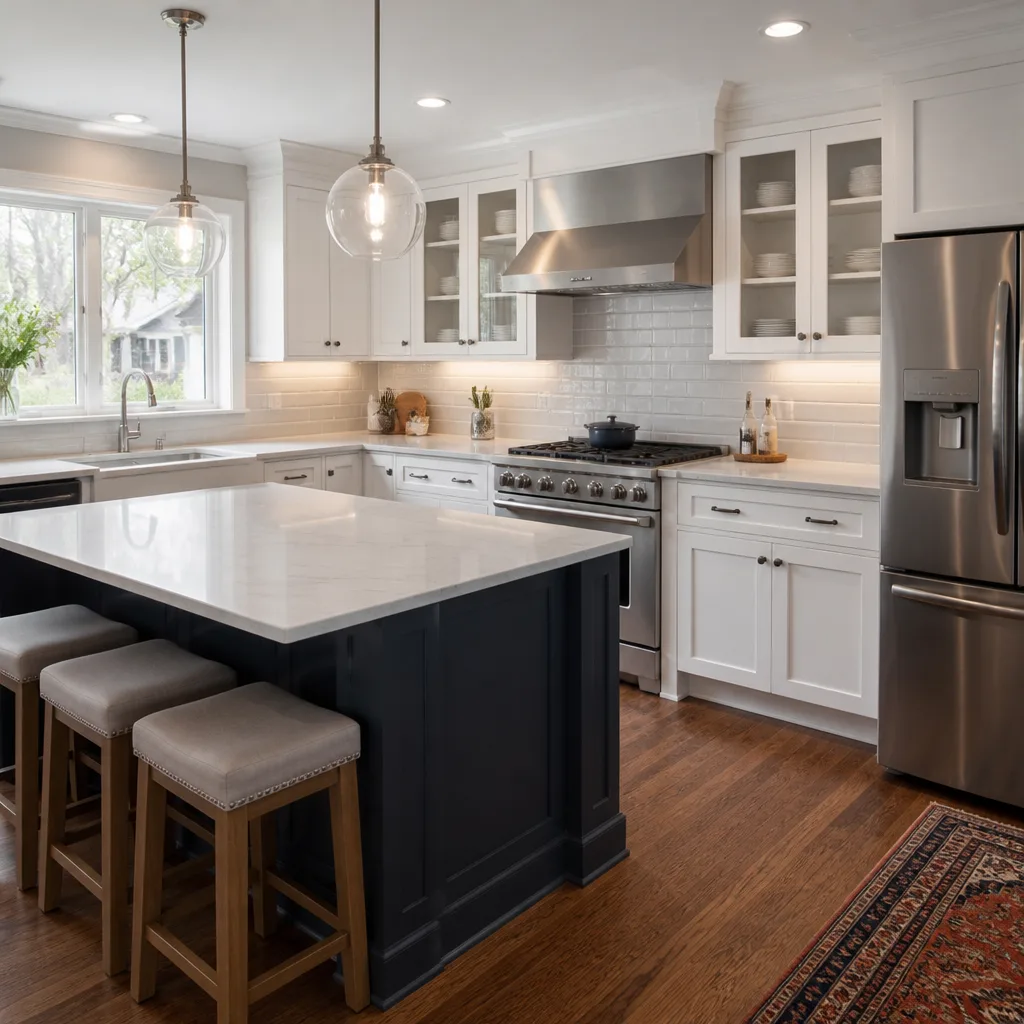 Kitchen remodeling
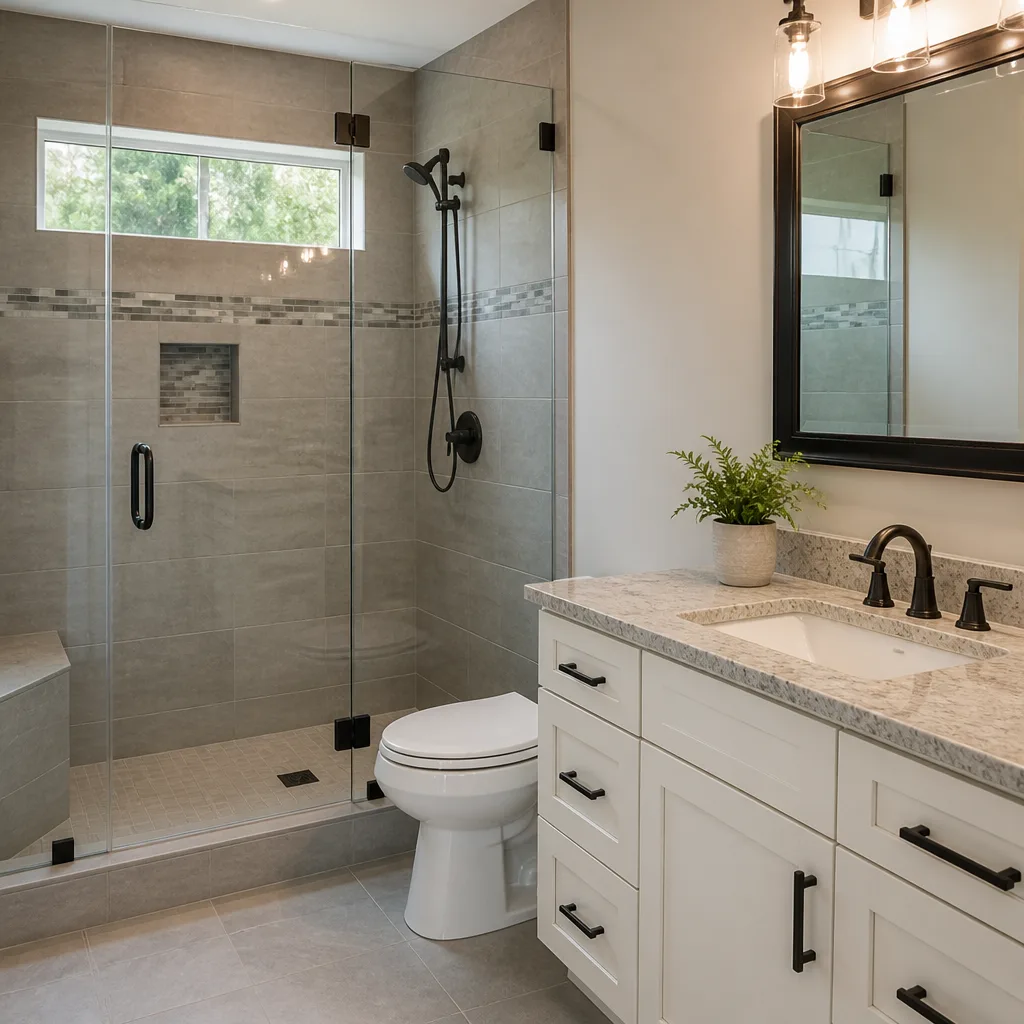 Bathroom remodeling
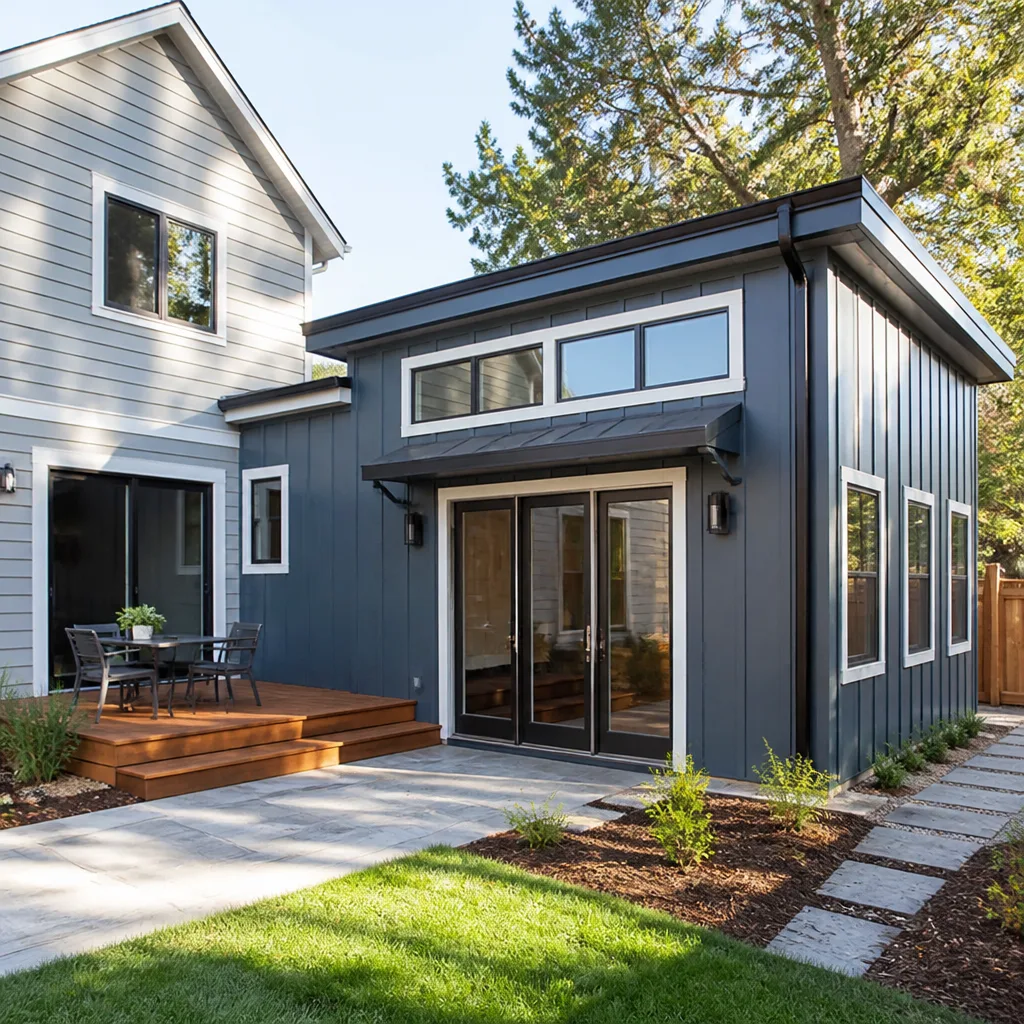 Home additions & ADU
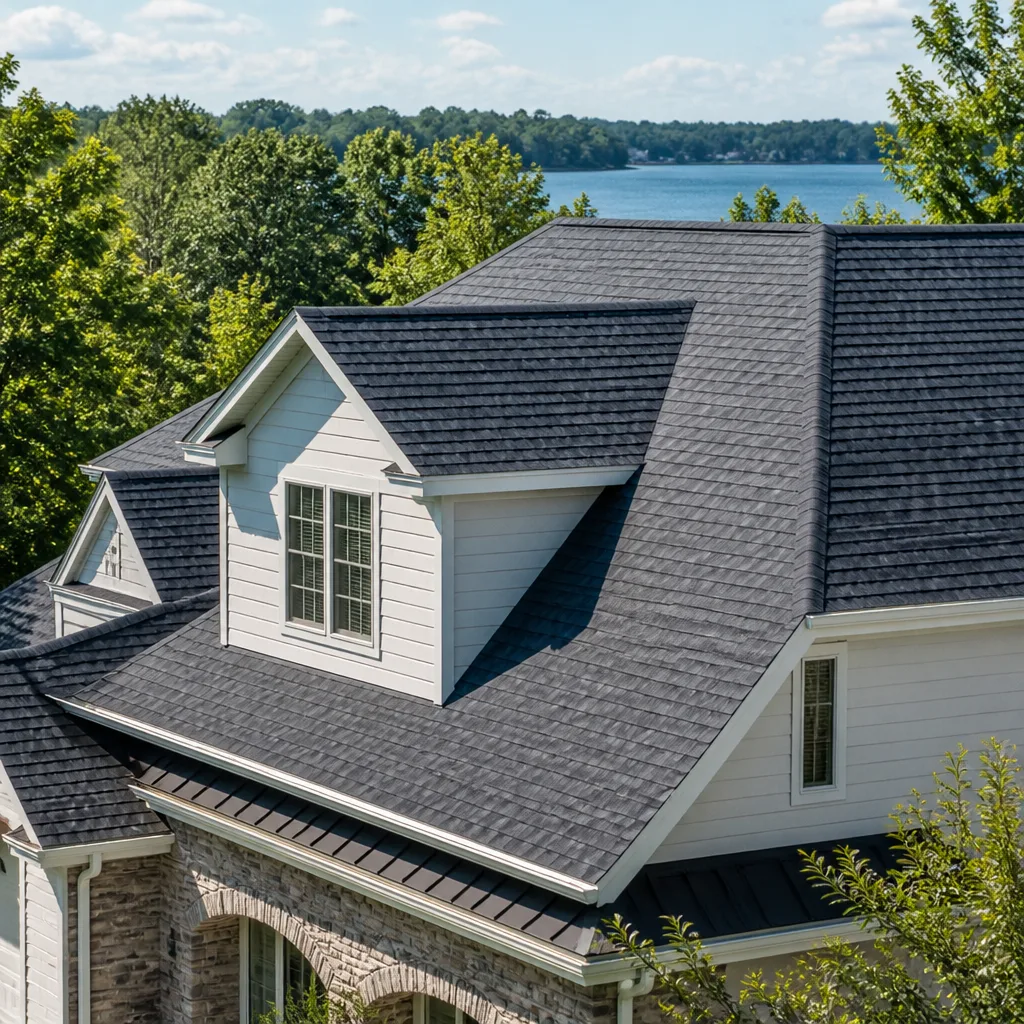 Roofing
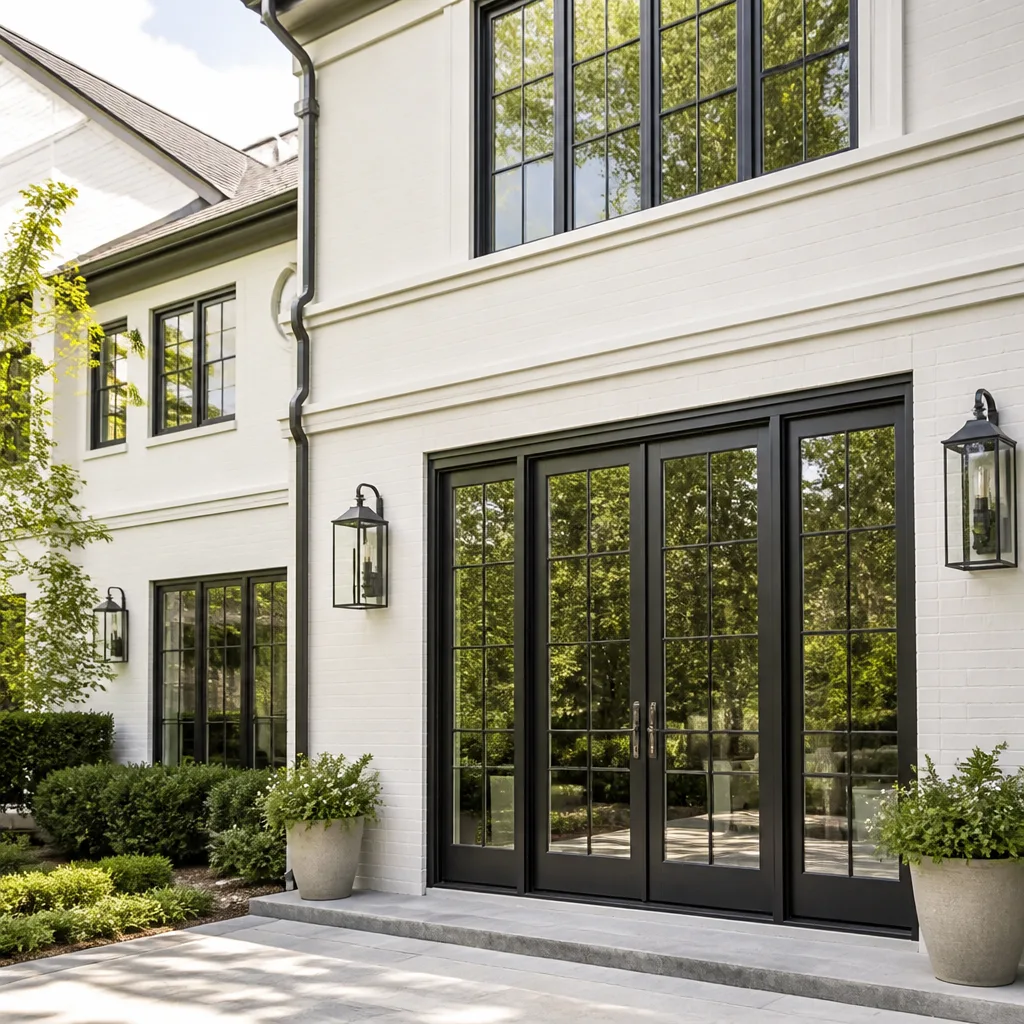 Windows & doors
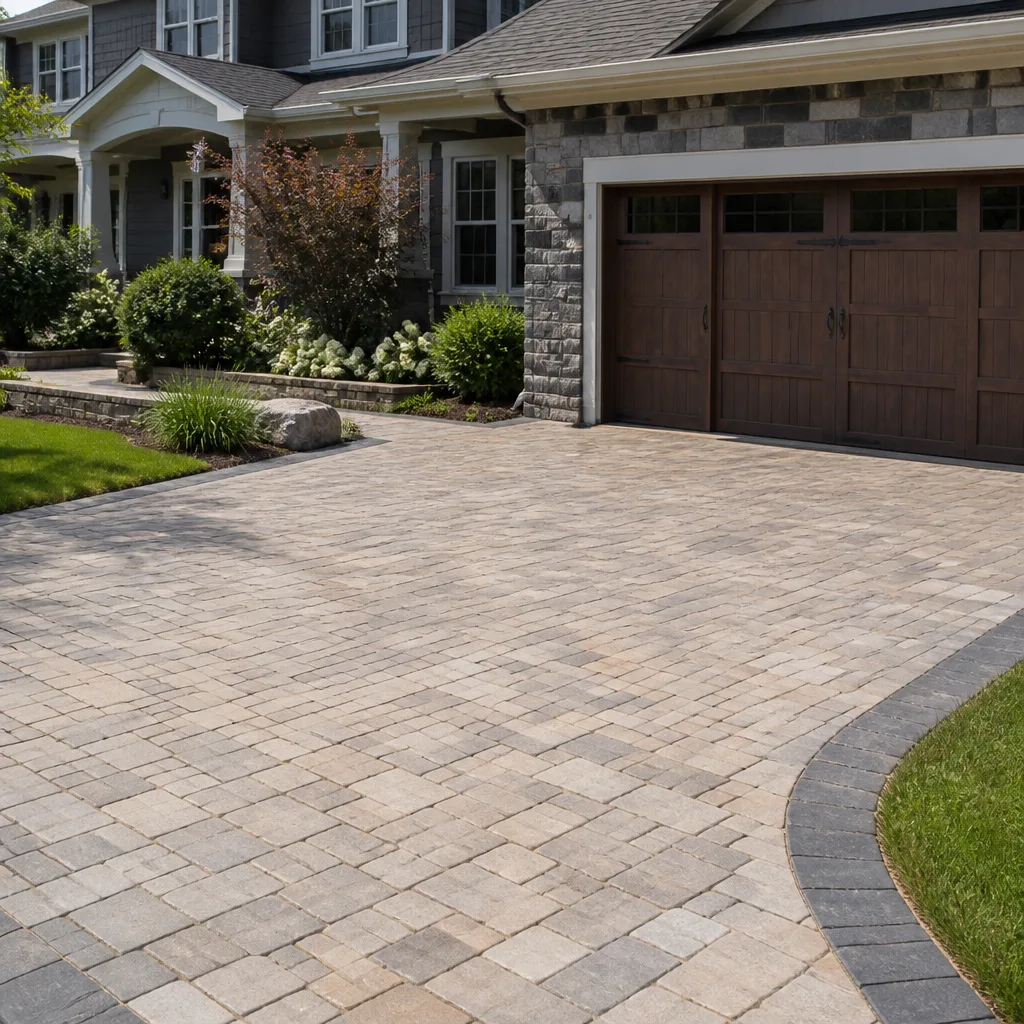 Driveway & pavers
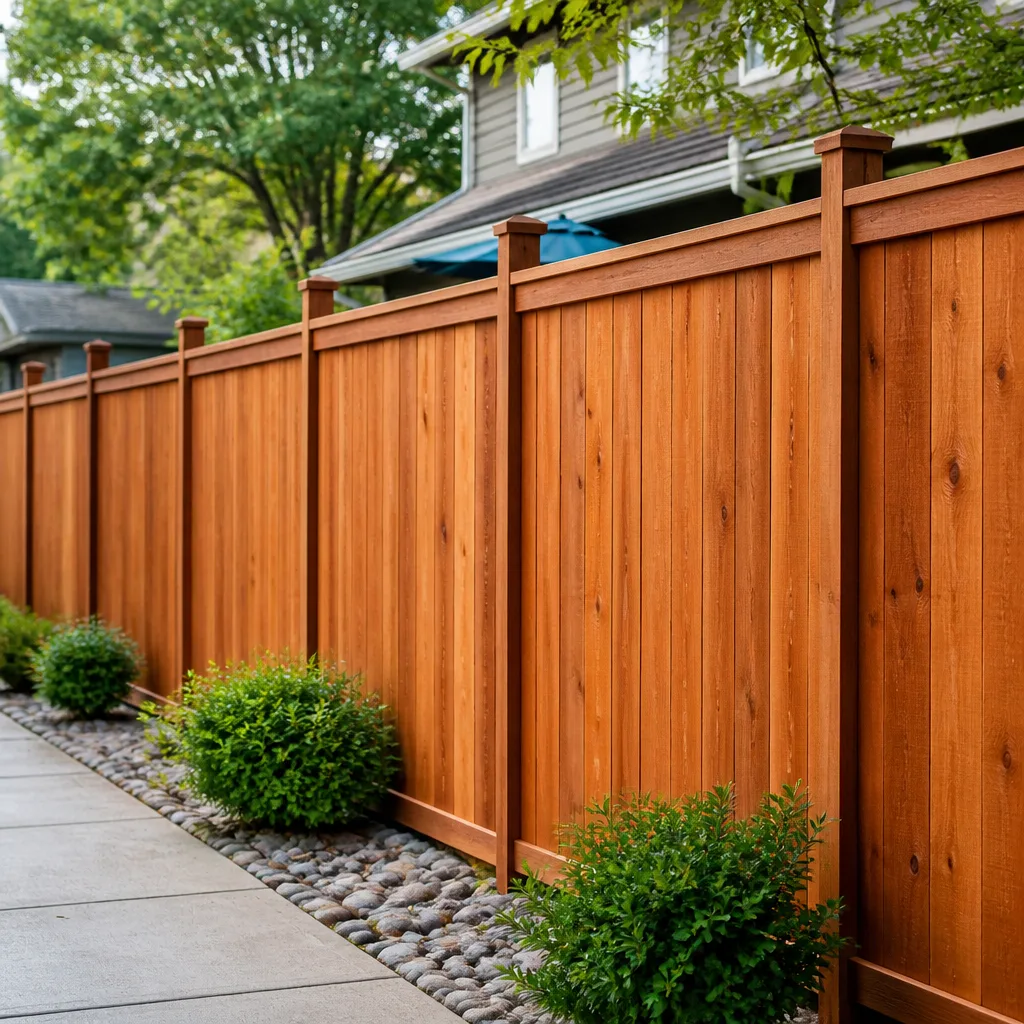 Fence
Free written scope consultation - allowances, timeline, and change-order rules on paper before a single trade is scheduled
Choosing the Right Construction Brand: A Buyer’s Guide for Chinatown
Cambria and Silestone both look stunning under showroom lights. But their hardness ratings, their warranty fine print, and the way they handle a spilled bottle of soy sauce or a hot wok lid are meaningfully different. No showroom salesperson is going to volunteer that information unprompted, and that’s the problem this guide solves. The brands you select today determine whether you’re admiring your kitchen in 2030 or scheduling a tear-out in 2029. Chinatown homeowners face a specific set of challenges: dense lots, older housing stock, steep hillside grades, and a coastal climate that punishes the wrong material choices faster than most people expect. This guide walks through how to evaluate construction brands the way a general contractor does, not the way a catalog presents them. For The Complete Guide to Construction in Chinatown and more resources, see our blog.
Quick Answer
The right construction brand for your Chinatown project is the one that matches your home’s specific performance demands: UV exposure, moisture patterns, usage intensity, and warranty enforceability. Start by defining what “failure” looks like for each material category, then work backward to the brand that protects against that failure. Then verify that the brand is available through a contractor with direct manufacturer relationships, not just retail pickup, because warranty claims and lead times depend on that relationship. We offer free estimates in Chinatown: call (866) 253-5808.
Styles & brands we work with
Table of Contents
- How to Read a Construction Brand Warranty (Without Getting Fooled)
- Chinatown Climate: What the Weather Does to Building Materials
- Trade Channel vs. Retail: Why the Same Brand Isn’t the Same Product
- Cross-Category Selection: Making Brands Work Together
- Why a Contractor’s Brand Roster Changes What’s Possible
- Don’t Buy a Premium Countertop Before Reading This
- The Brand Conversation: What to Ask Your Contractor
- Common Mistakes to Avoid
- When to Call a Professional
- Frequently Asked Questions
How to Read a Construction Brand Warranty (Without Getting Fooled)
“Lifetime warranty” is the most abused phrase in the construction industry. What it actually means varies so dramatically by category that treating it as a single standard is a recipe for disappointment. A lifetime warranty on a GAF roofing system means something completely different from a lifetime warranty on a Kohler faucet cartridge, and neither has much in common with the “limited lifetime” language on a cabinet line.
Here’s what we’ve learned after years of installing every brand category represented in our roster: the warranty structure matters more than the warranty headline. In Chinatown, where homes can be 80, 100, or 120 years old, the question is rarely “does the brand cover defects” and almost always “will the brand still exist and honor claims in 15 years when something actually fails.”
Three things to examine in any construction brand warranty:
- What’s actually covered vs. what’s excluded. Most lifetime warranties cover manufacturing defects only. They do not cover installation error, normal wear, fading, scratching, or damage from misuse. Read the exclusions list before the coverage list. If the exclusions paragraph is longer than the coverage paragraph, you’re buying marketing language.
- Prorated vs. non-prorated. A non-prorated warranty replaces the product at full value for the entire coverage period. A prorated warranty depreciates coverage over time, so a 20-year-old product failure might only earn you 30% of replacement cost. Non-prorated warranties are dramatically more valuable, and they’re typically only offered on premium product lines.
- Labor coverage. Most material warranties cover the product only, not the labor to remove and reinstall it. That labor can exceed the material cost. Brands like James Hardie address this through their contractor certification program: if a certified installer follows their exact specifications, certain claims include labor reimbursement. This is why installation credentials matter as much as brand selection.
One more thing about warranties in Chinatown specifically: the coastal air here accelerates corrosion on certain metal components. A warranty that excludes “environmental exposure” or “coastal corrosion” may be worthless for a home three blocks from the water. Brands with explicit coastal performance testing, like PGT impact-rated windows developed for hurricane zones, have engineering headroom that generic products lack.
Chinatown Climate: What the Weather Does to Building Materials
Chinatown sits in a microclimate that’s deceptive. It’s not the San Fernando Valley with its triple-digit summer days, and it’s not Venice with salt spray on every surface. It’s somewhere in between, with specific conditions that punish certain material categories while being kind to others.
The primary factors homeowners overlook:
- UV exposure. Chinatown gets roughly 280 to 300 days of sun annually. That’s relentless ultraviolet radiation on any exterior surface: roofing, siding, fencing, decking, and even window seals. Brands that hold up here have UV stabilizers and fade-resistant pigments engineered into the material. James Hardie fiber cement siding, for example, is through-colored with a baked-on finish that resists the chalky fading that cheaper vinyl siding exhibits within five to seven years in this climate.
- The wet season reality. We get most of our rain in a compressed window, often in intense bursts. That means materials need to handle rapid saturation and drying cycles. Cheap concrete pavers absorb water, then crack when trapped moisture expands. Premium hardscape brands like Belgard and Techo-Bloc engineer their pavers with lower water absorption rates and higher compressive strength, which matters precisely because of how our rain comes down.
- Temperature swing on hillside lots. Homes on the hillside edges of Chinatown experience wider temperature swings than the flat blocks. That thermal expansion and contraction stresses roofing fasteners, siding joints, and deck boards. Brands that design for high thermal movement, like GAF’s flexible shingle formulations or CertainTeed’s engineered composite decking, perform measurably better when the seesaw happens daily.
When we run a brand selection conversation with a Chinatown client, we start with the home’s specific exposure: which direction does the afternoon sun hit, how much tree canopy exists, and how close is the ocean influence. Those three factors eliminate certain brands as practical candidates before aesthetics ever enter the conversation. That’s the order the decision should go in: performance first, then price, then appearance. Most people do it backward.
If you’re planning a broader scope, our General Contractor in Chinatown work starts with this same site assessment before any material gets specified.
Trade Channel vs. Retail: Why the Same Brand Isn’t the Same Product
This is where most brand buyer guides fall apart. They talk about brand reputation in the abstract, as if a Kohler faucet bought from a big-box store is identical to a Kohler faucet specified through a plumbing trade partner. They are not the same product, and the differences are not subtle.
Here’s what the retail channel doesn’t tell you:
Product line segmentation. Many major brands manufacture distinct product tiers for retail vs. trade distribution. The retail version has the same brand name, similar appearance, and a lower price point. But the internal components, the finish quality, and the manufactory tolerances are often different. The trade version is built to the spec that plumbers and general contractors demand: heavier brass, ceramic disc cartridges instead of plastic, better seals. We’ve installed both, and the difference in hand-feel and longevity is obvious.
Lead time discrepancy. When something goes wrong mid-project, which happens on virtually every remodel, the trade channel solves problems differently. A contractor with direct manufacturer relationships can often get a replacement cabinet door, a matching countertop slab, or a specific window sash in days, sometimes with a phone call. The retail channel sends you back to the store, where you wait in line and file a ticket.
Accountability when something goes wrong. This is the entire reason a general contractor’s brand relationships matter. If we install a Therma-Tru entry door and the weatherstripping fails after 14 months, the warranty claim flows through our trade account. The manufacturer knows us, knows our installation standards, and processes the claim based on the relationship. If you bought that same door at retail and hired a handyman, the manufacturer has no installation record, no accountability chain, and significantly more reason to deny the claim based on installation error.
The takeaway: the brand is only as good as the distribution channel it flows through. A premium brand bought through the wrong channel is not a premium product.
Cross-Category Selection: Making Brands Work Together
One of the most common mistakes we see in Chinatown remodels is a brand mismatch between adjacent categories. The homeowner falls in love with a Cambria countertop and specifies it. Then someone selects a mid-grade bathroom vanity fixture from a completely different design language. Then the flooring pick introduces a third color temperature that fights both. The result is a space that feels assembled rather than designed, even though every individual piece was “nice.”
Cross-category selection is about coherence across two dimensions: aesthetic and performance.
Aesthetic coherence. Countertop brands like Cambria, Silestone, and Caesarstone each have a distinct color technology. Cambria leans into dramatic veining and deep contrast. Silestone emphasizes subtlety and matte options. Caesarstone sits somewhere between, with a more architectural palette. If your kitchen counters are high-contrast Cambria but your bathroom feels like a hotel from 2015, the whole home reads as two different projects. The brand choice should flow from a single design logic across categories, and that logic should be documented before anything gets ordered.
Performance coherence. This is less obvious but more consequential. A premium kitchen with Toto fixtures, Cambria counters, and custom cabinetry deserves a bathroom that can handle similar use-intensity. If the kitchen is specified for daily heavy use but the guest bathroom gets builder-grade Delta hardware, the failure point becomes obvious within a few years. It’s not about matching luxury for luxury’s sake. It’s about matching the realistic usage profile of the home. A family that cooks every night puts different demands on the kitchen than on a guest bath. Match the use, not the price point.
The clean way to do this: make one master selection list before any individual purchases. Our brand roster spans categories so we can see the whole list at once, flagging mismatches before they become drywall-dust regret. That’s the single biggest advantage of working with a general contractor who carries the entire material conversation rather than handing you six separate catalogs from six separate subs. For deeper context, read The Complete General Contractor Guide for Chinatown Homeowners.
Why a Contractor’s Brand Roster Changes What’s Possible
Most remodelers show you a curated catalog: three cabinet lines, two countertop options, one roofing manufacturer. The selection is limited by their purchasing relationships, their familiarity, and their comfort zone. That’s not necessarily bad, but it does mean the design conversation is constrained by what’s easy for them, not what’s right for your project.
Our roster works differently. We maintain relationships with 50-plus brand partners across every major construction category: cabinetry from KraftMaid and Wellborn, countertops from Cambria and Silestone, roofing from GAF, CertainTeed, and Owens Corning, siding from James Hardie, windows and doors from Therma-Tru and PGT, plumbing from Kohler, Toto, and Grohe, hardscaping from Belgard, Unilock, and Techo-Bloc, and fencing from Master Halco, Ameristar, and Jerith.
That depth changes the conversation in three specific ways:
- Performance matching becomes possible. Instead of forcing every client into the same three options, we can match the material to the specific demands of the home: UV-heavy hillside lots get one roofing spec, shaded flat blocks get another, both within the same manufacturer relationship structure.
- Budget tiering without switching contractors. A client can specify premium Caesarstone in the kitchen and performance-grade Quikrete in the hardscape, all within the same contract. You can’t do that if you’re bouncing between a boutique countertop shop and a driveway guy.
- Warranty enforcement gets simpler. When every material flows through our trade accounts, every warranty claim has a single point of contact: us. We know exactly who to call, exactly what documentation they need, and exactly how to push a claim through. That’s invisible until you need it, then it’s the whole ballgame.
For the full scope of what this looks like on a real project, start with our Home Remodeling in Chinatown page. It lays out how the brand conversation integrates with the construction process.
Don’t Buy a Premium Countertop Before Reading This
The single brand decision that generates the most buyer’s remorse in Chinatown remodels is the kitchen countertop. It’s the most showroom-driven purchase in the entire project. People touch samples, admire the veining, and commit to a brand without ever understanding what they’re actually buying. Then the real kitchen happens: the wok burns, the soy sauce spills, the citrus sits overnight, and the countertop that looked perfect in the showroom doesn’t perform in the real world.
Cambria and Silestone are both quartz, both premium, both beautiful. But they are not interchangeable:
- Hardness and scratch resistance. All quartz is engineered to be hard, but the resin-to-stone ratio varies by manufacturer and product line. Higher-end Cambria slabs tend toward higher stone content, which improves scratch resistance but can make the surface more brittle during fabrication. Silestone’s premium lines emphasize stain resistance through a denser resin matrix. For a working kitchen with daily cooking and frequent acidic ingredients, both perform well, but the specific product line within each brand matters more than the logo.
- Warranty terms. Cambria offers a limited lifetime warranty that covers manufacturing defects, not heat damage or scratching. Silestone’s warranty structure varies by product line, with some premium lines offering broader coverage. The takeaway: read the specific warranty document for the specific slab you’re buying, not the marketing page on the brand’s website.
- Heat tolerance. No quartz product, from any brand, likes direct heat. A hot wok placed directly on any quartz surface can cause thermal shock and crack the slab. This is the most common quartz failure we’ve seen in Chinatown kitchens, across every brand. The brand doesn’t matter when the use pattern violates the material’s limits. Use trivets. Every time.
The counterintuitive lesson: the most expensive brand is not the safest choice. The safest choice is the brand whose specific product line matches your specific use pattern, installed by a fabricator who understands the material’s fabrication requirements. That’s the decision framework, and it applies equally to roofing, flooring, and anything else that touches daily life.
The Brand Conversation: What to Ask Your Contractor
Most homeowners feel unprepared to challenge their contractor on brand selections. But a good contractor expects this conversation and has answers. Here’s the five-question sequence we recommend, word for word:
- “Why this brand for my house?” If the answer is “we’ve always used them,” that’s a relationship answer, not a performance answer. Push for specifics: why does this brand match the exposure, the use pattern, the budget tier of this specific project. A good contractor can answer this in 60 seconds with specifics. A lazy one can’t.
- “What’s the trade-channel lead time right now?” This tells you whether the contractor actually has a direct relationship with the brand. Contractors with trade accounts know current lead times off the top of their head, because they’re ordering weekly. Contractors who buy at retail have to call the store and ask.
- “If this product fails in three years, who do I call?” The answer should be the contractor. If the answer is “the manufacturer’s warranty department,” you’re about to become your own project manager on the worst possible day.
- “What’s the next tier up from this, and what would switching cost?” This reveals whether the contractor is actually giving you performance options or just giving you their standard spec. Material-tier flexibility is the sign of a contractor who is matching products to clients, not clients to products.
- “Is there a detail in this brand’s installation spec that most installers skip?” Every premium brand has specific installation requirements that cheaper products don’t. James Hardie siding has specific fastening patterns. Schluter waterproofing systems have specific membrane overlap requirements. GAF roofing systems have specific ventilation specs. If your contractor can name the detail, they know the brand. If they say “it’s standard,” they don’t.
These questions work for home renovation in Chinatown projects of any size. They cut through the sales patter and force the conversation to the level where real contractors operate.
Common Mistakes to Avoid
- Choosing brand by showroom appearance alone. The showroom is the best possible version of the product under the best possible conditions. The real world has UV, moisture, grease, and decades. Match the brand to the conditions, not the display.
- Ignoring the warranty’s labor coverage. A free replacement product still costs thousands in labor to install. A warranty without labor coverage is a coupon, not a guarantee.
- Buying premium brands through retail channels. A Kohler faucet from a big-box store is often not the same product as the Kohler faucet from a plumbing trade account. Same logo, different components. The trade version is what plumbers actually install in their own homes.
- Making each material decision in isolation. Countertops get specified without thinking about cabinets. Flooring gets picked without considering the entry door threshold. Every brand interacts with its adjacent brands, and mismatches are expensive to fix after install.
- Assuming expensive equals durable. Some of the most expensive materials are the most delicate. High-end natural stone requires sealing, maintenance, and specific cleaning protocols that cheaper quartz doesn’t. Match the material to your willingness to maintain it.
- Skipping the contractor’s brand conversation entirely. Handing the contractor a list of brands without asking why they’re recommending their alternatives is how you end up with the contractor’s standard spec instead of the right spec for your home. Ask the questions. The answers will tell you everything.
- Forgetting that Chinatown has its own microclimate. What works a few miles inland may not be the right call on a hillside lot with full western exposure. Site-specific conditions should drive brand selection, and those conditions are different house to house, sometimes block to block.
When to Call a Professional
Brand selection is a decision you live with for 15 to 30 years. The cost of getting it wrong is not just the re-installation. It’s the months of disruption, the dust, the permits pulled twice, and the realization that spending a little more upfront would have saved every bit of that pain. If your project involves multiple categories, a structural change, or a material that carries specific installation requirements, bring in a general contractor early, before you’ve committed to any specific brand. A good contractor will help you avoid buying the wrong product for the wrong reasons, and the conversation costs nothing. Timberline Contractors offers free estimates in Chinatown. Call (866) 253-5808 to schedule yours, and bring your brand questions. We’ll answer them straight.
Frequently Asked Questions
The best brands for Chinatown are those that match your home’s specific exposure and use pattern: GAF or Owens Corning for roofing on sun-exposed lots, James Hardie for siding in our UV-heavy climate, Cambria or Silestone for working kitchens depending on your stain and scratch priorities, and Kohler or Toto for plumbing fixtures that see heavy daily use. The right answer depends on your specific lot, orientation, and usage, not a generic list. Call (866) 253-5808 to talk through your project’s specific brand fit.
Both are premium quartz brands that perform well in working kitchens, but the specific product line matters more than the brand logo. Cambria typically offers higher stone content and more dramatic veining, while Silestone’s premium lines emphasize denser resin matrices for stain resistance. For a Chinatown kitchen with daily cooking, both work, but match the specific slab to your staining risk and fabrication style. Call for a brand conversation before you commit to either.
Cost depends on scope, material tier, and the age of the home, but a brand-qualified remodel in Chinatown typically runs higher than retail-grade work because the material components are trade-channel products with real warranties. The premium is not in the brand logo, it’s in the performance and the labor-backed warranty enforcement that comes with trade-channel sourcing. Call (866) 253-5808 for a line-item estimate on your specific project.
Yes, sometimes more than for large ones. A small bathroom with a cheap plumbing valve failing behind the wall causes the same tear-out damage as a large failure, and the material cost difference is minor compared to the remediation cost. Brand matters most where failure is most expensive: anything behind finished surfaces, behind tile, or under roofing. Call to review your small project before the wrong product gets installed.
Ask why this brand for this house, what the current trade-channel lead time is, who takes the call if the product fails, what the next tier up would cost, and which installation detail in the brand spec most contractors skip. Contractors who know their brands answer all five without pausing. Those who don’t reveal themselves quickly. Call (866) 253-5808 to run through this list with us on your project.
Technically yes, but you’ll own every problem that emerges from the material choice. If the product fails, the contractor can point to your purchase. If the warranty claim is denied for installation error, the contractor can point to your purchase. The material savings rarely offset the accountability loss. We recommend letting the contractor run the entire material conversation, including the purchase, so that every warranty flows through one point of contact.
The Bottom Line
Brand selection is not a shopping exercise. It’s a risk management decision dressed up as an aesthetic choice. The brands you choose today determine what your home costs to maintain over the next two decades, and the difference between a well-chosen brand and a showroom impulse buy compounds yearly. In Chinatown, with its UV intensity, compressed wet season, and hillside lots, the wrong material decision fails faster than it would in a gentler climate. The right approach is simple: define your failure modes first, match brands to those modes, ensure the brands flow through a contractor with trade relationships, and never let a showroom make the decision for you. For expert guidance on your specific project, start at the Timberline Contractors home page, or call (866) 253-5808 to schedule a free estimate.
Written by the team at Timberline Contractors, serving Chinatown since 2018. Explore more guides & resources on our blog.
See the difference
 Before
 After
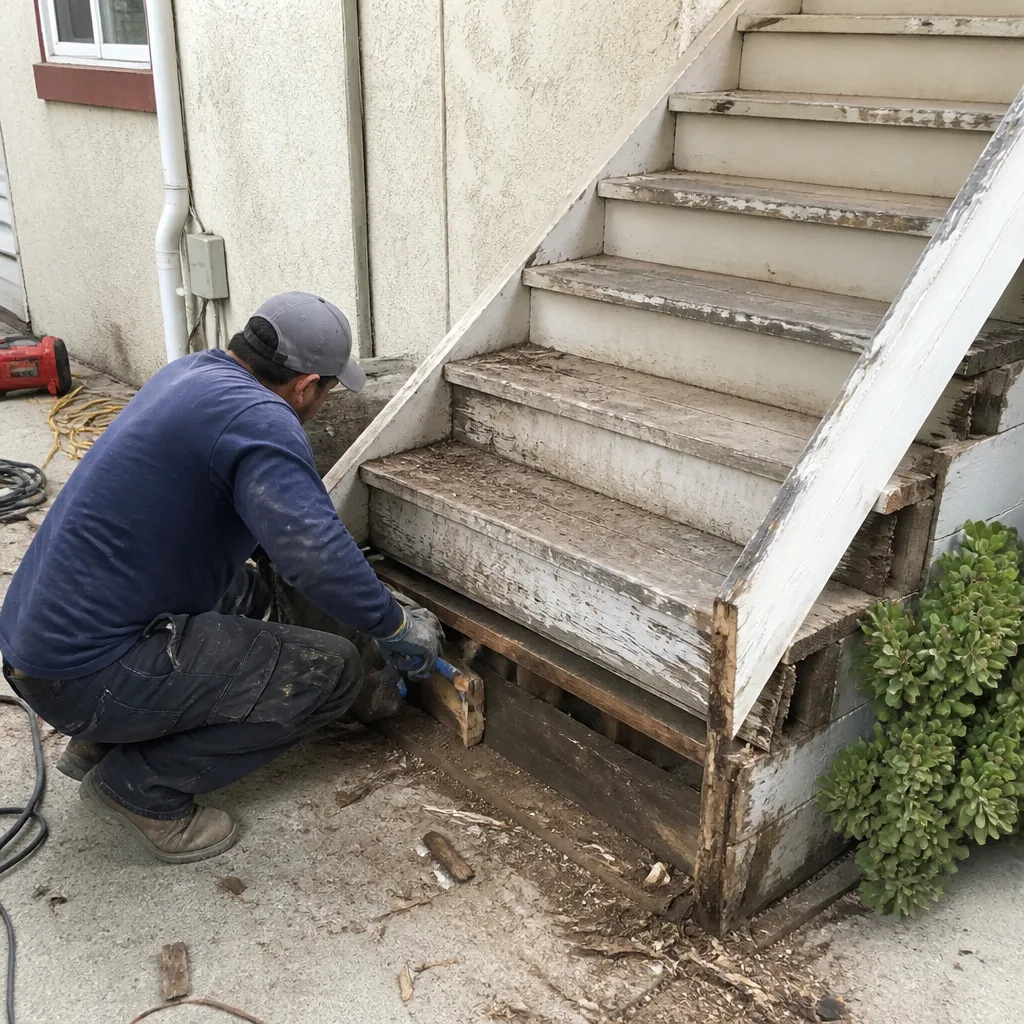 Before
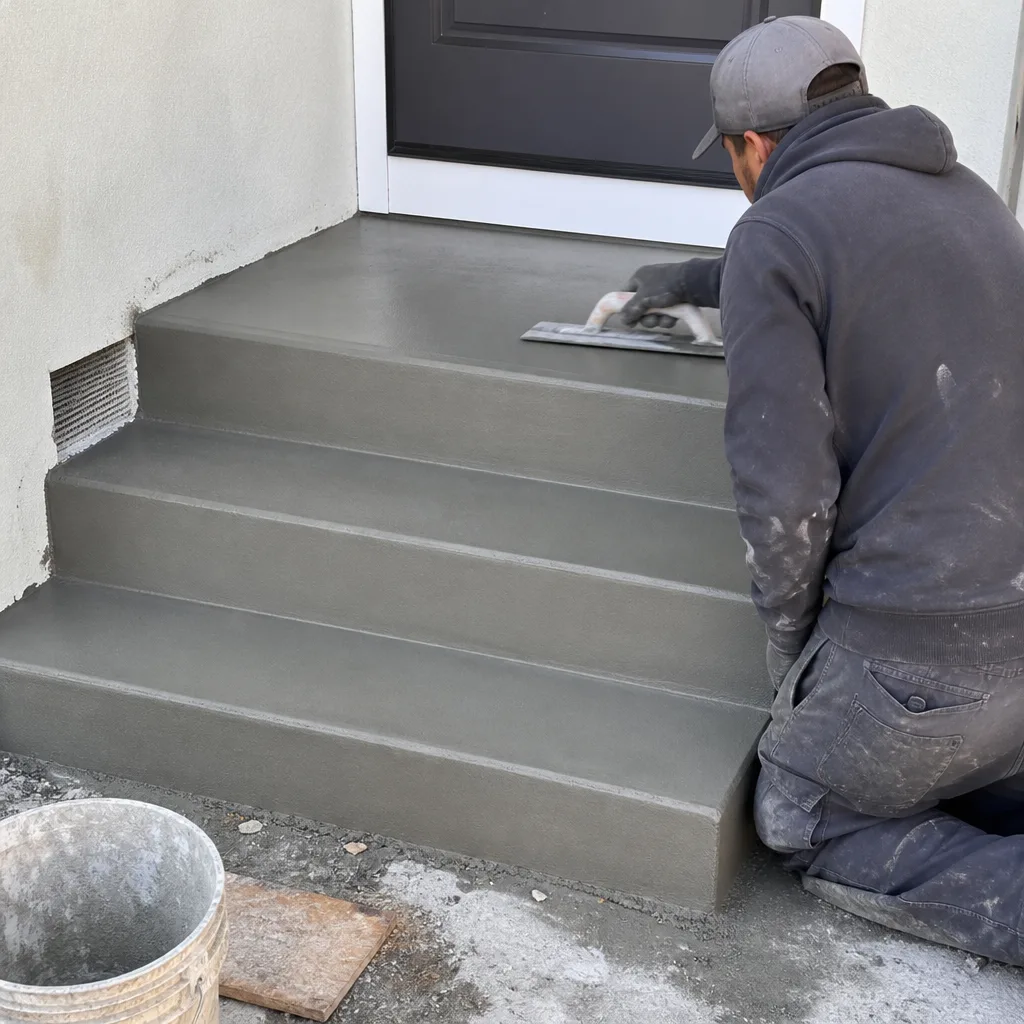 After
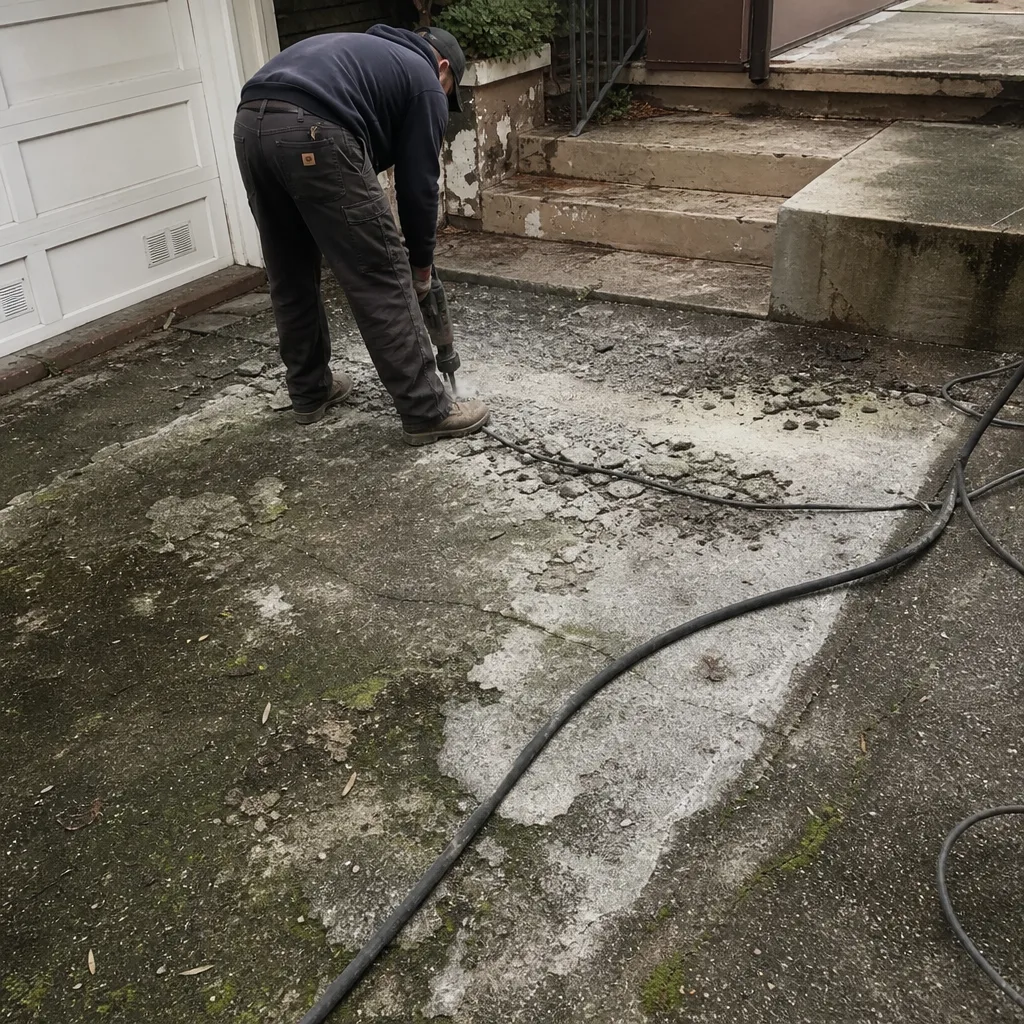 Before
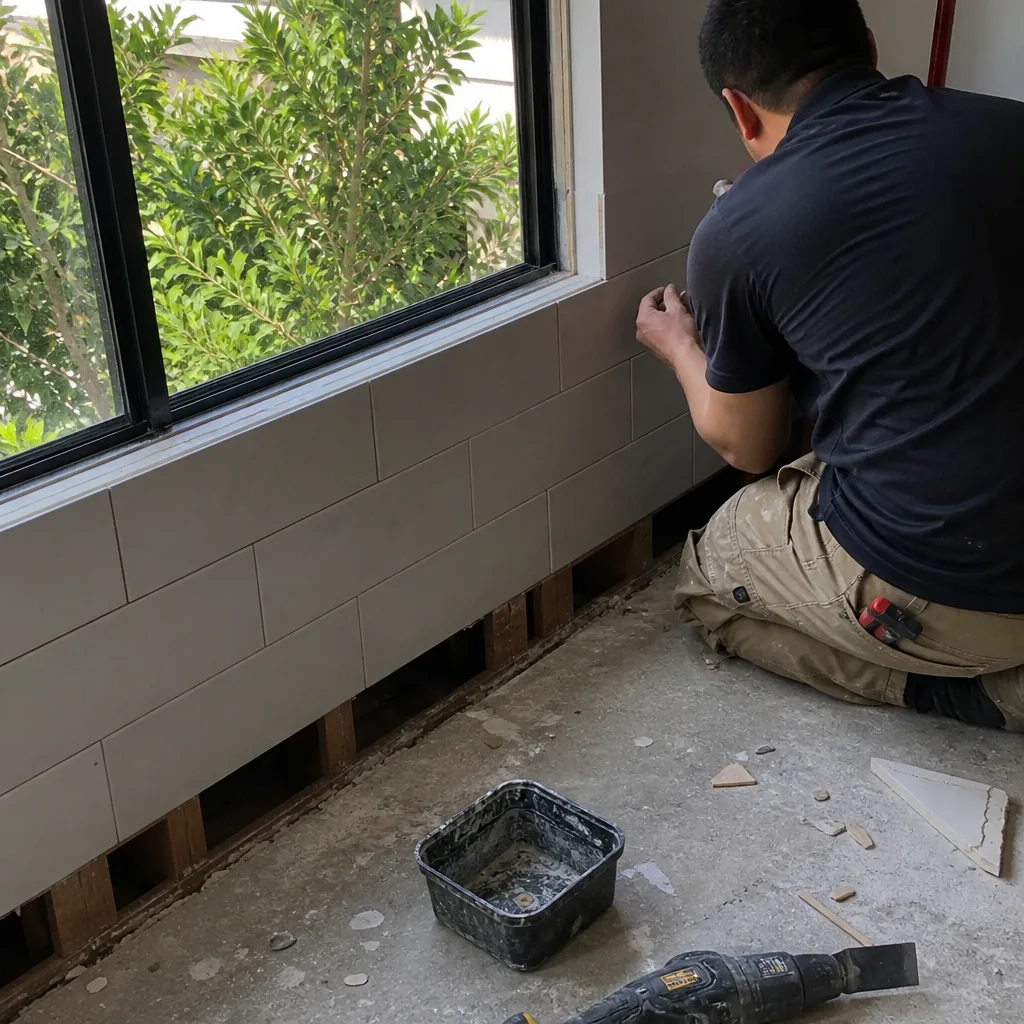 After