
Last updated October 31, 2026
 Home additions & ADU
 Kitchen remodeling
 Bathroom remodeling
 Roofing
 Windows & doors
 Driveway & pavers
 Fence
Free written scope consultation - allowances, timeline, and change-order rules on paper before a single trade is scheduled
Construction Warning Signs: A Chinatown Homeowner’s Reference Guide
Contractors who fail spectacularly rarely look like failures in week one. They show up on time for the estimate, they talk a good game about permits, and they hand you a number that feels like a win. The real trouble announces itself later: a change order that appears out of nowhere in week three, a materials substitution you catch by accident, a subcontractor you’ve never met parking outside your building on a Tuesday. We’ve watched Chinatown homeowners lose tens of thousands of dollars not to the obvious scammers, but to contractors who simply stopped managing the details once the deposit cleared. This guide will teach you to spot both the loud warning signs and the quiet ones, the ones that only become visible when you know how a tightly-run project is supposed to feel, and you can find more guides & resources in our blog.
Styles & brands we work with
Quick Answer
The most dangerous construction contractor warning signs in Chinatown are not missing licenses or cash-only demands. They are vague material specifications that allow brand substitution later, change order patterns that emerge mid-project, and a general contractor’s inability to explain how they’ll handle Chinatown’s street parking, delivery access, and staging constraints before work begins. A contractor who cannot put specific brand names in writing, who resists line-item cost breakdowns, or who consistently blames inspection delays on “the city” is one you should pause on before signing.
Table of Contents
- Early-Project Red Flags: What Week One Reveals
- Mid-Project Warning Signs: When the Momentum Shifts
- Material Substitution: How to Catch a Bait-and-Switch
- Urban Logistics Red Flags: Chinatown Parking, Delivery, and Staging
- Documenting Concerns and Your Rights Under California Contractor Law
- Why Brand Knowledge Separates Serious Contractors from Gamblers
- Common Mistakes to Avoid
- When to Call a Professional
- Frequently Asked Questions
- The Bottom Line
Early-Project Red Flags: What Week One Reveals
Before any wall comes down in your Chinatown home, the contract itself will tell you more than the contractor’s handshake ever will. We’ve reviewed contracts from dozens of failed projects, and the pattern is consistent: the worst outcomes started with the vaguest paperwork.
A serious general contractor writes a contract that reads like a specification manual. It names Cambria or Silestone for countertops, Kohler or Toto for fixtures, GAF or CertainTeed for roofing materials. It includes line-item pricing for demolition, rough-in, finish work, and cleanup. It specifies allowance amounts in dollars, not phrases like “mid-grade.” When a contractor hands you a three-page agreement that says “kitchen remodel, as discussed” and a single lump-sum number, that is not simplicity. That is a dispute waiting for a lawyer.
Vague material specifications
“Quartz countertops, homeowner’s choice” is not a specification. Neither is “quality laminate flooring.” These phrases create legal space for the contractor to install whatever they can source cheapest on the day of purchase. A legitimate spec reads more like: “Cambria quartz, color selected from Timberline showroom options, installed per manufacturer guidelines.” The difference is the difference between a written promise and a verbal shrug. If your contractor resists putting brand names in writing, ask them directly why. There is no good answer that protects you.
“We can adjust as we go” language
Flexibility sounds accommodating in a sales conversation. In a contract, it’s a blank check written against your savings. When a contractor says they don’t need to nail down every detail because “we’ll figure it out as we go,” what they’re really saying is that every unresolved decision becomes a change order later, and change orders are almost never priced in your favor. A competent general contractor in Chinatown locks down at least 90% of material selections and scope before the first hammer swings. The remaining 10% should be limited to items that genuinely cannot be known in advance: what’s behind a wall you haven’t opened yet, or what structural condition the subfloor is in once demolition reveals it.
For a deeper look at how a properly scoped project should be structured, our Home Remodeling in Chinatown guide walks through the planning process step by step.
Mid-Project Warning Signs: When the Momentum Shifts
The first week of a construction project is theater. Everyone shows up, the dumpster arrives, the demolition crew makes satisfying noise. The test of a contractor is what happens in weeks three, four, and five, when the novelty has worn off and the schedule starts to flex.
Change order patterns
Change orders are not inherently suspicious. No competent contractor can predict every condition inside a 60-year-old Chinatown building. But there is a difference between a legitimate change order and a pattern of manufactured ones. Legitimate change orders are rare, specific, and accompanied by documentation: photos, measurements, a written explanation of what was discovered. Manufactured change orders are frequent, vague, and seem to arrive right when the original contract’s profit margin is tightening. If you’re getting a change order every week for items that “weren’t in the scope,” stop and ask for a written reconciliation of the original scope, and consult our General Contractor Troubleshooting: Common Problems and How to Fix Them. A contractor who cannot show you what the original price included cannot justify what they’re now asking you to pay.
Subcontractor substitutions without disclosure
You hired a general contractor partly because you wanted their vetted trades. When a different electrician or plumber shows up than the one you were told about, that’s a material change to your project, and it should be disclosed. Sometimes substitution is necessary: a sub gets injured, a schedule conflicts, a specialist is needed for a unique condition. But the GC should tell you before the swap, not after you ask. More importantly, the GC should be able to tell you why the substitute is qualified. If they can’t answer that question, the question you should be asking is whether the GC is managing the project or just brokering labor.
This is where the single-source model proves its worth. When you work with one general contractor who owns the schedule, the trades, and the material orders, there is no gap where accountability evaporates. For more on how that model works in practice, see our General Contractor in Chinatown overview.
Inspection delays blamed on “the city”
Every contractor in San Francisco has stories about inspection delays. The Department of Building Inspection is not famous for speed. But contractors who are consistently “waiting on the city” for three weeks at a time are usually not waiting on the city. They’re waiting on themselves: they didn’t schedule the inspection until the work was complete, or they failed a previous inspection and are now repairing the failure, or they didn’t pull the permit when they should have and are now trying to backfill the paperwork. Ask your contractor for the inspection record number and check the status yourself. A contractor with nothing to hide will hand you that number without hesitation.
Material Substitution: How to Catch a Bait-and-Switch
Material substitution is the most expensive quiet scam in residential construction, and it happens more often in dense urban markets like San Francisco because storage is scarce and material deliveries happen in smaller batches. Here’s how it works: the contract specifies a premium product, the contractor orders a lower-grade equivalent from the same category, installs it, and hopes you never check. By the time the difference is visible (a countertop that stains too easily, a roof that fails early, a faucet that feels cheap in the hand), the project is closed out and the contractor is gone.
Where substitutions hide
- Underlayment and substrate: the material underneath the tile, flooring, or roofing is the easiest place to cut costs because homeowners rarely see it during installation. Schluter waterproofing systems, for example, are specified for a reason: they prevent the moisture failures that destroy bathrooms from the inside out. A contractor who swaps in a cheaper membrane is gambling with your home’s structural integrity.
- Fasteners and connectors: the nails, screws, and brackets that hold everything together. Cheaper fasteners corrode faster in San Francisco’s coastal air.
- Insulation and soundproofing: you’ll feel the difference in your energy bills and hear it through the walls, but only after the drywall is up.
- Paint and finishes: the easiest swap of all, because “eggshell white” looks the same in the can regardless of what grade of paint it actually is.
- Roofing underlayment and flashing: the shingles might be Owens Corning or IKO exactly as specified, but if the underlayment is off-brand and the flashing is thin, the warranty on those shingles is already compromised.
How to protect yourself
- Demand brand names in the contract, not just product categories. “GAF Timberline HDZ shingles” is a specification. “Architectural shingles” is not.
- Photograph everything before installation. When materials arrive on site, take photos of the packaging, the labels, the brand marks. A contractor who knows you’re documenting is far less likely to substitute.
- Ask to see the delivery manifest. Suppliers generate paperwork for every order. The manifest lists exactly what was purchased. Compare it to your contract.
- Keep a sample of the specified material. A small tile sample, a shingle, a paint chip. You don’t need a warehouse, just enough to compare against what goes in.
- Trust your hands. If a faucet feels lighter than the display model at the showroom, if the door doesn’t have the heft of a Therma-Tru, if the siding doesn’t have the density of James Hardie, ask questions immediately.
This level of vigilance is why Timberline’s model works the way it does. We operate with an open order sheet. The brands we specify (Cambria, Kohler, GAF, Schluter) are the brands that arrive. If a client wants to verify, the packing slips are available. That’s not a courtesy. It’s how a project should run.
Urban Logistics Red Flags: Chinatown Parking, Delivery, and Staging
Chinatown is one of the most logistically complex construction environments in California. Narrow streets, dense storefronts, metered parking, restricted commercial loading zones, and residential buildings stacked above active retail all create constraints that suburban contractors never have to think about. A contractor who hasn’t planned for these realities before signing your contract is planning to figure it out on your dime and your schedule, which is why we recommend our General Contractor Maintenance Checklist for Chinatown Homeowners.
What a real logistics plan addresses
- Parking and staging permits. Construction vehicles cannot simply park wherever they fit in Chinatown. Temporary occupancy permits, pedestrian protection, and material staging areas all require coordination with the SFMTA and the city. Ask your contractor which permits they’ve already pulled for parking and staging. If the answer is “we’ll handle it when we get there,” you’re looking at weeks of added time.
- Delivery sequencing. There is no place to store three weeks of materials on a Chinatown street. Deliveries need to be scheduled in phases: demolition debris out before framing lumber in, drywall in before finish materials pile up. A contractor who orders everything at once is either paying for storage you didn’t approve or creating a staging mess that disrupts your neighbors.
- Elevator and hoisting access. Many Chinatown buildings are walk-ups, or have freight elevators with restricted hours. Materials move through windows, up fire escapes, or via sidewalk hoists that require their own permits. Ask your contractor how they plan to move a 96-inch vanity into a third-floor unit with no elevator. If they laugh and say “we’ll figure it out,” start looking for a different contractor.
- Noise and work hour restrictions. Chinatown’s mixed-use zoning means residential units sit directly above businesses and restaurants. San Francisco has strict noise ordinances, and many buildings have additional HOA or condo association rules about work hours. A contractor who doesn’t know your building’s specific restrictions hasn’t done the homework.
- Debris removal. Dumpsters in Chinatown are not a given. Street space is at a premium, and a debris bin often requires a permit that costs real money and takes real time. If your contractor’s plan for debris removal is “we’ll put a dumpster out front,” they don’t know the neighborhood.
We’ve run enough projects in Chinatown to know that logistics are not an afterthought. They are the first thing we lock down, before materials are ordered and before subs are scheduled. A contractor who treats logistics as an inconvenience rather than a core competency will cost you time, money, and goodwill with your neighbors.
Documenting Concerns and Your Rights Under California Contractor Law
California has some of the strongest consumer protections for construction projects in the country. The Contractors State License Board (CSLB) exists specifically to regulate this industry, and understanding your rights before a project goes sideways can save you from losing your leverage when it does.
What California law requires
- A written contract for any job over $500. This is not optional. If a contractor refuses to put it in writing, that alone is grounds to walk away and report the behavior to the CSLB.
- A 7-day right to cancel. For home improvement contracts signed in your home, California gives you seven calendar days to cancel without penalty. The contractor is required by law to notify you of this right in writing.
- Down payment limits. A contractor cannot demand more than 10% of the total project cost or $1,000, whichever is less, before work begins. Any request for more is a violation of California law and a major red flag.
- Mechanic’s lien protections. If you pay your contractor but they don’t pay their subcontractors or suppliers, those parties can place a lien on your property. The preliminary notice you receive within 20 days of a sub’s first work is not junk mail. Keep every one of them.
- License verification. Every legitimate contractor in California has a CSLB license number. You can verify it online in minutes. If the number doesn’t match the name on the contract, stop everything.
How to document concerns mid-project
If you suspect something is wrong, documentation becomes your strongest tool.
- Put everything in writing. Text messages count. Emails are better. A contractor who won’t answer questions in writing is a contractor who knows the answer will look bad later.
- Photograph every stage. Before drywall goes up, photograph the plumbing, electrical, and insulation. After it’s up, photograph the finished surfaces. Date-stamp your photos.
- Keep a project log. A simple notebook: who showed up, what they did, what materials arrived, what was said. Three minutes a day is all it takes, and the record is invaluable if you end up in dispute.
- Get a second opinion early. If you’re not sure whether a concern is legitimate, hire an independent inspector or consult another contractor for an hour of their time. The earlier you catch a problem, the cheaper it is to fix.
- Don’t wait to withhold payment. California law gives you rights regarding progress payments, but the mechanics of withholding are messy. Talk to a construction attorney before you stop writing checks. Doing it wrong can trigger a breach of contract claim against you.
- Signing a vague contract because the contractor seems trustworthy. Trust is earned through specificity. A contractor who won’t put specifics in writing is not trustworthy, no matter how warm the handshake is. Make every material, allowance, and timeline item explicit before you sign.
- Paying more than the legal down payment limit. California caps down payments at 10% or $1,000, whichever is less. A contractor asking for 30% up front is either inexperienced or planning to use your money as working capital for someone else’s project.
- Ignoring permit requirements to save time. Unpermitted work in Chinatown creates problems when you sell, when you refinance, and when your insurance company asks questions. Pulling permits is not optional, even for cosmetic remodels that touch plumbing or electrical.
- Not checking the CSLB license before signing. This takes five minutes and the database is free. A contractor who hesitates when you ask for their license number has something to hide. Verify the license status, check for complaints, and look for disciplinary actions.
- Letting change orders accumulate without reconciliation. Every change order should be compared against the original scope. If you’re three change orders deep and the total is creeping past 15% of the original contract, stop and demand a written accounting of what was originally included and what wasn’t.
- Assuming the lowest bid is the smartest choice. In a tight urban market like Chinatown, low bids usually mean something is being cut: material quality, labor quality, permit compliance, or all three. The contractor who prices the job correctly is the one who understands what the job actually costs to do right.
- Treating the preliminary lien notice as junk mail. Those notices from subcontractors and suppliers are legal documents that protect their right to place a lien. Keep every single one. They’re your record of who worked on your project and who you ultimately owe if your contractor doesn’t pay.
For homeowners in Chinatown specifically, the path from concern to resolution often starts with the contractor themselves. A good general contractor wants to fix problems early, because their reputation depends on it. A bad contractor wants to make problems disappear by making you feel like you’re the problem. If you’re getting the second treatment, document everything and escalate to the CSLB.
Why Brand Knowledge Separates Serious Contractors from Gamblers
Here’s a test you can run in any contractor interview. Ask them about the difference between Cambria and Silestone. Ask them why they’d recommend IKO over CertainTeed for a particular roof, or when Owens Corning makes more sense. Ask them what Schluter does and why it matters in a shower remodel.
A contractor who can answer these questions fluently is one who has thought about materials, worked with manufacturers, and understands that the product matters as much as the labor. A contractor who shrugs and says “they’re all the same” is telling you something important: they don’t know the difference, which means they’ll buy whatever is cheapest and hope you can’t tell.
Material knowledge is not a nice-to-have. It’s the difference between a roof that lasts 15 years and one that lasts 30. Between a countertop that resists staining and one that etches the first time lemon juice touches it. Between a bathroom that stays dry behind the tile and one that rots from the inside out. The brands exist because they solve specific problems. A contractor who can’t tell you what problem a given brand solves is not a contractor who can protect your investment.
At Timberline Contractors, this is the part of the work we genuinely enjoy. The roster of 50-plus brand partners exists because we got tired of watching homeowners get talked into generic materials by contractors who didn’t know the first thing about product performance. When we specify GAF for a roof, we can tell you exactly why: the shingle design, the warranty structure, the wind rating, the installation requirements. When we recommend Kohler for a bathroom, we can walk you through the valve options and the finish durability. That level of specificity is what you’re paying for when you hire a general contractor.
For a broader look at how material selection drives a renovation, our Home Renovation in Chinatown page covers the full decision process from budgets to brand choices.
Common Mistakes to Avoid
When to Call a Professional
You should call a professional general contractor before you sign anything, not after. If you’re looking at a contract with vague material language, if a contractor can’t explain their logistics plan for your Chinatown address, or if you’re already mid-project and the change orders are stacking up, a second opinion from an experienced contractor is the cheapest insurance you’ll ever buy. A qualified remodeler can review your contract, assess the state of the work, and tell you honestly whether the red flags you’re seeing are manageable or catastrophic. Timberline Contractors offers free estimates in Chinatown, and we’re happy to review your existing contract or project plan and give you a straight assessment. Call (866) 253-5808 to talk through what you’re seeing. If you’re in the planning stages, start with the Timberline Contractors home page to understand the full scope of what a single-source general contractor can do.
Frequently Asked Questions
In Chinatown, the most common warning signs are contractors who underestimate parking and staging challenges, who cannot produce a CSLB license number that matches their business name, and who write contracts with vague material descriptions instead of specific brand names. The density of the neighborhood makes logistics harder to fake than in the suburbs, so a contractor who glosses over delivery and debris removal planning is one to avoid.
Call (866) 253-5808 for a free estimate if you’re interviewing contractors and want a second opinion on a bid or contract you’ve received.
California law caps down payments for home improvement contracts at 10% of the total project cost or $1,000, whichever is less, before work begins. Any contractor asking for more than that is violating state law, and that request alone is a red flag. Progress payments after work begins should be tied to completed milestones, not arbitrary dates.
Call (866) 253-5808 if you’re reviewing a contract and want to understand whether the payment schedule is reasonable.
Yes, you can terminate a contractor mid-project, but the financial and legal consequences depend on your contract terms and whether the contractor is in breach. California law gives you rights, but the practical path is to document everything, communicate your concerns in writing, and consult a construction attorney before stopping payment or barring access to the site. A well-written contract will include termination provisions that describe what happens to paid work and materials.
Call (866) 253-5808 if you’re mid-project and need a professional assessment of work quality and contract compliance.
A change order is a written amendment to your contract that changes the scope, materials, or cost of the project. Legitimate change orders arise from conditions that couldn’t be known before work began: hidden water damage, structural issues behind walls, building codes that changed since the original permit. Illegitimate change orders are vague, frequent, and seem to appear whenever the contractor’s original price starts looking tight. Every legitimate change order should include a written description of what changed, why, and the exact cost difference.
Call (866) 253-5808 for a free estimate if you want a project scoped tightly enough that surprise change orders are rare.
If you suspect material substitution, photograph the installed materials and compare them against your contract specifications and the original product samples you approved. Check delivery manifests, packing slips, and manufacturer labels. If the materials are different from what was specified, put your concern in writing immediately and demand a remedy: replacement with the specified material or a written price adjustment. If the contractor refuses, document everything and contact the CSLB.
Call (866) 253-5808 if you want a contractor whose material orders are documented and verifiable from day one.
Brand knowledge matters because materials are not interchangeable. A GAF roof, a Cambria countertop, and a Therma-Tru entry door all carry specific performance characteristics, warranty terms, and installation requirements. A contractor who can explain those differences is one who has worked with manufacturers, taken installation training, and understands how materials fail when installed incorrectly. A contractor who says “brands are all the same” is telling you they buy on price alone, and that approach will eventually cost you.
Call (866) 253-5808 to talk through material selections with a team that works directly with 50+ brand manufacturers.
The Bottom Line
The contractors who cost Chinatown homeowners the most money are rarely the obvious scammers. They’re the ones who write vague contracts, substitute materials quietly, and blame the city for their own scheduling failures. Your protection is not trust. It’s specificity. Brand names in writing. Line-item pricing. Documented inspections. A logistics plan that accounts for Chinatown’s streets before work begins. If you’re planning a remodel or renovation, call (866) 253-5808 and ask for a free estimate. We’ll put everything in writing, down to the brand names, and we’ll keep it that way from the first day to the final walkthrough.
Written by the team at Timberline Contractors, serving Chinatown since 2018.
See the difference
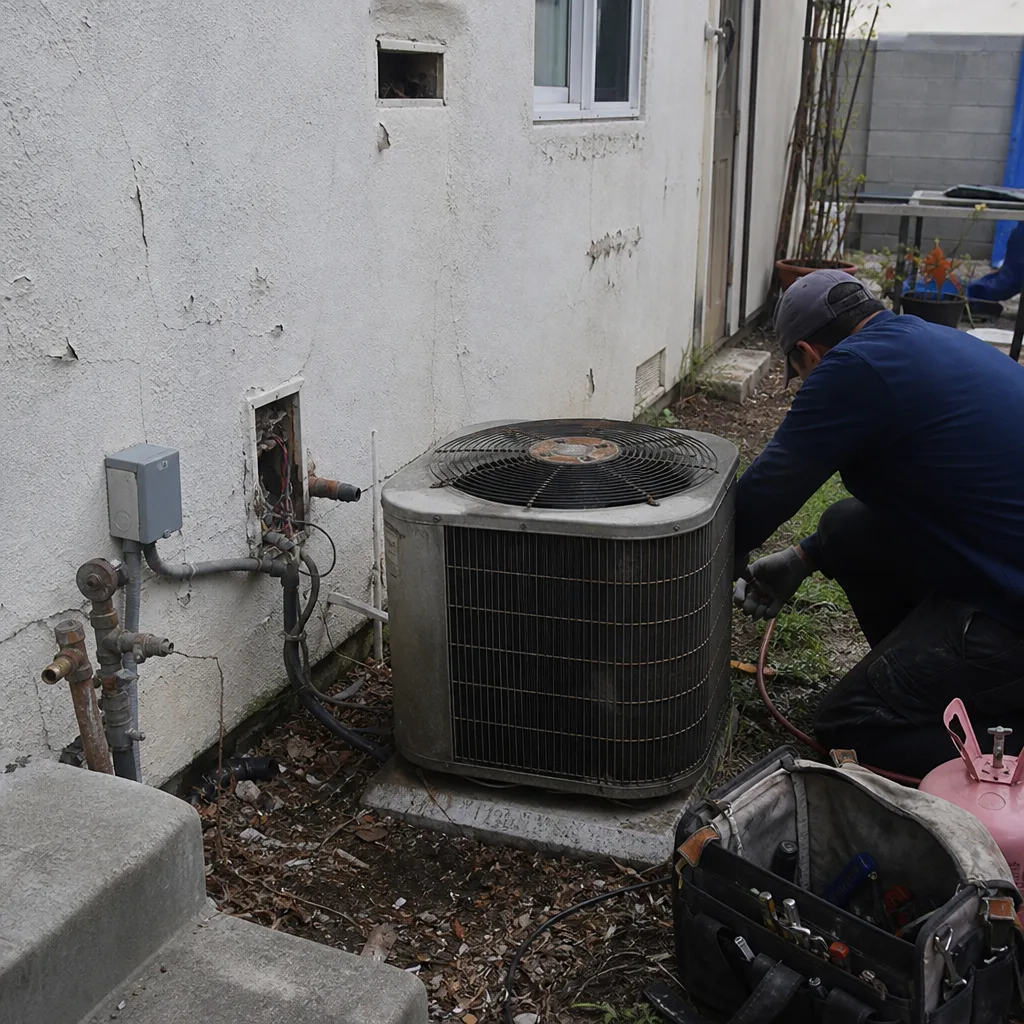 Before
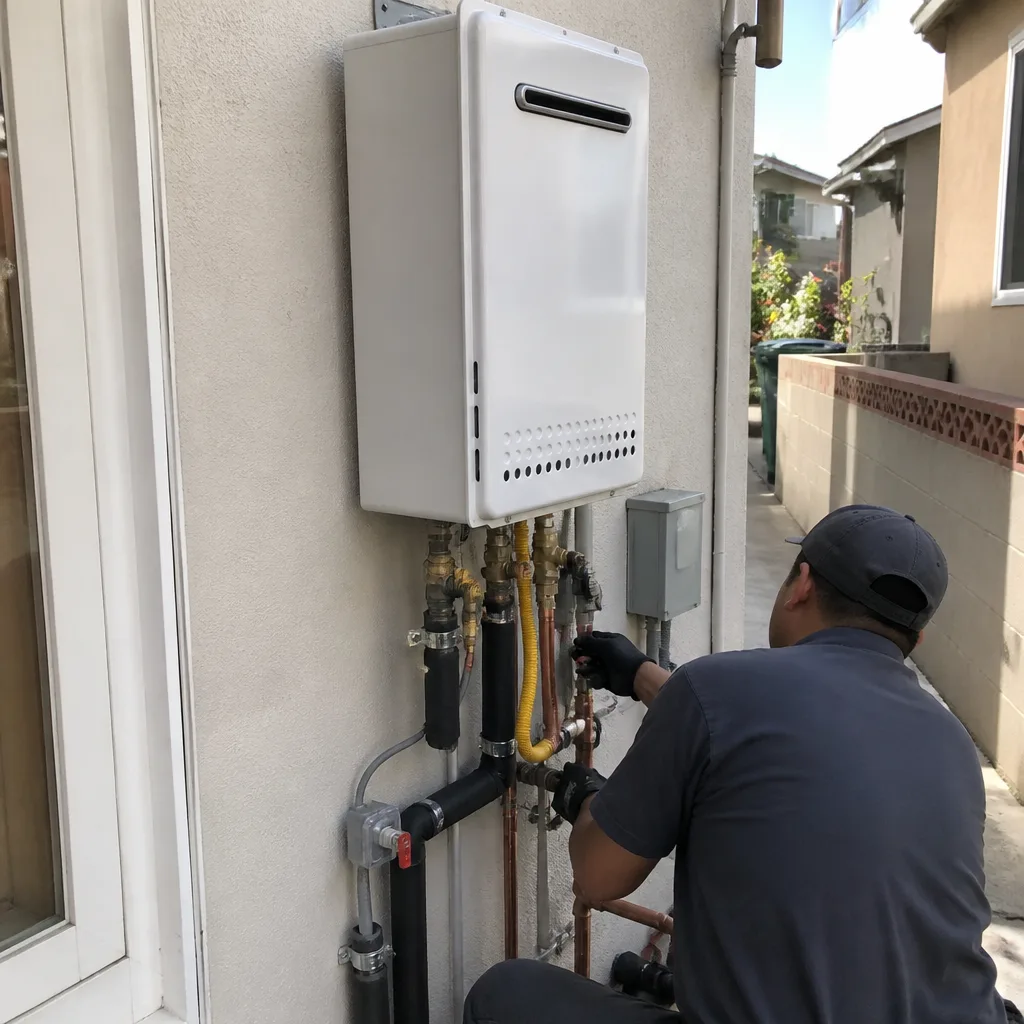 After
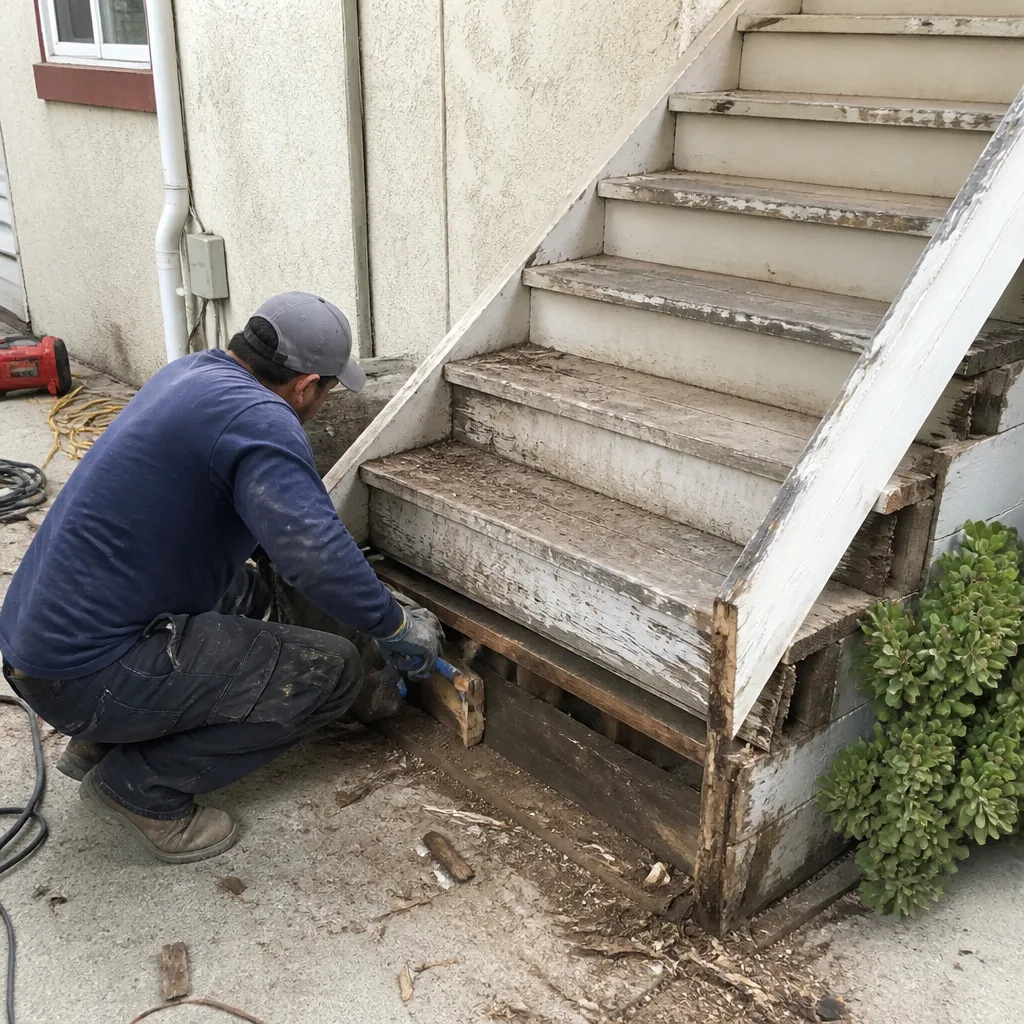 Before
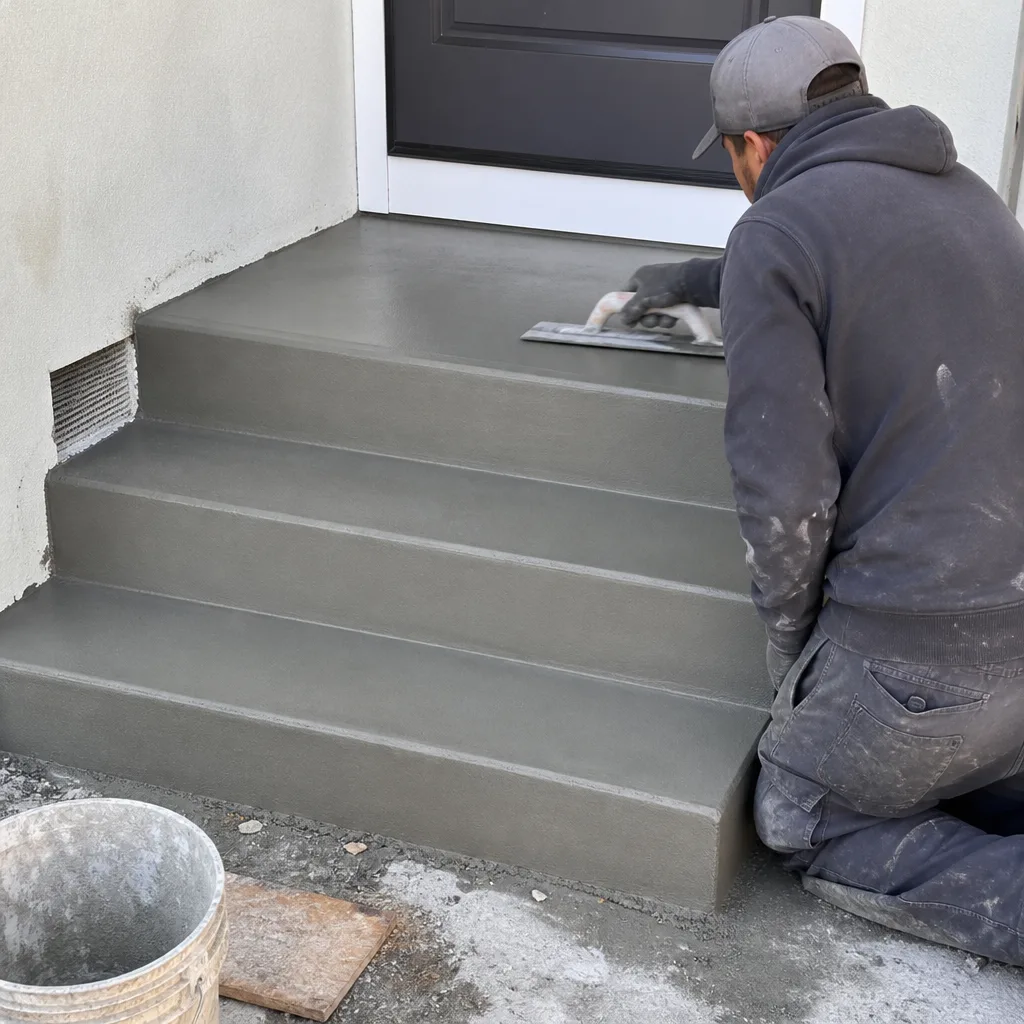 After
 Before
 After