
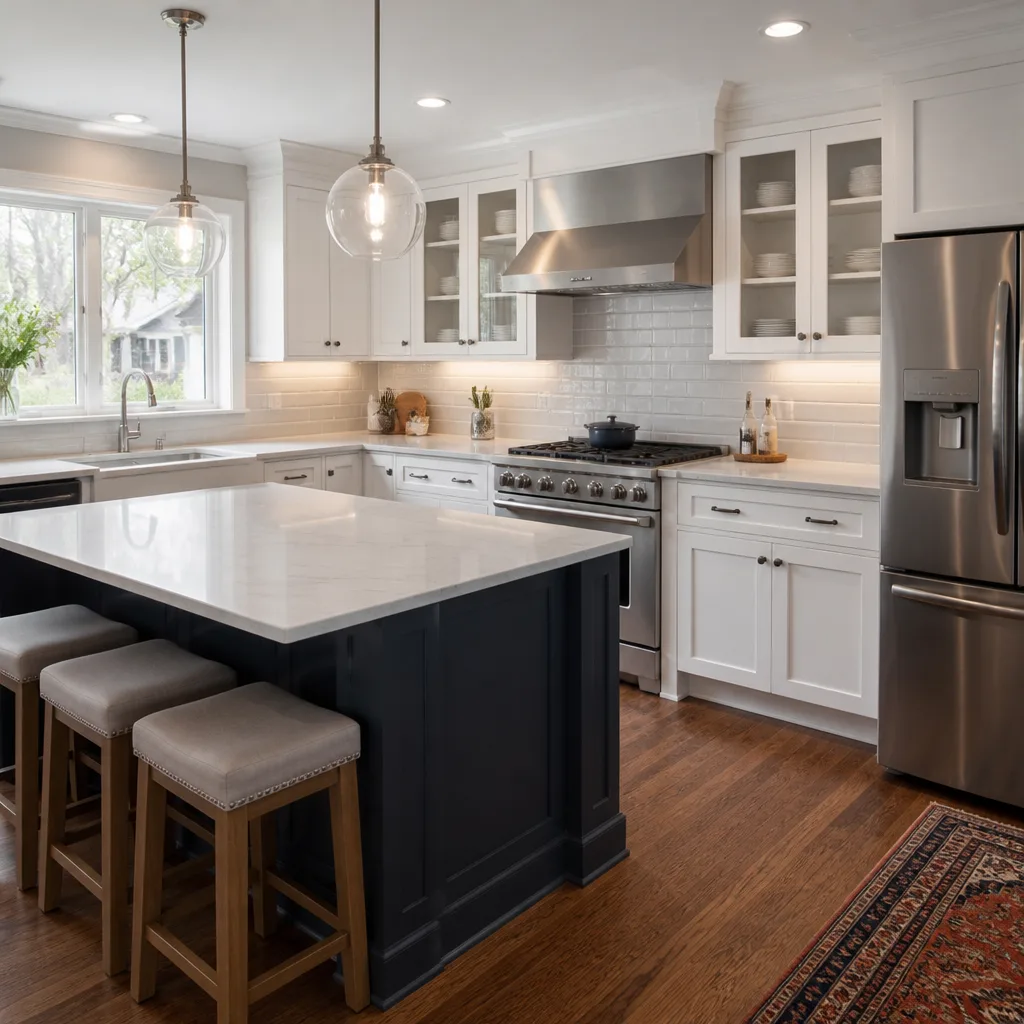
 Kitchen remodeling
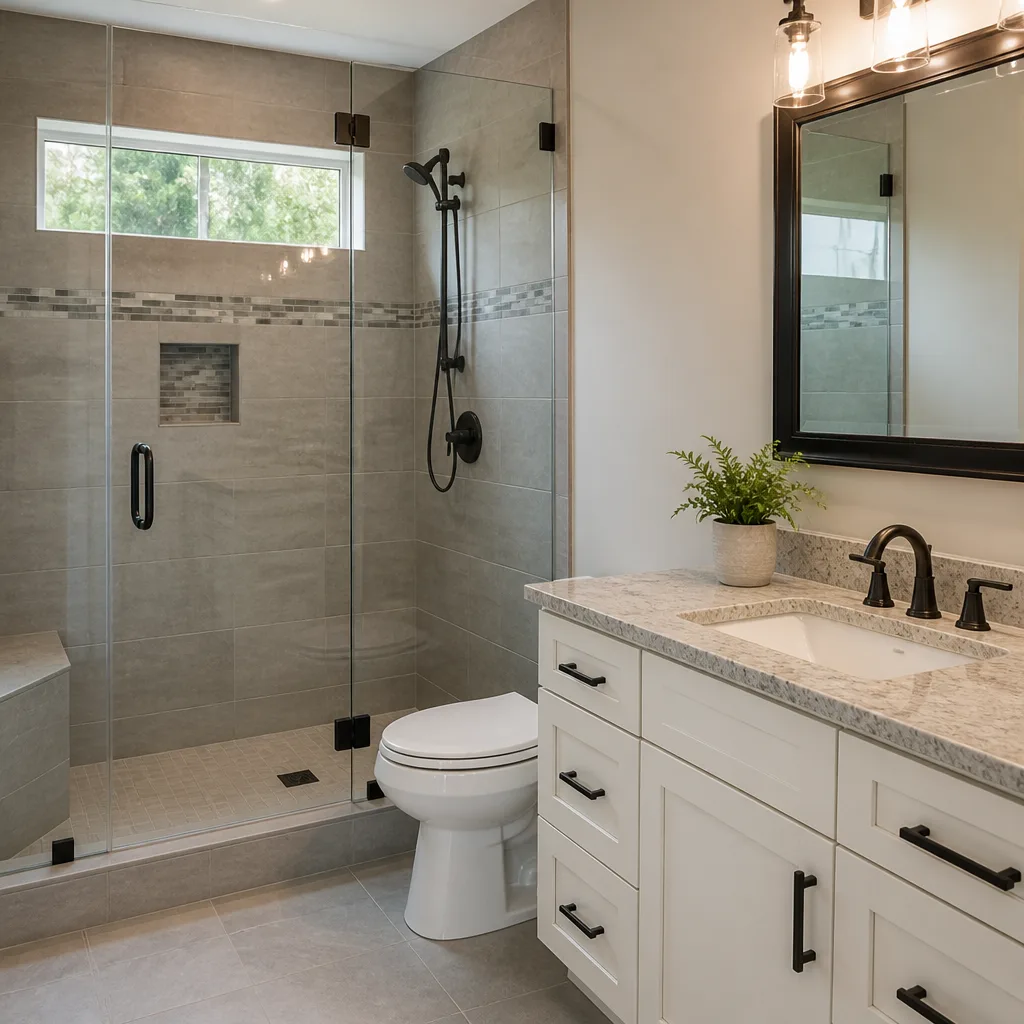 Bathroom remodeling
 Home additions & ADU
 Roofing
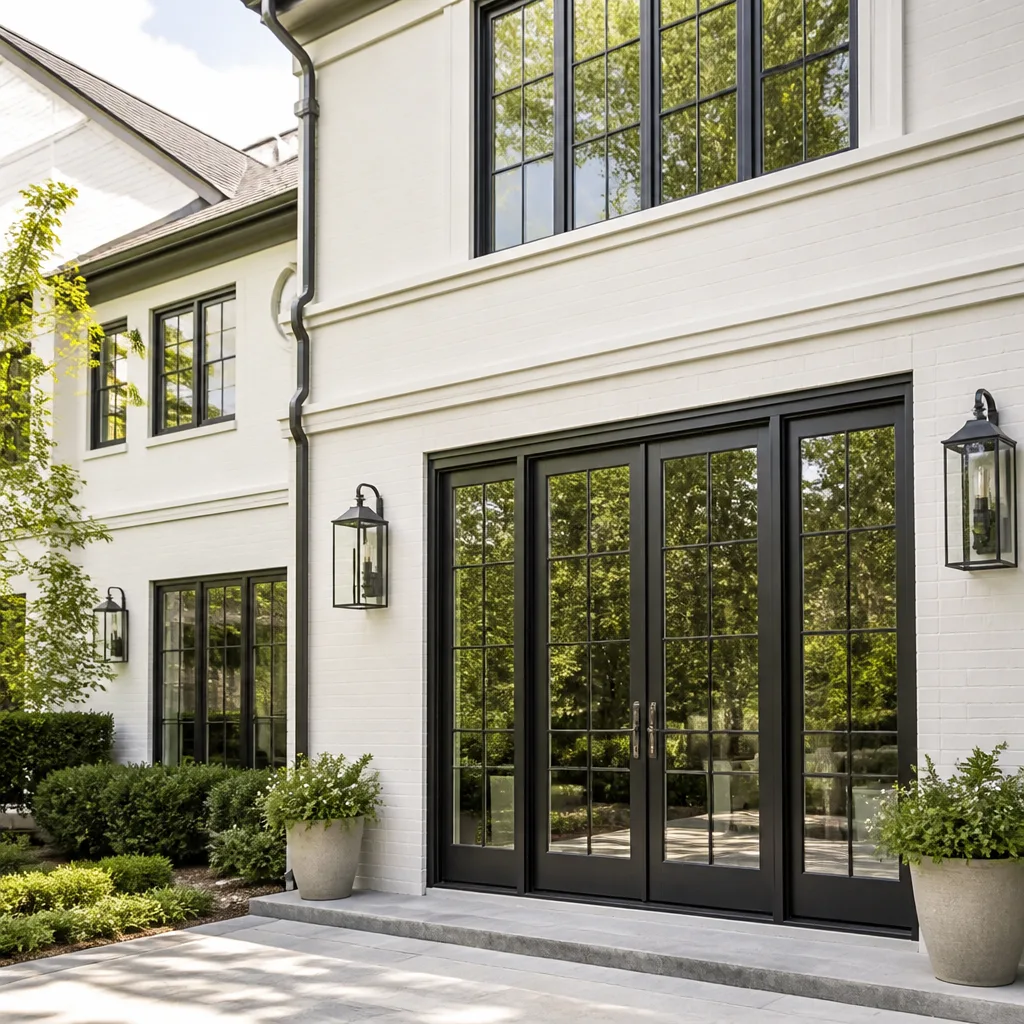 Windows & doors
 Driveway & pavers
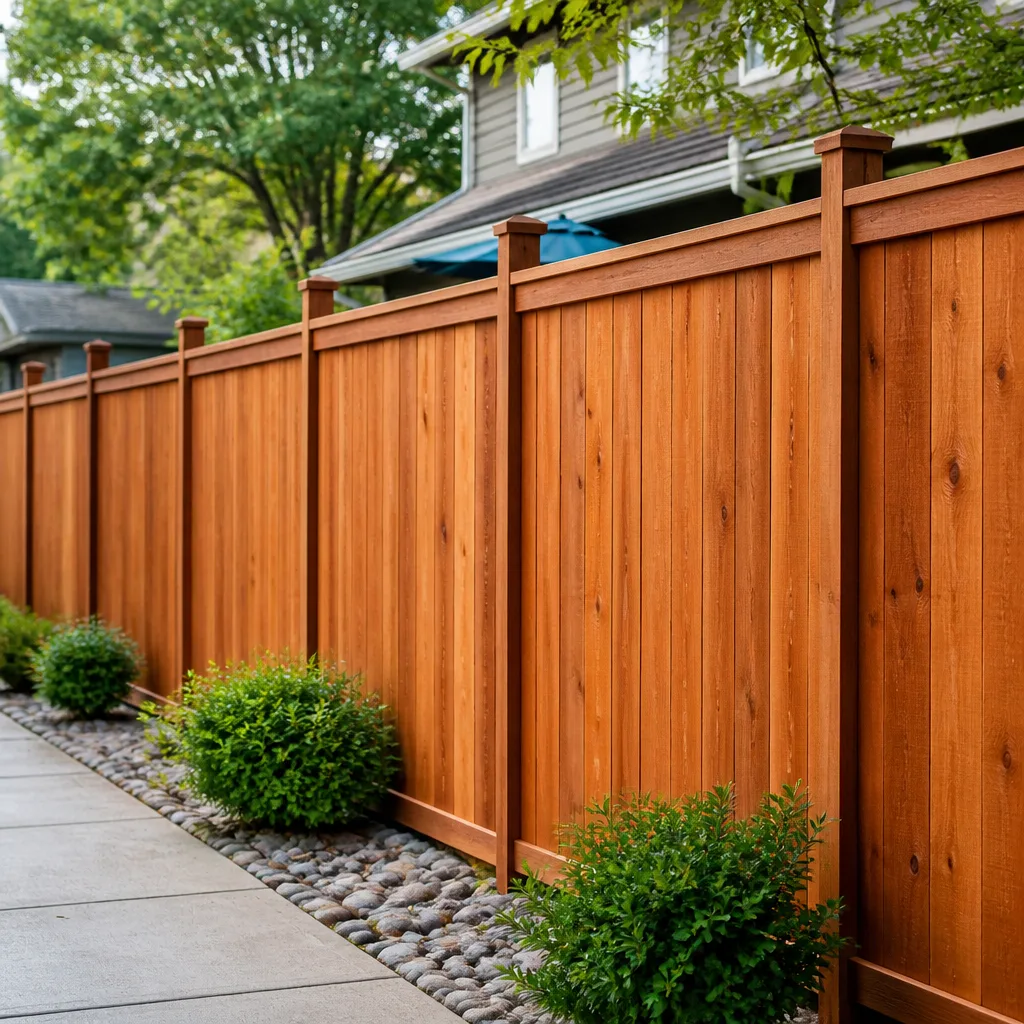 Fence
Free written scope consultation - allowances, timeline, and change-order rules on paper before a single trade is scheduled
Why Chinatown Homeowners Choose CGI Construction
We provide independent Chinatown CGI service for cabinetry installation, repair, and replacement, with a straightforward repair-first approach most cabinet companies won’t offer you. Our crew works on CGI ready-to-assemble shaker and flat-panel lines, thermofoil door systems, and plywood-box bases in kitchens and baths across the neighborhood’s pre-war walk-ups and narrow restaurant-adjacent apartments, so we know exactly how these units fail in real Chinatown conditions. We are an independent contractor, not authorized or sponsored by CGI, which means we call it straight: we tell you when a box is worth saving and when it’s time to replace. Call (866) 253-5808 to talk through what you’re seeing.
Why Trust Timberline Contractors for Your CGI Construction?
Nelson Fung, our owner and general contractor, grew up in Chinatown a few blocks from the job sites we work on today. He learned cabinetry the hard way, pulling apart failed boxes in century-old buildings and seeing firsthand what moisture, steam, and time do to even well-made millwork. That background means our crew doesn’t guess when a CGI door is delaminating. We check the box, the hinge plates, the glide alignment, and the surrounding wall condition before recommending anything.
We carry OEM-equivalent replacement hardware for CGI hinges, drawer glides, and shelf pins so most mechanical failures can be fixed same-visit without waiting on a specialty order. For structural failures, we’re honest about whether a box can be salvaged or whether replacement is the smarter long-term spend. That’s the difference between a technician who knows CGI cabinetry and a general handyman who’s seen one or two.
Styles & brands we work with
Common CGI Construction Problems We Fix in Chinatown
- Thermofoil and laminate door skin peeling or bubbling. CGI thermofoil doors are everywhere in Chinatown kitchens, and the combination of daily wok cooking, heavy steam, and tight quarters with limited ventilation works the laminate hard. Edges start lifting around knobs and along the bottom rail first. Once moisture gets behind the film, it spreads. We see this constantly on older CGI shaker fronts in humid north-facing units.
- Swollen or crumbling sink-base boxes. On a narrow Chinatown walk-up, we tore out a swollen CGI sink base whose thermofoil doors had peeled after years of steam and a slow supply-line drip, then set new CGI plywood-box cabinets shimmed plumb against the out-of-square walls. We re-hung the sound upper boxes with fresh hinges and slides, capped the run with a quartz top and tile backsplash, and the owner kept the layout without a full gut. That’s the reality of this neighborhood: slow leaks go unnoticed under busy counters, and particleboard or MDF boxes absorb it all.
- Drawer glides and hinges failing after years of daily use. CGI hardware is decent, but no glide lasts forever under Chinatown’s pace of life. Screw holes strip in soft box material, glides bind, hinges sag. When the box sides are still sound, we drill, dowel, and re-set hardware with proper anchors, then replace the glide or hinge with an OEM-equivalent part. Ten minutes of work versus a new drawer box.
- Wall cabinets out of square or sagging. Old CGI upper boxes that have absorbed ambient moisture from Chinatown’s fog and damp air lose rigidity over time. Doors stop aligning, shelves tilt, and gaps open at seams. Sometimes re-shimming and fresh hardware solves it. Other times the box has moved past the point of reasonable repair, and partial replacement is the honest call.
- Misaligned doors and stripped hinge screws on older units. This one’s so common it barely counts as a problem to us, but it drives owners crazy. Door gaps that grow or shift, corners that rub, hinges that pull free. The fix is usually surgical: re-mount hinges with proper pilots and anchors, adjust, and test. No new doors required unless the film is already failing.
CGI Parts & Our Repair-vs-Replace Approach
When a CGI cabinet fails, the question isn’t always whether we can fix it. It’s whether fixing it makes sense for the next five or ten years of use. Our rule is simple: if the box is structurally sound and dry, we repair with quality OEM-equivalent hardware, matched door skins where the style is still available, and proper re-shimming. If the box has swollen, delaminated, or lost its square, replacement is cheaper in the long run than chasing a losing battle.
For Chinatown clients, we keep common CGI hinge and glide profiles in our local stock, so most mechanical repairs happen in one visit. Damaged doors in discontinued finishes take longer because we match rather than force a near-miss. If you’re weighing repair versus partial replacement, call (866) 253-5808 and we’ll walk you through the honest math before anything gets ordered.
Our CGI Service Process – Step by Step
- 1
Diagnosis. We inspect every box, hinge, glide, and door in the run, not just the one that’s failing. In Chinatown’s older buildings, the problem usually involves the wall or the moisture load, not just the cabinet. We measure, level, and check mounting.
- 2
Repair or replacement recommendation. We explain what we found in plain terms, including what we’d fix, what we’d replace, and what can wait. You get line-item pricing before any work starts.
- 3
Repair, install, or re-face. We remove only what needs removing, protect your counters and floors, and re-set cabinets plumb and level. New CGI boxes go in shimmed to the actual wall, not the fantasy of a plumb wall.
- 4
Testing and alignment. Every door and drawer gets opened, closed, and adjusted until it moves right. We check reveals, clearance, and glide travel.
- 5
Warranty walk-through. We stand behind our installation and repair work with a workmanship warranty, and we tell you what to watch for so small issues don’t become big ones.
See the difference
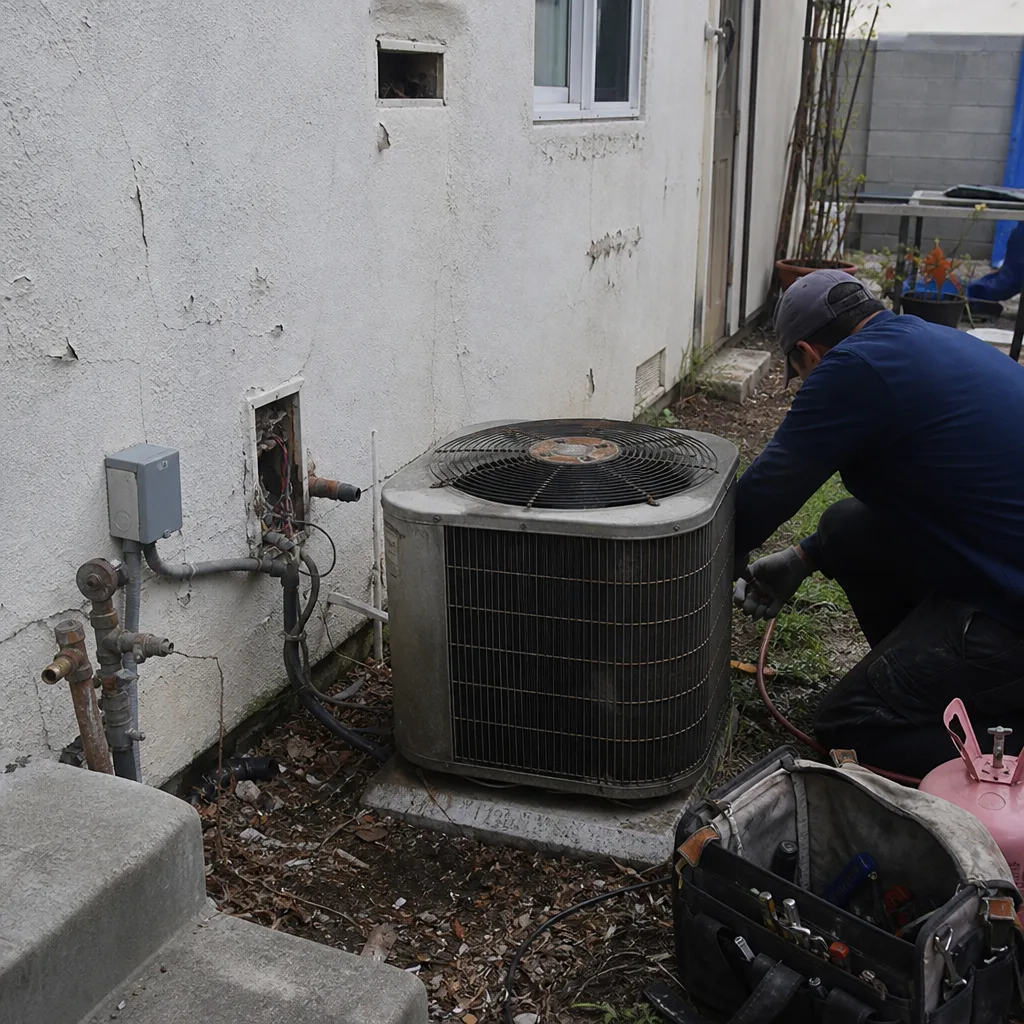 Before
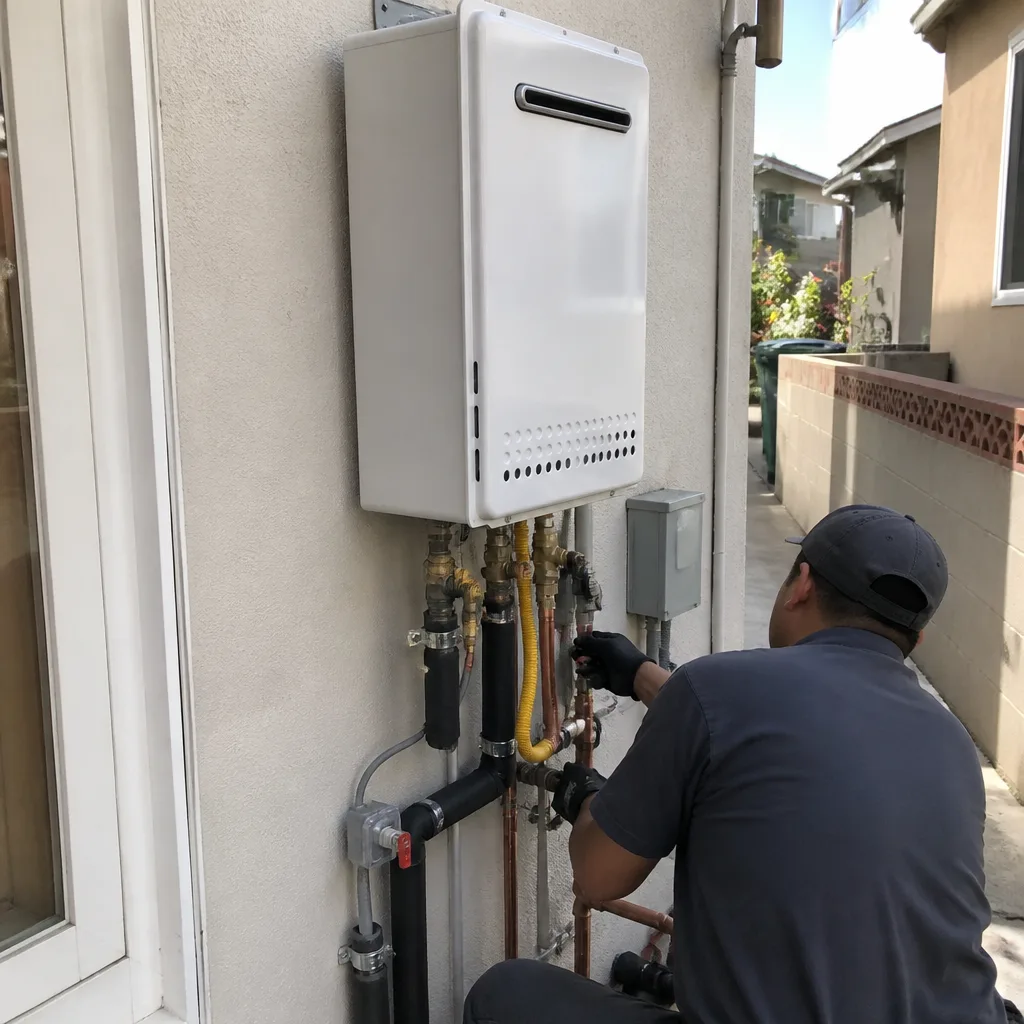 After
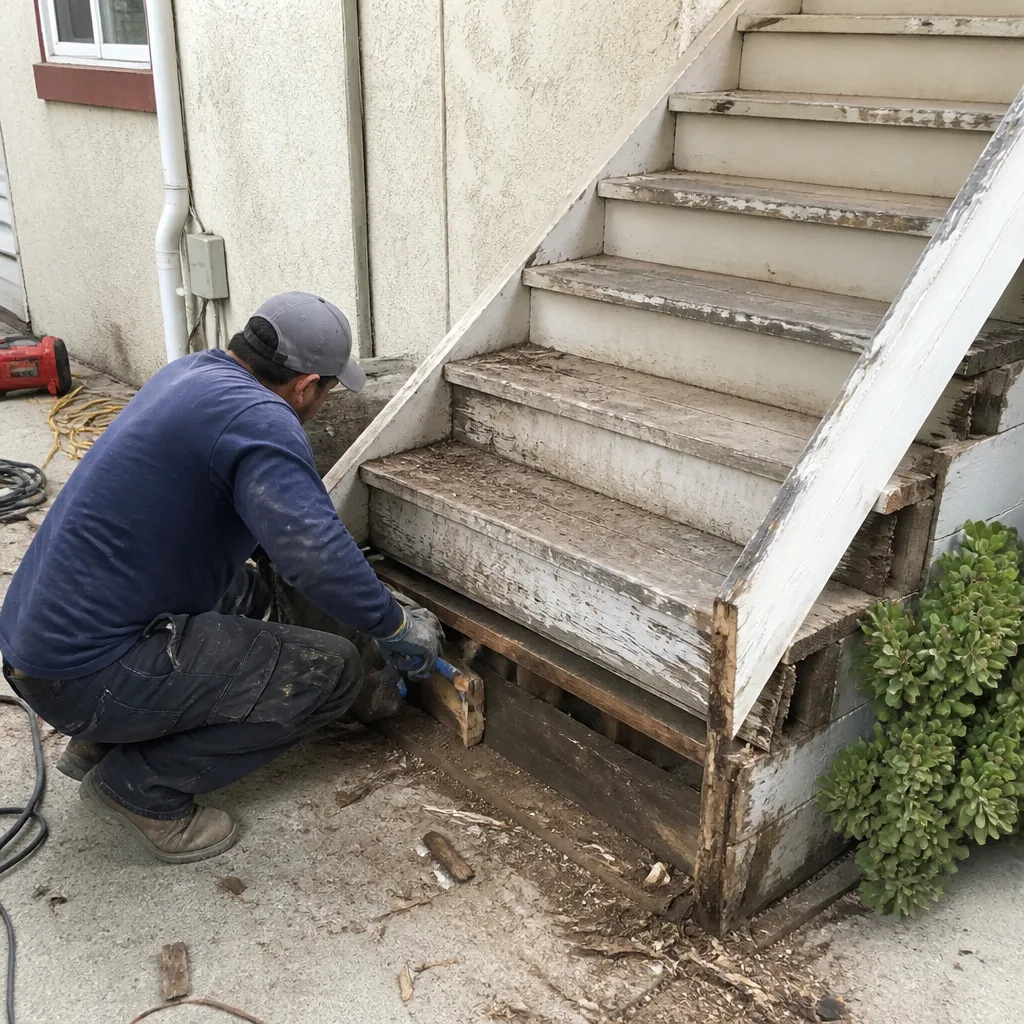 Before
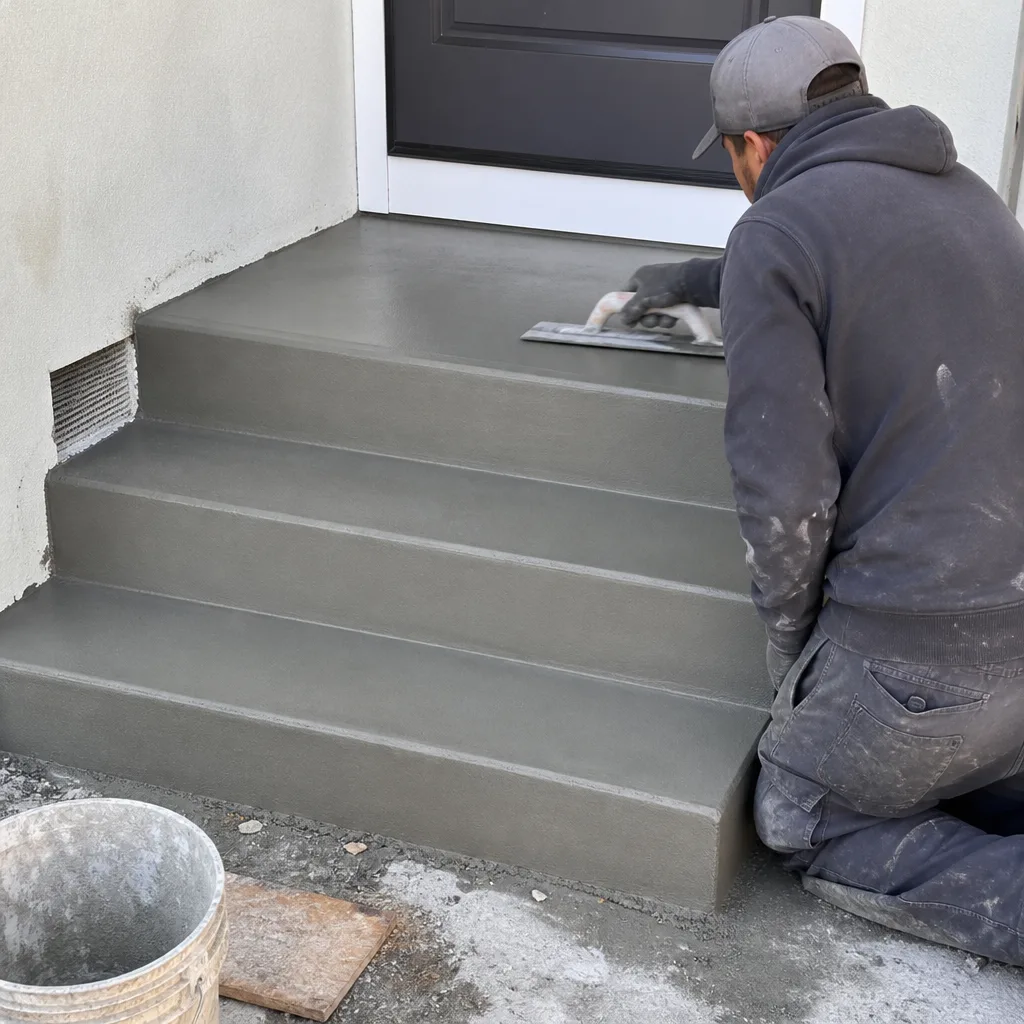 After
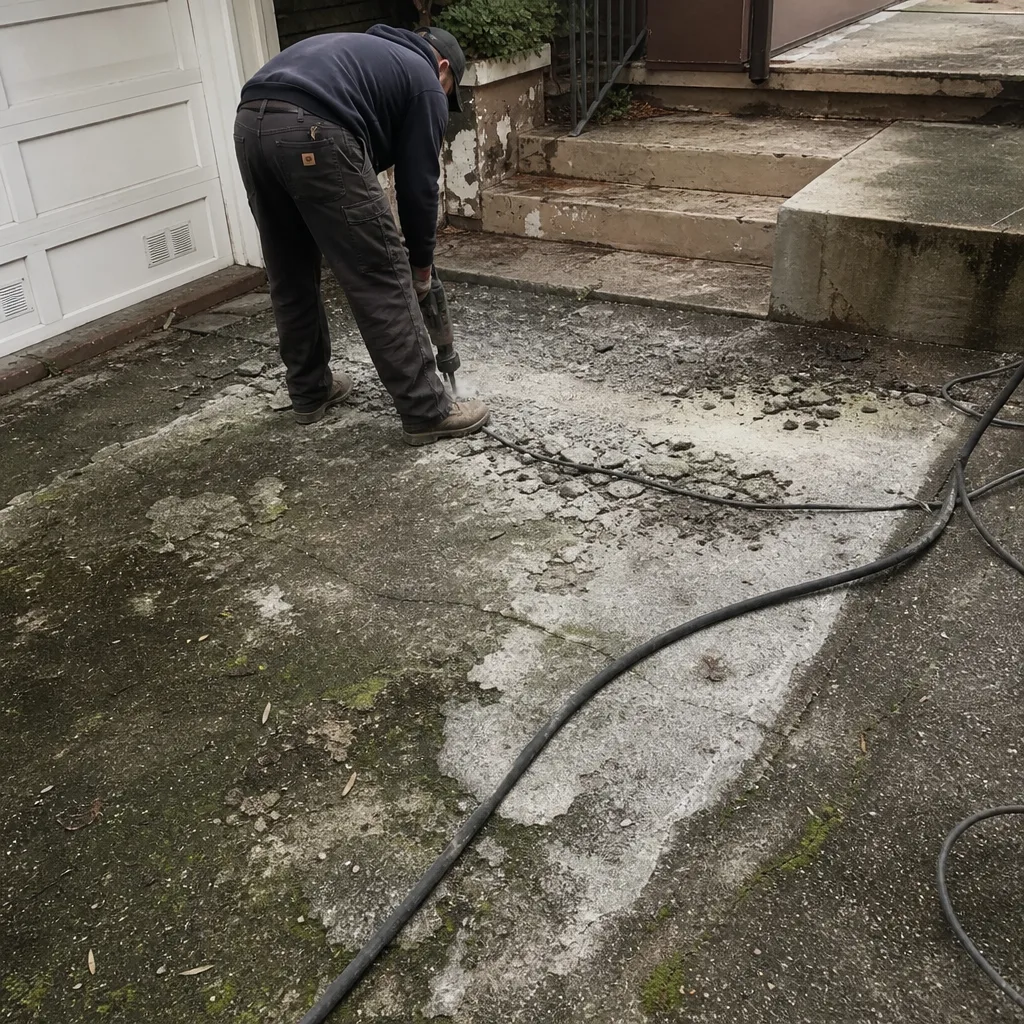 Before
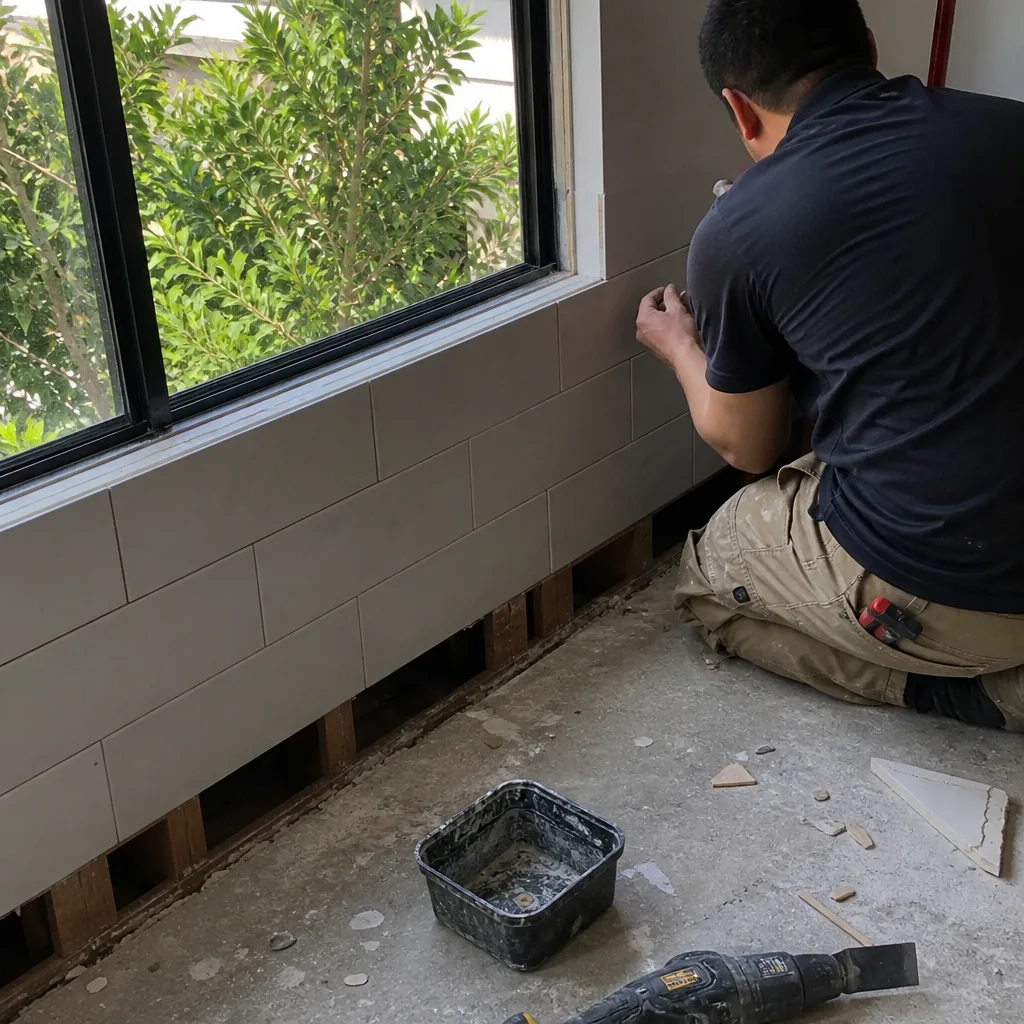 After
CGI Products We Service & Install in Chinatown
We service and install the full range of CGI cabinetry that shows up in Chinatown homes: ready-to-assemble shaker and flat-panel kitchen lines, thermofoil and laminate-finish doors, plywood-box base and wall units, and CGI vanity and bath cabinetry. Our team handles new cabinet installation, cabinet installation and refacing, and small or partial kitchen remodels where you’re keeping the layout but replacing tired millwork. We also work with KraftMaid, Cambria, Silestone, and Kohler for clients who want to mix cabinet brands with stone and plumbing upgrades.
We Also Service These Brands
CGI is one manufacturer we know deeply, but not the only one. We carry experience across KraftMaid and Wellborn cabinetry, Cambria and Silestone surfaces, and Kohler plumbing, so a partial kitchen refresh doesn’t force you into a single-brand corner. One contractor, every phase.
FAQs – CGI Construction Service in Chinatown
No. We are an independent contractor, not authorized, sponsored, or endorsed by CGI. That independence means our recommendations are based on what’s best for your cabinet run and your budget, not a manufacturer relationship. Call (866) 253-5808 if you want the straight read.
We use quality OEM-equivalent hardware that matches CGI hinge, glide, and shelf-pin profiles, sourced for durability and fit. When a client specifically wants factory-ordered CGI replacement doors or panels, we can source those as well, though lead times run longer. We’ll tell you the trade-off either way.
Most mechanical repairs, hinge and glide replacements, and door adjustments happen in a single visit. Full cabinet runs, refacing, or partial remodels in Chinatown typically run a few days to two weeks depending on scope and material availability. We’ll give you a realistic schedule when we quote, and estimates are free.
We service CGI ready-to-assemble shaker and flat-panel kitchen lines, thermofoil and laminate-finish doors, plywood-box base and wall units, and CGI vanity and bath cabinetry. If you have an older run with discontinued door styles, we can assess matching options before you commit to anything.
Independent repair work generally doesn’t void a manufacturer warranty on unaffected components, but the specific terms depend on your original purchase and any existing warranty period. We recommend checking your paperwork, and we’re happy to scope our work so it accounts for any active coverage. Call (866) 253-5808 and we’ll talk through it.
CGI cabinet installation in Chinatown typically runs $4,000 to $13,000 depending on run size and condition of the surrounding walls. Countertop installation runs $2,000 to $6,500, backsplash $800 to $2,500, and a small kitchen remodel $9,000 to $20,000. These are real project ranges, not placeholders. Call (866) 253-5808 for a line-item quote on your specific job, free.
| CGI Service in Chinatown | Typical Range |
|---|---|
| Cabinet Installation | $4,000 – $13,000 |
| Countertop Installation | $2,000 – $6,500 |
| Backsplash Installation | $800 – $2,500 |
| Small Kitchen Remodel | $9,000 – $20,000 |
| Kitchen Island Installation | $3,000 – $10,000 |
Sometimes. If the door profile is still in the CGI catalog, we can order matching replacements. If it’s truly discontinued, we’ll look at custom-matching options through our cabinet partners and tell you honestly whether the match will be close enough or whether a full door-and-drawer-front replacement makes more sense. Email or call (866) 253-5808 with a photo and measurements.
Book Your CGI Service in Chinatown, CA
If your CGI cabinets are peeling, sagging, or swelling, don’t wait for a small problem to become a gut remodel. Call Timberline Contractors at (866) 253-5808 and Nelson Fung or one of our crew will talk through what you’re seeing and schedule a free estimate. We serve Chinatown and CGI in San Francisco and surrounding areas with honest, repair-first service.
Written by Nelson Fung, Owner and General Contractor at Timberline Contractors, serving Chinatown and the wider Los Angeles basin since he first learned cabinetry at LATTC. Do it right the first time or explain yourself twice.