
Last updated October 31, 2026
 Home additions & ADU
 Kitchen remodeling
 Bathroom remodeling
 Roofing
 Windows & doors
 Driveway & pavers
 Fence
Free written scope consultation - allowances, timeline, and change-order rules on paper before a single trade is scheduled
Construction Emergency Preparedness Guide for Chinatown Homes
When a pipe bursts in a Chinatown row house at midnight, you have roughly 20 minutes before water migrates to a shared wall. If you don’t know your main shutoff location, your neighbor’s contact, and your general contractor’s emergency line, that 20 minutes becomes $40,000 in damage. Chinatown’s housing stock, much of it built between 1880 and 1940, carries shared masonry party walls, cast-iron and galvanized plumbing stacks, and roof systems that predate modern waterproofing standards. This guide covers what actually happens during construction emergencies in these buildings, how to prepare before anything goes wrong, and what to do in the first hour. For more guides & resources, see our blog. You’ll learn the Chinatown-specific emergency contact list, how to operate non-standard shutoffs, safe tarping for flat roofs, post-seismic inspection basics, and the documentation protocol that insurance adjusters actually respect.
Quick Answer
Construction emergency preparedness for a Chinatown home means knowing three things before anything fails: where your water, gas, and electrical shutoffs are (and how to operate them in older building configurations), who to call in what order for a shared-wall or roof emergency, and how to document damage so your insurance claim survives scrutiny. The most common preventable disaster in Chinatown buildings is water migration from an uncontrolled leak into a neighbor’s unit, which turns a $2,000 plumbing fix into a six-figure liability event. Preparation costs nothing; the lack of it costs everything.
Styles & brands we work with
Table of Contents
- The Chinatown Emergency Contact List Every Homeowner Needs Before Anything Goes Wrong
- Locating and Operating Water, Gas, and Electrical Shutoffs in Older Chinatown Buildings
- Emergency Tarping and Weatherproofing for Flat and Low-Slope Chinatown Roofs
- Seismic Event Response: Assessing Structural Symptoms Before Re-Entering
- Documentation Protocol for Insurance Claims: What Photos, What Timestamps, and Why Your GC Comes First
- Seasonal Threats: What Chinatown’s Climate Actually Does to These Buildings
- Shared-Wall Liability: What Happens When Your Emergency Becomes Your Neighbor’s
- The Emergency Supply Kit for a Chinatown Unit
The Chinatown Emergency Contact List Every Homeowner Needs Before Anything Goes Wrong
Most homeowners have a plumber’s number saved somewhere. That’s not a plan. In Chinatown, where a water event in your unit can enter a shared wall cavity and damage three other units within an hour, you need a sequenced contact list, not a Rolodex. Write this down on paper and tape it inside a kitchen cabinet door. Phones fail, batteries die, and you don’t want to be searching cloud contacts while water is running.
Here’s the order that actually protects you in a shared-structure emergency:
- Your general contractor’s emergency line. A qualified General Contractor in Chinatown who has worked on your building understands the plumbing stack configuration, knows which walls are shared, and can dispatch the right trade immediately. We’ve taken midnight calls from Chinatown homeowners where our first instruction was “turn the main off at the sidewalk, it’s a gate valve that turns clockwise” because we knew the specific building’s setup. That’s not knowledge you get from a random plumbing dispatch service.
- A licensed plumber familiar with older Chinatown buildings. Not all plumbers understand cast-iron stacks, lead-bend replacements, or the specific code requirements for retrofitting galvanized supply lines in historic districts. Your plumber should know these before they arrive, not learn them on your dime.
- A structural engineer. For anything involving cracks, movement, or load-bearing walls after a seismic event or a fire in an adjacent unit, the engineer assesses first. No contractor should be opening walls until that assessment happens.
- Your immediate neighbors’ phone numbers, including the building owner if you rent or the HOA president if you’re in a TIC. In Chinatown’s tenancy-in-common buildings and shared-wall townhouses, your emergency is rarely yours alone. The neighbor on the other side of that wet wall has a right to know within minutes, and their insurance information may be part of the claim.
- Your insurance agent’s direct line and your policy number. But do not call them first. More on this in the documentation section; the short version is that your general contractor should see the damage before anyone’s adjuster does.
In our experience, the single most common failure in Chinatown emergencies is not that a homeowner couldn’t reach someone, it’s that they called the wrong someone first. They called a restoration company that spent three hours drying what a plumber could have stopped in ten minutes. They called their insurer before documenting the source of the leak, and the adjuster’s report omitted the actual cause. The sequence matters as much as the contacts.
Locating and Operating Water, Gas, and Electrical Shutoffs in Older Chinatown Buildings
In a suburban home, the water main is usually in the front yard, the gas meter is on the side of the house, and the electrical panel is in the garage. Chinatown buildings rarely follow that script. Many of these structures were built before standardized utility infrastructure, and decades of retrofits have created configurations that surprise even experienced contractors. Here’s what you’re actually looking for.
Water Shutoffs
In multi-unit Chinatown buildings, individual unit shutoffs may not exist. The plumbing may have been added in the 1920s with a single main serving the building, and unit-level shutoffs were retrofitted piecemeal, sometimes in odd locations. Check behind access panels in the kitchen and bath, under the sink (not the fixture stop, the line stop), inside closet walls near the wet wall, and in the basement or crawl space. If you have a unit-level valve, it’s often a gate valve or a ball valve. Gate valves have a round handle that turns clockwise multiple times; these are notorious for seizing. Test yours twice a year by turning it fully closed and back open. If it doesn’t turn, call a plumber now, not during an emergency. The building main is usually at the sidewalk or in the basement, and in many Chinatown buildings, it requires a curb key or a meter wrench. Know whether yours is accessible and who has the key.
Gas Shutoffs
The gas meter for a Chinatown building may be in an interior room, a shared basement, or an alley. Individual unit meters are rare in pre-1950 buildings. The emergency shutoff is at the meter, and it requires a wrench to turn the valve perpendicular to the pipe. You should know the location, and you should know whether the shutoff requires a specific tool. Do not practice turning off the gas; that’s a utility call, not a homeowner task. But do know where it is and what it looks like. In a post-earthquake scenario, gas shutoff is often done by PG&E or the fire department, but if you smell gas, the protocol is: evacuate, call 911 from outside, and do not operate electrical switches. The shutoff is not your job in that moment; leaving is.
Electrical Shutoffs
In older Chinatown buildings, the main electrical disconnect may be a fused panel (not breakers) in a hallway, a basement, or behind a tenant access door. Some buildings still have knob-and-tube remnants or cloth-wrapped wiring that predates modern panels. The main disconnect shuts down the entire unit or building. Know where your subpanel is (if you have one) and whether any circuits serve shared areas. Water and electricity together are the real danger: if water is flowing near outlets, light fixtures, or the panel itself, cutting power at the main disconnect is the right move, but only if you can reach it safely and it’s not already wet. If the panel is wet or you see arcing or sparking, leave the building and call the fire department first, then your Home Remodeling in Chinatown contractor for the repair scope.
Emergency Tarping and Weatherproofing for Flat and Low-Slope Chinatown Roofs
Chinatown’s older buildings frequently have flat or low-slope roofs, often with built-up asphalt and gravel or aging modified-bitumen membranes. During a heavy winter storm, a small membrane breach can channel water into the building cavity and down through multiple floors. The first hour matters. Here’s what you can safely do, and what you should never attempt.
What a homeowner can do in the first hour:
- Contain water inside: place buckets, move belongings, and if water is coming through a ceiling, puncture the drywall with a screwdriver at the lowest point of the bulge to release the water in a controlled location. This prevents the ceiling from collapsing under water weight and spreading damage across a room. Do this only with a plastic bucket or trash can underneath.
- Shut off power to the affected room or area, not the entire unit unless necessary. Water and ceiling light fixtures don’t mix.
- Call your general contractor and ask specifically for emergency roof tarping. The phrasing matters: you need “temporary weatherproofing” not “roof repair.” A qualified contractor will know the difference and can dispatch a crew even if the roof itself can’t be permanently repaired until dry conditions return.
- If you can safely access the roof area from a hatch or interior ladder, look for an obvious breach: a lifted membrane seam, a punctured vent boot, a clogged roof drain. Do not walk on a wet low-slope roof. Do not walk on a roof you cannot see from the access point. This is a “look and document” step, not a “fix it” step.
What requires a professional, immediately:
- Any roof work at height, on a wet surface, or on a slope steeper than 2:12. Falls from Chinatown roofs are a real statistic, not an abstraction. A temporary tarp installed from a ladder or roof edge is a professional task with specific tie-down and weighting requirements.
- Any tarp work that requires penetrating the existing membrane. You don’t want a temporary fix creating a new leak path.
- Any situation where the water has already entered a shared wall or ceiling cavity. You can’t dry out a wet wall cavity with a fan from inside your unit, and the moisture will wick into adjacent units. A professional needs to open the wall, contain the water, and assess structural and mold implications.
Temporary tarping costs far less than the water damage it prevents. Call early; don’t wait for the storm to peak. Roofing crews can’t work in high winds or lightning, and the window of opportunity closes fast in a Pacific storm front.
Seismic Event Response: Assessing Structural Symptoms Before Re-Entering
Chinatown sits in one of the most seismically active regions in the country. Its older buildings, many with unreinforced masonry, brick party walls, and stucco-over-wood framing, respond to ground motion differently than modern construction. After any earthquake that rattles your building, you need to know what’s cosmetic and what’s structural before you walk back inside.
Visible symptoms that mean “do not re-enter, call a structural engineer”:
- Diagonal cracks in masonry walls, especially if they run through mortar joints in a stair-step pattern. Horizontal cracks at floor or roof lines are more concerning than vertical hairline cracks.
- Separation at wall intersections: if the wall and ceiling have pulled apart, or if brick is separating from a wood frame at a corner, that’s load path failure, not drywall cracking.
- Chimney damage: a cracked, leaning, or partially collapsed chimney is a falling hazard for the entire block, not just your unit.
- Doors or windows that suddenly won’t open or close in their frames, which indicates frame racking.
- Any visible movement in the foundation: new cracks in concrete, shifted piers, or gaps between the foundation and the sill plate.
- Structural cracks that are wider at the top than the bottom, or that have displaced one surface relative to the other.
Do not enter a building to take photos if you see these symptoms. Document from outside with your phone, mark the location, and call a structural engineer. Your general contractor can coordinate the engineer, the city inspection, and any temporary shoring. This is not a handyman call; this is a licensed professional sequence. After the initial assessment, the Home Renovation in Chinatown scope is determined by the engineer’s report, not by a contractor’s guess.
Documentation Protocol for Insurance Claims: What Photos, What Timestamps, and Why Your GC Comes First
Insurance companies are not your adversary, but they are not your advocate either. They are a business processing a claim. Survive the claim process intact by documenting the way a contractor would, not the way a homeowner naturally does. The order of operations matters more than most people realize.
The protocol, in order:
- Stop the source of the damage first. Shut off the water, the gas, the power. If you can’t safely do it, call a professional. No amount of documentation replaces stopping an active leak.
- Call your general contractor before calling your insurer. This is counterintuitive to most homeowners, but it’s the single best thing you can do for your claim. A good contractor sees the damage in its original state, identifies the actual cause (not the symptom), and documents it in construction terms the adjuster will recognize: “failed 3/4″ galvanized supply line at the elbow fitting in the west wall” vs. “water damage in the bathroom.” That specificity is what separates an approved claim from a contested one. Timberline Contractors has walked through claim sites in Chinatown where our initial documentation was the difference between a straightforward settlement and a multi-month dispute.
- Photograph everything before anything is moved. Wide shots of the entire room first, then medium shots of the affected area, then close-ups of the actual failure point. Use your phone’s timestamp feature or shoot with a time-stamped camera. Video walkthrough matters too: narrate what you’re seeing as you record, including the date and time out loud. This creates a record that’s hard to dispute.
- Photograph the source materials. The failed pipe fitting, the cracked tile, the water line on the wall. The adjuster needs to see the cause, not just the effect.
- Document the unit number, the date, and the neighbor impact if shared walls are involved. If water entered another unit, that’s a separate claim for the neighbor but still part of your liability picture.
- Keep a running timeline document. When the leak started, when you called, who you talked to, when they arrived, what they did. Insurance adjusters respect timelines; they signal that you’re organized and that you mitigated damages promptly, which is explicitly your duty under most policies.
- Do not dispose of any damaged materials. Not the pipe, not the drywall, not the ruined flooring. Your policy requires you to preserve evidence for the adjuster’s review. Bag it, label it, move it to a garage or basement if you must, but keep it.
What photos specifically: photos of the ceiling before you puncture it, photos of the standing water before you mop, photos of the failed fitting before a plumber replaces it. The instinct is to clean up fast. Fight that instinct. Document first, then clean.
Seasonal Threats: What Chinatown’s Climate Actually Does to These Buildings
Chinatown’s Mediterranean climate, wet winters and dry summers, creates predictable patterns of building stress. Understanding these patterns lets you prepare before the emergency, not during it.
Winter (November through March): This is roof breach season. Flat and low-slope membranes that have baked in the summer sun crack and lift, and the first heavy Pacific storm finds every weakness. Water ingress through flat roofs is the most common Chinatown emergency we see between December and February. Get your roof inspected in October, not January. The second winter threat is failed supply lines in uninsulated wall cavities during rare freeze events. Older Chinatown buildings have pipes running through exterior walls or attics with minimal insulation. When temperatures drop below freezing even for a night, these are the first pipes to burst.
Summer (June through October): This is settlement and dry-rot season. The clay soils beneath parts of San Francisco shrink during extended dry periods, causing foundation movement that opens cracks in older masonry. Dry rot in wood framing advances during warm months when humidity is low enough to keep moisture from pooling but high enough to feed fungal growth. Summer is also when you discover whether last winter’s water intrusion left mold in the wall cavities.
Year-round: Seismic preparedness has no season. Chinatown’s seismic risk is constant, and the older unreinforced masonry buildings in the neighborhood are among the most vulnerable structures in the city when the ground moves. A structural assessment of your building, if you haven’t had one, is the highest-value preparation you can do. It tells you what’s load-bearing, what’s already compromised, and what your actual risk profile is.
Shared-Wall Liability: What Happens When Your Emergency Becomes Your Neighbor’s
In Chinatown’s attached buildings, the wall between you and your neighbor is not a neutral boundary; it’s a shared structural element with shared liability. When water, fire, or structural movement crosses that wall, the legal and financial picture changes dramatically.
In a water event, the rule of thumb is simple: the person whose unit the water originated in is responsible for the damage, including damage to neighboring units. If your pipe burst and water soaked through the party wall into the unit next door, your liability extends to their repairs. This is why early shutoff matters so much; the difference between a 20-minute shutoff and a 2-hour shutoff is often the difference between a $2,000 repair in your unit and a $40,000 claim involving three neighbors.
In a structural event, the picture is more complex. If the party wall itself is compromised, both owners share the repair responsibility, and the exact apportionment depends on the ownership structure. In tenancy-in-common buildings, the TIC agreement usually defines how shared-structure repairs are allocated. In a condo conversion, the HOA’s governing documents control. In a rental situation, the building owner bears the structural responsibility, and your obligation is to report promptly and mitigate your own belongings.
What this means practically: your emergency contact list should include your neighbor’s name and phone number, and you should have at least a passing familiarity with what your ownership structure says about shared walls. The worst time to discover that your TIC agreement requires a unanimous vote before repairs can proceed is when water is actively running through the wall. A Timberline Contractors home consultation includes a review of the specific shared-wall configuration in your building, because knowing whether that wall is a true party wall, a double-wall with a gap, or a masonry divider with wood-framed interiors changes the entire repair approach.
The Emergency Supply Kit for a Chinatown Unit
Most “emergency kit” advice is written for suburban homes with garages and storage space. In a Chinatown apartment or condo, your kit has to fit in a hall closet and cover the failures that actually happen in dense, older buildings. Here’s what we recommend:
- A water meter key or curb key sized for your building’s main. If you can’t legally access the main, know who can and how fast they respond.
- A 4-in-1 screwdriver and an adjustable wrench. The wrench is for gas-meter emergencies (again, evacuation first, but if you’re directed to shut off by the utility, you’ll need it).
- Heavy-duty contractor trash bags and duct tape. Contain water, cover furniture, create a temporary drip envelope. Cheap and endlessly useful in a water event.
- A bucket. Two buckets. The most underrated emergency tool in any home.
- A headlamp with fresh batteries. When the power goes out and water is running, you need both hands free.
- A printed copy of your emergency contact list. In the inside of a kitchen cabinet, as noted. Not on your phone. Not saved in an app. Paper.
- A roll of heavy plastic sheeting (6-mil minimum). For window failures, ceiling protection, or to isolate a room from dust during a sudden repair event.
None of this is expensive. All of it changes what happens in the first hour of an emergency. The difference between a controlled event and a catastrophe is often measured in what you could reach in the first ten minutes.
Common Mistakes to Avoid
- Calling your insurance company before you call a contractor. The adjuster arrives days later, sees dried, moved, and partially repaired damage, and writes a report that misses the actual cause. Your contractor’s initial documentation creates the technical record the adjuster can’t ignore.
- Assuming your water shutoff is “somewhere standard.” In Chinatown’s older buildings, there is no standard. If you don’t know where yours is, find out this weekend, not during the next storm.
- Attempting roof tarping yourself from a ladder or roof edge. Falls during emergency roof work are a leading cause of serious injury after storm events. This is a professional task, even if it looks simple from the street.
- Re-entering a building after an earthquake without checking for structural symptoms. Aftershocks can collapse a compromised wall. The four minutes it takes to walk around the outside and look at the foundation, the chimney, and the wall corners might save your life.
- Letting shared-wall water damage sit “until we figure out the insurance.” Moisture in a wall cavity doesn’t wait for claims to settle. The water keeps moving, the mold keeps growing, and the damage keeps compounding. Contain and dry first; claim second.
- Disposing of the failed component that caused the damage. The burst fitting, the cracked valve, the failed roof membrane sample. That’s your physical evidence. Once it’s gone, the claim is your word against the insurer’s interpretation.
- Having no relationship with a general contractor until you need one in the middle of the night. An established relationship means your GC knows your building, your configuration, and your history. That knowledge is the single biggest time-saver in an active emergency.
See the difference
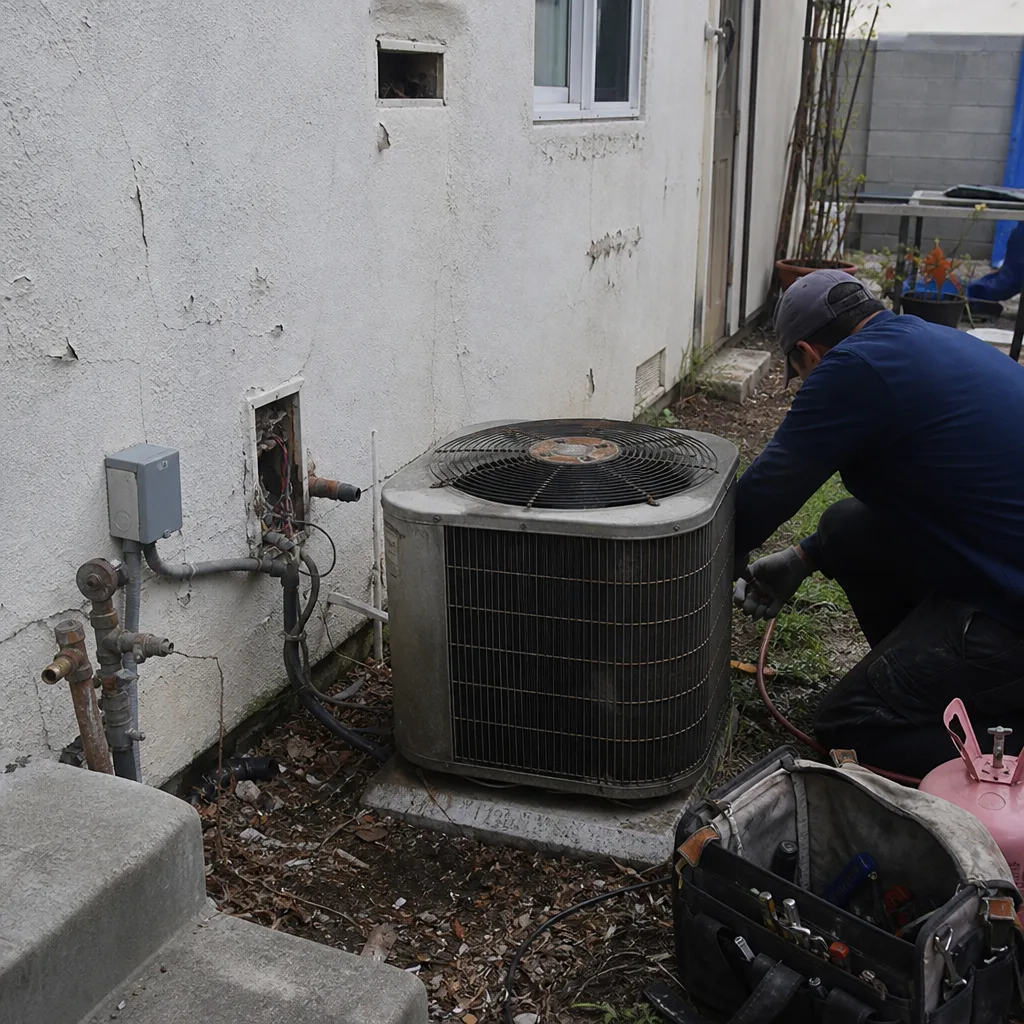 Before
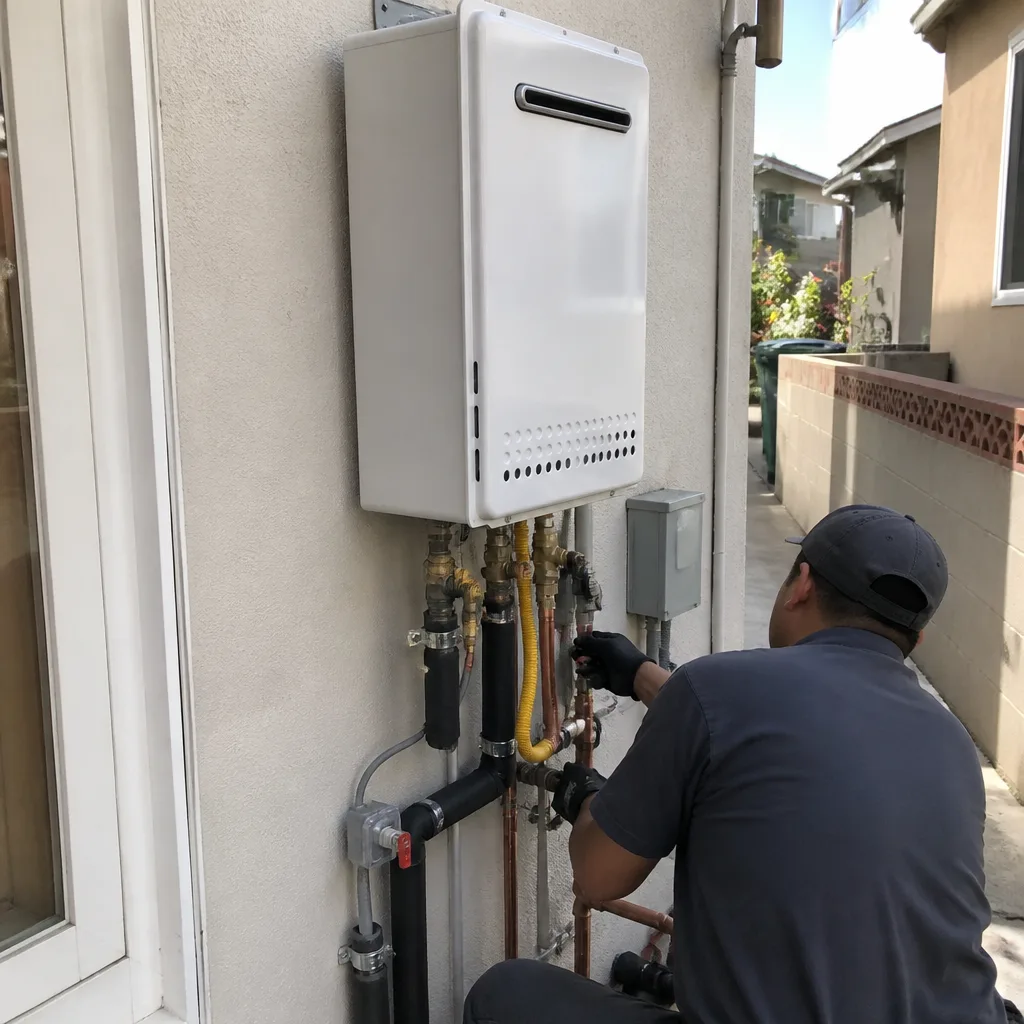 After
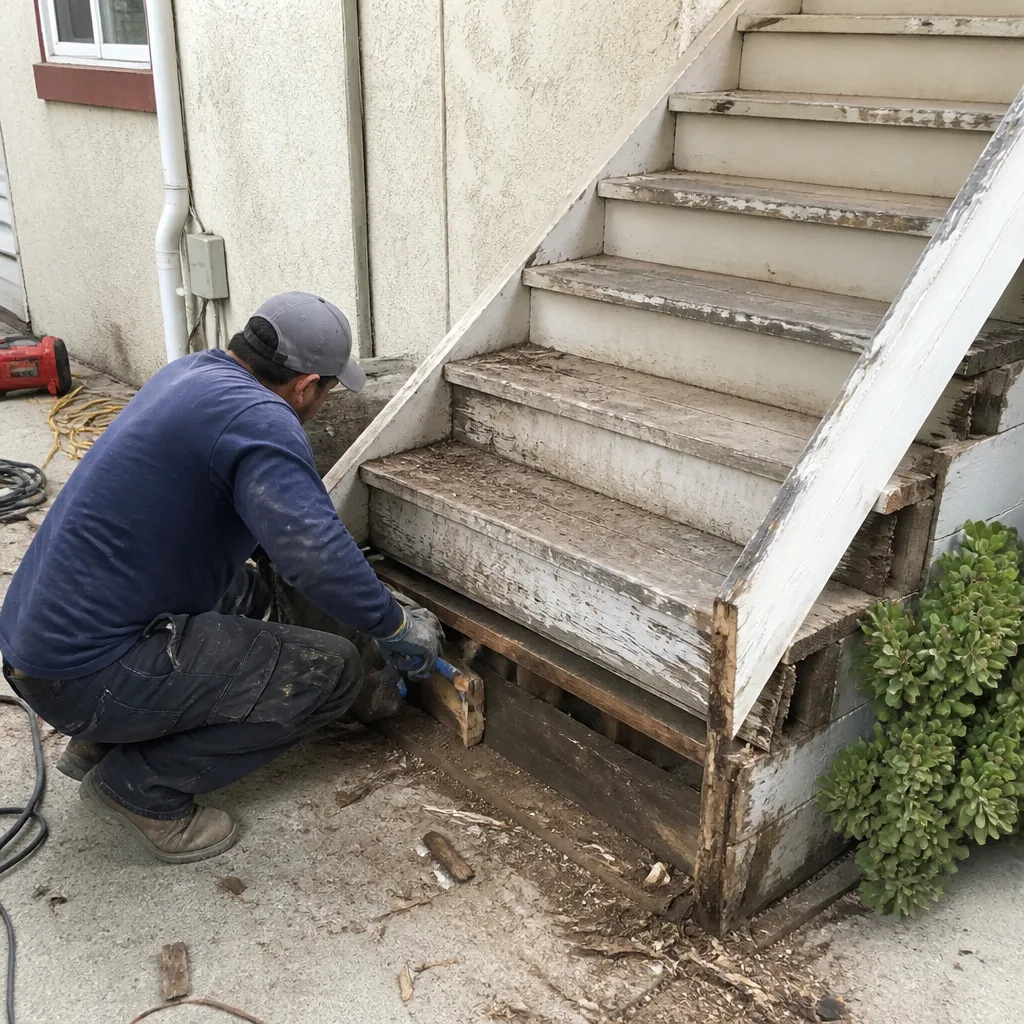 Before
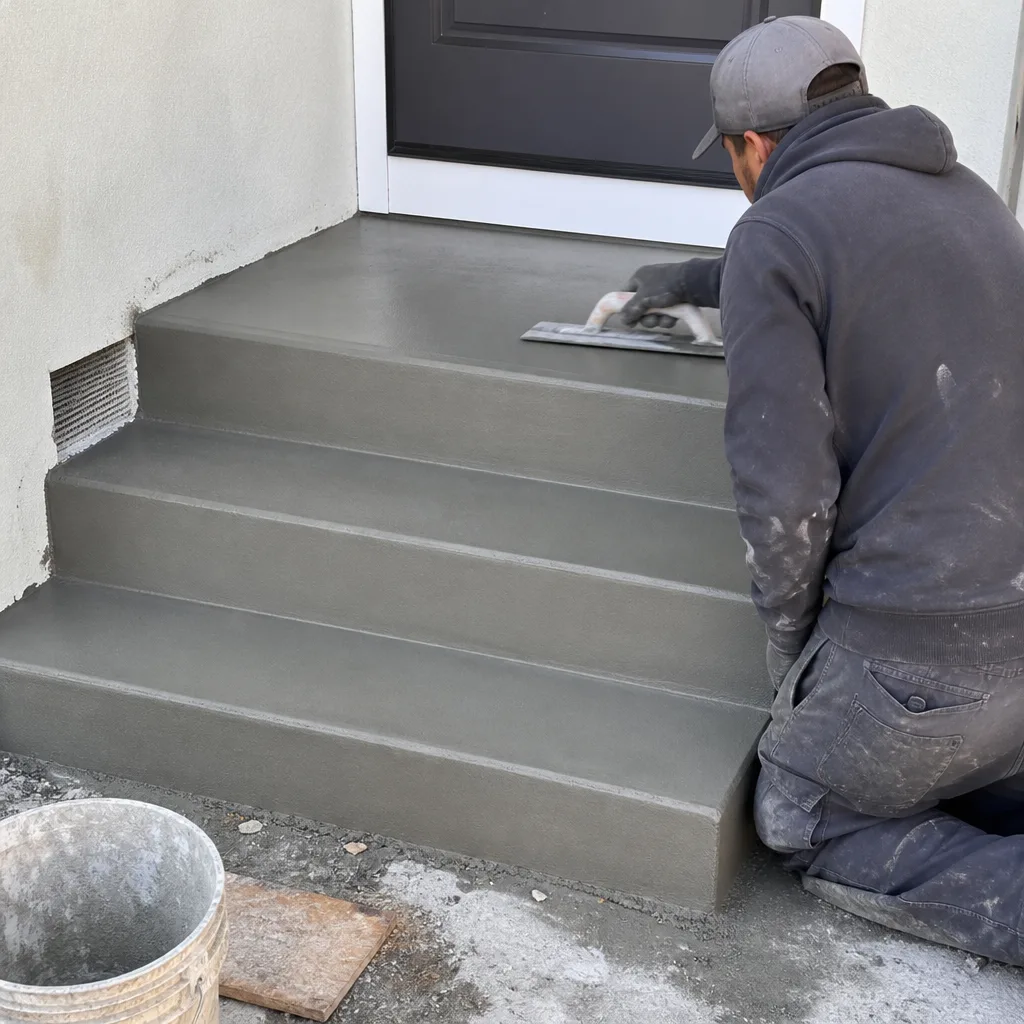 After
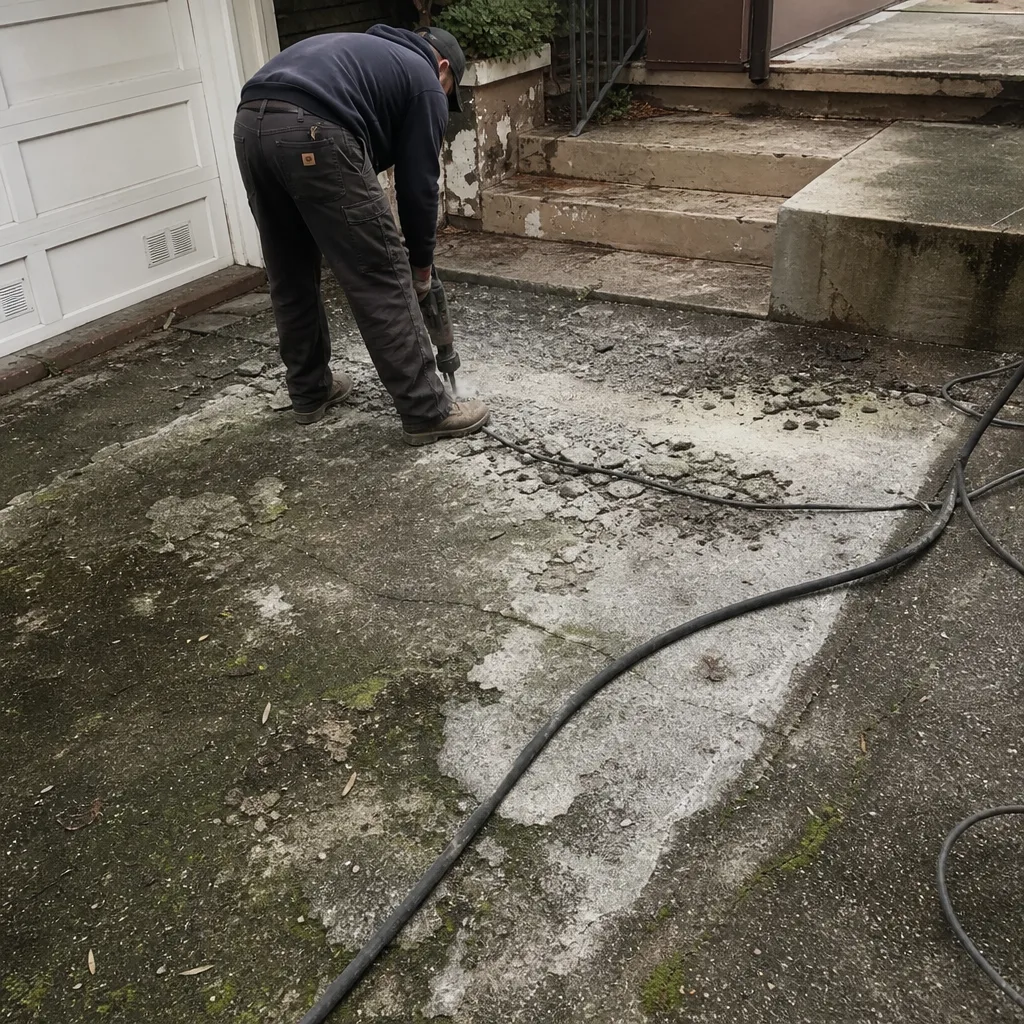 Before
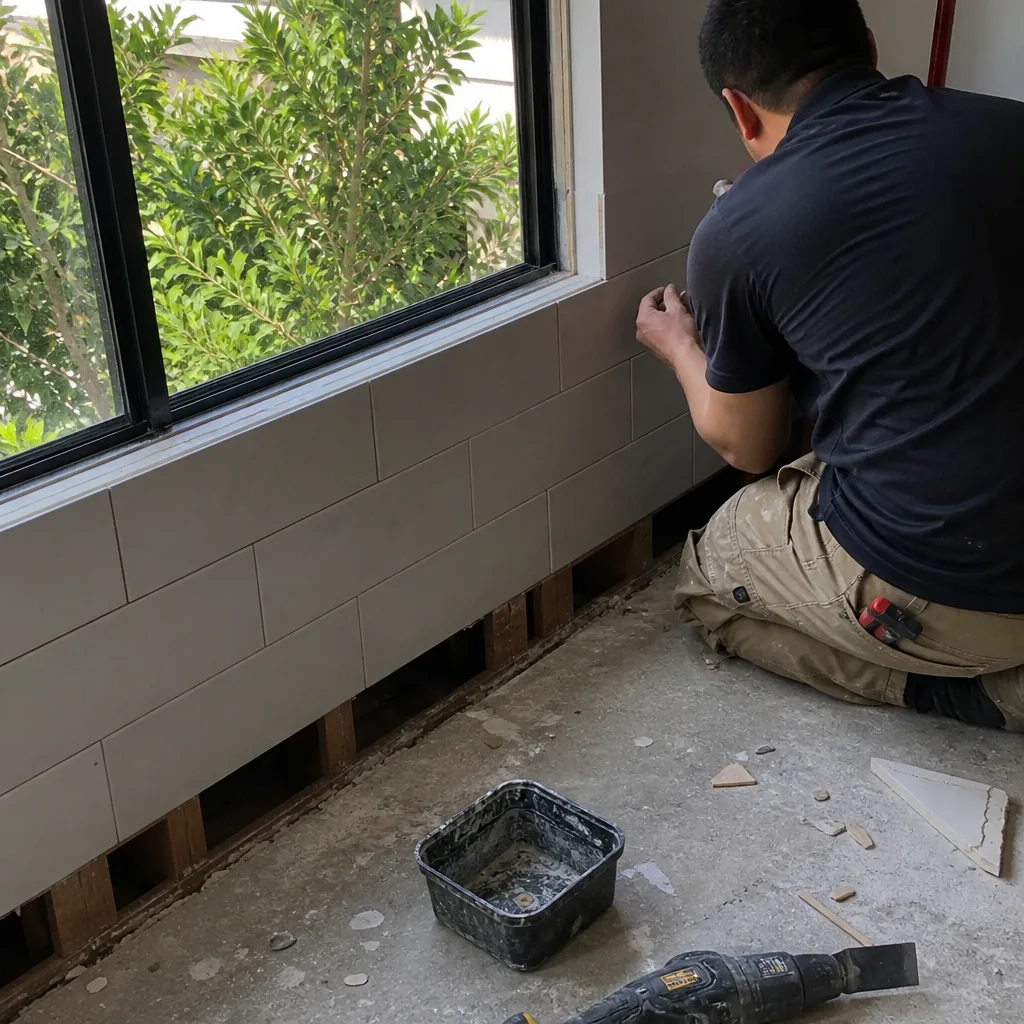 After
When to Call a Professional
Some emergencies are genuinely DIY-manageable: a dripping faucet, a small drywall crack, a single shingle that lifted in a minor storm. Many Chinatown situations are not. Call a professional when water is running from a failed supply line and you can’t stop it at the source, when you see structural cracks that are new or moving, when a roof breach involves more than a small visible tear, when gas is present or suspected, when you need a building permit for the repair scope (see our guide to Construction Permits, Codes & Inspections in CA: What You Need to Know), and when shared walls or shared structural elements are involved. If you’re not certain whether you can safely assess the situation, you can’t, and the call is cheaper than the alternative. Timberline Contractors offers free estimates in Chinatown, call (866) 253-5808.
Frequently Asked Questions
The most common construction emergency in Chinatown homes is water intrusion from a roof breach or failed plumbing supply line, and the damage is amplified by shared walls and multi-story construction that lets water travel far from the original source. We see more water-related emergencies than seismic, fire, or structural events combined, and they happen every winter.
Emergency roof tarping in Chinatown typically costs between $500 and $1,500 depending on roof access, roof size, and how quickly the crew can respond. The tarping itself is a temporary measure; the permanent repair cost depends on the roof system and the extent of the water damage underneath. Call (866) 253-5808 for an exact quote; estimates are free.
In many Chinatown buildings, you can shut off your own unit-level water supply if your unit has a dedicated shutoff valve, but in older buildings without unit-level valves, you may need access to the building main, which may require a curb key or building management assistance. Know which scenario applies to your unit before the emergency; discovering it during a leak is too late.
Most insurance policies require you to mitigate damages promptly and to notify the insurer within a reasonable timeframe, but there is no fixed hour count. The practical answer: document before you clean, call your contractor first, and file the claim within 24-48 hours if the damage is significant. Delays that allow secondary damage, like mold from unmitigated water, can reduce your settlement.
Notify your neighbor immediately, document the damage with timestamped photos, and call your general contractor to assess the scope and source. If your neighbor is unresponsive or the building owner is involved, your insurance agent can advise on the claim path. The source of the leak determines liability, and your contractor’s documentation establishes that source.
Timberline Contractors handles emergency repairs, including water damage mitigation, roof tarping, structural assessment coordination, and full repair scopes for older Chinatown buildings. Our team knows the building configurations, the shared-wall liability patterns, and the permit requirements specific to Chinatown. Call (866) 253-5808 for a free estimate.
The Bottom Line
Construction emergencies in Chinatown are not generic, and your preparation shouldn’t be either. The buildings are older, the walls are shared, the roofs are flat, and the shutoffs are non-standard, which means the homeowner who knows their building’s specific configuration has a measurable advantage when something fails. Your contact list should be sequenced, your shutoffs should be tested, your roof should be inspected before the storm season, and your documentation protocol should be practiced before you need it. The $40,000 water event is preventable; the $2,000 early-intervention is not. Preparedness costs nothing but attention. Timberline Contractors works with Chinatown homeowners on the full scope, from emergency response to complete renovation, with access to 50-plus vetted brand partners covering every material and every trade. One contractor, every phase. Call (866) 253-5808 to discuss your building’s specific risk profile and emergency plan.
Written by the team at Timberline Contractors, serving Chinatown since 2018.