
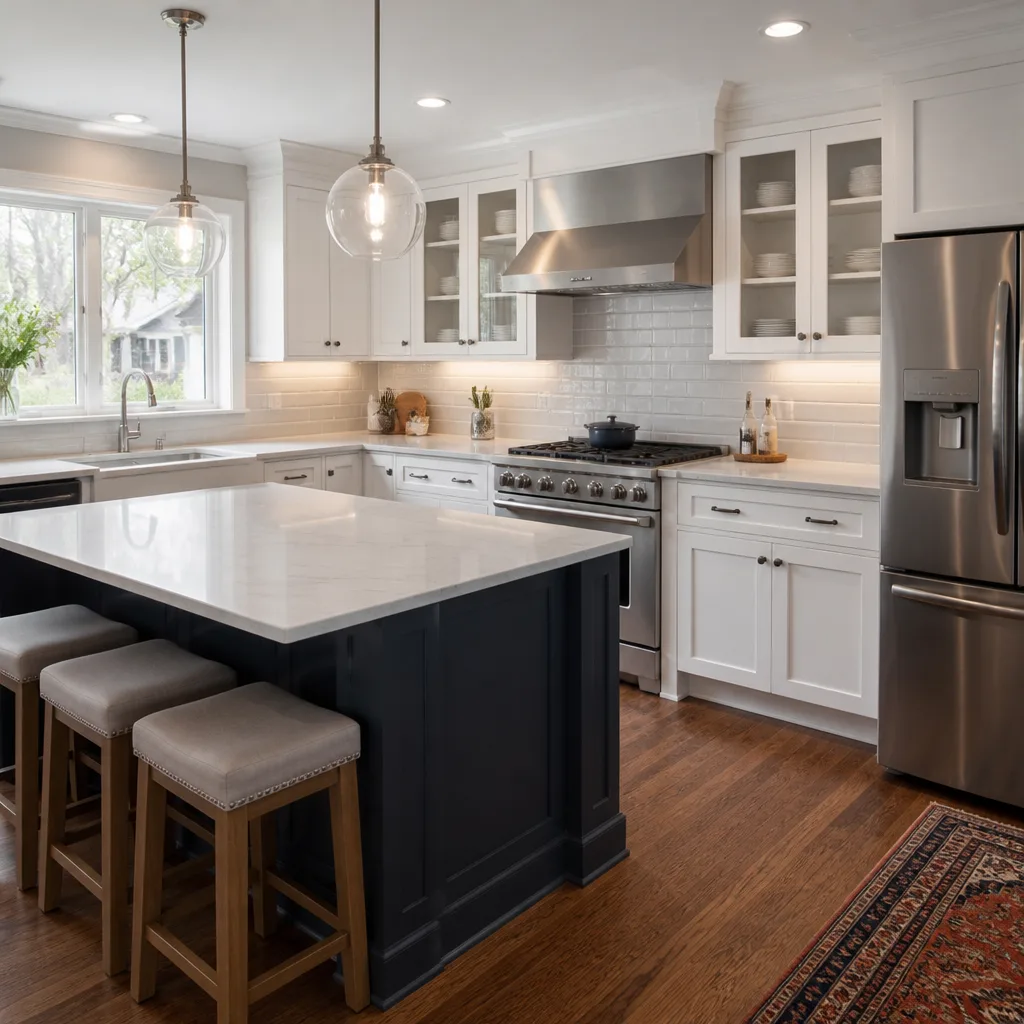
 Kitchen remodeling
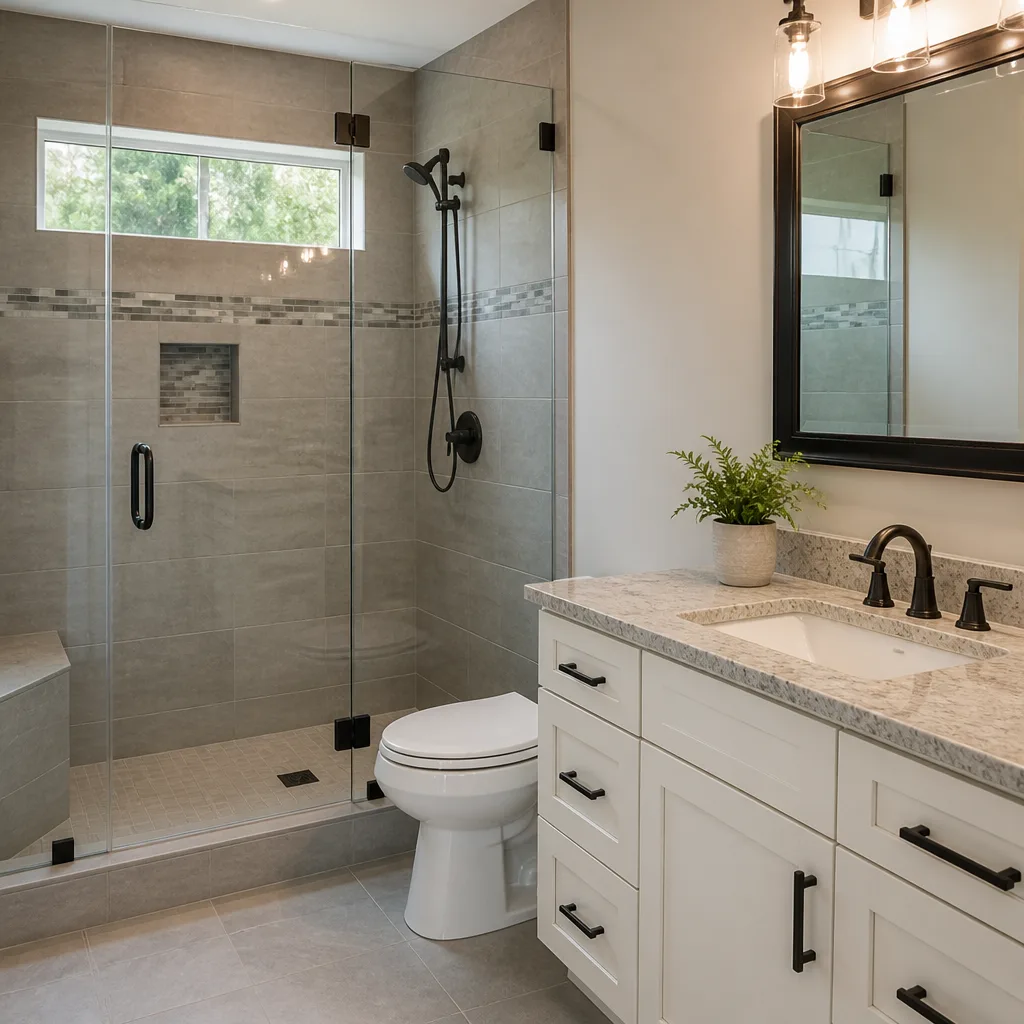 Bathroom remodeling
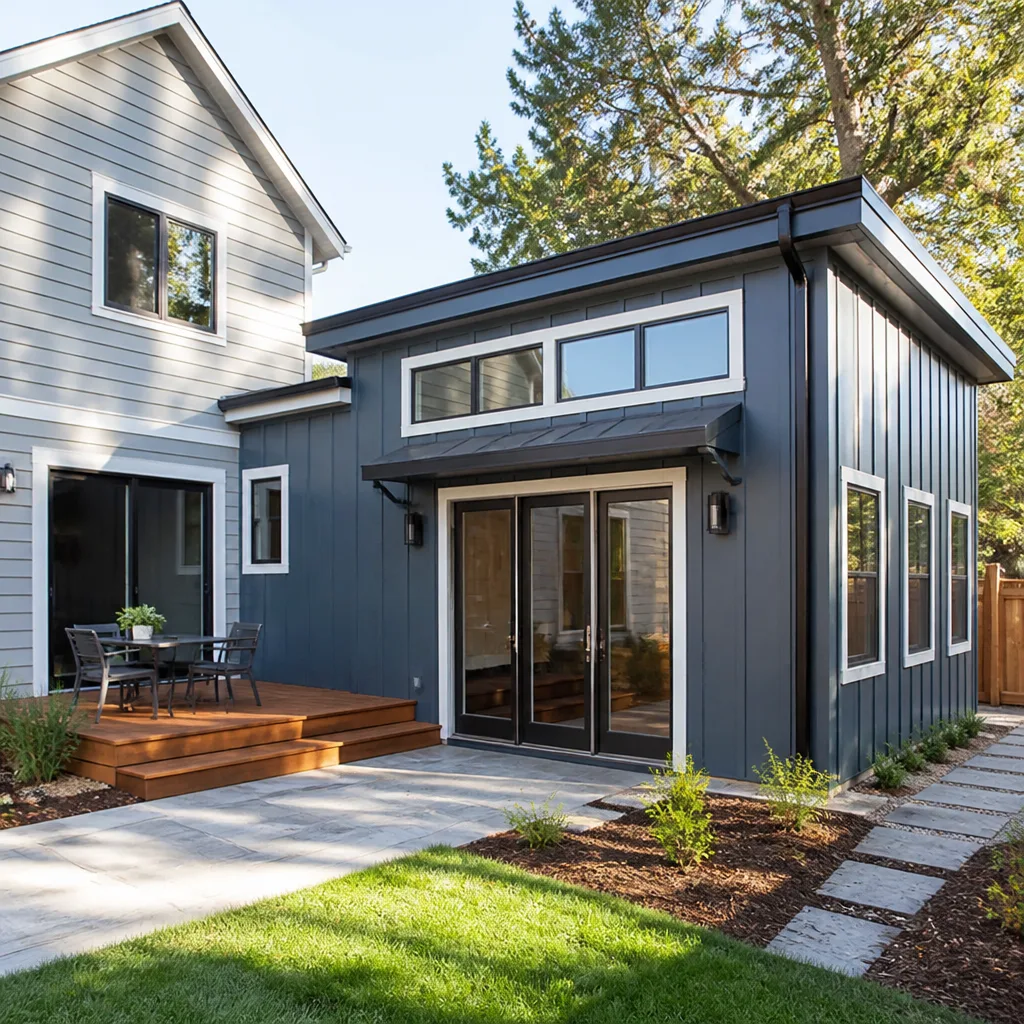 Home additions & ADU
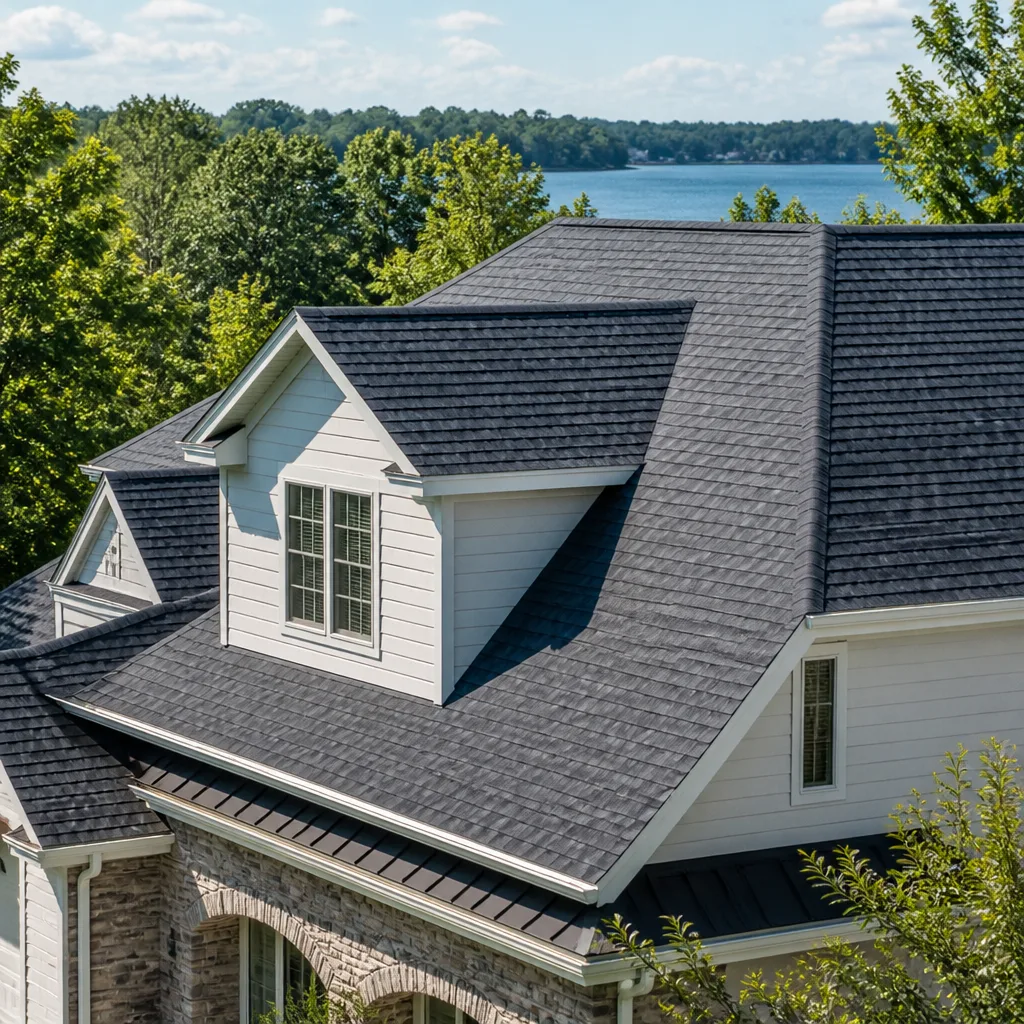 Roofing
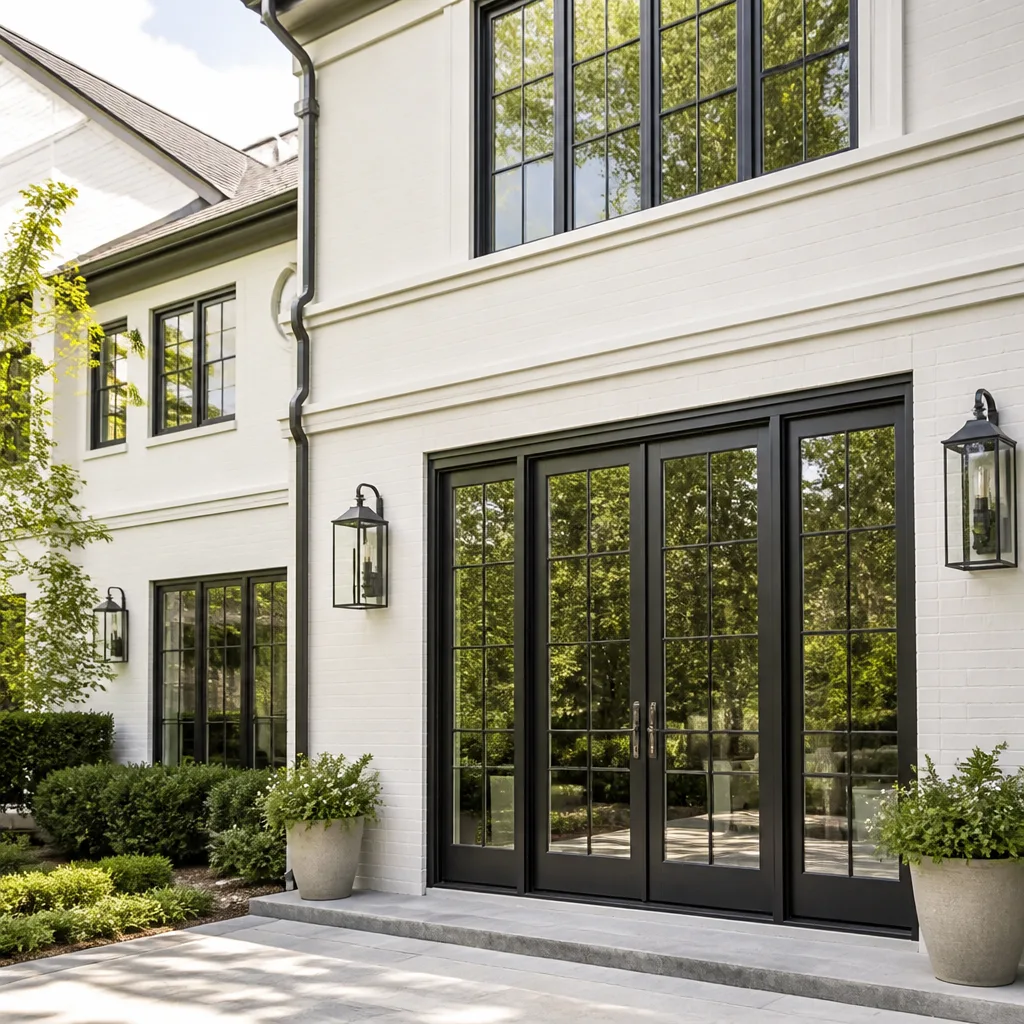 Windows & doors
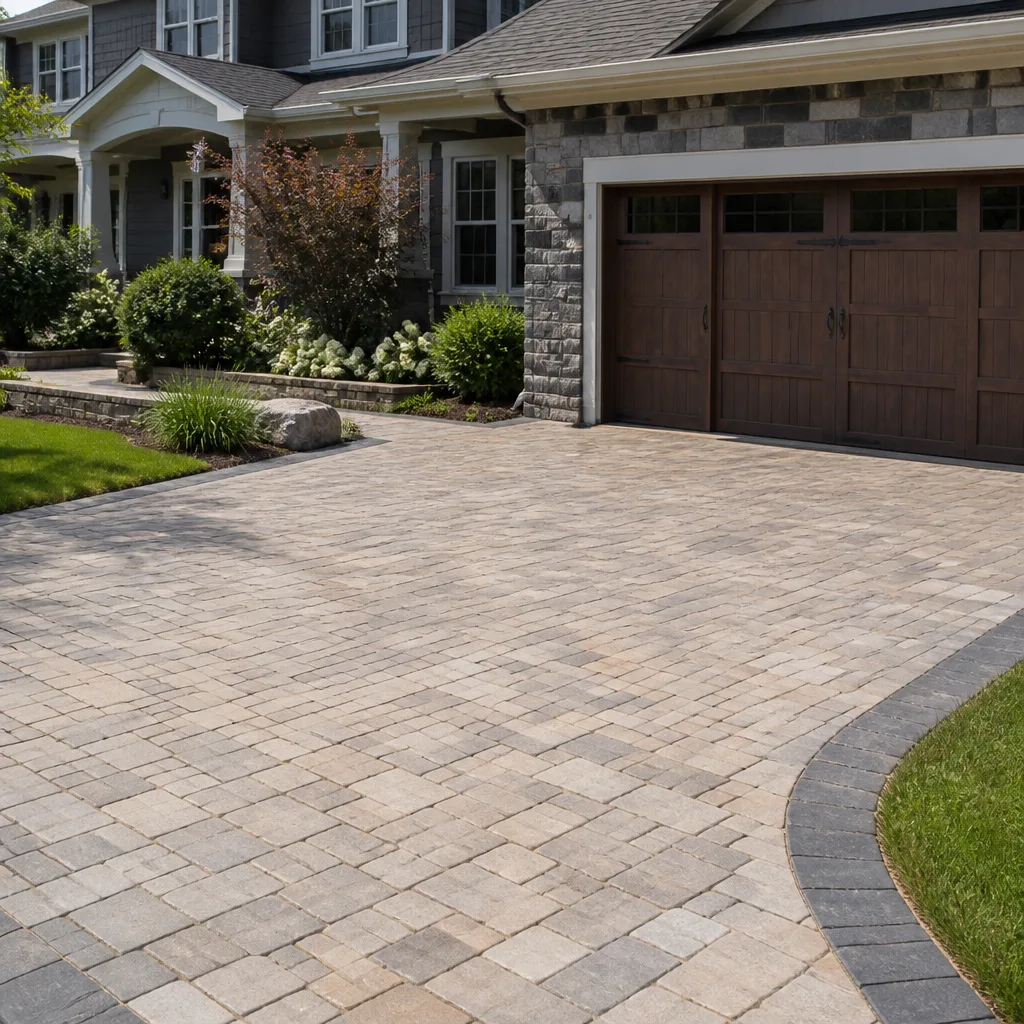 Driveway & pavers
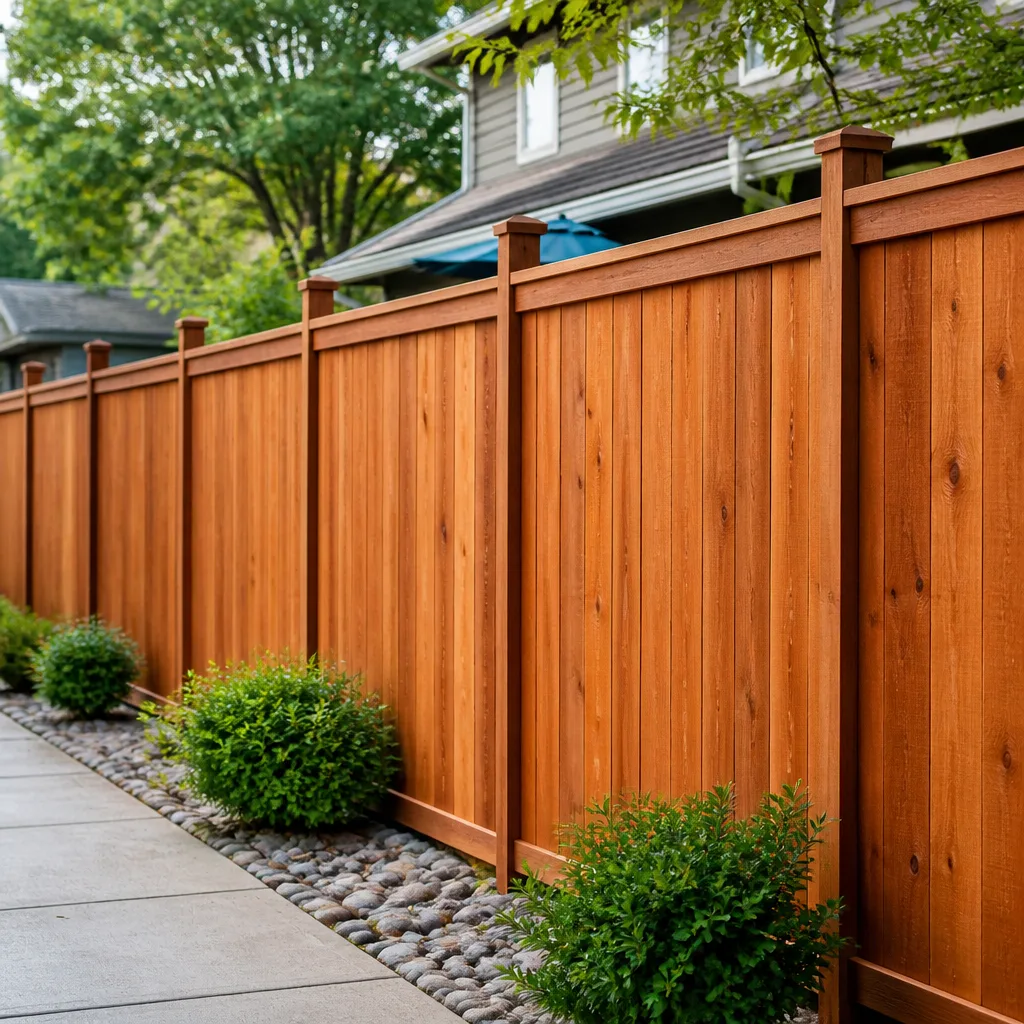 Fence
Free written scope consultation - allowances, timeline, and change-order rules on paper before a single trade is scheduled
Styles & brands we work with
See the difference
 Before
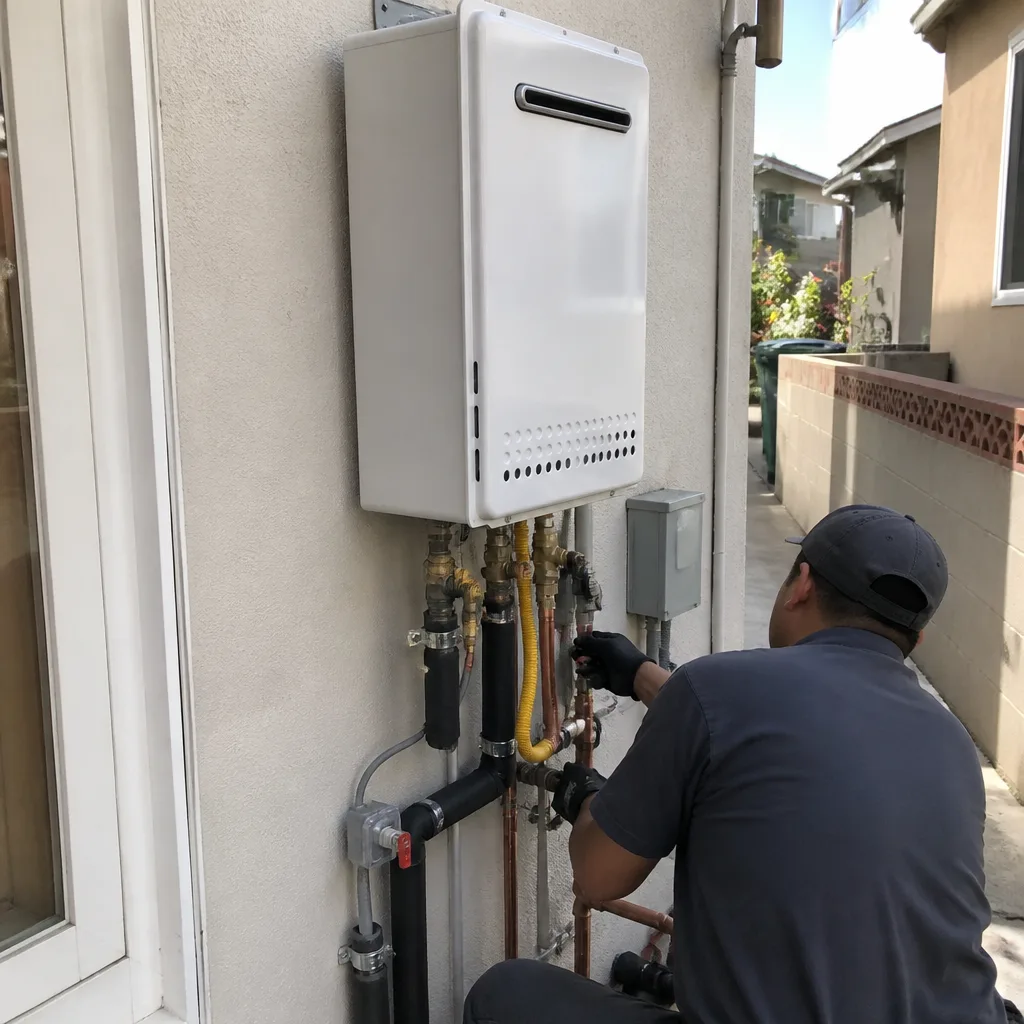 After
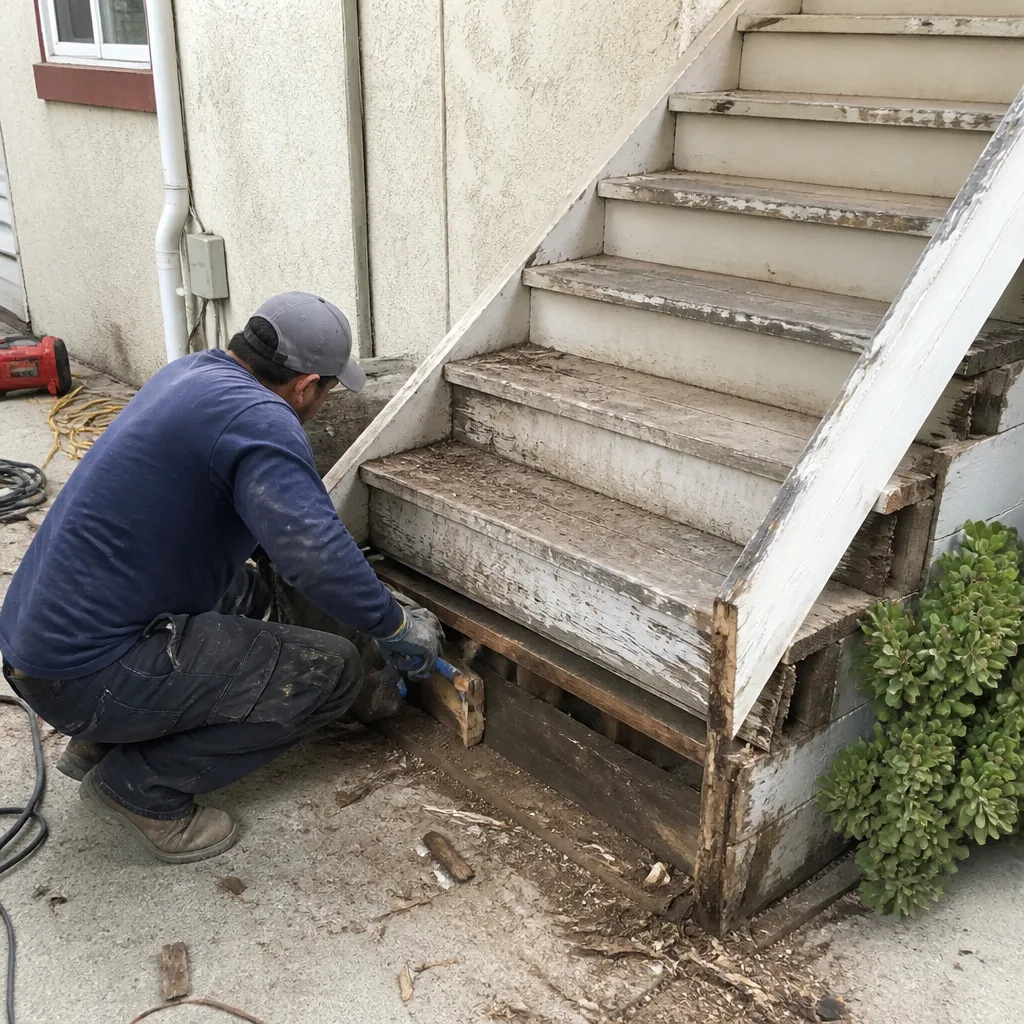 Before
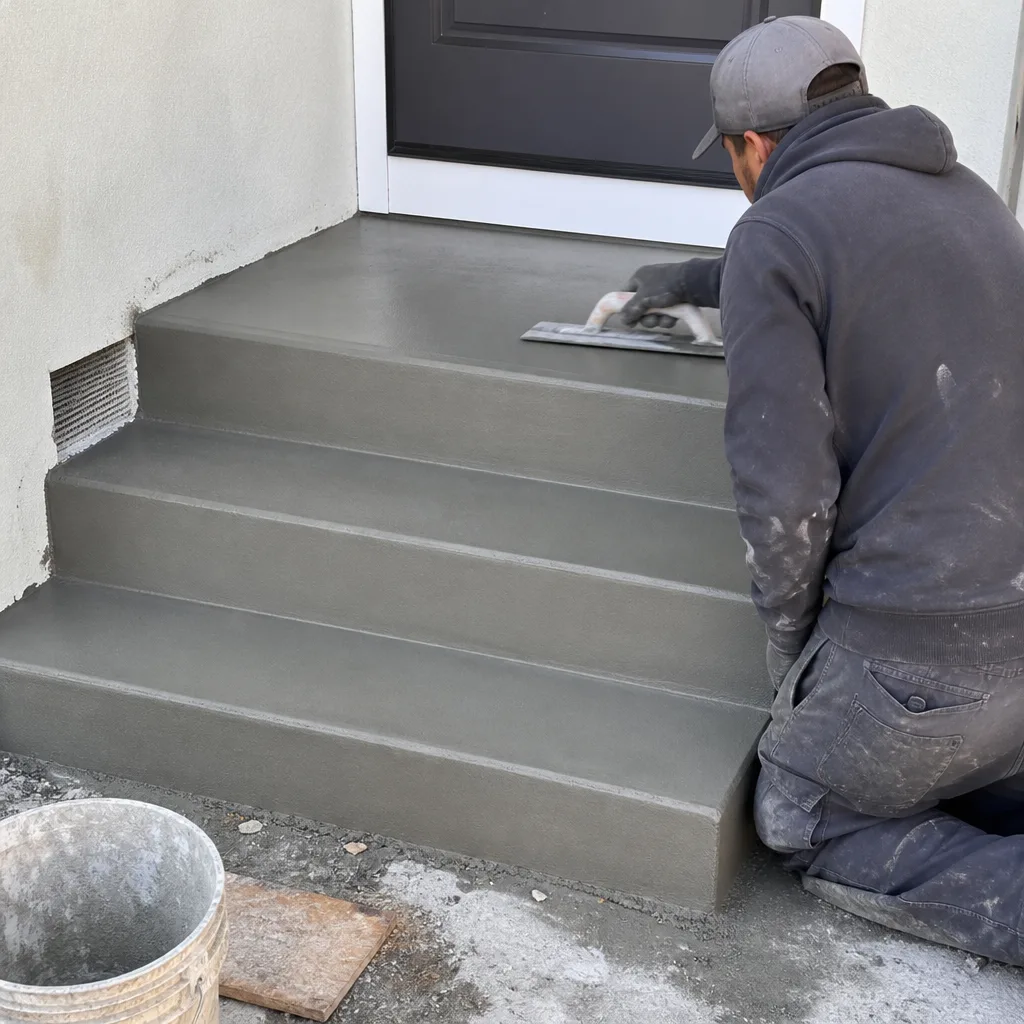 After
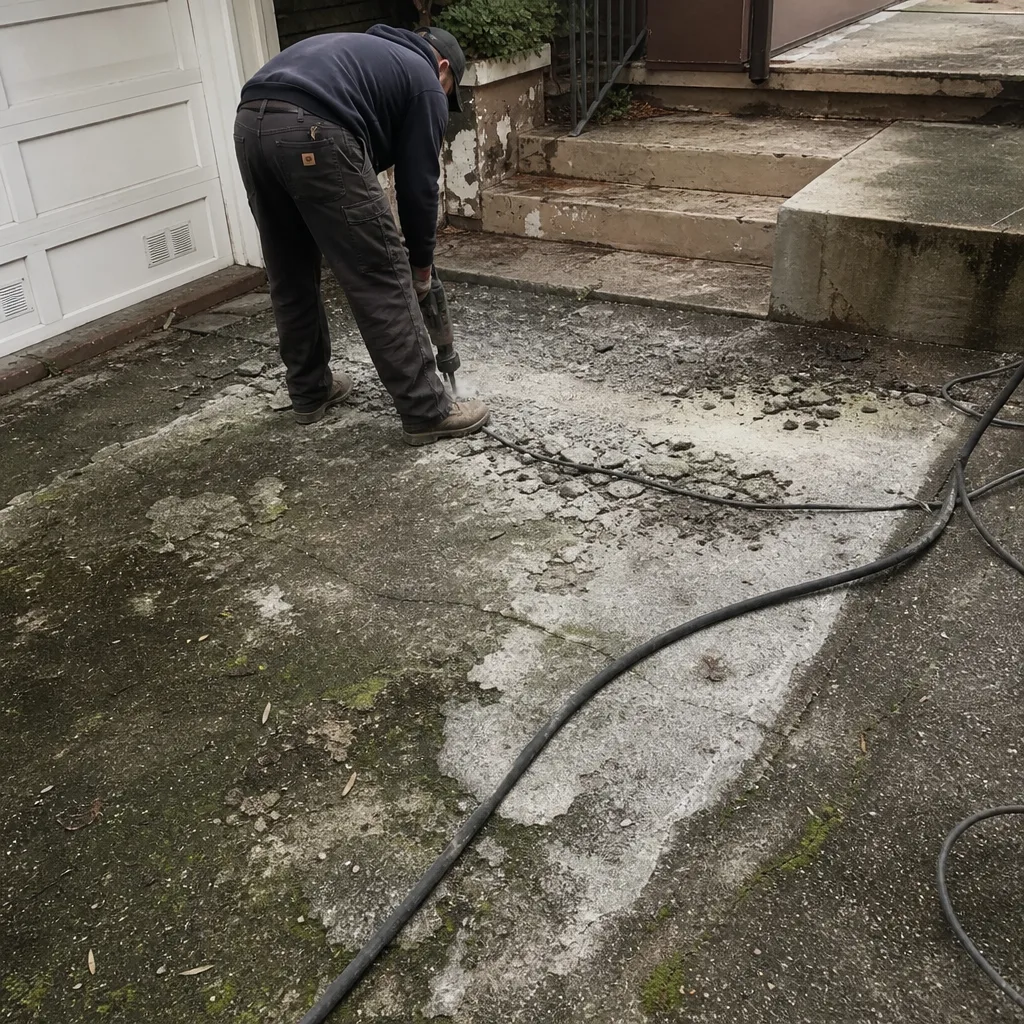 Before
 After
How Much Does Kitchen Island Installation Cost in Chinatown?
Kitchen island installation in Chinatown runs $3,000 to $10,000 for most homes, with the typical project landing near $5,500. A freestanding island with a butcher-block or laminate top sits at the low end, while a built-in island with Cambria or Caesarstone, a sink, and electrical usually pushes toward $10,000. Same-day site visits are available, and every estimate is free.
We’re Timberline Contractors, and we’ve installed islands in everything from narrow walk-up flats off Grant Avenue to post-war houses in the surrounding blocks. What we can tell you up front: the price swing on an island isn’t the labor. It’s the countertop, the cabinet line, and whether your floor and wiring can handle what you’re asking the island to do. Here’s how the numbers break down for 2026.
Kitchen Island Installation Cost Breakdown (2026)
Here’s how a Chinatown island project typically breaks into line items. These ranges cover materials and installation together unless noted.
| Line Item | Typical Cost Range | Notes |
|---|---|---|
| Base cabinets (island carcass) | $900 – $2,800 | Stock to semi-custom lines; KraftMaid and Wellborn both fit this band |
| Countertop (quartz or granite) | $900 – $3,000 | Cambria and Silestone sit mid-band; Caesarstone toward the top |
| Countertop (butcher block or laminate) | $400 – $1,200 | Lowest-cost surface that still looks intentional |
| Electrical drop or relocation | $300 – $1,400 | Outlets, pendant lighting, or appliance circuits |
| Plumbing rough-in (sink or prep sink) | $400 – $1,800 | Only applies if the island carries a sink or dishwasher |
| Overhang support / seating structure | $200 – $900 | Corbels or a freestanding base for counter-height seating |
| Labor and install | $700 – $1,800 | Includes leveling, scribing to walls, and setting the top |
| Permit and inspection | $150 – $650 | Required when electrical or plumbing is added in most Chinatown properties |
| Total installed | $3,000 – $10,000 | Most projects land near $5,500 |
The single biggest lever is the countertop. The gap between a laminate top and a Caesarstone slab can eat half your budget on its own. Cabinetry is second, and it’s where homeowners get lost in showroom catalogs. We bring the showroom to the project so you can compare KraftMaid and Wellborn door profiles side by side instead of guessing from a photo.
Labor runs higher in Chinatown than in newer suburbs, and there’s a reason. Older buildings here tend to have out-of-square walls, floors that have settled, and original subfloor that needs leveling before anything heavy lands on it. An island is dead weight in the middle of a floor, so it has to be set level or the doors never align cleanly. That prep work shows up in the labor line, and skipping it is how homeowners end up with a wobbly island six months later.
What Affects Kitchen Island Installation Pricing in Chinatown
Five factors move the price more than anything else. Knowing which ones apply to your kitchen tells you a lot about where you’ll land before anyone measures.
- Countertop material tier. This is the biggest swing. Laminate or butcher block keeps you near the $3,000 floor. Cambria, Silestone, or Caesarstone quartz typically adds $1,500 to $3,000 over a basic top. If you’re weighing quartz against natural stone, see our countertop installation in Chinatown guide for the material-by-material comparison.
- Size and footprint. A 36-inch-wide island leaves more floor intact and costs less to build. A 7-foot island with a seating overhang on two sides needs structural support under the cantilever and a bigger slab, and both add cost. Chinatown kitchens are often tighter than what you see in renovation magazines, so we plan islands that actually preserve walkway clearance around the work triangle.
- Electrical and plumbing runs. Adding an outlet, a pendant circuit, or a prep sink means running lines through an existing floor or wall. In older Chinatown buildings that can mean fishing through a finished ceiling or opening a small section of wall. Budget $300 to $1,800 depending on how far the nearest source is.
- Cabinet line and door style. Stock cabinets in a simple door profile sit at the bottom of the cabinet range. Semi-custom lines with inset doors, custom finishes, or soft-close hardware throughout move toward the top. We work with KraftMaid and Wellborn specifically because both give a real step-up in construction without jumping to full custom pricing.
- Permits and building requirements. Any island that adds electrical or plumbing generally needs a permit, and Chinatown’s older building stock sometimes triggers additional inspection steps. We pull the permit and handle the inspection as part of the project, so this line lands in the estimate instead of surprising you mid-build.
- Floor leveling and subfloor repair. Settled floors are common in Chinatown’s pre-war and post-war housing. If the island footprint sits on an uneven subfloor, we level it before setting cabinets. It’s a small line item that prevents a much larger problem later.
One thing we want to be straight about: an island is not always the right answer. If the room is tight enough that an island would block the path between the range and the sink, a peninsula is often the better call and fits a smaller budget. Our team will tell you that on the first visit instead of selling you an island you’ll regret. If you want the full picture of how an island fits into a broader renovation, our kitchen remodel in Chinatown page covers scope and sequencing.
How to Save on Kitchen Island Installation
You can trim real money off an island project without cutting into the parts that matter. Here’s where we point homeowners first.
- Choose a mid-tier quartz instead of the top slab. Silestone and Cambria sit in the middle of the quartz market and hold up as well as anything above them. The performance difference between a $90-per-square-foot quartz and a $130 one is mostly visual, not structural. You get a surface that lasts decades at the lower price.
- Keep the island freestanding where possible. An island that isn’t attached to a wall or carrying plumbing costs less to install. Skip the sink and dishwasher, and you drop the plumbing rough-in line entirely.
- Stick with stock or semi-custom cabinets. Full custom cabinetry is where budgets quietly double. KraftMaid and Wellborn both offer door profiles and finishes that read as high-end without the custom lead time or the custom invoice.
- Bundle the island with the rest of the kitchen. If you’re already replacing cabinets or counters, adding the island to the same job spreads the mobilization and permit costs across more work. A standalone island costs more per square foot than an island built into a larger remodel. Our cabinet installation in Chinatown guide lays out what the cabinetry side of that looks like.
- Get the free estimate before you buy anything. The most common mistake we see is a homeowner buying a slab or a cabinet line before anyone measures the room. Call (866) 253-5808 and we’ll walk the space, flag what the floor and wiring will actually need, and give you a written range you can plan around. There’s no charge for that visit.
If the island is part of a smaller kitchen update, our small kitchen remodel in Chinatown page covers how to get more function out of a tight footprint without overspending. And if you’re still deciding whether the island belongs now or later, our Kitchen Island Installation in Chinatown page breaks down the design and site-planning side in detail.
What’s Included in a Kitchen Island Installation at Timberline?
A full installation covers the base cabinet build, leveling and scribing to your floor and walls, the countertop template and install, and any electrical or plumbing rough-in you’ve approved. We also handle the permit and the inspection. You get one contract and one point of contact for all of it, which matters when an island touches cabinets, counters, wiring, and sometimes plumbing at the same time.
That scope is the reason we operate as a general contractor rather than a countertop shop or a cabinet dealer. When the island also means a backsplash installation in Chinatown to tie the room together, or a small wall repair behind the old layout, it stays inside the same job instead of turning into a second contract with a second crew. Tile work on an island’s surrounding backsplash gets the Schluter waterproofing system where it’s called for, which is the kind of detail that prevents moisture problems behind a finished wall.
The material side is where the 50-plus brand roster earns its keep. Cambria and Silestone for quartz. KraftMaid and Wellborn for cabinetry. Kohler and Blanco for a prep sink if you add one. Delta and Moen for the faucet. Grohe if you want to step up. All chosen within the same project and the same contractor relationship, so you’re not chasing three showrooms and hoping the lead times line up.
If your plans reach past the kitchen, the same general-contractor scope covers the rest of the house. We handle bathroom remodel in Chinatown work, roof replacement in Chinatown, and window replacement in Chinatown under the same umbrella, bringing GAF and CertainTeed roofing and Therma-Tru or PGT windows to the project. For homeowners thinking about adding livable square footage rather than reworking what’s there, we also build ADU construction in Chinatown through partners like Abodu and Mighty Buildings. One contractor, every phase, from the foundation to the ridge cap. You can see the full scope on our home page.
FAQs – Kitchen Island Installation Cost
How much does a kitchen island cost in Chinatown?
A kitchen island in Chinatown costs $3,000 to $10,000 installed, with most projects near $5,500. A basic freestanding island with a butcher-block or laminate top sits near $3,000. A built-in island with quartz, a prep sink, and electrical moves toward $10,000. The spread comes down to countertop material and whether plumbing or wiring is added. Call (866) 253-5808 for an exact quote on your space; estimates are free.
Is it cheaper to repair or replace an existing island?
Repair is cheaper when the structure is sound and you’re only replacing the top: a new countertop on an existing island typically runs $400 to $3,000 depending on material. Full replacement at $3,000 to $10,000 makes sense when the cabinet boxes are failing, the island is poorly sized for the room, or you’re adding a sink or electrical. We’ll tell you honestly which side of that line your island sits on after we look at it. Call (866) 253-5808 to schedule the visit.
How long does kitchen island installation take in Chinatown?
Most island installations take two to four days on site, plus lead time for cabinets and the slab. Stock cabinets arrive in a week or two; semi-custom lines and quartz slabs often take three to six weeks. If the island also adds electrical or plumbing, add a day for the rough-in and inspection. The realistic timeline from signature to finished island is usually three to six weeks. Call (866) 253-5808 if you’re working against a deadline and we’ll tell you what’s achievable.
Do I need a permit for a kitchen island in Chinatown?
Yes, if the island adds electrical outlets, lighting, or a sink. Most Chinatown buildings require a permit and inspection for that work, and the cost runs $150 to $650. A freestanding island with no plumbing or wiring often needs no permit. We pull the permit and handle the inspection as part of the project, so it doesn’t fall to you. Call (866) 253-5808 and we’ll confirm what your specific kitchen needs.
Can I get a free estimate for my kitchen island?
Yes. Every estimate is free, and we’ll walk your kitchen, measure the space, check the floor and any wiring runs, and give you a written range in person. That visit is the fastest way to know whether your island lands near $3,000 or closer to $10,000. Call (866) 253-5808 to schedule it.
What’s the best countertop material for a kitchen island?
Quartz is the most practical choice for an island in the $1,500 to $3,000 range because it’s non-porous, resists staining, and doesn’t need sealing. Cambria, Silestone, and Caesarstone all hold up well for years of daily use. Butcher block runs cheaper and takes scratches gracefully, but it needs periodic oiling. Natural stone brings character but requires sealing. We’ll bring samples so you can see them against your cabinets before deciding.
Pricing reflects the Chinatown market as of 2026. Timberline Contractors offers free estimates – call (866) 253-5808.
What Our Customers Say
"Framing crew was meticulous and the walls are straight everywhere. Drywall goes on a lot better when the framing is right."
— Luis Mendoza"He was upfront about a soil issue that added cost early rather than absorbing it and surprising us at the end."
— Dana Fletcher"The foundation survey came back dead on. Everything downstream of that being square is the reason the rest of the build went smoothly."
— Oscar Salazar