
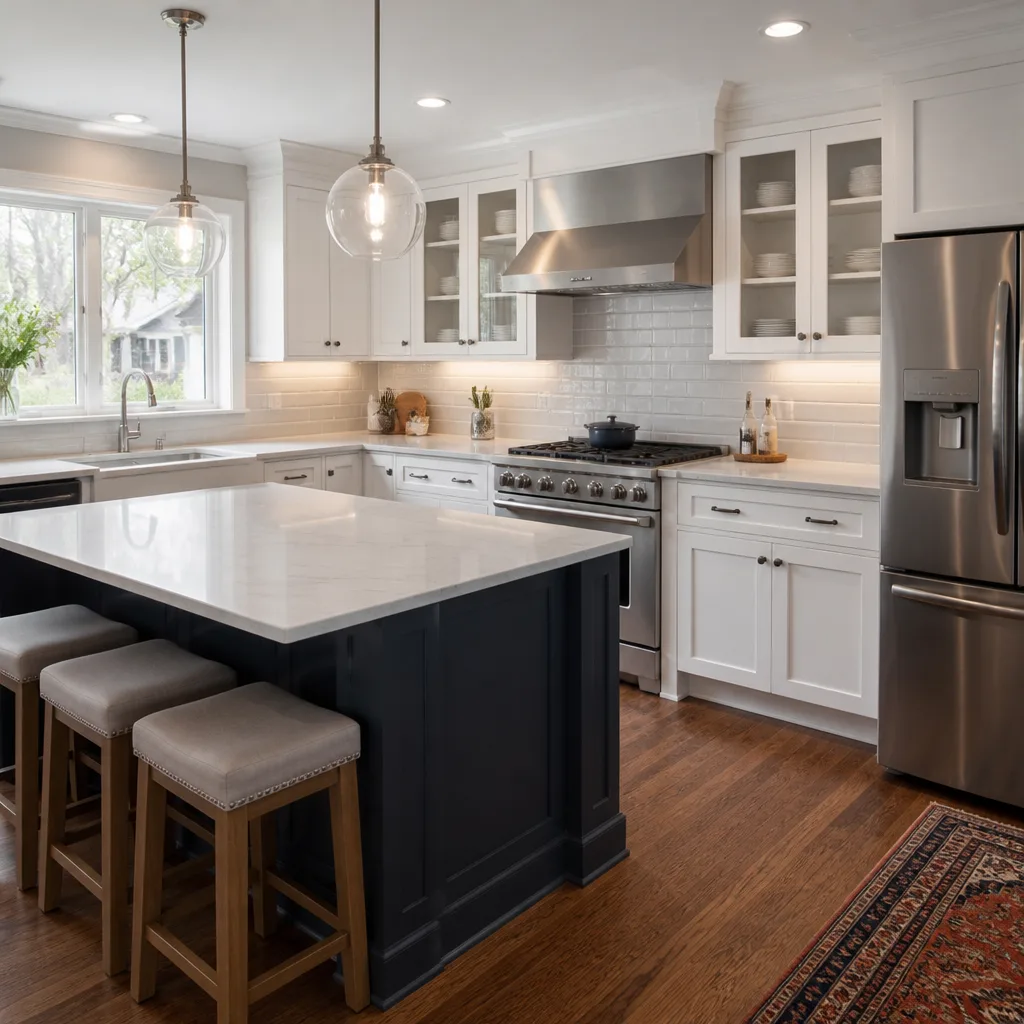
 Kitchen remodeling
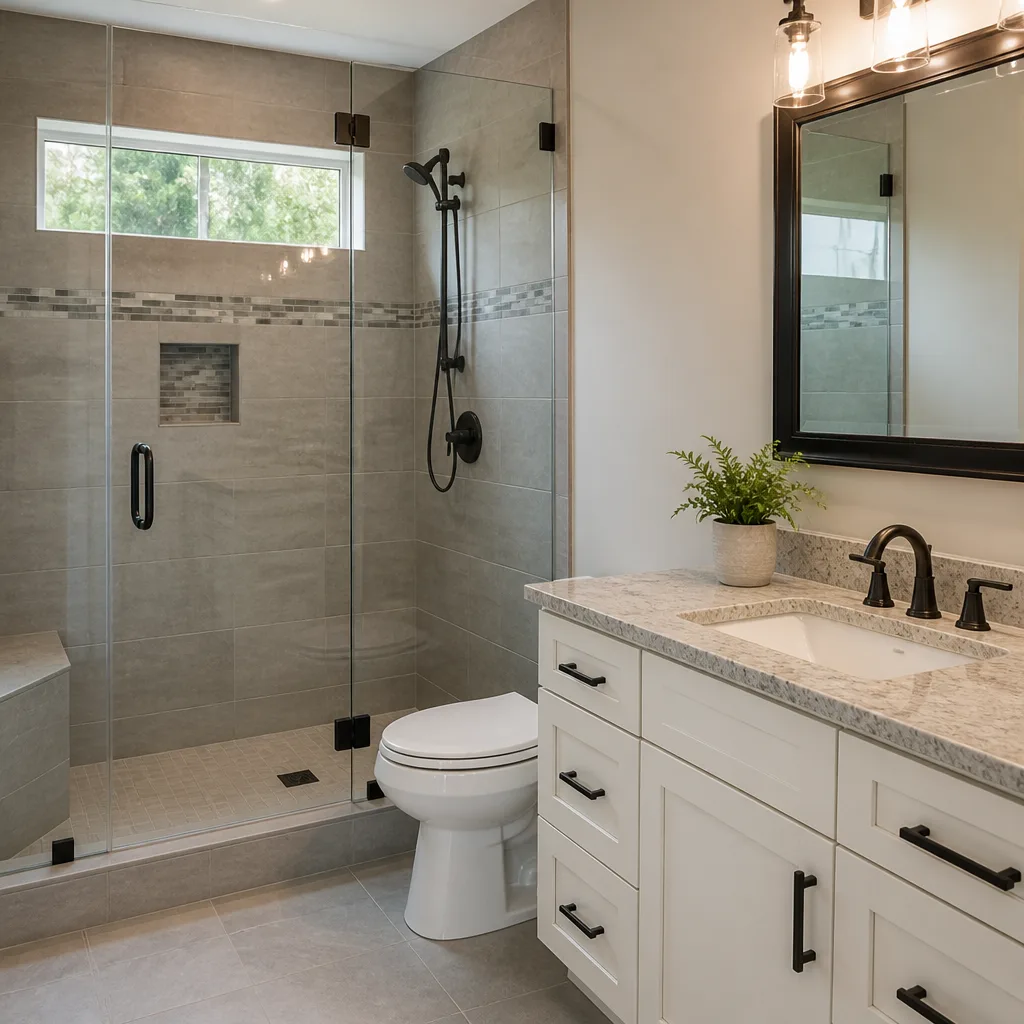 Bathroom remodeling
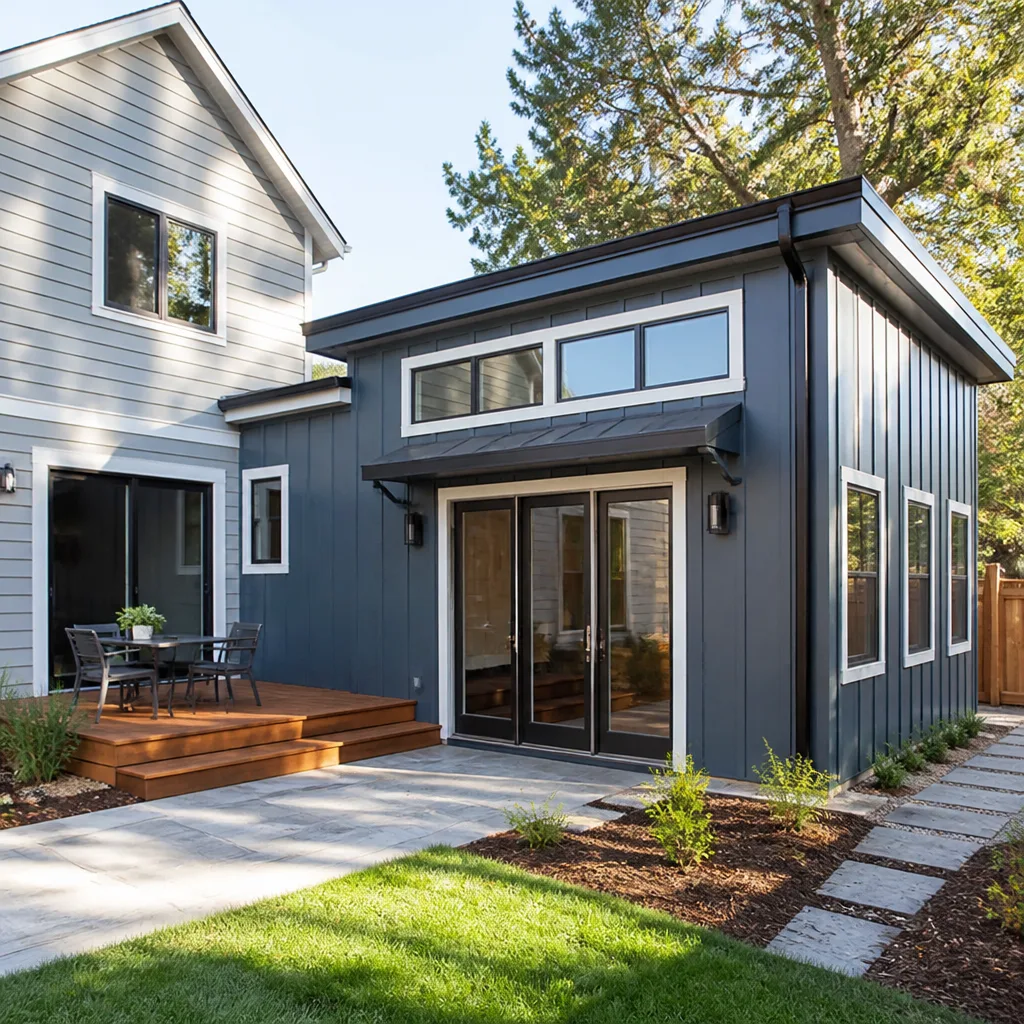 Home additions & ADU
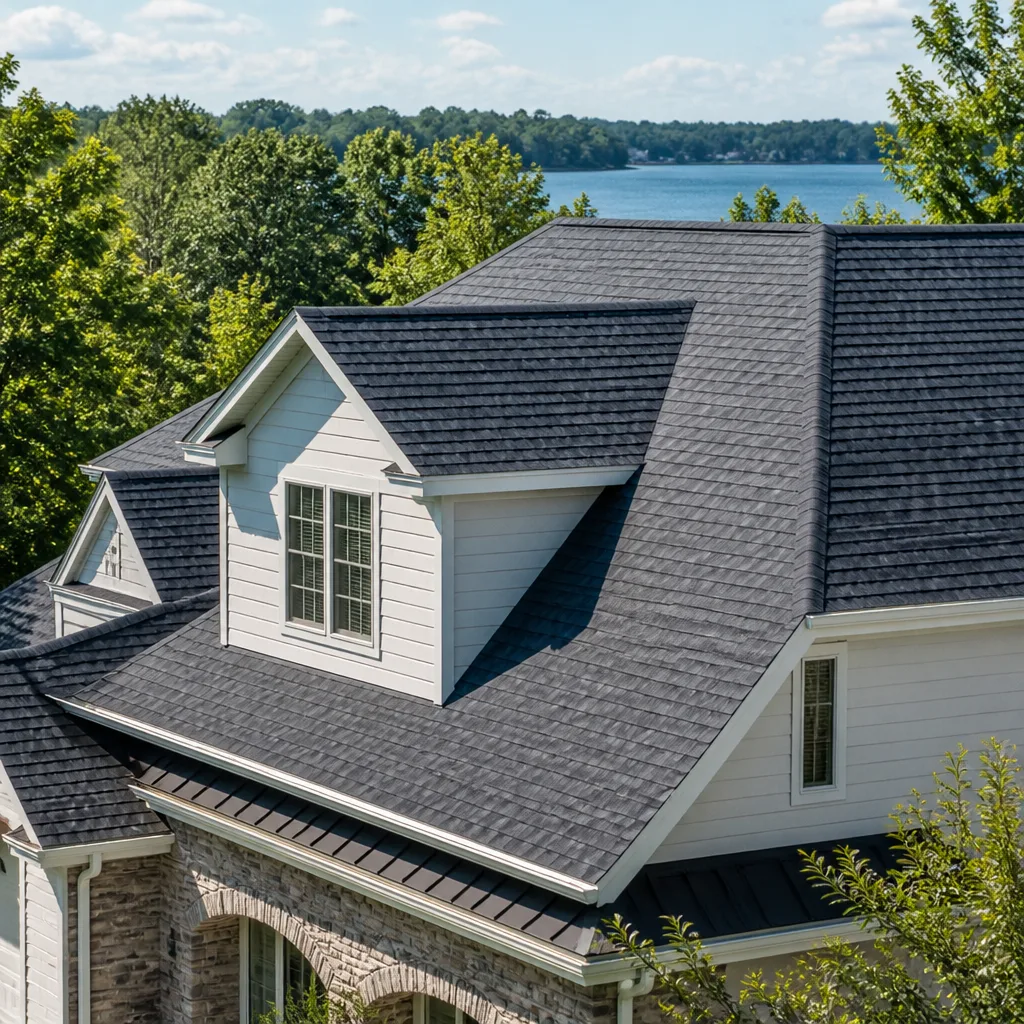 Roofing
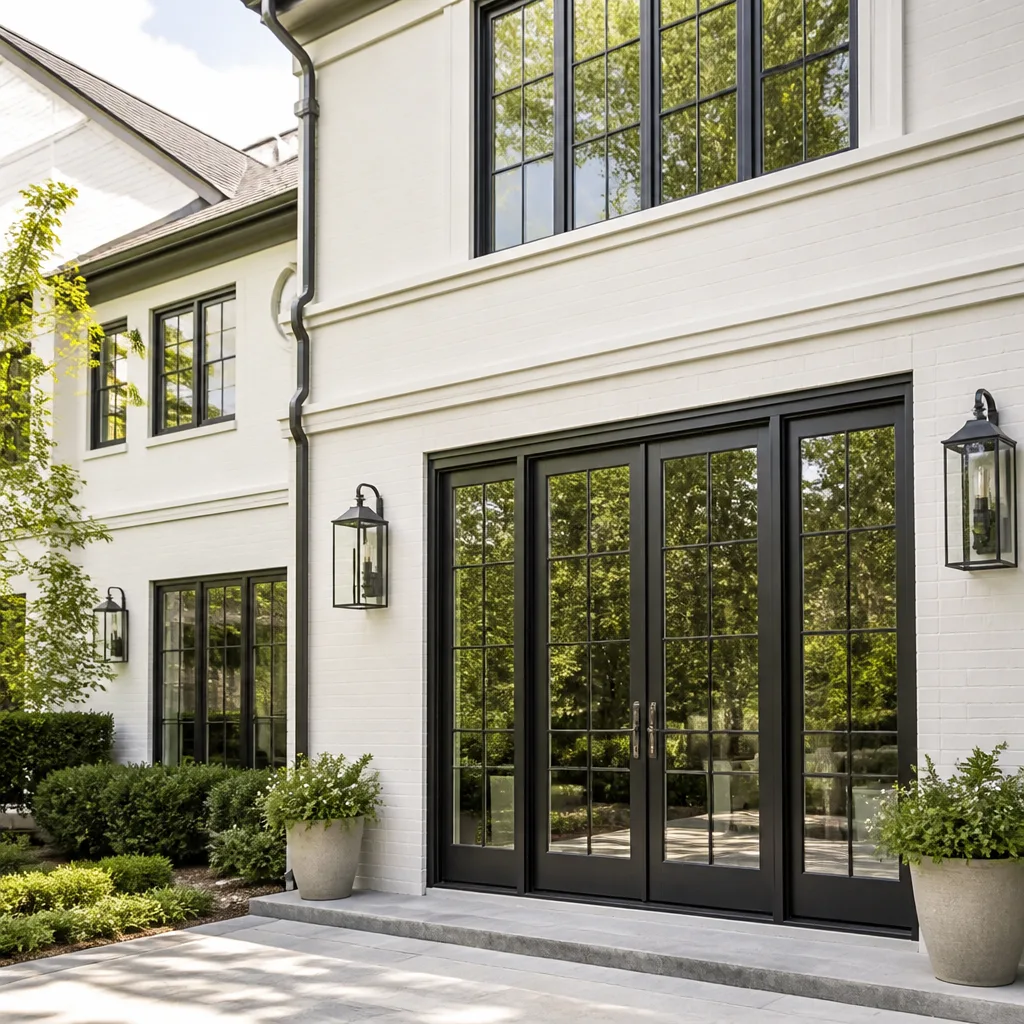 Windows & doors
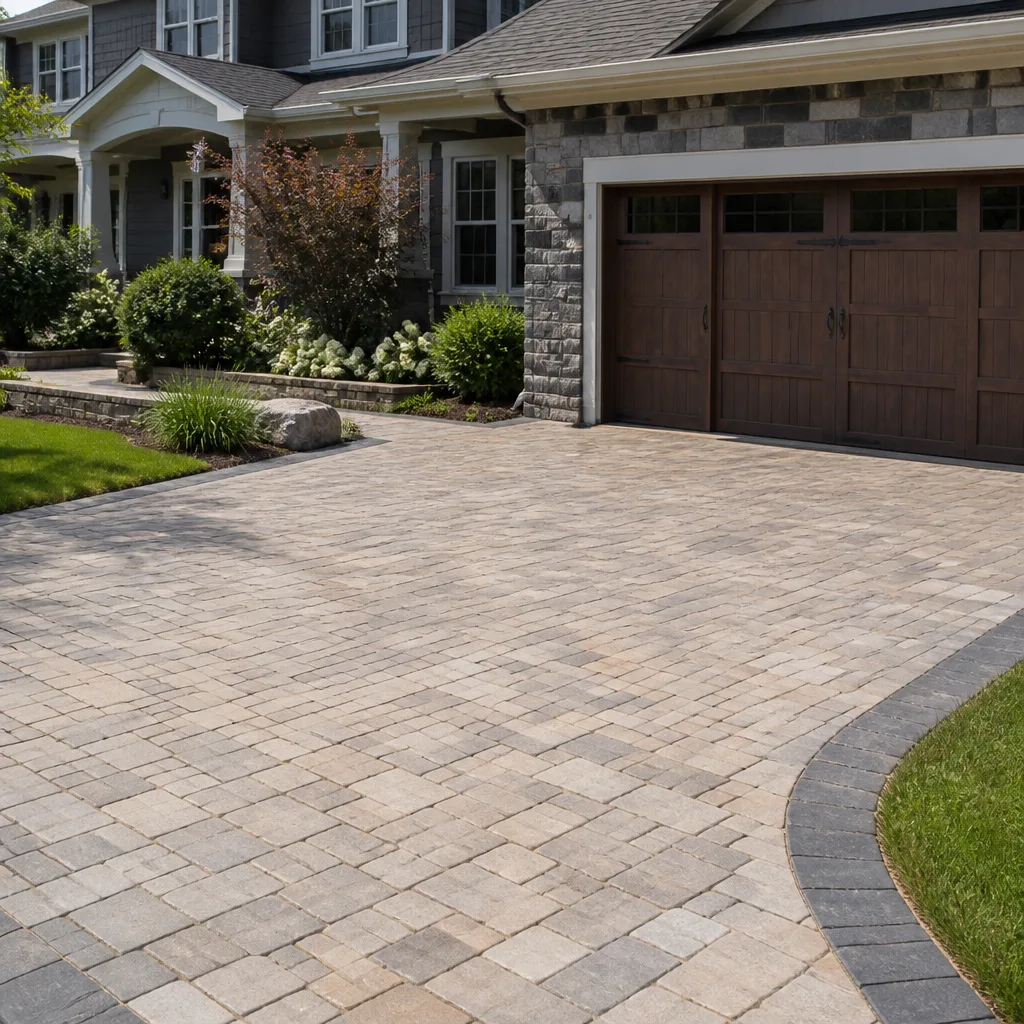 Driveway & pavers
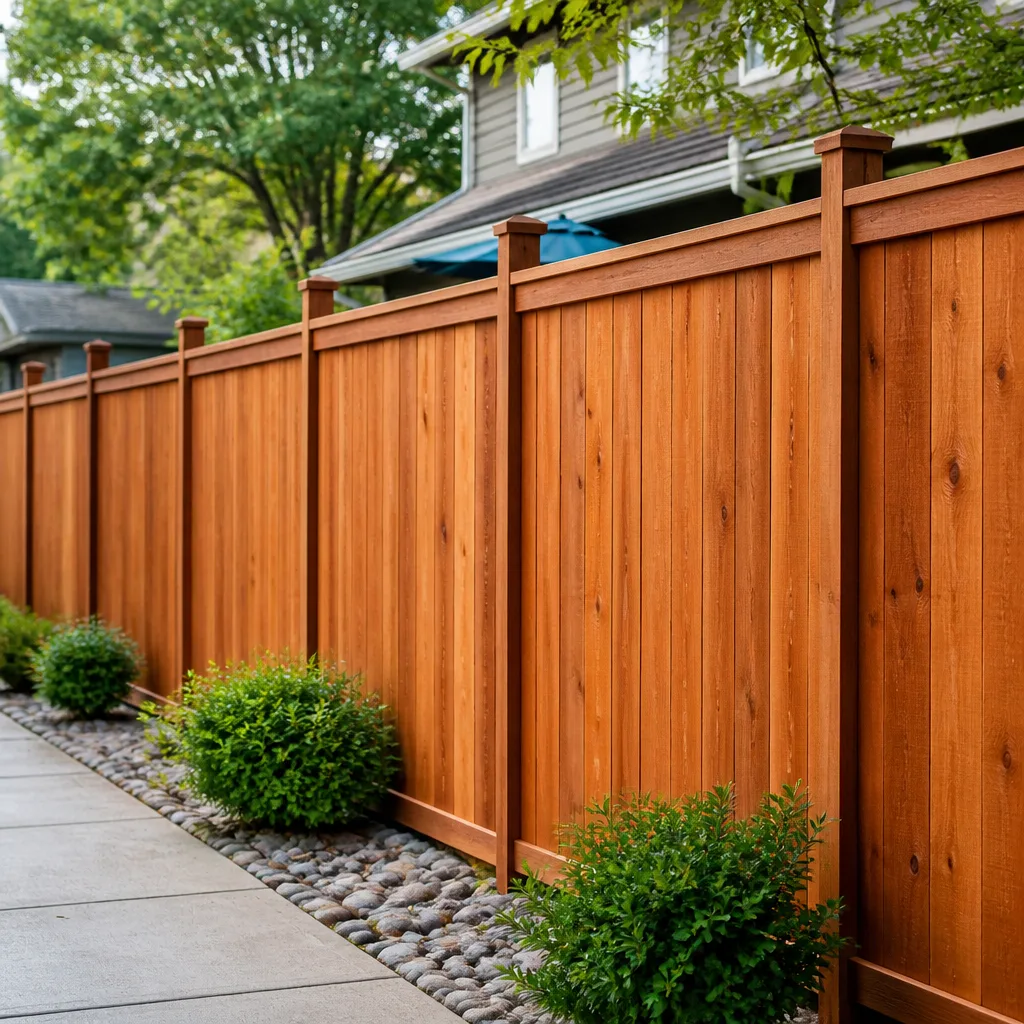 Fence
Free written scope consultation - allowances, timeline, and change-order rules on paper before a single trade is scheduled
Styles & brands we work with
See the difference
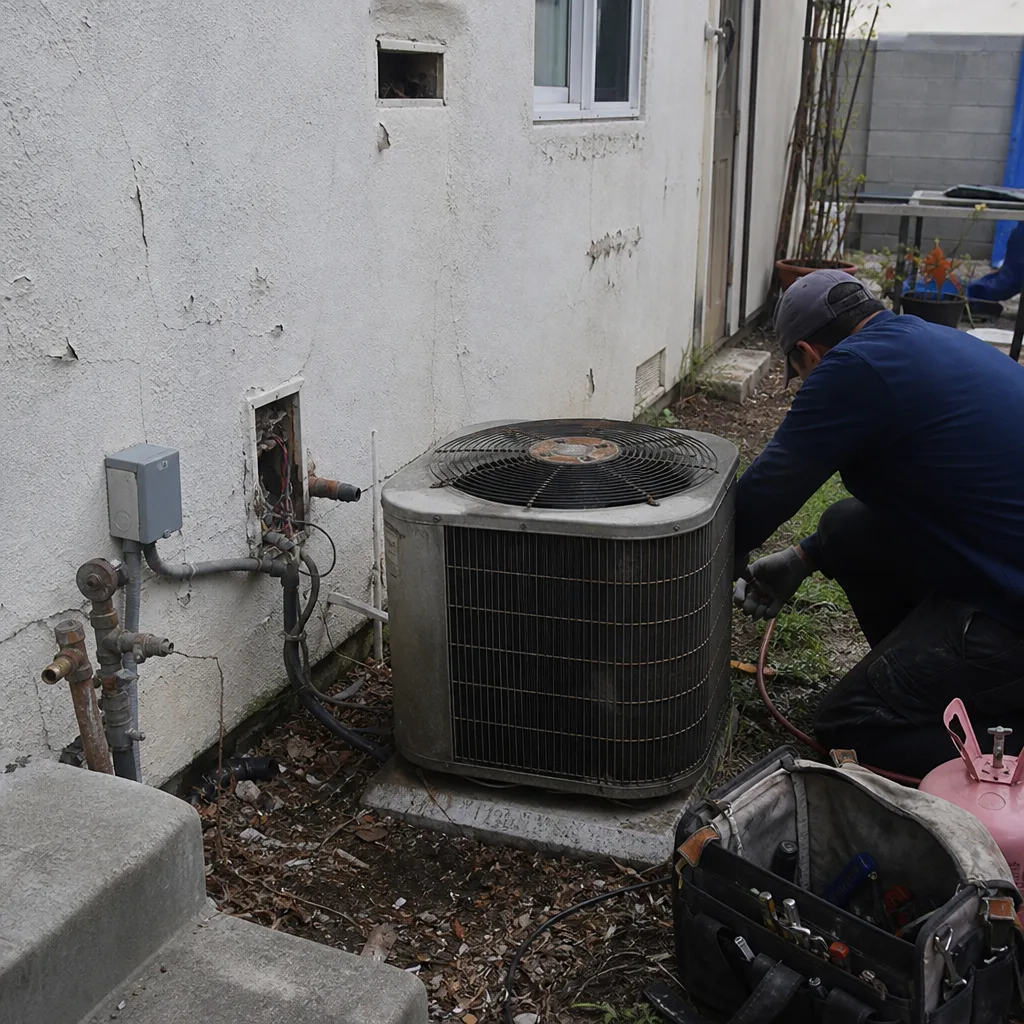 Before
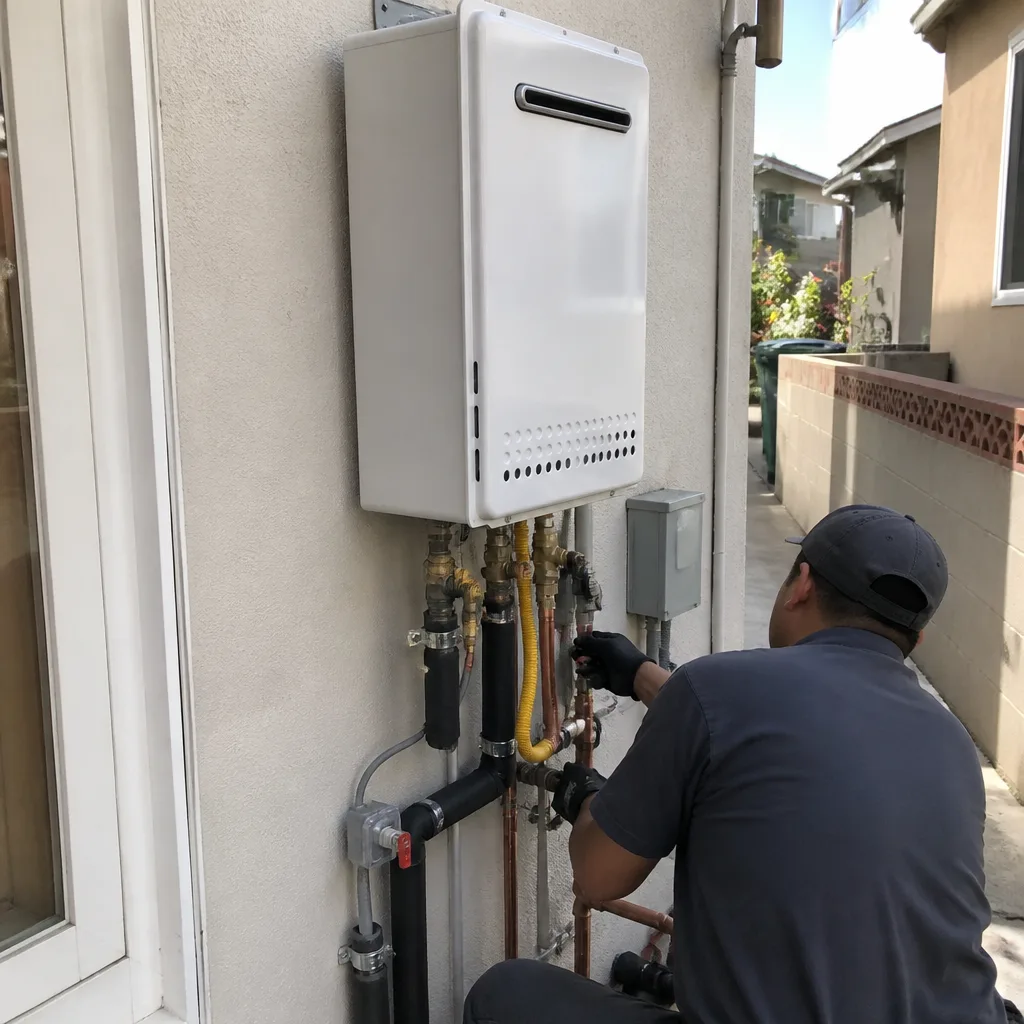 After
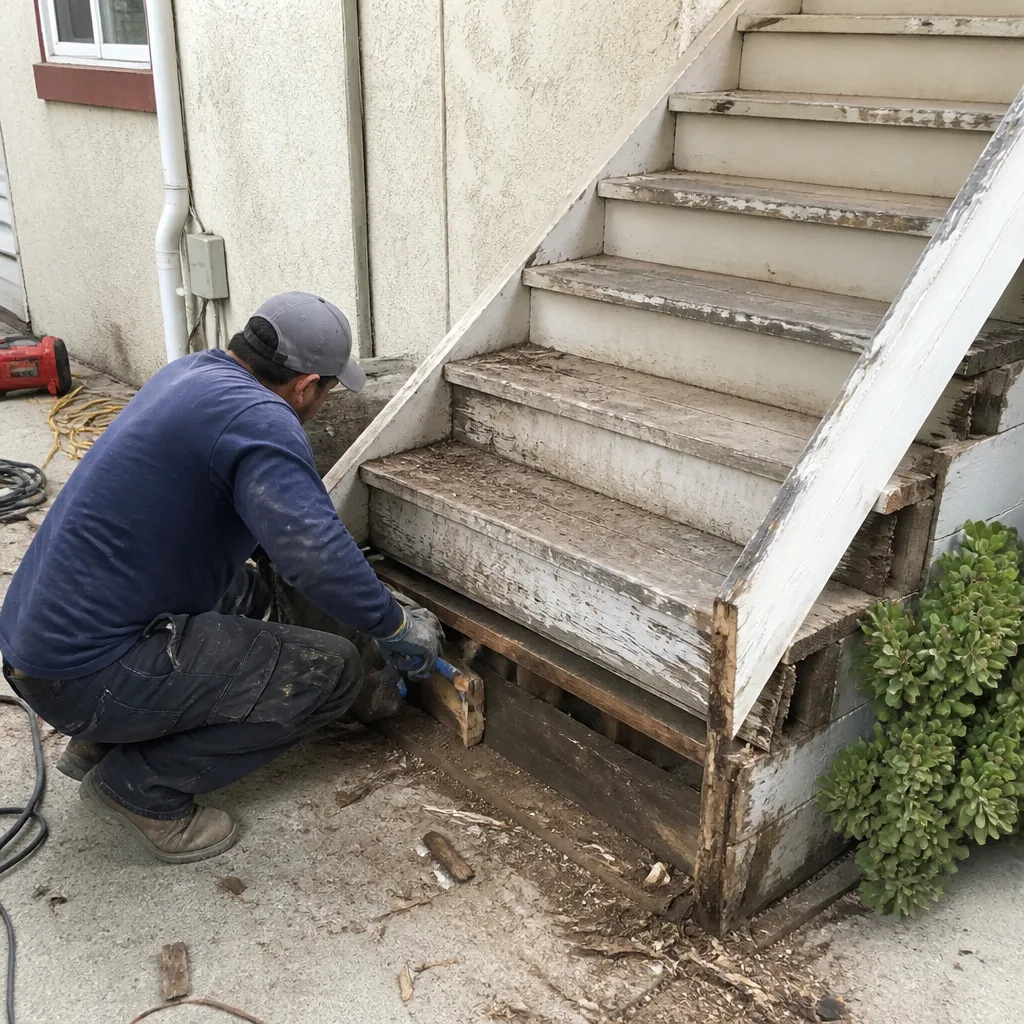 Before
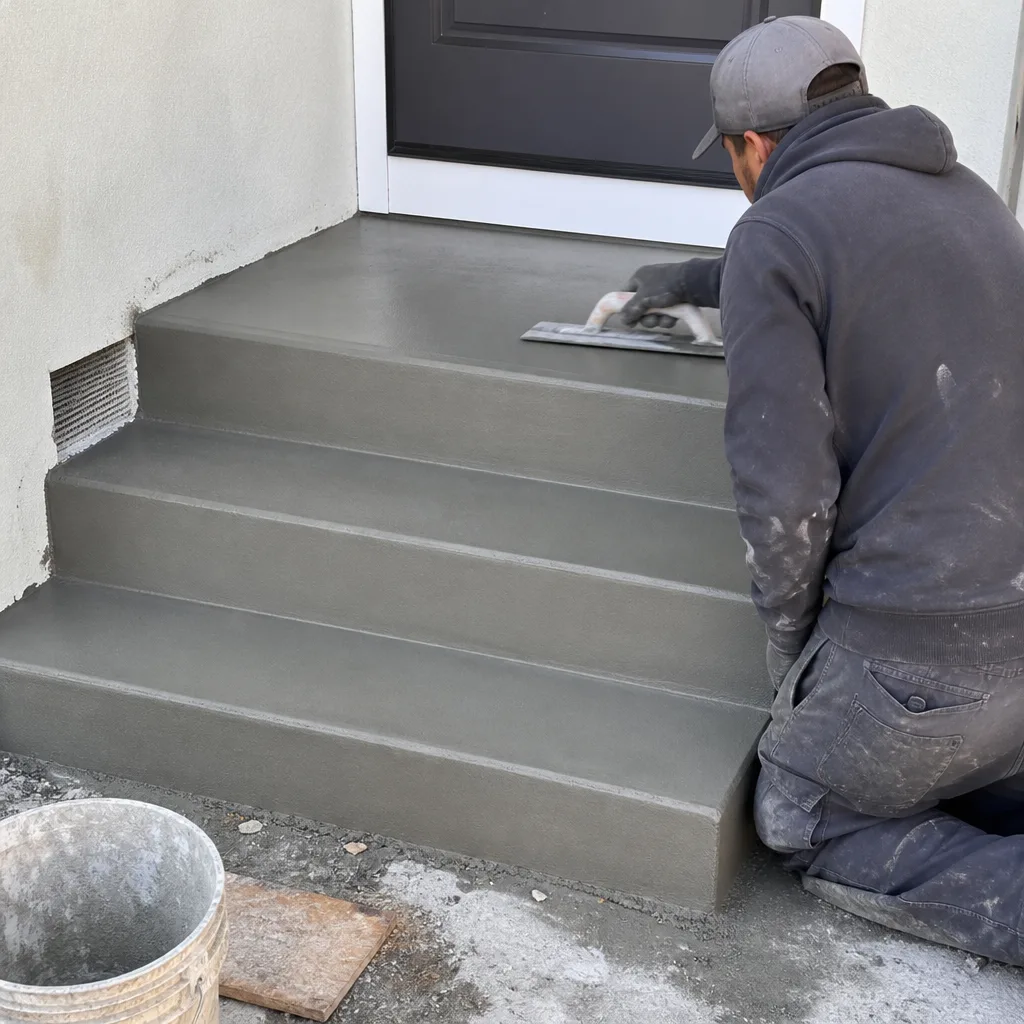 After
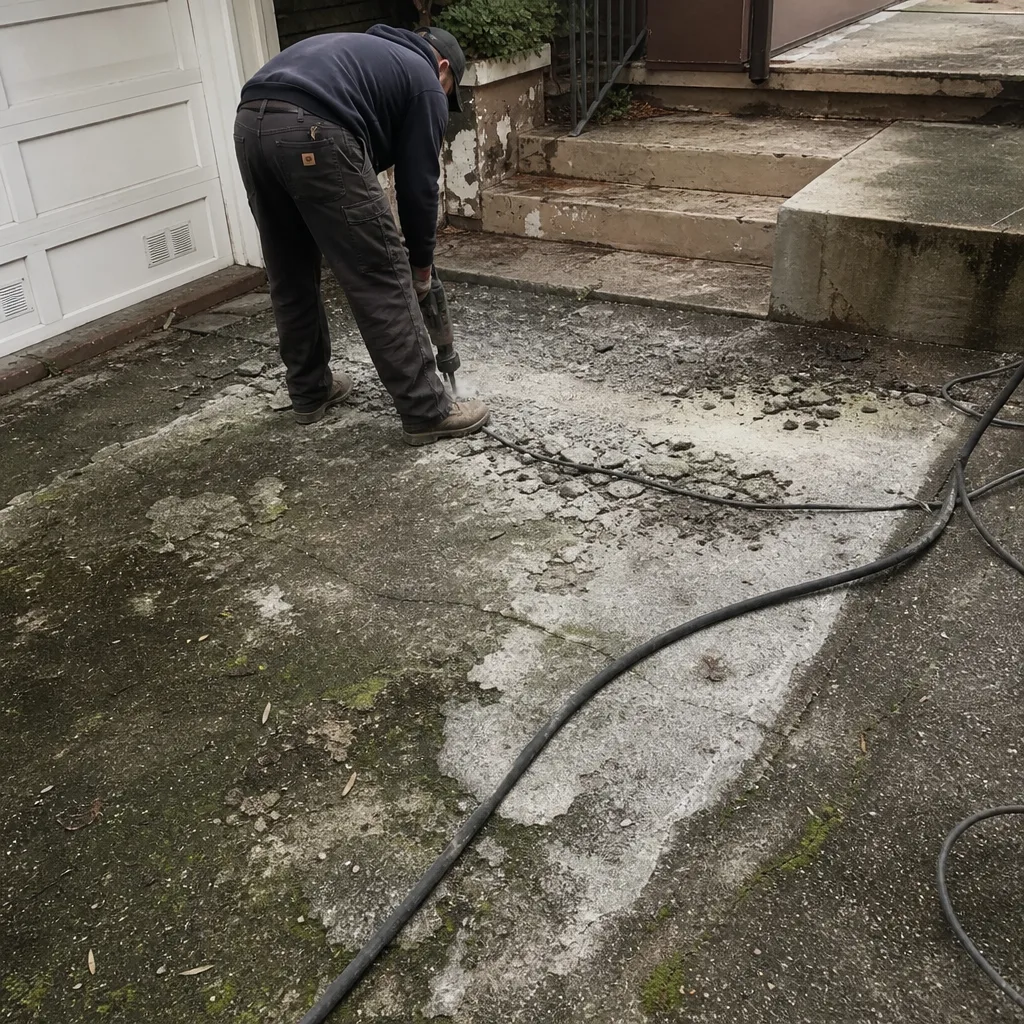 Before
 After
How Much Does Countertop Installation Cost in Chinatown?
Countertop installation in Chinatown typically runs $2,000 to $6,500, with most homeowners landing around $3,800 for a standard kitchen. That range covers fabrication and installation of a mid-grade quartz or granite slab, removal of the old top, and a basic sink cutout. Cost climbs with premium stone, complicated edge profiles, and the tight access that’s common in Chinatown’s older multi-story buildings.
If you’re still deciding on scope, our Countertop Installation in Chinatown page walks through the full process from template to final seal. And if the project is part of a larger renovation, the numbers change fast, so it helps to see how countertops fit into a bigger budget.
Key Takeaways
- Most Chinatown countertop jobs land between $2,000 and $6,500.
- Quartz and granite dominate local kitchens; laminate starts much lower but won’t survive the neighborhood’s humidity swings as long.
- Tight stairwells and no-freight-elevator buildings in Chinatown add real labor that suburban jobs don’t carry.
- Getting a template done before you buy material prevents the most expensive mistake: a slab that won’t fit.
- Free estimates are available at (866) 253-5808.
Countertop Installation Cost Breakdown (2026)
Here’s where the money actually goes on a Chinatown job. The numbers below reflect local market pricing for a typical 25 to 40 square-foot kitchen, including tear-out of the existing surface.
| Line Item | Typical Range (Chinatown) |
|---|---|
| Laminate countertop (installed) | $900 – $2,200 |
| Butcher block (installed) | $1,200 – $2,800 |
| Entry-level granite (installed) | $2,000 – $3,800 |
| Mid-grade quartz, e.g. Silestone or Caesarstone (installed) | $2,800 – $5,200 |
| Premium quartz or Cambria (installed) | $4,200 – $6,500 |
| Old countertop removal & haul-away | $150 – $450 |
| Undermount sink cutout & install | $200 – $500 |
| Edge profile upgrade (bullnose, ogee, waterfall) | $150 – $900 |
| Backsplash (tile, installed) – see separate guide below | $800 – $2,500 |
| Plumbing disconnect/reconnect for sink | $150 – $400 |
Where the price moves most is material choice and edge detail. A basic granite with a standard eased edge sits right in the middle of our $2,000 to $6,500 range. Add a waterfall edge and a premium Cambria slab and you’ll approach the top. Butcher block is the sleeper option for anyone who wants warmth and can live with annual oiling. And if the countertop is part of a bigger push, the whole scope shifts, which is why we keep a full home remodeling view of the project in mind from the first walkthrough.
What Affects Countertop Installation Pricing in Chinatown
Chinatown has quirks that a national pricing sheet ignores. Here’s what actually moves the number on a local job.
- Building access. Many buildings around Portsmouth Square and along Grant Avenue sit on narrow lots with tight stairwells and no freight elevator. A 9-foot slab has to be hand-carried up two or three flights, and that labor is real. On a recent Chinatown job, we budgeted an extra two crew hours just for the carry-up, which added a few hundred dollars to a job that would’ve been routine in a single-family house.
- Older cabinetry and out-of-square walls. Century-old buildings rarely have square rooms. Template day often reveals a cabinet run that’s off by a half-inch over ten feet. We correct for it with scribing and shims, but it takes time, and that time shows up in the estimate.
- Coastal fog and humidity swings. Chinatown sits close enough to the bay that interior humidity moves through the year. That’s why we steer clients toward quartz over natural stone in kitchens without strong ventilation. Quartz (Silestone, Caesarstone, Cambria) holds its dimension and resists staining better in a humid, heavily-used cooking space.
- Material tier. Laminate to premium quartz is roughly a four-to-five-times spread. Brand matters less than slab availability, but Cambria and Caesarstone command a premium because of their finish consistency and warranty backing.
- Edge profile and cutouts. A standard eased edge is essentially free. A waterfall or mitered edge is custom fabrication and adds hundreds. Multiple cutouts (cooktop, sink, outlets) add up too.
- Removal and disposal. Old tile counters with wire lath underneath are heavy and take longer to demo than a laminate top. We always confirm what’s under the old surface before quoting.
For a fuller picture of how counters fit into a kitchen project, our kitchen and bath remodeling guide covers cabinet and island costs so you can plan the whole room at once.
Quartz vs. Granite vs. Laminate in Chinatown: What’s Worth It?
Homeowners in Chinatown ask this more than any other countertop question. Here’s the honest breakdown.
Laminate wins on entry cost and is the right call for a rental unit or a tight budget. It won’t survive heavy wok cooking and daily moisture the way stone does, and it can delaminate near a sink over time. For a low-traffic kitchen, it’s fine.
Granite is the classic durable choice. Real stone, no two slabs identical, and it handles heat well. The catch is that granite is porous and needs sealing once a year or so. In a Chinatown apartment with limited ventilation, we’ve seen granite around a wok station darken from cooking oil over time. Seal it and ventilate it and it lasts decades.
Quartz (Silestone, Caesarstone, Cambria) is non-porous, doesn’t need sealing, and holds up to heat and stains. It’s the most common choice we install in Chinatown kitchens for exactly that reason. The tradeoff is cost and that quartz can scorch if a hot pan sits directly on it, so use a trivet.
Butcher block is a niche favorite for bakers and anyone who wants a warm surface. It’s affordable to install but needs oiling a few times a year. It also dents, which some people like and others hate.
The right answer depends on how you cook. If you’re running a high-heat wok several nights a week, quartz near the cooking zone and a heat-tolerant stone or granite on the island is a smart mix. We bring samples of Cambria, Silestone, and Caesarstone to the project so you can see them under your own lighting rather than in a showroom’s.
What Does Countertop Installation Include?
A proper installation covers more than dropping a slab on cabinets. Here’s what a real job involves.
- Template. We measure the actual cabinets after any changes, using a physical template or digital scan. This catches out-of-square runs before a slab is cut.
- Slab selection. You see the actual slab, not a sample chip. Stone varies slab to slab, and you want to approve the one going into your home.
- Fabrication. Cutting, edging, and cutouts happen at the fabricator. Undermount sink and cooktop cutouts are confirmed and drilled here.
- Removal and disposal. Old countertops come out, backsplash tile gets trimmed if needed, and debris leaves the job.
- Installation. Slabs are set, seams are aligned and epoxied, and the sink is reinstalled. Plumbing is reconnected and checked for leaks.
- Sealing and cleanup. Natural stone gets sealed, quartz gets a final wipe-down, and the edges are dressed.
Timeline is usually two to three weeks from template to install, and the install day itself is often a single day for a typical kitchen.
How to Save on Countertop Installation in Chinatown
There are real ways to trim the bill without cutting corners on the things that fail.
- Use a remnant for a small job. A bathroom vanity or a small kitchen may fit on a leftover slab from a larger project. Remnants can cut material cost significantly.
- Keep the old cabinets. If they’re solid, refacing them saves the cost of new boxes and lets the countertop money go into the surface itself. New cabinet installation is a separate $4,000 to $13,000 line, so this decision matters.
- Skip the waterfall edge. Standard eased edges are clean and cost nothing extra. A waterfall is beautiful but it’s a want, not a need.
- Bundle the backsplash. A backsplash installation runs $800 to $2,500, and combining it with the countertop install saves a separate mobilization.
- Choose a mid-grade quartz instead of a premium slab. Silestone and Caesarstone perform nearly as well as Cambria at a lower price. You’re paying for a specific pattern and finish at the top.
None of that should come at the cost of the template or the substrate prep. A cheap install on a bad template is the most expensive mistake in this trade. Free estimates mean you see the number before you commit. Call (866) 253-5808 to schedule one.
Why Choose Timberline Contractors for Your Chinatown Countertop?
Countertops look simple until you’ve done a few in buildings like the ones in Chinatown. The right answer is almost always the one built on a good template, a properly leveled cabinet run, and a slab you approved before it was cut. That’s how we work.
Two things set us apart in this market. First, we’re a licensed general contractor, which means the countertop isn’t a freelance job handed off to a specialty shop. It’s tied into the whole project, coordinated with cabinets, plumbing, backsplash, and any structural work behind it. Second, we have access to a curated roster of 50-plus brand partners, including countertop makers like Cambria, Silestone, and Caesarstone. You aren’t limited to a single catalog. We bring the showroom to the project and let you see real slabs next to real cabinet finishes.
That breadth matters beyond the counter. If the job turns into a kitchen remodel with new cabinetry (KraftMaid, Wellborn), plumbing fixtures (Kohler, Grohe), or even new windows or a roof down the line, you’re working with one contractor, not five. From the foundation to the ridge cap, the scope stays under one contract.
We also don’t rush the details. Our tile and substrate work, including Schluter-system waterproofing in wet areas, is the kind of thing that fails silently if it’s skipped. We treat countertop installation the same way: built to last, not to flip.
Countertop Installation in Chinatown: What to Expect on the Day
Most installs happen in a single day, usually between 8 and 4. Plan to be home during the sink and plumbing work. The old top comes out, the debris leaves, and the new slab goes in. Seams are epoxied and buffed to match. The sink gets reinstalled and tested. If there’s a backsplash, that’s often scheduled for the day after so the adhesive has time to set.
Expect a small amount of dust from demo. We lay down floor protection and bag the debris. By the end of the day, the kitchen is usable.
Planning a Bigger Project?
If the countertop is the start of a larger renovation, the budget picture changes. A full kitchen remodel in Chinatown runs $14,000 to $45,000, while a small kitchen remodel sits at $9,000 to $20,000. A bathroom remodel runs $9,000 to $28,000, and a walk-in shower installation is $4,500 to $12,000. Those numbers matter because they’re where your countertop dollars are competing for priority. A new countertop on tired cabinets rarely feels like an upgrade. A modest countertop with new cabinets and hardware does.
For projects that add livable square footage, an ADU construction runs $90,000 to $220,000, and a garage conversion runs $30,000 to $80,000. We handle the interior finishes, including counters and cabinets, within those builds too.
FAQs – Countertop Installation Cost in Chinatown
How much does countertop installation cost in Chinatown?
Most Chinatown countertop installation jobs cost between $2,000 and $6,500, with a typical kitchen around $3,800. Material tier, edge profile, and building access move the number most. Call (866) 253-5808 for an exact quote on your kitchen; estimates are free.
Is it cheaper to repair or replace a countertop?
Replacement almost always wins for a damaged countertop, and here’s why: a chip or seam failure on stone often can’t be matched, and a cheap patch on a cracked laminate fails again within months. Replacement in Chinatown starts at $2,000. Repair is only worth it on a small chip or a reseal that costs a few hundred dollars. Call (866) 253-5808 and we’ll tell you honestly which one applies to your top.
How long does countertop installation take in Chinatown?
Install day is usually one day, and the whole process from template to finished top takes two to three weeks in Chinatown. Fabrication time depends on slab availability and edge complexity. Call (866) 253-5808 to check current lead times.
Can you install a countertop over existing cabinets in Chinatown?
Yes, as long as the cabinet boxes are sound and level. We check the run during template, correct any out-of-square issues with shims and scribing, and install the new top directly over the existing cabinets. That usually keeps the job in the $2,000 to $6,500 range without added cabinet cost. Call (866) 253-5808 to schedule a walkthrough.
What’s the most durable countertop for a Chinatown kitchen?
Quartz (Silestone, Caesarstone, Cambria) is the most durable everyday choice for a Chinatown kitchen, because it’s non-porous and handles humidity and stains without sealing. Granite is a close second if it’s sealed yearly. Both handle heat well; use a trivet regardless. Call (866) 253-5808 if you want to see slabs in person.
Do you need a permit to install a countertop in Chinatown?
Most countertop replacements don’t require a permit; changing the sink plumbing or altering cabinets can trigger one depending on scope. We confirm permit requirements during the estimate so there are no surprises. Call (866) 253-5808 to ask about your specific job.
Ready for a Real Number?
Countertops in Chinatown have specific quirks that a generic price sheet won’t capture. We’d rather walk your kitchen, check the cabinets, and give you a straight estimate than guess over the phone. Our team brings samples of the brands we install and shows you real slabs next to real cabinets. That’s one contractor, every phase, from template to final seal.
Call Timberline Contractors at (866) 253-5808 for a free estimate. We’ll tell you what your Chinatown countertop will actually cost in 2026, and what’s worth the upgrade.
Pricing reflects the Chinatown market as of 2026. Timberline Contractors offers free estimates – call (866) 253-5808.
What Our Customers Say
"The foundation survey came back dead on. Everything downstream of that being square is the reason the rest of the build went smoothly."
— Oscar Salazar"Three other companies in Chinatown either didn't pick up or wanted to schedule me for the following week. These guys had someone out the next morning."
— Robert Sullivan"Ground up build. Permits, foundation, framing, all of it, and he ran the schedule tightly enough that the subs were never tripping over each other. Finished within a month of a fourteen month estimate."
— Ramon Reyes