

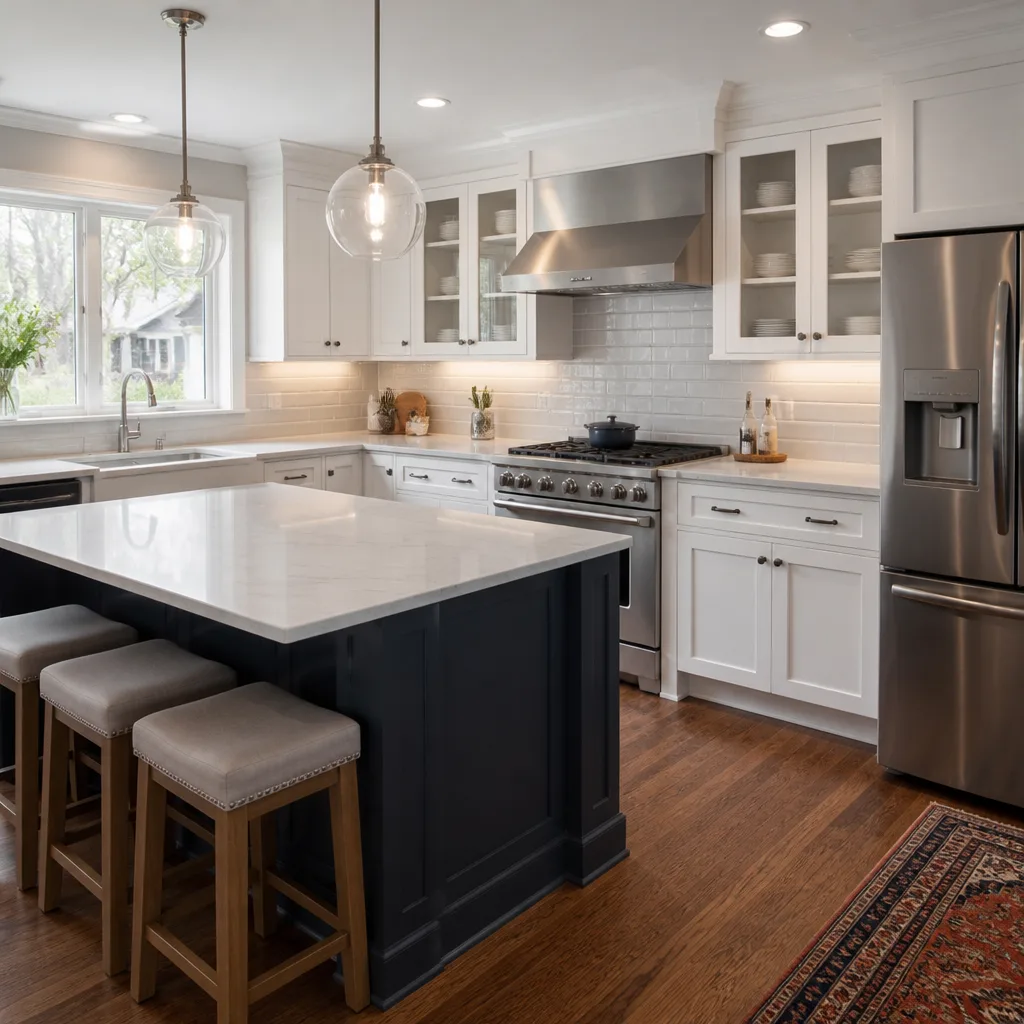
 Kitchen remodeling
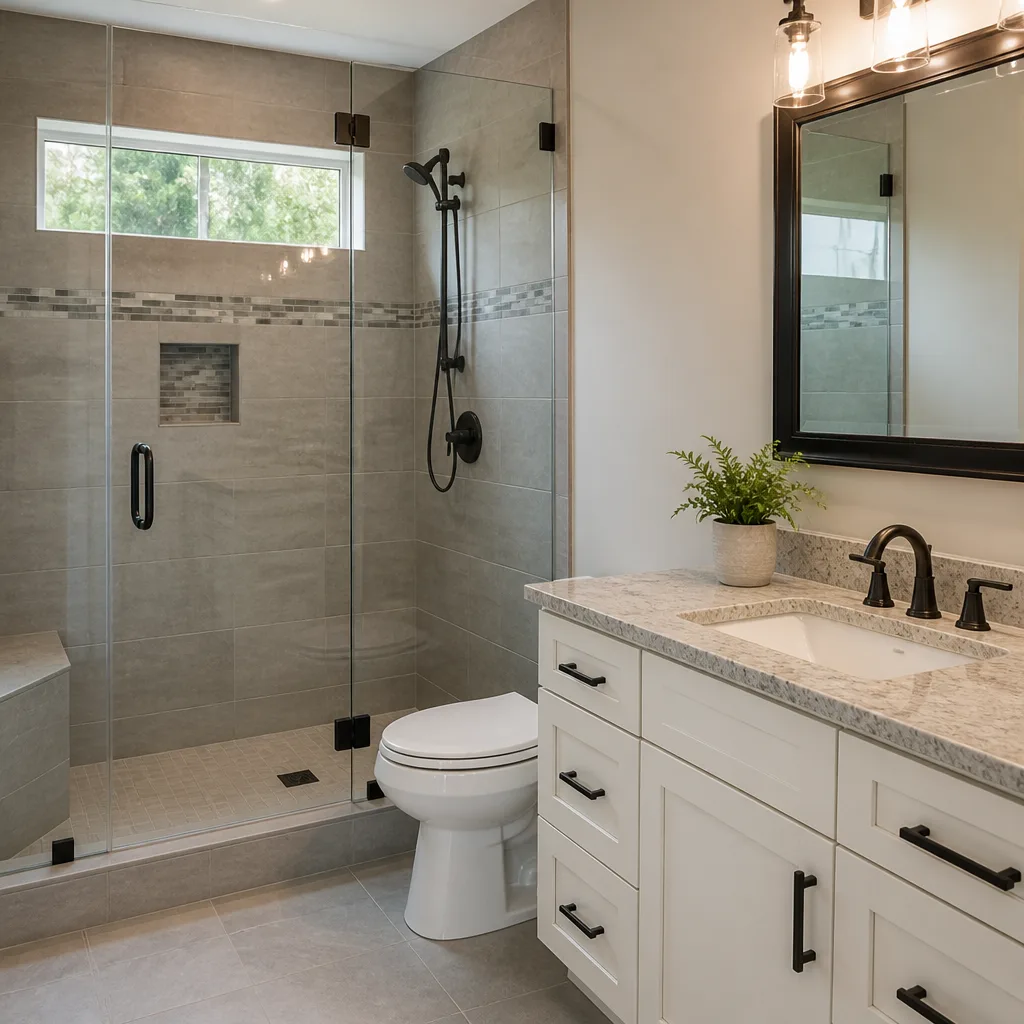 Bathroom remodeling
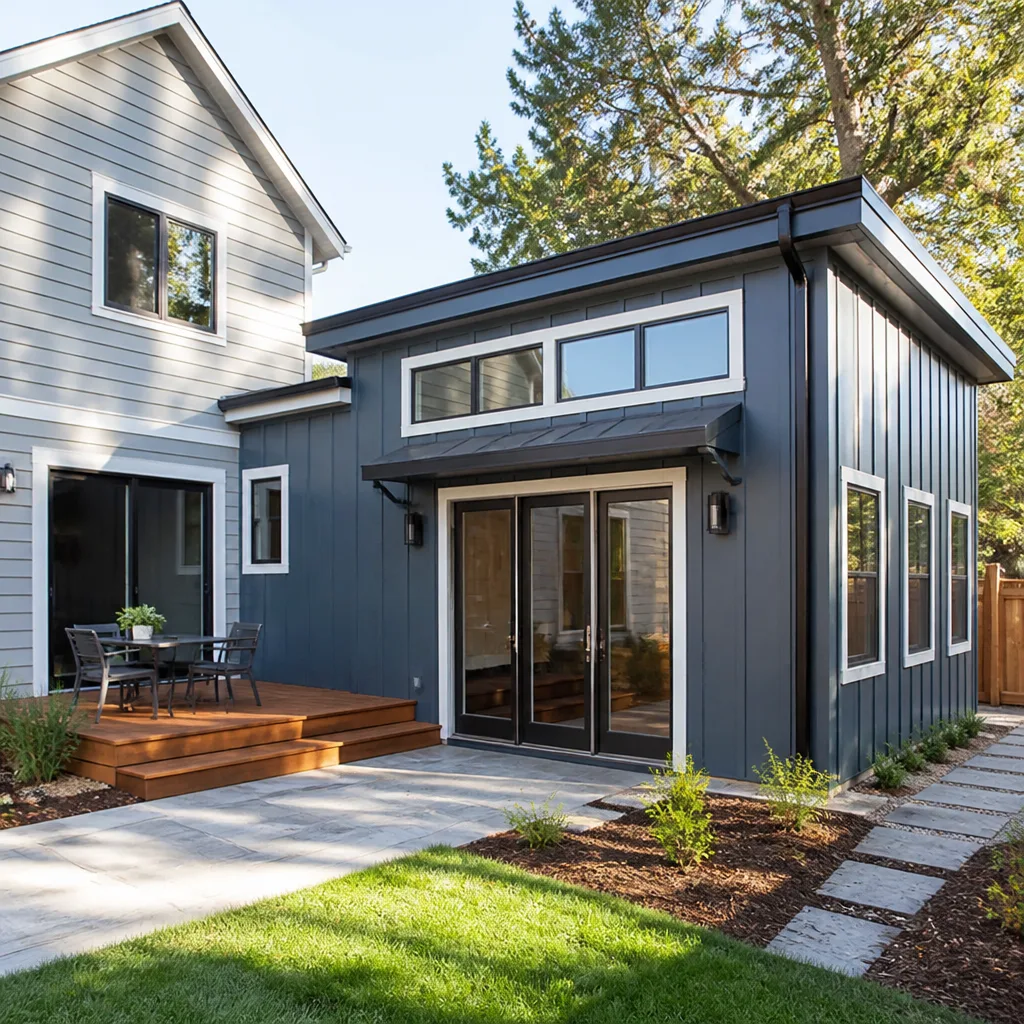 Home additions & ADU
 Roofing
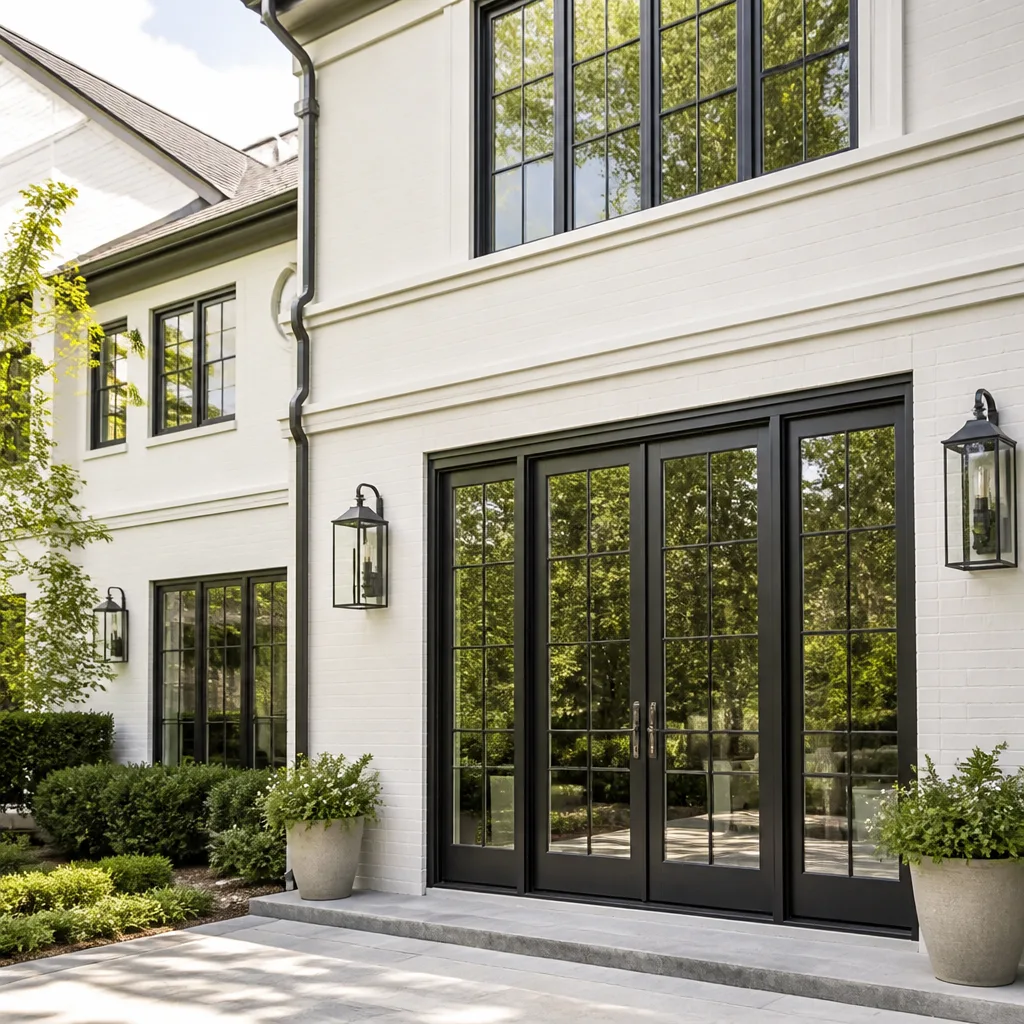 Windows & doors
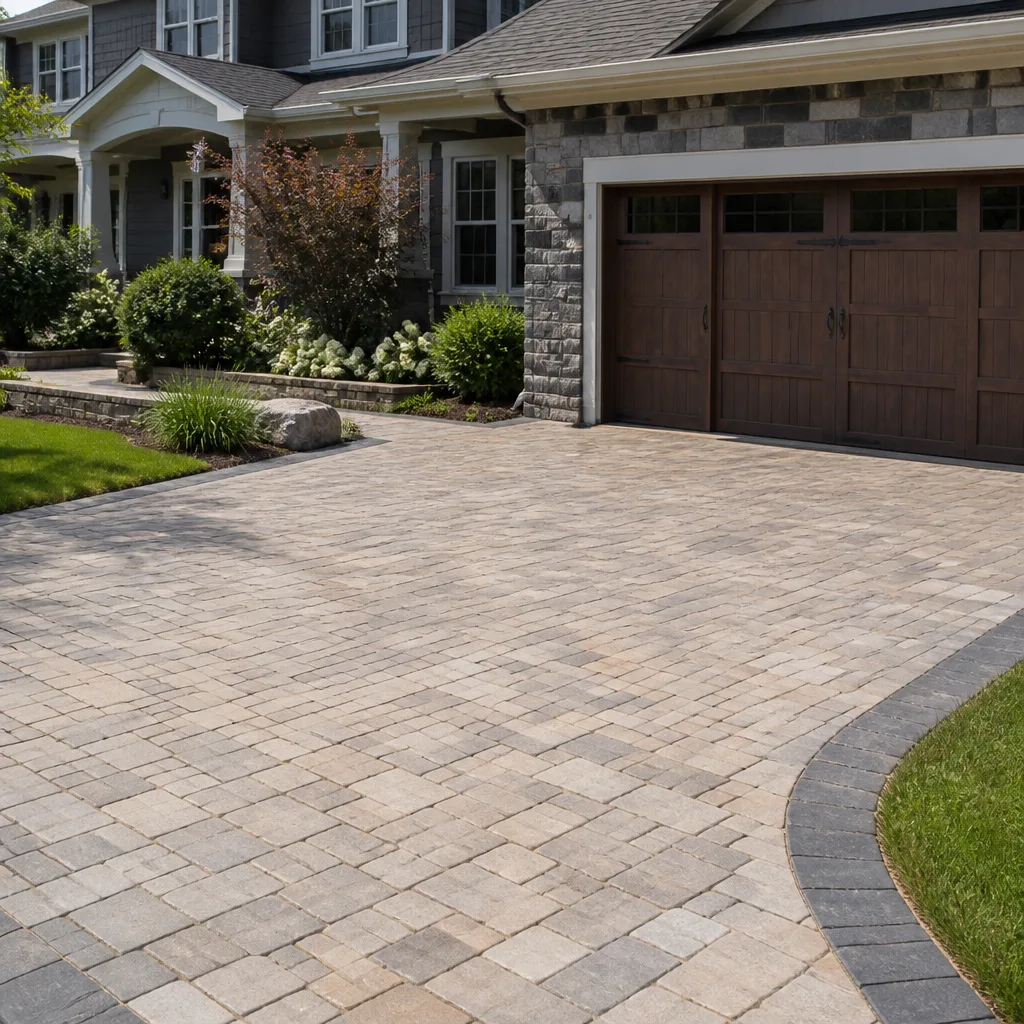 Driveway & pavers
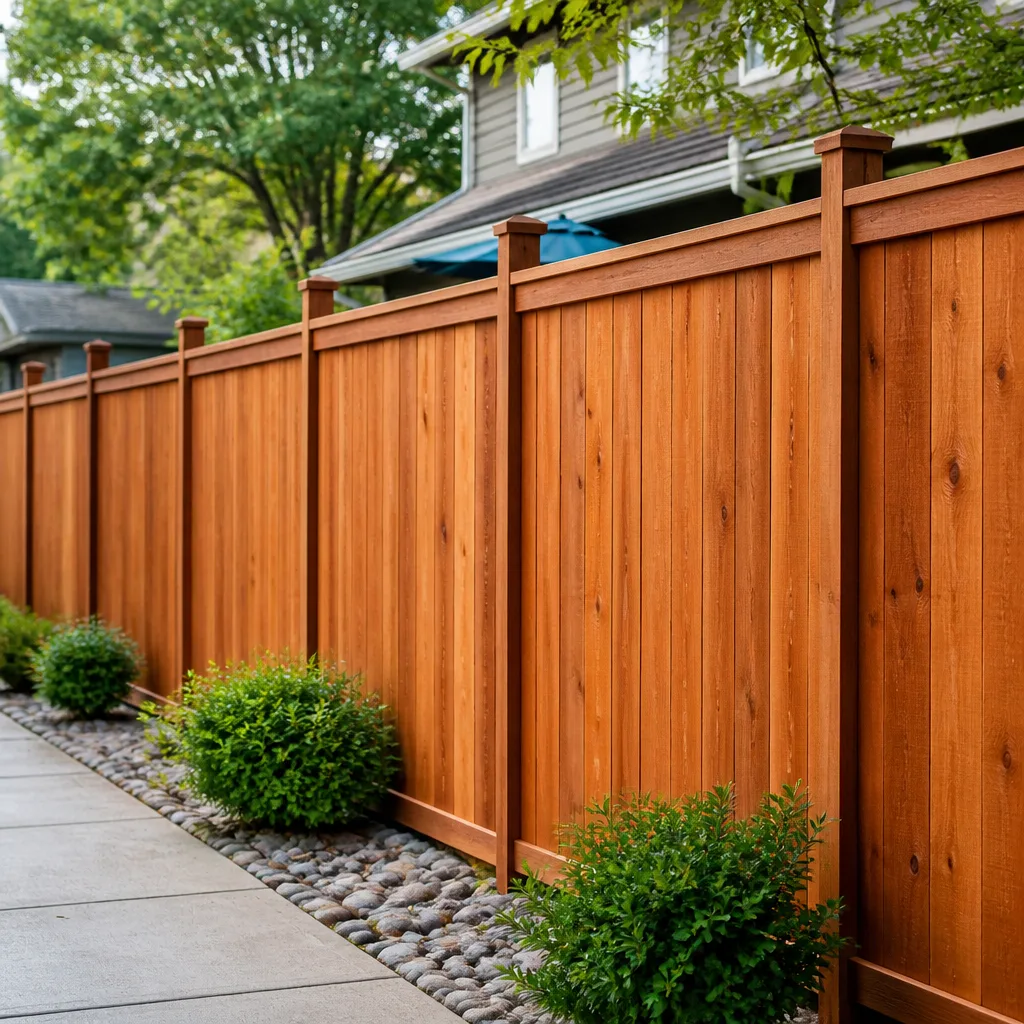 Fence
Free written scope consultation - allowances, timeline, and change-order rules on paper before a single trade is scheduled
CGI Construction in Stanford, CA | Timberline Contractors
We provide independent CGI cabinet and countertop service across Stanford and nearby areas, including CGI service in Los Altos, from full kitchen remodels to targeted repairs. The one thing that makes our CGI work here different is that we know Stanford’s campus planning requirements and seismic anchoring standards better than a typical cabinet installer ever would. We are Timberline Contractors, led by Nelson Fung, and we handle CGI cabinetry, countertops, and full kitchen builds across the 94305 ZIP code. Call (866) 253-5808 to talk through your project.
Why Stanford Residents Choose Us for CGI Service
Most cabinet installers can hang a box on a wall. Few understand what happens to that box two years later in a mid-century Stanford faculty home when the plaster substrate shifts, or when Stanford’s planning office asks about seismic fasteners on a historic-preservation project. That is where we come in. Nelson Fung grew up around materials, spent Saturdays at Saigon Plaza while his grandfather debated tile prices, and then trained formally at Los Angeles Trade-Technical College before years of hands-on work across residential and commercial builds. He runs Timberline Contractors with a simple rule: do it right the first time, or explain yourself twice.
We are an independent CGI service provider. That means we are not manufacturer-affiliated or authorized by CGI. It also means we tell you the truth about parts, pricing, and whether repair makes more sense than replacement. In Stanford, where campus regulations layer on top of California code, you want someone who has navigated that process. That is us.
Styles & brands we work with
Common CGI Construction Problems We Solve in Stanford
CGI cabinets are built well, but Stanford’s particular combination of climate, housing stock, and regulations creates specific failure patterns. These are the five we see most often:
- Cabinet box joint separation from seasonal humidity swings. Stanford’s Mediterranean climate means wet winters followed by months of dry summer heat. Wood expands and contracts through that cycle, and in older campus housing where original CGI Ready-to-Assemble cabinets were installed decades ago, the joints start to separate. We rejoin boxes with proper adhesive and mechanical fasteners, then re-align doors so they close clean.
- Drawer glides failing in faculty housing with uneven historic floors. A lot of Stanford’s mid-century faculty housing sits on foundations that have moved over 60 or 70 years. When original CGI cabinets were installed without proper shimming on those sloped floors, the drawer glides carried constant lateral stress. We shim, re-level, and replace glides with OEM CGI parts or spec-comparable aftermarket equivalents where OEM is discontinued.
- Countertop delamination at seams in laboratory support spaces. This is a Stanford-specific issue. Lab-adjacent kitchens and prep areas see chemical exposure and aggressive cleaning that degrade the adhesives in countertop seams. We strip the failed seam, prep the substrate properly, and re-bond with adhesives rated for that environment. Quartz and granite installations in these spaces need different treatment than a typical residential kitchen.
- Door hinge screw pull-out in plaster-over-lath walls. Mid-century modern faculty homes around campus often have plaster-over-lath walls instead of drywall. Whoever originally installed the CGI cabinets fastened hinge plates directly into the plaster without anchors. Over time, the screws pull out. We fix this with proper blocking and seismic-rated fasteners, not just longer screws.
- Seismic anchoring deficiencies flagged during Stanford planning reviews. Because the campus sits on the San Andreas Fault, Stanford’s planning office enforces stricter seismic anchoring than most jurisdictions. We routinely see cabinet installations that would pass elsewhere but fail Stanford’s review. We know what the reviewers are looking for, so we build to that standard from day one.
CGI Service in Stanford: What Local Conditions Mean for Your Equipment
Here is something most contractors will not tell you, and it matters if you own a home near the Stanford campus. The campus sits directly on the San Andreas Fault, and Stanford’s planning office enforces its own seismic safety standards on top of the California Historical Building Code for older structures. What that means for CGI cabinetry and countertops specifically is this: even an interior kitchen remodel can trigger seismic anchoring requirements that exceed standard California code. Tall cabinet runs, island units with heavy quartz tops, and wall-hung upper boxes all need to be anchored to resist lateral movement during a quake. We have done enough work in Stanford to know exactly what the planning office looks for, and we build to that standard from the first day of the job. A neighboring city like Menlo Park does not impose that same dual-compliance burden, though we do provide CGI service in West Menlo Park as well. Stanford does, and you cannot skip it.
CGI Models & Products We Service in Stanford
We work on the full range of CGI product lines, including CGI Ready-to-Assemble (RTA) Cabinets, CGI Woodland Cabinetry, the CGI Nexus Series, and the CGI ProCraft Series. Our approach to parts is simple and grounded in warranty reality. For current-model cabinets, we use OEM CGI hinges, glides, and drawer boxes so your warranty stays intact. For discontinued lines, which are common in Stanford’s older faculty housing, we source aftermarket equivalents that meet or exceed what CGI originally specified. We keep common parts stocked for fast turnaround in the 94305 ZIP code, which means less waiting when a drawer glide fails or a hinge plate strips out. Our stance on repair versus replacement is equally direct: we recommend repair whenever the cabinet boxes are structurally sound. In Stanford’s historic buildings, preserving original CGI cabinetry is usually the more sustainable and cost-effective choice, and it respects the building’s character.
See the difference
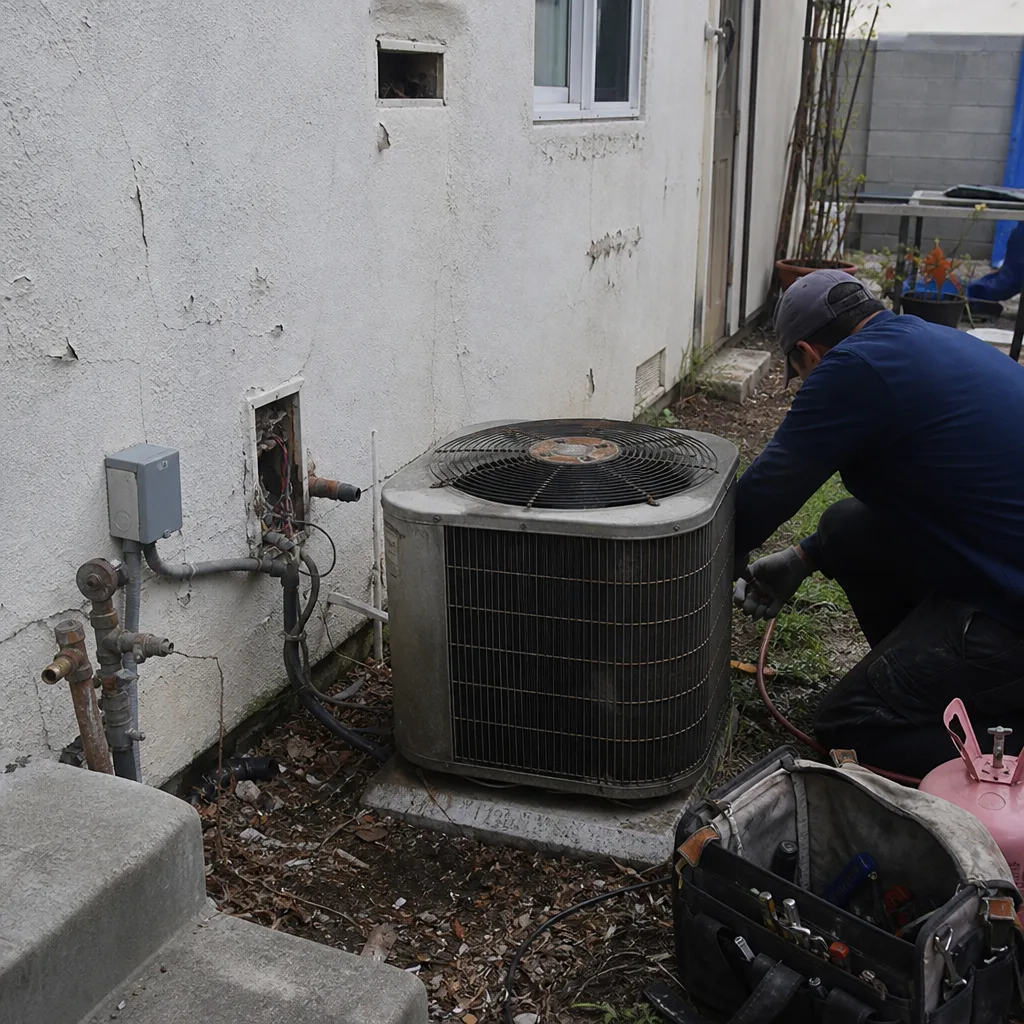 Before
 After
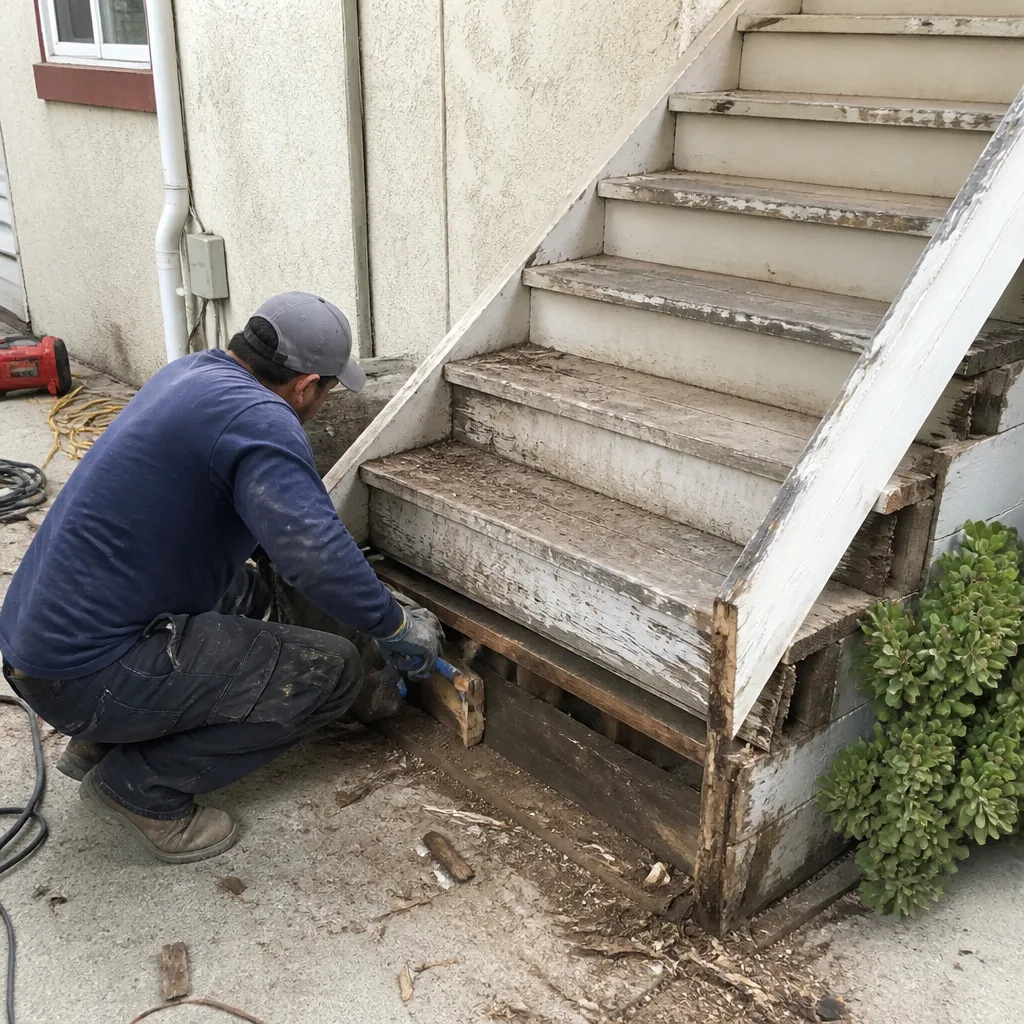 Before
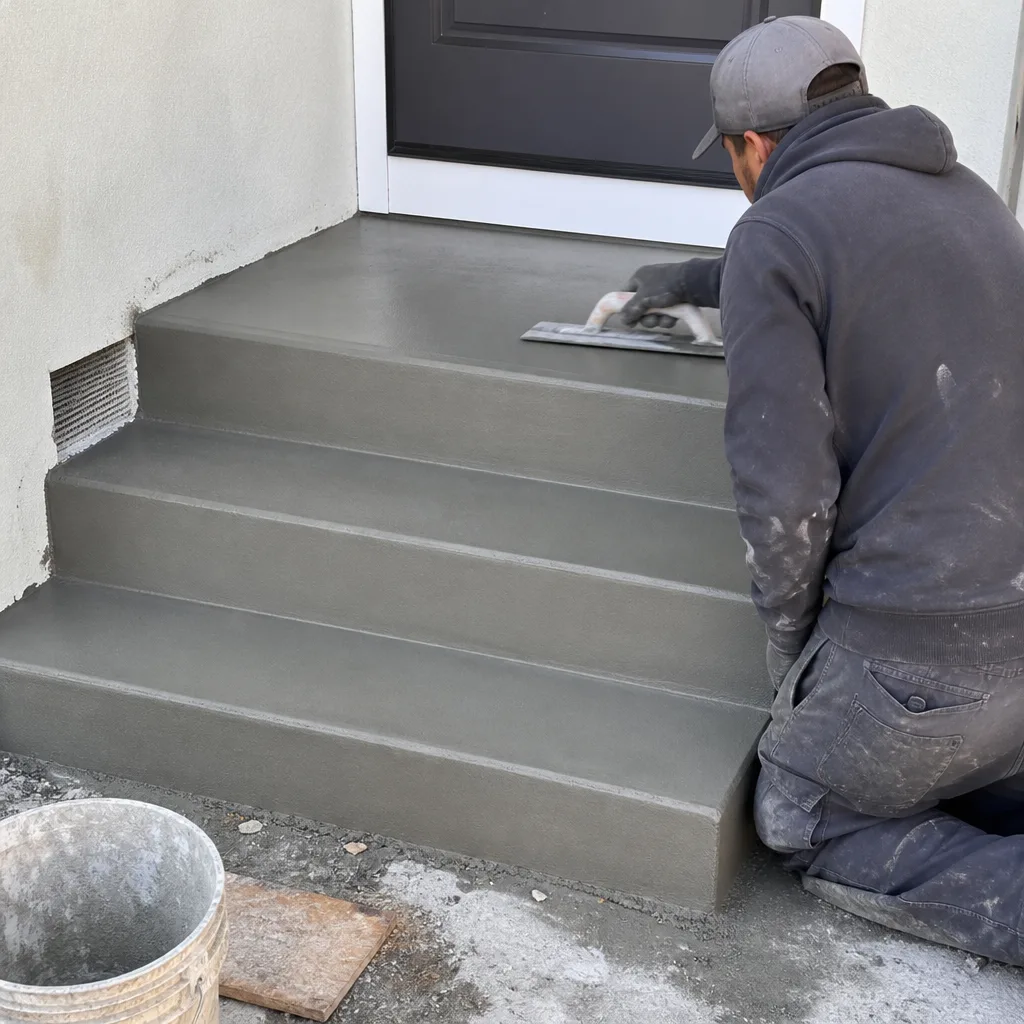 After
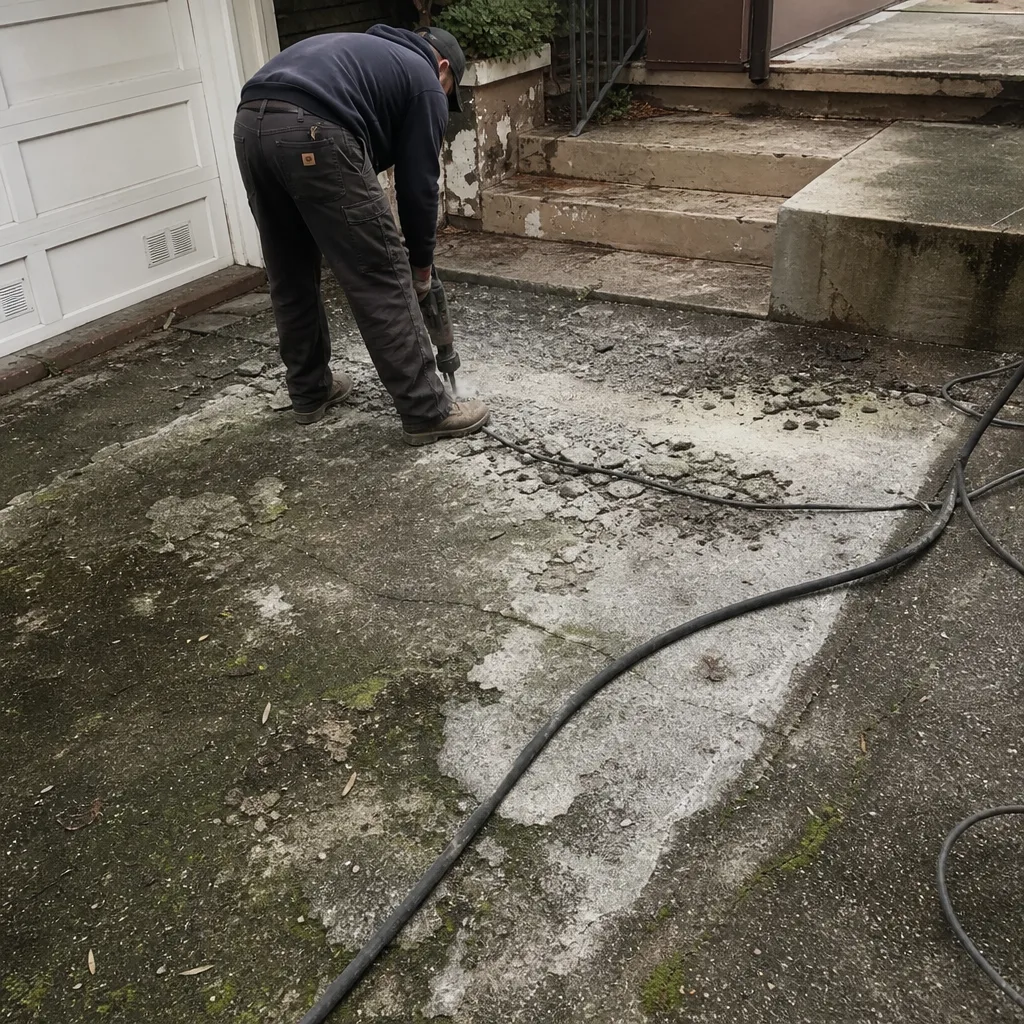 Before
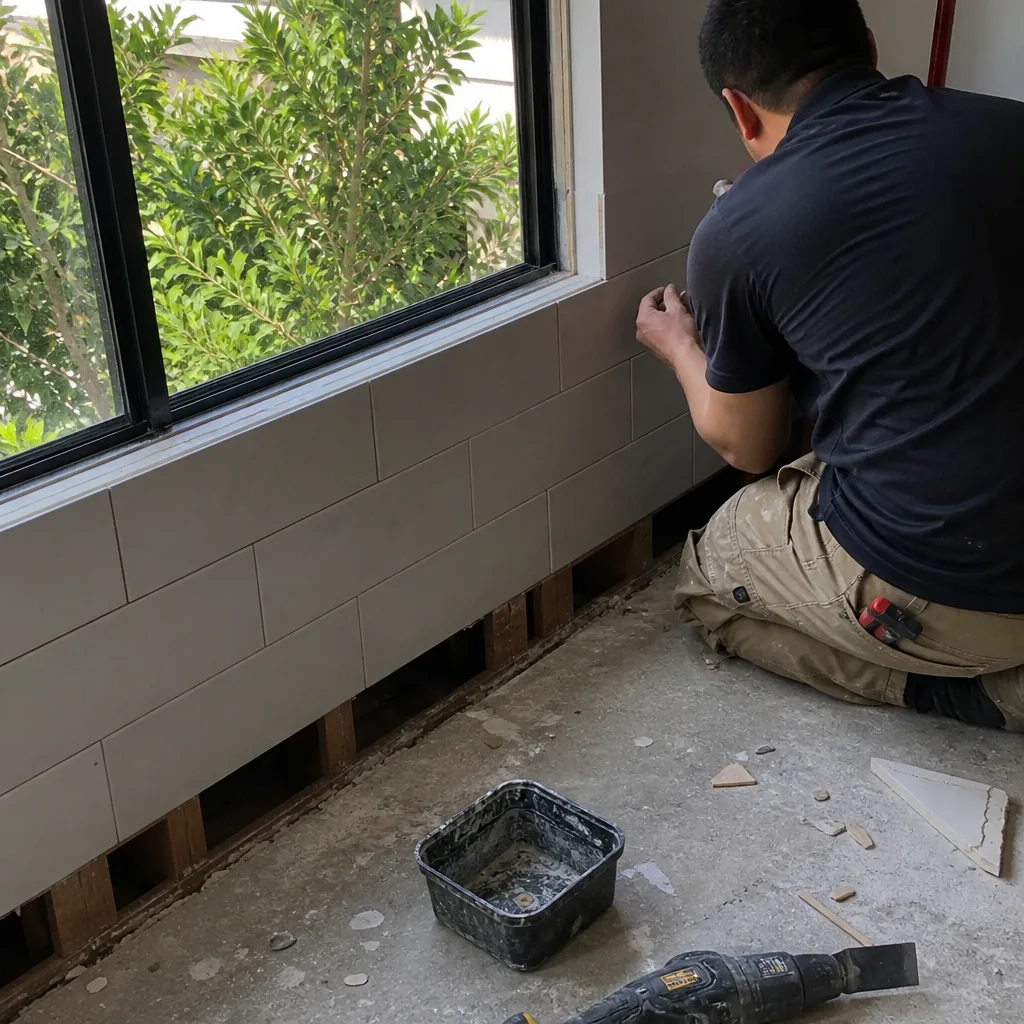 After
CGI Service Pricing in Stanford
Pricing depends on scope, condition of the existing cabinets, and whether Stanford planning review is required. Here are the ranges we work within for CGI kitchen work in Stanford:
| Service | Price Range |
|---|---|
| Full Kitchen Remodeling | $14,000 – $45,000 |
| Cabinet Installation | $4,000 – $13,000 |
| Countertop Installation | $2,000 – $6,500 |
What changes the number most is whether your cabinets need repair before installation, whether your walls need blocking added, and whether Stanford planning review adds time to the schedule. Every estimate we give is free and line-itemed, so you see exactly where the money goes. Call (866) 253-5808 and we will walk your project and give you a real number.
Serving Stanford, CA — Our Local Coverage Area
We’re based in the Stanford area and know this community well, and we also offer Palo Alto CGI service just minutes away. Use the map below to see our service coverage — if you’re nearby, we can almost certainly help.
FAQs – CGI Construction in Stanford
Yes. Stanford has its own planning office that reviews construction projects on campus, and even interior remodel work can trigger review when it touches seismic anchoring, historic structures, or plumbing and electrical systems. We handle permit coordination for every job we take. Call (866) 253-5808 and we will tell you what your specific project requires.
Most of the time, yes. We can match door styles and finishes on discontinued CGI lines, either through OEM parts still held by suppliers or through high-quality aftermarket equivalents we have sourced over years of this work. The honest answer is that an exact finish match is not always possible on older cabinets, but we come close enough that most homeowners can not tell the difference. Call (866) 253-5808 and we will look at what you have.
Stanford requires seismic anchoring on tall and upper cabinet runs that exceeds standard California code, particularly in older buildings. That means blocking behind walls, seismic-rated fasteners, and sometimes engineering review before installation starts. We have done enough of these in Stanford that we know the specifics. If you are planning a remodel, call (866) 253-5808 before you buy cabinets, not after.
Most Stanford kitchen remodels run four to eight weeks depending on scope and planning review times. Campus planning review can add a week or two, and summer scheduling is tighter because the academic calendar compresses construction into break periods. We plan around that. Call (866) 253-5808 and we will give you a schedule based on your actual project.
We do. Water damage from a leaking sink or supply line is urgent because wood cabinets absorb water fast. We can usually get a crew to your home in Stanford quickly, assess the damage, and stop the spread. Cost depends on the extent of the damage, but a simple door or drawer front replacement is a fraction of a full cabinet replacement. Call (866) 253-5808 the moment you see water. Estimates are free.
Service Areas Near Stanford
We serve Stanford and the surrounding communities, including Stanford service area, CGI service in Ladera, and CGI service in Portola Valley. If you are in a neighboring town and need CGI cabinet or countertop work, give us a call. We are glad to come out.
Book Your CGI Service in Stanford Today
Ready to talk about your CGI cabinets or countertops in Stanford? One call gets you an honest conversation, a free line-itemed estimate, and a schedule that works around the Stanford academic calendar. We also provide CGI sales & service information if you are still in the planning phase. Call (866) 253-5808 now.
Written by Nelson Fung, Owner at Timberline Contractors, serving Stanford since the day we hung our first cabinet on campus.