
Last updated October 31, 2026
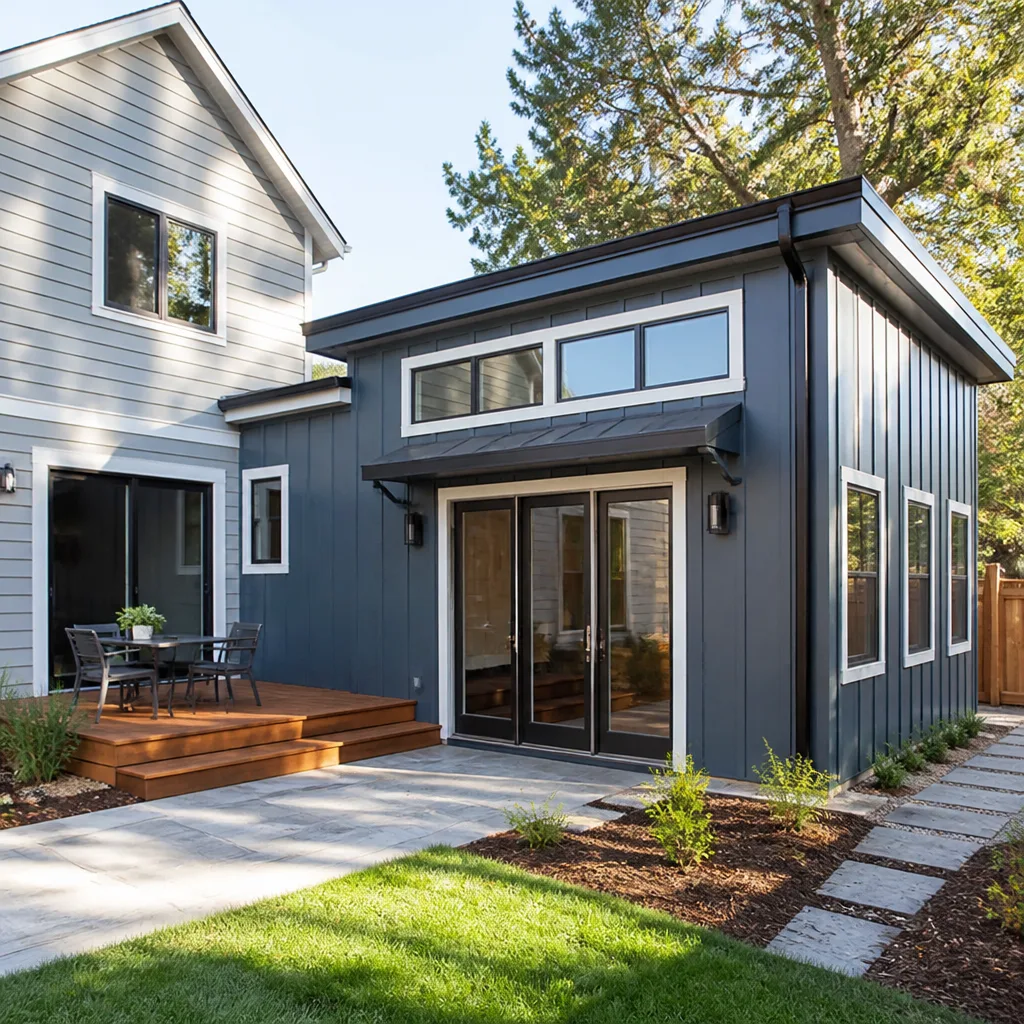 Home additions & ADU
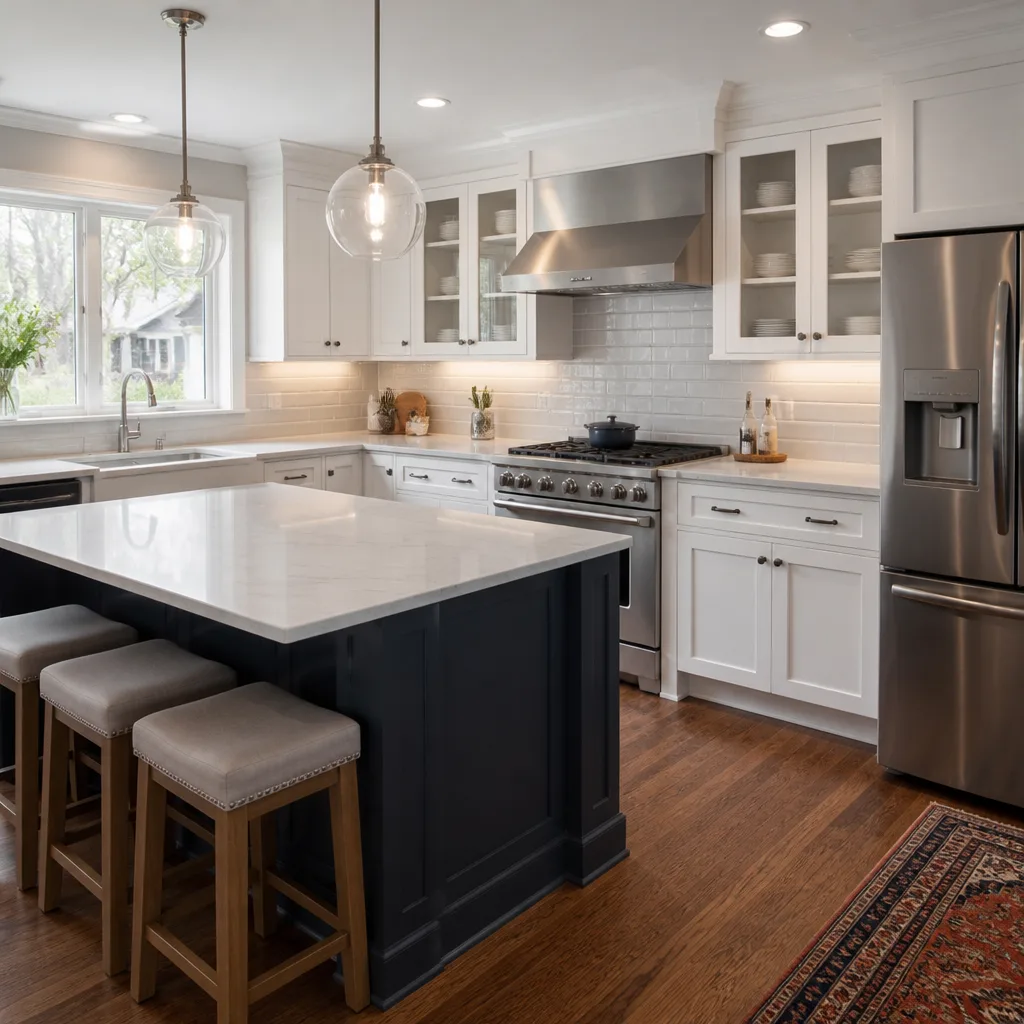 Kitchen remodeling
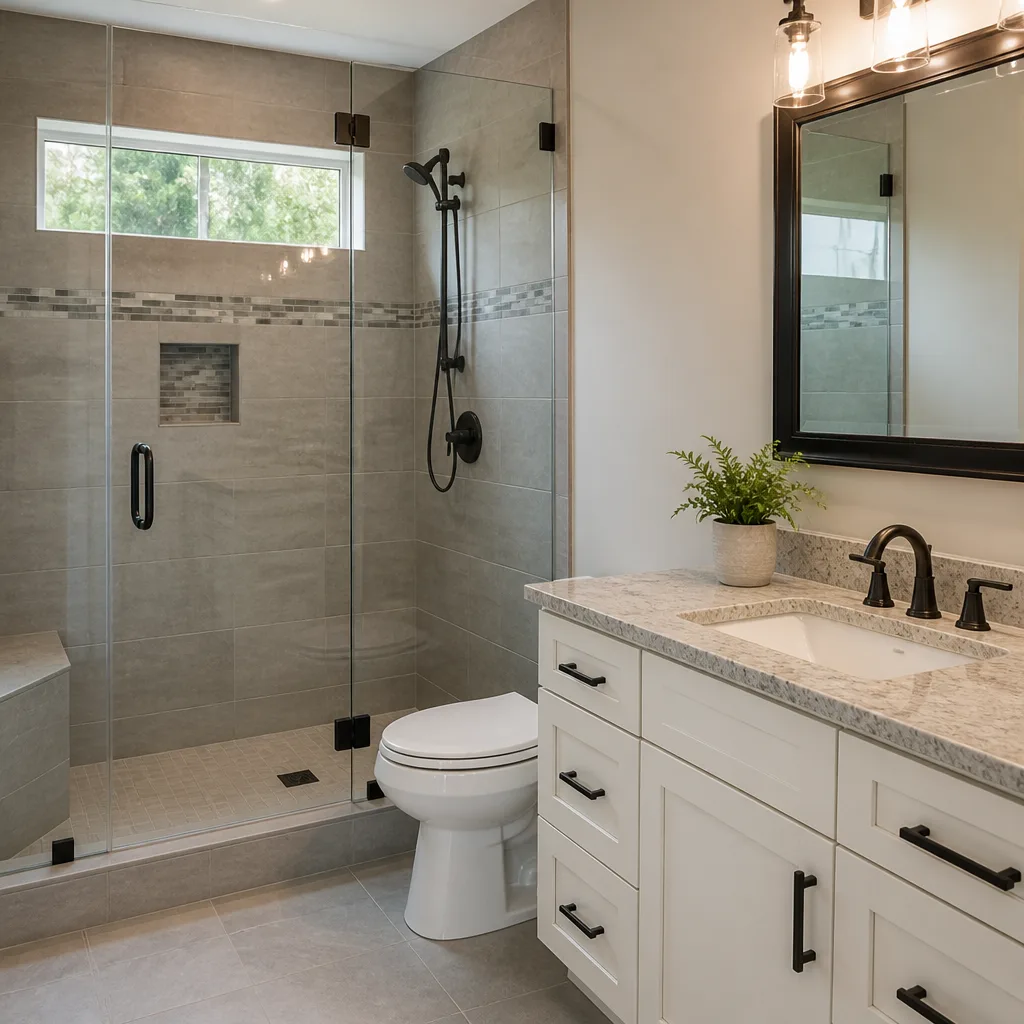 Bathroom remodeling
 Roofing
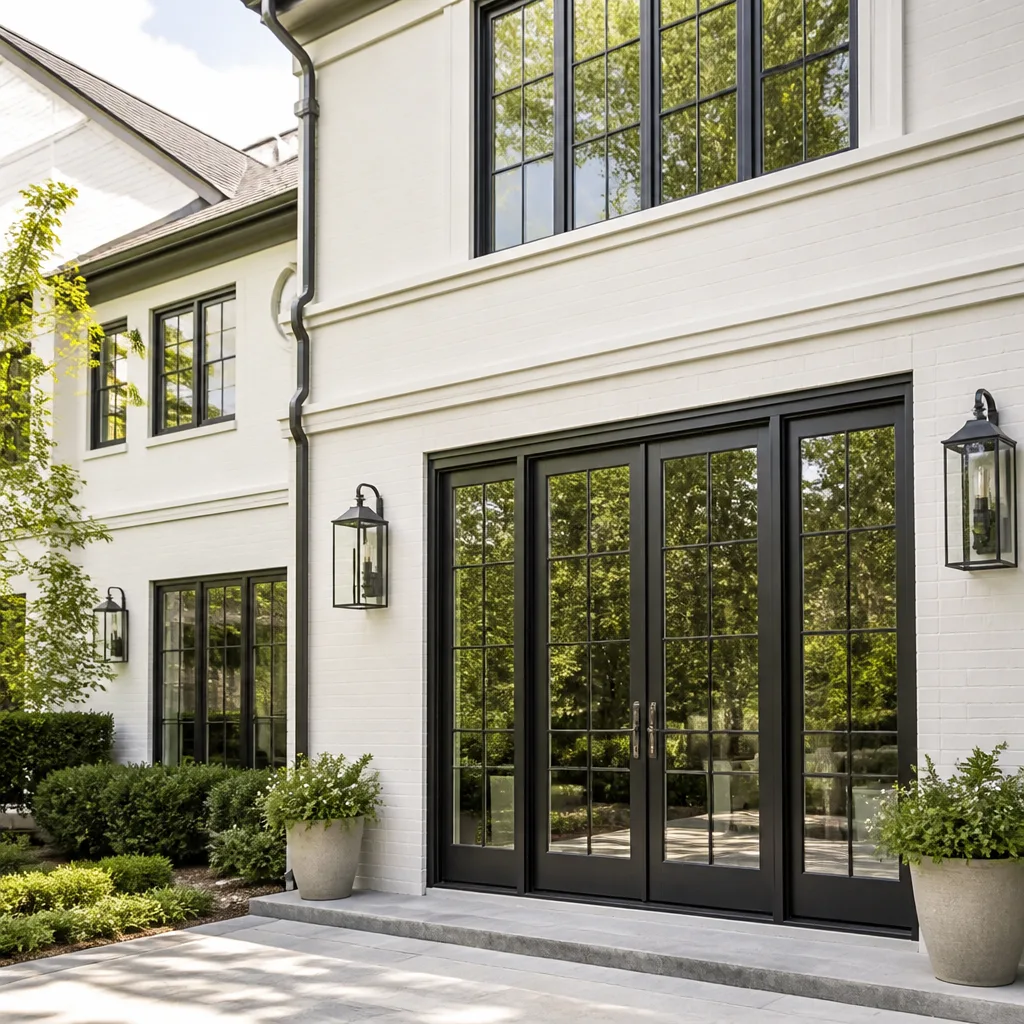 Windows & doors
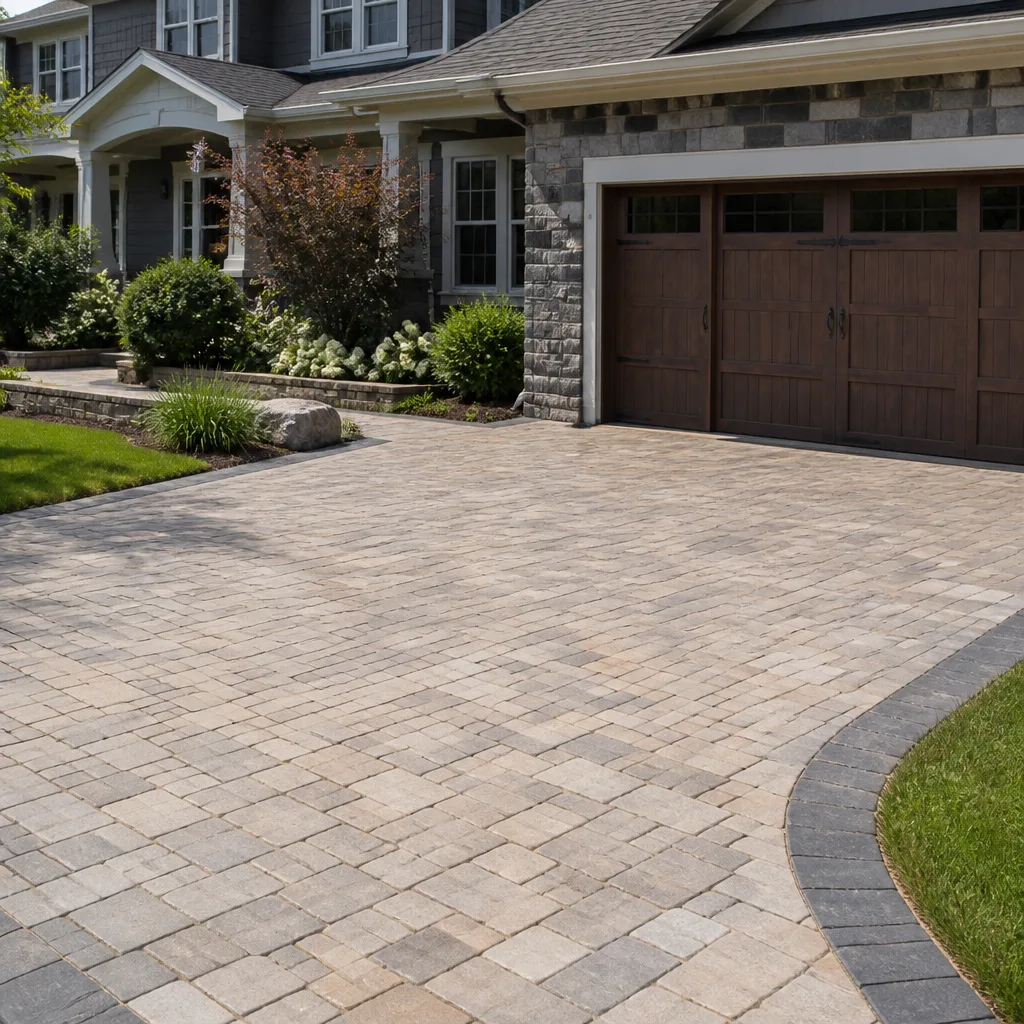 Driveway & pavers
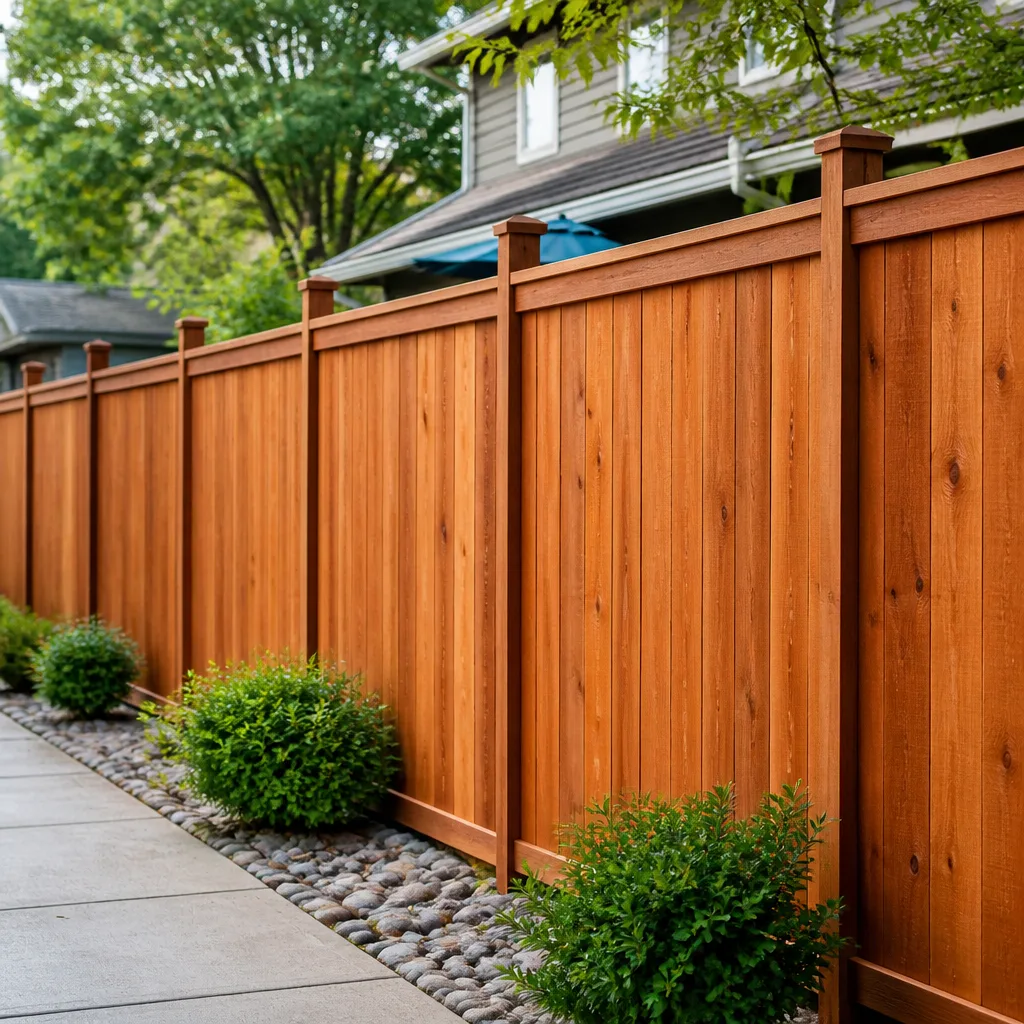 Fence
Free written scope consultation - allowances, timeline, and change-order rules on paper before a single trade is scheduled
Construction Cost Breakdown: The Chinatown Homeowner’s Reference for 2026
When two Chinatown homeowners get wildly different bids for the same scope of work, the difference almost never lives in labor rates. It lives in how each contractor plans to handle materials, logistics, and the three or four problems that will definitely come up in an urban project. San Francisco’s Chinatown is one of the densest, oldest, and most tightly regulated neighborhoods in the country, and every one of those conditions tacks on costs that a suburban bid would never include. This guide breaks down where those Chinatown-specific premiums actually show up in a construction estimate, how material tier selection moves the total price in percentage terms, and how to read a bid so you know exactly what you’re paying for before the first hammer swings. For related reading, see our Construction Warning Signs: A Chinatown Homeowner’s Reference Guide. By the end, you’ll understand why the honest bid is rarely the cheapest one, and you’ll know which line items deserve scrutiny and which ones are just the cost of building in a 150-year-old neighborhood.
Styles & brands we work with
Quick Answer
Construction costs in Chinatown, CA, run 15 to 30 percent higher than comparable suburban Bay Area projects, driven by urban density premiums, older building conditions, strict seismic and historic-district code requirements, delivery and staging constraints, and the geographic reality that material suppliers are not located anywhere near the neighborhood. A mid-grade kitchen remodel in Chinatown typically ranges from $45,000 to $85,000 in 2026, while a full gut renovation of a two-bedroom unit can run $180,000 to $320,000 depending on structural findings and material selections. The single most effective way to control cost is not hunting for the lowest bid, but choosing a contractor with established brand relationships, transparent contingency language, and experience navigating Chinatown’s specific permit and logistics environment. See Construction Permits, Codes & Inspections in CA: What You Need to Know for details on the regulatory landscape.
Table of Contents
- Where the Money Goes: Standard vs. Chinatown Line Items
- Material Tiers: How Brand Selection Moves Your Total Cost
- The Hidden Cost of the Low Bid
- ADU vs. Kitchen vs. Roofing: How Costs Compare in Chinatown
- How to Read a Contractor Bid Without Getting Burned
- Delivery, Staging, and the Urban Logistics Premium
- Permits, Historic Review, and Compliance Costs Specific to Chinatown
- Contingency, Overhead, and Profit: The Numbers You’re Not Seeing
- Common Mistakes to Avoid
- When to Call a Professional
- Frequently Asked Questions
- The Bottom Line
Where the Money Goes: Standard vs. Chinatown Line Items
A construction estimate is not one number. It is a stack of line items, each of which behaves differently when the project is in Chinatown rather than in a suburban subdivision with a two-car garage and a driveway. We’ve worked on enough projects in this neighborhood, as a General Contractor in Chinatown, to know exactly which lines inflate and why. Here is what a typical mid-range kitchen remodel looks like, side by side, with the urban premiums called out.
Standard kitchen remodel line items, with Chinatown adjustments:
- Demolition and debris removal: $2,500 to $5,000. In Chinatown, this line often doubles because dumpsters cannot sit on the street without a permit, alley access is narrow, and haul-away routes require scheduled loading zones. Debris cannot be staged on the sidewalk, which means more labor hours carrying material from upper floors to a truck parked blocks away.
- Rough carpentry and framing: $4,000 to $9,000. Older Chinatown buildings frequently have non-standard framing, settled floor joists, and walls that are not square. Correcting for those conditions before installing cabinetry is not optional work; it is the difference between a kitchen that fits and one that fights you for twenty years.
- Plumbing rough-in and fixture installation: $3,800 to $8,500. Many Chinatown buildings still contain galvanized steel supply lines and cast-iron waste stacks from the early twentieth century. Connecting new fixtures to those systems frequently requires replacement rather than extension, and that work is behind walls and under floors.
- Electrical rough-in, panel work, and fixtures: $3,200 to $7,000. Knob-and-tube wiring is still present in a surprising number of Chinatown units. If the electrician finds it, the scope expands to include full replacement to meet current code, and that is not a change order you can decline.
- Cabinetry (mid-grade, semi-custom): $12,000 to $24,000. Brands like KraftMaid and Wellborn occupy this tier, and they are delivered to the project rather than picked up at a local yard. Delivery coordination in Chinatown requires advanced scheduling and sometimes a lift gate or a second set of hands for freight elevator access.
- Countertops (quartz, fabricated and installed): $4,500 to $9,500. Cambria, Silestone, and Caesarstone slabs are heavy. Hoisting a 300-pound slab to a third-floor unit without a freight elevator is a real logistical event, and it costs real money.
- Tile and flooring installation: $3,000 to $7,500. Substrate prep in older Chinatown buildings frequently involves leveling compound and crack-isolation membrane because the floors move. Cutting that step is how you get cracked tile within two years.
- General conditions (site protection, cleanup, permits, supervision): 8 to 12 percent of total project cost. This is not overhead. This is floor protection in common hallways, dust containment barriers, scheduled elevator reservation, HOA coordination, and the project manager’s time navigating all of it.
When we compare these numbers to the same scope in a suburban setting, the Chinatown premium concentrates in demolition, logistics, general conditions, and hidden structural corrections. Labor rates for skilled trades are similar across the Bay Area. It is the context that costs.
Material Tiers: How Brand Selection Moves Your Total Cost
Material selection does not just change which products show up on the truck. It changes the percentage of your budget that goes to product versus labor, and it changes the schedule because premium materials often have longer lead times. In our experience as a home remodeling contractor working across Chinatown, material tier selection moves total project cost by 20 to 40 percent, even when the scope of work stays identical. Here is how the tiers break down.
Tier 1: Entry-level and performance-grade (baseline budget):
- Cabinetry: stock lines, thermofoil or laminate fronts, limited modification options. Budget roughly $8,000 to $14,000 for a standard kitchen.
- Countertops: laminate or basic granite. $2,500 to $5,000 installed.
- Roofing: IKO or Tamko asphalt shingles, 20- to 30-year options. Material cost lands at the lower end of the roofing spectrum.
- Plumbing fixtures: Delta, American Standard, Moen. Solid, functional, widely available. No supply chain drama.
- Fencing: Bufftech vinyl or basic pressure-treated wood. Low material cost, low maintenance expectation.
- Total project impact: baseline. This is your starting number before upgrade decisions.
Tier 2: Mid-grade and designer-adjacent (balanced budget):
- Cabinetry: KraftMaid or Wellborn semi-custom lines with plywood boxes, soft-close hardware, and expanded finish options. $14,000 to $26,000 for a standard kitchen.
- Countertops: Cambria or Silestone quartz in standard colorways. $4,500 to $9,000 installed.
- Roofing: GAF or CertainTeed architectural shingles with upgraded underlayment and ventilation. Material cost increases 15 to 25 percent over Tier 1.
- Plumbing fixtures: Kohler and Sterling. Better finish durability, broader style range, and manufacturer support that matters when a cartridge fails five years in.
- Fencing: Master Halco or Jerith ornamental aluminum. Higher material cost, dramatically longer service life than wood, zero repainting.
- Total project impact: 15 to 25 percent above baseline.
Tier 3: Premium and performance-focused (investment budget):
- Cabinetry: full-custom or premium semi-custom with furniture-grade finishes. $24,000 to $45,000 and up, depending on layout and hardware.
- Countertops: Caesarstone premium colorways or natural stone with bookmatched slabs. $9,000 to $18,000 installed.
- Roofing: Owens Corning Duration Designer or Atlas StormMaster with premium ventilation and metal accent details. Material cost runs 30 to 50 percent above Tier 1.
- Plumbing fixtures: Toto, Grohe, or high-end Kohler collections. Precision engineering, better after-sale support, and a price tag that reflects it.
- Fencing: Ameristar steel with decorative finials or full custom fabrication. Highest material cost, lifetime structural performance.
- Total project impact: 30 to 40 percent above baseline, driven almost entirely by material cost, not labor.
The important thing to understand is that moving between tiers does not change the number of hours your contractor works. A Cambria countertop takes the same time to template and install as a laminate one. What changes is the product price, the fabrication precision, the warranty depth, and how the finished space feels and performs over fifteen years of daily use. One contractor should be able to price all three tiers against the same scope and let you decide where to invest. If your contractor only offers one material tier, you are not getting a design decision; you are getting a catalog.
The Hidden Cost of the Low Bid
The low bid is not the honest bid with a smaller profit margin. It is usually the honest bid with several line items missing. In Chinatown, where change orders carry urban-sized price tags, the gap between a low bid and a complete bid closes fast, and it usually closes in the contractor’s favor. Here is how that works, step by step.
- The bid omits general conditions. No money for floor protection, elevator scheduling, HOA coordination, or dumpster permits. The contractor gets two weeks into the project, realizes these costs exist, and issues a change order. You pay either way. The only question is whether you saw it coming.
- The bid under-specifies materials. “Quartz countertops included” without naming the brand, grade, or edge profile. When it comes time to select, the price covers only the most basic option. You want the one you actually liked in the showroom? That is an upgrade change order.
- The bid assumes no structural surprises. In a Chinatown building built before 1930, structural surprises are not surprises. They are the baseline. A bid that does not include a line for “structural correction allowance” is either naive or intentionally low.
- The bid has no contingency line. Project contingency should be 5 to 10 percent of the total. If it is missing, the contractor is not absorbing that risk. You are absorbing it through change orders.
- The bid says “labor only” for items that require materials. Demolition “labor only” but no debris haul-away. Electrical “labor only” but no wire, boxes, or breakers. These missing material lines become change orders within the first month.
The reason we build estimates with full transparency, as a home renovation contractor, is not because it is the warm and fuzzy thing to do. It is because transparent bids produce fewer disputes, fewer stalled projects, and fewer homeowners who feel like they got taken for a ride. When you read a bid, you should be able to see exactly which problems the contractor thought about. A bid with no contingency line, no permit line, and no general-conditions line is not cheap. It is incomplete.
ADU vs. Kitchen vs. Roofing: How Costs Compare in Chinatown
Different project types have completely different cost structures in Chinatown, and comparing them against each other rarely makes sense. A kitchen remodel is driven by finish material selection. A roof replacement is driven by building height, access, and the condition of what is underneath the old roof. An ADU is driven by site constraints, foundation work, and the permitting pathway. Here is what each project type actually costs, and why.
Kitchen remodel (150 to 200 square feet, gut scope): $45,000 to $85,000. The range is wide because cabinetry, countertops, and appliances can swing this number by 40 percent without changing the work scope. In Chinatown, existing conditions often add structural correction, plumbing replacement, and electrical panel upgrades that suburban remodels do not face. Expect 30 to 60 percent of the total budget to go to materials, and the rest to labor, logistics, and general conditions.
Roof replacement (flat or low-slope, 1,000 to 1,500 square feet): $18,000 to $45,000. Chinatown buildings are mostly flat-roofed or low-slope, which means this is a membrane and insulation job rather than a shingle job. Access matters enormously: a building with a stairwell roof hatch and parapet access costs less than one requiring a crane or exterior scaffolding. If the roof decking is rotted or the parapet needs rebuilding, the price moves into the upper range. We offer roofing through major manufacturers including GAF, CertainTeed, Owens Corning, IKO, Atlas, and Tamko, which matters because not every roofing material is appropriate for every Chinatown roof condition.
ADU construction (400 to 800 square feet, site-built): $180,000 to $400,000. This number includes foundation, utility connections, all interior finishes, and permit fees. Chinatown ADUs face two specific cost drivers: lot coverage and setback requirements that shrink the buildable footprint, and access constraints that prevent a standard concrete truck from reaching the pour site. Prefab and modular options through partners like Abodu, Dvele, Mighty Buildings, Boxabl, and Plant Prefab can compress the schedule significantly and reduce on-site labor hours, though the permitting and site work costs remain similar to site-built projects. The advantage is delivery certainty and factory quality control, not necessarily a dramatically lower total price.
The cost structure difference in one sentence: Kitchens are material-cost driven, roofs are access-cost driven, and ADUs are site-and-permit driven. If you budget for all three using the same assumptions, two of them will be wrong.
How to Read a Contractor Bid Without Getting Burned
A bid is a document, not a promise. What matters is not the bottom-line number, but whether the document shows the contractor actually thought through your project. Here is a step-by-step method for reading any construction bid, with specific attention to the lines that matter most in an urban project like a Chinatown remodel.
- Look for the scope description first. If the scope is two paragraphs long, the bid is incomplete. A complete scope describes what rooms are included, what systems are touched, what is being demolished, and what is being preserved. If you cannot tell from the bid whether the bathroom floor is being replaced, neither can the contractor’s crew.
- Check the exclusions section. Every bid has one, even if it is labeled “assumptions.” Common exclusions include appliance purchase, window coverings, furniture moving, and HOA fees. Exclusions are not dishonest. They are only dishonest if they are buried or unstated.
- Find the contingency line. If it is missing, ask why. Contingency should be 5 to 10 percent of the project total and should be spent only on documented, approved changes. A contractor who says “we don’t carry contingency” is saying “you will pay for surprises through change orders.”
- Verify that permits appear as a line item. In Chinatown, permits are not optional and they are not free. The bid should name the permit fee, the plan check fee, and the time the contractor will spend managing inspections. If permits are not mentioned, the contractor is planning to work without them, and that is a serious liability for you as the homeowner.
- Trace the material allowances. A good bid names brands or at least brand tiers: “KraftMaid cabinetry,” “Cambria quartz,” “Therma-Tru doors.” Vague language like “quality cabinetry included” is a placeholder for the cheapest available option. We can price the same project with entry-level, mid-grade, or premium brands because we carry relationships with 50-plus manufacturers, and the bid should reflect that flexibility.
- Understand overhead and profit. Overhead covers the contractor’s office, insurance, vehicle, and staff costs. Profit is the money the contractor earns for running the job. Together they typically represent 15 to 25 percent of a residential project. If a bid has no visible line for overhead and profit, those costs are hidden inside the material and labor lines. That is not necessarily dishonest; it is just a less transparent way to present the same numbers.
The bid is the moment when you find out whether a contractor builds for the long term or prices for the moment. Read it slowly.
Delivery, Staging, and the Urban Logistics Premium
If you have ever watched a delivery truck attempt to double-park on Stockton Street during a weekday rush, you already understand the Chinatown logistics premium. The streets are narrow, the parking is nonexistent, the alleys are shared, and every square foot of sidewalk is contested territory. Construction materials still need to get from the supplier to the unit, and every step of that journey costs money in an urban environment.
In a suburban project, the lumber yard delivers a framing package directly onto the driveway. In Chinatown, that same delivery requires a scheduled loading zone permit, a truck with a lift gate that can operate in a narrow street, and a crew staged on-site to move material immediately so the truck can clear the lane. Material that cannot be unloaded within the permit window goes back to the yard and gets re-delivered the next day, at a cost of several hundred dollars per occurrence. We have seen entire project schedules reshaped by delivery access alone.
Staging is another invisible cost. There is no backyard or side driveway to store materials between phases. Everything must be either moved into the unit on delivery day or stored off-site and re-delivered when needed. For upper-floor units without freight elevators, every sheet of drywall, every cabinet box, and every bag of tile mortar goes up the stairs by hand. That labor is not a line item in most bids; it hides inside general conditions. But it is real work, and it is work that suburban contractors simply do not face.
Fencing projects face the same pressures from a different angle. Running a fence line along a property boundary in Chinatown requires coordinating with neighbors, confirming the exact property line, and often working in a space measured in inches, not feet. A suburban fence installer can stage posts and panels on the lawn. A Chinatown fence installer needs to stage in the alley, hold materials on a truck, and work around existing structures. The fencing manufacturers we work with, including Master Halco, Ameristar, Jerith, and Bufftech, all produce panels and posts that can be delivered in compact, lift-friendly configurations, but the final assembly still happens in tight spaces with zero room for error.
The logistics premium in Chinatown is not a markup. It is the actual cost of moving material through a neighborhood built before motorized delivery existed.
Permits, Historic Review, and Compliance Costs Specific to Chinatown
Chinatown is not just any San Francisco neighborhood. Significant portions of it fall under historic preservation review, and the entire neighborhood sits within a dense urban framework that triggers additional consent and notification requirements. Our Construction Emergency Preparedness Guide for Chinatown Homes covers how to plan for disruptions that can arise during lengthy permit reviews. If you are planning a structural change, a facade modification, or a change to a building’s street-facing elevation, expect the permit process to take longer and cost more than it would in a non-designated neighborhood.
The San Francisco Department of Building Inspection governs construction permits, but planning review layers on top of that. Work that affects the exterior of a building within a historic district may require the property owner to document the existing conditions, submit drawings that show the proposed change in context, and potentially appear before a review body. That process takes weeks, not days, and it costs money in drawing time, filing fees, and consultant hours. None of this is avoidable, and none of it should be skipped.
Seismic compliance is another Chinatown-specific cost driver. The neighborhood contains some of the oldest housing stock in San Francisco. Structural upgrades that are triggered by renovation work, such as foundation bolting, shear wall installation, and soft-story retrofitting, are often mandatory rather than optional. If your contractor’s bid does not include a structural engineer’s review and a line for seismic correction, the bid is not complete. This is not a corner you can cut; it is a requirement tied to the safety of the building and the people in it.
Compliance costs are also administrative. HOA or building management coordination, elevators reserved for exclusive construction use, insurance certificates filed with the building office, dust containment plans, and notification to neighboring units all generate paperwork and time. A contractor who has never worked in Chinatown will learn these requirements on your dime. A contractor who has done this work before will already have the processes in place, and that experience shows up in a more accurate bid rather than a stream of surprise change orders.
Contingency, Overhead, and Profit: The Numbers You’re Not Seeing
Most homeowners read a bid top to bottom and focus on the material and labor lines. The contractor’s contingency, overhead, and profit are the three numbers that determine whether the job actually gets finished, and they are precisely the numbers that get squeezed or hidden in a competitive bidding situation.
Contingency is project-specific reserve. It is not the contractor’s profit, and it is not a slush fund. It is the line that pays for the unknown: the rotted floor joist discovered under the tile, the cast-iron waste line that crumbles when the wall opens, the electrical panel that turns out to be undersized. Contingency should be 5 to 10 percent of the total project cost, and it should be spent only on documented change orders. If the contingency is not spent, it should be returned to you at project closeout. Ask your contractor to put that in writing before you sign.
Overhead covers the cost of running the contracting business. Insurance premiums, office staff, vehicle maintenance, accounting, software, and training all live here. Overhead is typically 8 to 15 percent of a residential project. It is not optional, even for a solo operator. A contractor with no overhead line is not cheaper; they are either underinsured or running the business out of a personal phone with no support systems. In the middle of a complex Chinatown project with inspection schedules and delivery windows, a contractor with no overhead infrastructure is a contractor who misses calls and shows up late.
Profit is what the contractor earns for managing the project, coordinating the trades, solving problems, and carrying the legal and financial risk of the job. Profit typically runs 5 to 12 percent of project cost. A contractor with no profit is either a volunteer or a contractor planning to make their money through change orders. The second option is far more common, and it always costs the homeowner more than an honest profit line would have.
The bid should show each of these numbers explicitly. If it does not, the money is still there; it is just buried inside the material markups and labor rates where you cannot see it. Transparency costs nothing. Opacity costs you the ability to compare bids accurately.
Common Mistakes to Avoid
- Accepting a bid without a contingency line. In Chinatown, where structural surprises are the norm rather than the exception, a missing contingency line means every surprise becomes a confrontation about money instead of a documented change order. You will pay for the surprise either way.
- Comparing bids by bottom-line number alone. A $60,000 bid and an $85,000 bid for the same scope are not competing on price. They are describing two different scopes. Read the line items, not the total.
- Assuming suburban cost data applies to Chinatown. National remodel cost guides do not account for Stockton Street delivery permits, pre-1930 framing conditions, or historic-district review. The Chinatown premium is real, and budgeting for it up front prevents shock later.
- Skipping the structural assessment. Renovating a Chinatown building without having a structural engineer look at the existing framing is like buying a car without checking the frame for rust. The problems are there whether you look for them or not, and they cost more to fix after the walls are open and the schedule is running.
- Choosing the contractor with the shortest schedule. A compressed schedule in Chinatown usually means compressed processes: skipped permit steps, rushed inspections, and material shortcuts. The logistics of this neighborhood do not compress; they just get more expensive when rushed.
- Not asking about the change-order process. How does the contractor document changes? Is it a written addendum with pricing before the work starts, or a verbal agreement that becomes a surprise invoice? A contractor with no written change-order process is a contractor who controls the conversation when problems arise.
- Ignoring the warranty details. Manufacturer warranties on products like roofing, siding, and plumbing fixtures are only valid if the installation meets manufacturer specs. A contractor who cuts corners on installation voids your product warranty and leaves you holding the repair bill. Ask whether the contractor is certified by the manufacturers whose products they install, especially for roofing systems and fiber-cement siding like James Hardie.
When to Call a Professional
You do not need a contractor to pick out cabinet hardware or choose paint colors. You do need one the moment the project involves structural changes, plumbing and electrical relocation, roofing work, or anything that touches the building envelope. In Chinatown specifically, the moment your project requires a permit, it requires a professional who knows how to navigate the process without stalling the job for months.
High-tension garage-door springs, gas lines, and electrical panel work are not DIY territory under any circumstances, and in an older Chinatown building with unknown conditions behind the walls, the margin for error is even smaller. If the work involves a roof edge or a steep slope, hire someone with proper fall protection and experience. The cost of a professional is a fraction of the cost of a failed inspection, a voided insurance claim, or a structural failure. Timberline Contractors offers free estimates in Chinatown. Call (866) 253-5808 to schedule yours.
Frequently Asked Questions
A full gut renovation in Chinatown typically runs $220 to $380 per square foot in 2026, depending on the condition of the existing structure, the material tier you select, and whether the unit is on an upper floor with limited delivery access. The same scope in a suburban setting would run $150 to $250 per square foot, so the Chinatown premium is real but predictable. The most accurate way to price your specific project is to have a contractor walk the site and identify structural, access, and permit variables before quoting. Call (866) 253-5808 for a free estimate from Timberline Contractors, and we’ll give you a line-item breakdown rather than a vague per-square-foot guess.
Expect to spend $45,000 to $85,000 for a mid-grade kitchen remodel in Chinatown, with the final number driven by your cabinetry and countertop selections, the condition of the plumbing and electrical systems behind the walls, and whether structural correction is required. Entry-tier selections can bring the project into the mid-$30,000s, while premium finishes from brands like Cambria, Caesarstone, and Kohler can push it past $100,000. The best way to control cost is to choose your material tier early and let the contractor price the scope against that tier, not against a generic national average.
Yes, if the work involves structural changes, plumbing or electrical relocation, or any exterior modification, which covers most kitchen and bathroom remodels. Chinatown sits within a dense urban framework where permit review can include planning department sign-off and, for certain buildings, historic preservation review. Working without permits puts you at risk of stop-work orders, fines, and difficulty selling the property later. A licensed contractor with local permit experience will build the permit fees and the management time into the bid from day one. That should be a line item you can read, not a surprise you discover mid-project.
Bids vary because contractors are describing different scopes, different material allowances, and different assumptions about the unknown conditions that will surface during the work. A $55,000 kitchen bid and an $80,000 kitchen bid are not two contractors selling the same job at different margins; they are two contractors who have made different decisions about what to include in the price. The lower bid usually omits contingency, general conditions, permit management, or structural correction allowances. The higher bid usually includes them. When you read the line items, the gap closes.
The biggest hidden cost is structural correction, especially in older Chinatown buildings where settled framing, rotted subfloor sections, and outdated plumbing stacks are common behind finished surfaces. These conditions are invisible until demolition starts, and they are not optional to fix. A bid that includes a line for structural correction allowance and carries a proper contingency protects you from the worst of that exposure. A bid that does not include those lines is simply passing the surprise directly to you. Before signing, ask your contractor to walk the unit and identify the most likely structural risks so they are documented, priced, and understood.
You can, but it rarely saves as much as homeowners expect, and it can introduce problems. When homeowners buy their own materials, they are responsible for scheduling delivery, confirming product condition on arrival, handling defect returns, and coordinating installation timing with the contractor. Miss a delivery window and the crew stands idle at your cost. A contractor with established brand relationships, like Timberline Contractors home, can often secure trade pricing and manage the entire supply chain from order to installation. The savings from buying direct are often erased by the coordination cost and the schedule risk. If you want the project to run smoothly, let the contractor buy the materials and show you the invoices.
The Bottom Line
Construction costs in Chinatown are higher than suburban averages for reasons that are specific, visible, and entirely predictable once you know where to look. The urban premiums appear in delivery logistics, staging constraints, permit complexity, historic review, and the structural surprises hiding inside buildings that have stood for over a century. Getting the honest bid means finding a contractor who will line-item those costs, explain the contingency structure, and walk you through material tiers without pressure. The cheapest bid is rarely the cheapest project. Read the line items, understand the numbers, and choose the contractor who shows you the whole picture before the work begins. Explore more guides & resources for Chinatown homeowners.
Written by the team at Timberline Contractors, serving Chinatown since 2018.
See the difference
 Before
 After
 Before
 After
 Before
 After